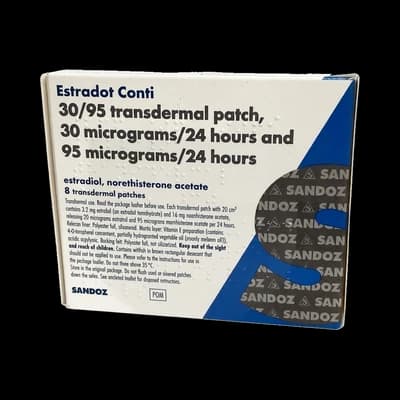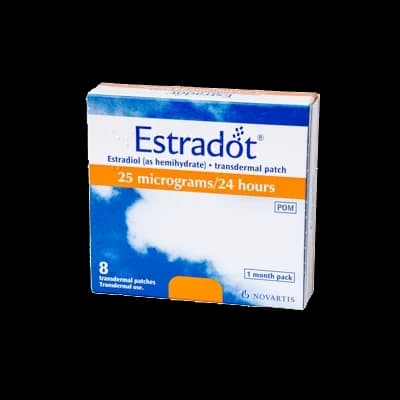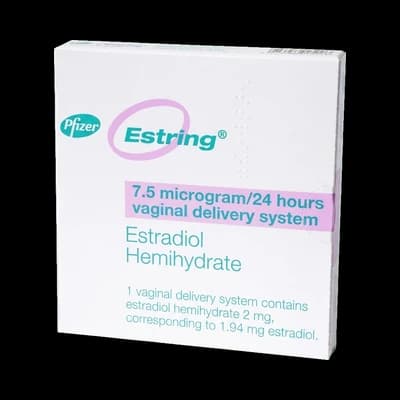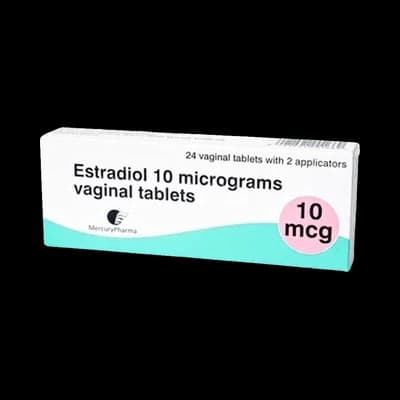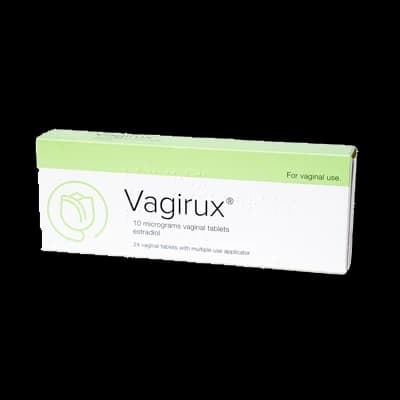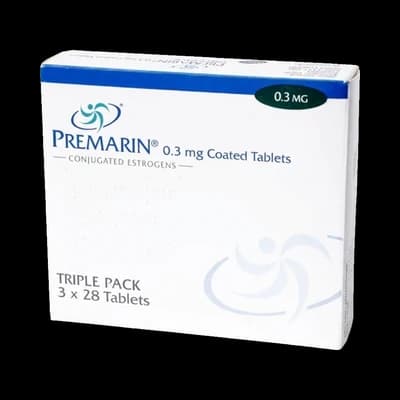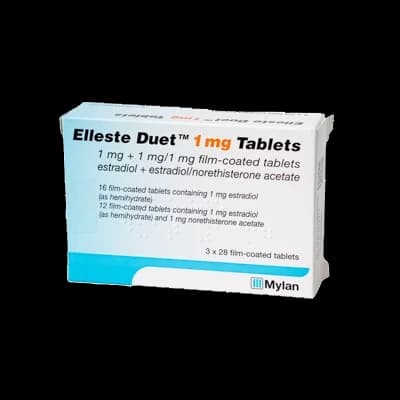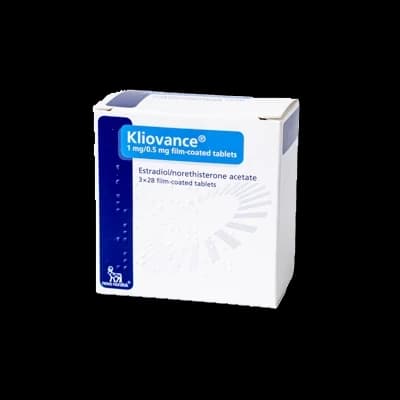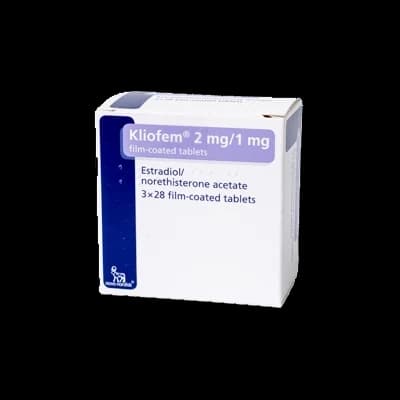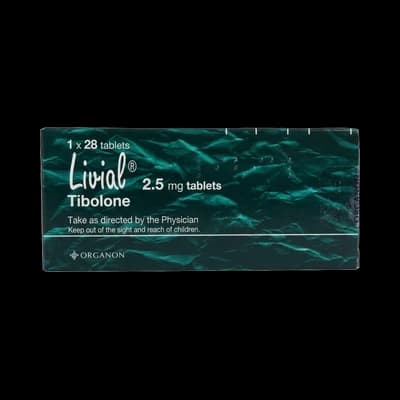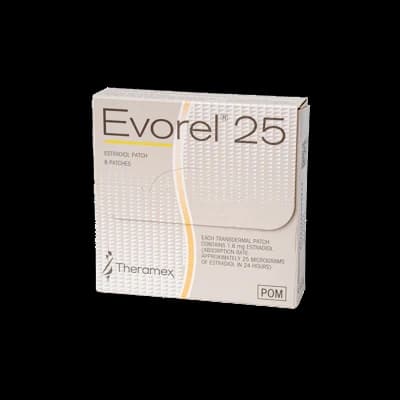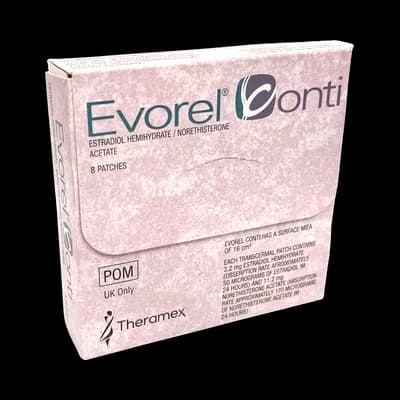
Buy Menopause Treatments Online With Free Next-Day Delivery
START YOUR TREATMENT TODAY
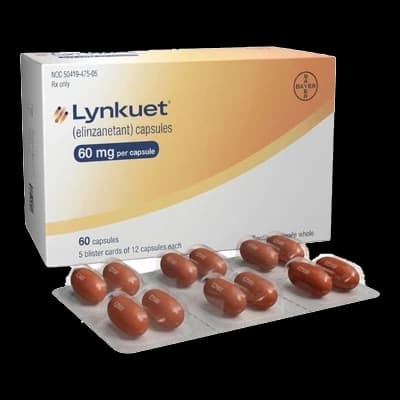
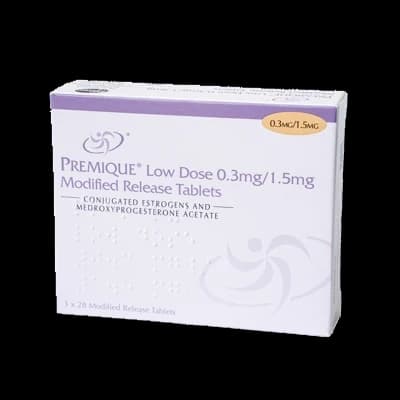
Available Treatments for Menopause
SAFE PRESCRIBING
Get Started With the Right Treatment for You
MEDICAL INFORMATION
Menopause Key Facts
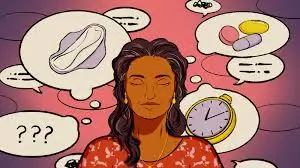
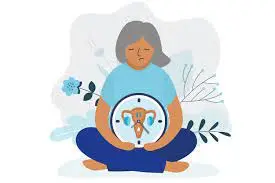
The Menopause is a time in a woman’s life when her menstrual cycles and reproductive years end. During the Menopause a woman will stop releasing eggs and her levels of estrogen and progesterone (the hormones responsible for menstruation and fertility) will also fall. Menopause normally occurs between the ages of 45 and 55, but this can vary from person to person.
Here, we will take a closer look at Menopause, its causes, symptoms and treatment options available.
What is the periMenopause?
The phase in a woman’s life before the Menopause, is called the periMenopause. During the periMenopause, less estrogen is produced by the ovaries, resulting in changes in the menstrual cycle and irregular periods. Other symptoms include mood swings, hot flashes, night sweats, difficulty sleeping, and vaginal dryness.
Hot flashes
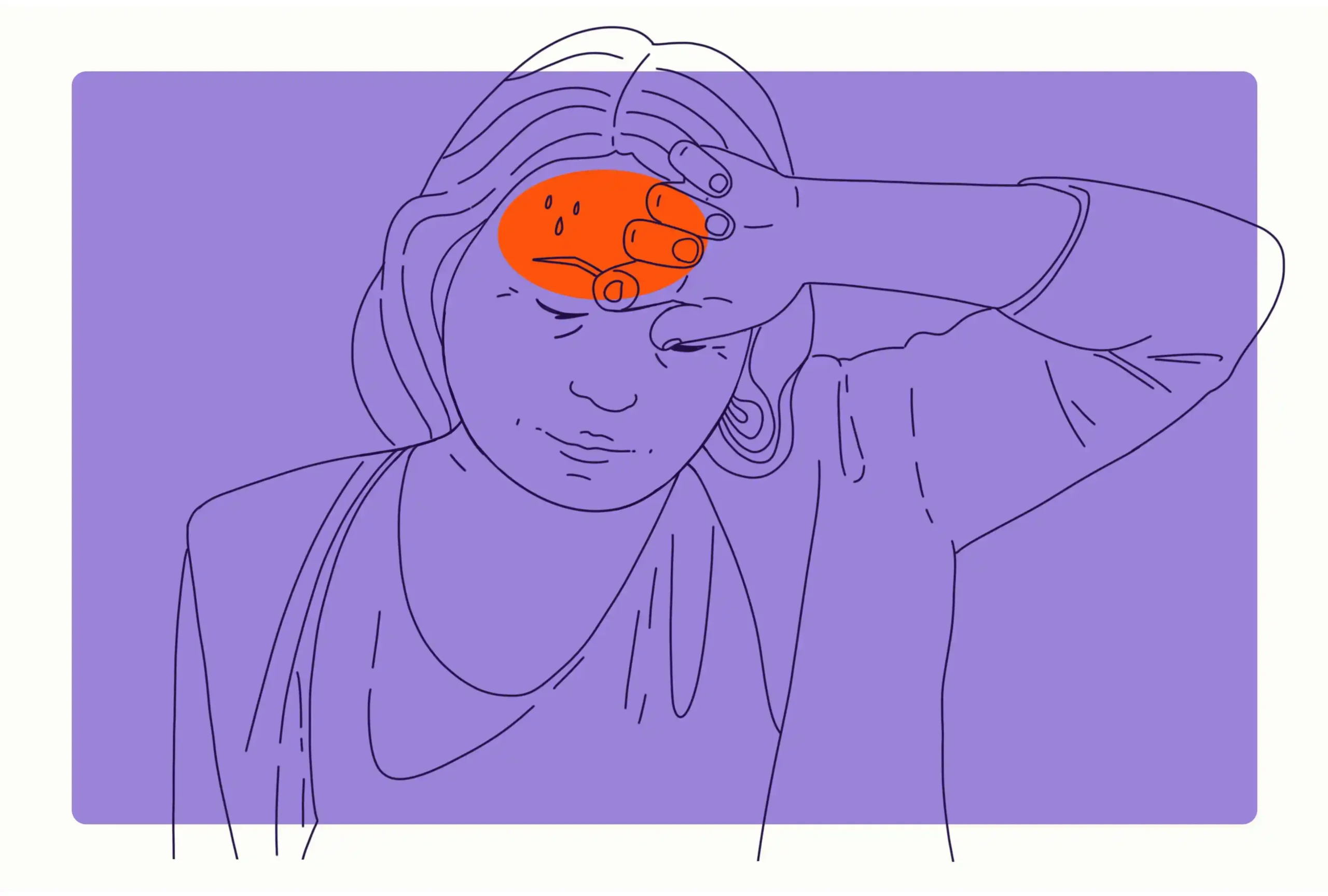
Hot flashes (vasomotor symptoms) are the most common symptom of Menopause. Hot flashes are often accompanied by sweating, hot flushes and a rapid heartbeat. Around three quarters of women experience hot flashes during the menopausal transition. Hot flashes may continue for around 2 years, but this may vary.
Other symptoms of Menopause
Other symptoms may include irregular or missed periods, vaginal dryness, sore breasts, urinary incontinence, difficulty sleeping, mood changes, irritability, depression, tiredness, headaches, joint and muscle aches, weight gain, hair loss, vaginal atrophy and changes in sex drive.
When does Menopause start?
When Menopause starts is affected by factors, such as lifestyle, genetics, and other medical conditions. Underweight smokers tend to experience the Menopause earlier, while women who are overweight may experience Menopause later. Ethnicity does not however play a major role for the age of onset of Menopause.
What is premature Menopause and induced Menopause?
Premature Menopause is Menopause that occurs before the age of 40, due to factors such as genetics, autoimmune diseases, medical treatments, or radiation therapy. Premature Menopause may cause more severe symptoms needing treatment to manage any hormonal changes and potential health risks.
Induced Menopause occurs when a woman has her ovaries surgically removed or receives treatment which damages the ovaries, causing a reduction in estrogen levels, triggering symptoms of Menopause.
How to diagnose Menopause
Diagnosis of Menopause takes into consideration age, symptoms, and changes in the menstrual cycle. Blood tests can be used to measure hormone levels, such as the follicle-stimulating hormone (FSH) and estradiol. FSH increases as a woman approaches Menopause, while estradiol levels decrease.
How to manage Menopause symptoms
Lifestyle changes to alleviate symptoms
- Maintain a balanced diet containing calcium, vitamin D, and soy-based foods
- Regular exercise to reduce the risk of osteoporosis and heart disease
- Reduction of stress using yoga or meditation
- Managing changes in body temperature by wearing light clothing
- Avoiding caffeine, alcohol, and spicy foods
- Staying mentally active to promote good cognitive health
Hormone therapy
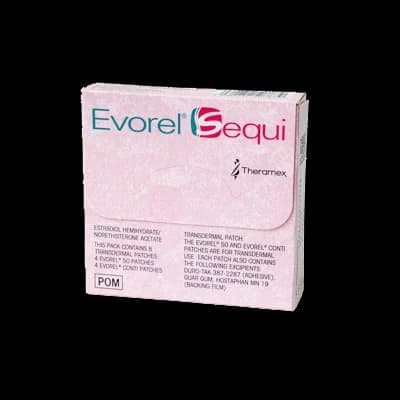
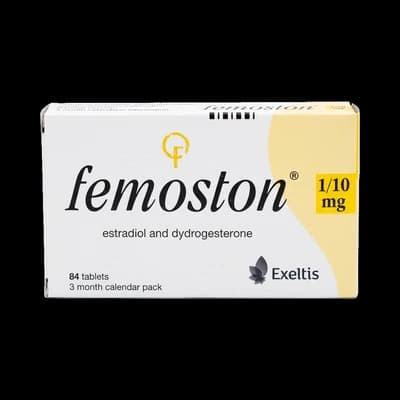
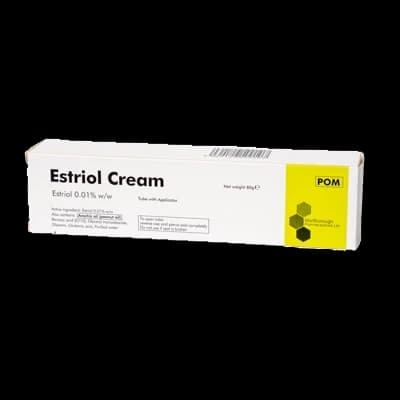
Hormone therapy may be used for women with severe Menopause symptoms. This uses estrogen and sometimes progesterone, in the form of a patch, pill, cream, vaginal ring, gel or spray, to replace hormones no longer produced by the body. Oral contraception can also be used to help manage the symptoms of Menopause.
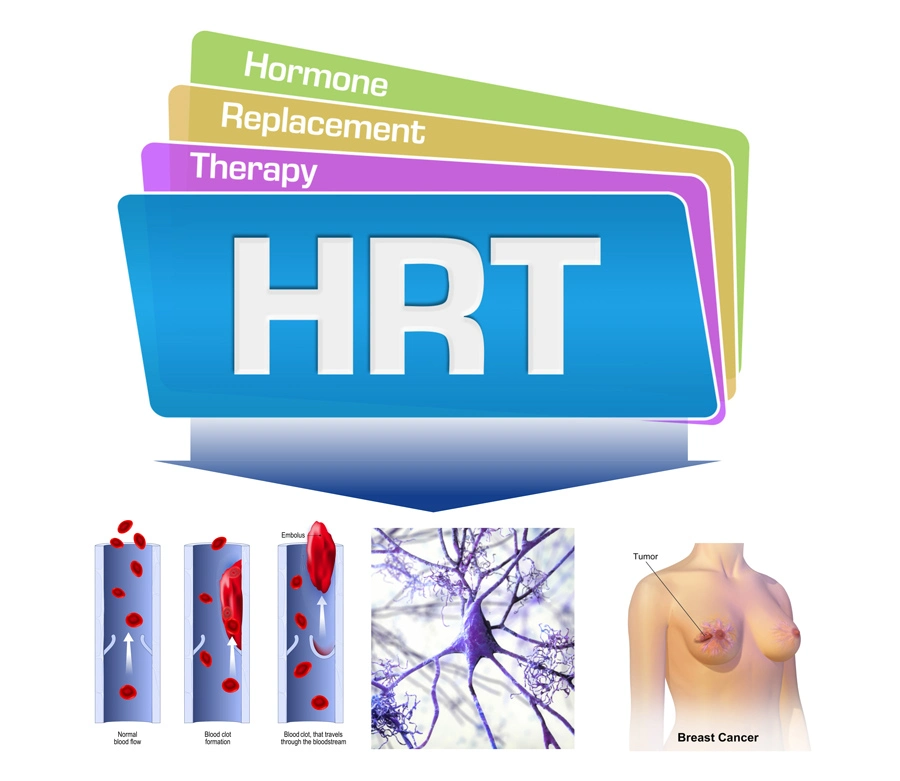
Hormone therapy is not necessarily suitable for everyone, and women with a history of breast cancer or cardiovascular disease, may require alternative treatment.
Non-hormonal medications and alternative treatments
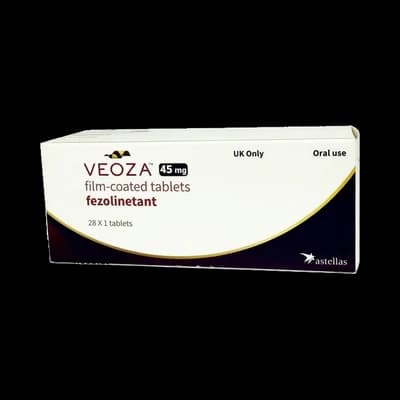
Non-hormonal medications such as paroxetine, venlafaxine, gabapentin and clonidine are effective in reducing hot flashes and sleep disturbances. Acupuncture is another potential option for the management of Menopause symptoms.
Frequently asked questions
When does Menopause occur?
Menopause occurs from the age of 45 to 55, but this can vary depending on genetics, general health, and other medical conditions. Menopause that occurs before the age of 45 is called early Menopause.
Can a hysterectomy cause Menopause?
If a woman has her uterus removed (hysterectomy) while keeping her ovaries, she will not experience the Menopause immediately. However, her menstrual periods will stop, and she will not be able to conceive. If a woman has a hysterectomy and has both ovaries removed, Menopause will occur immediately, as the ovaries are responsible for the production of hormones.
Can Menopause affect bone health?
Estrogen helps to maintain bone density. A reduction in estrogen levels during Menopause increases the risk of osteoporosis. To promote healthy bones:
- Exercise using weights
- Maintain a diet containing dairy products, leafy greens, and fortified foods, and consider calcium and vitamin D supplements
- Avoid smoking
Does Menopause affect heart health?
Women may be at an increased risk of cardiovascular diseases, such as heart attacks after Menopause. Prioritize your heart health by:
- Monitoring your blood pressure and cholesterol levels
- Eating a balanced diet, exercising regularly, managing your stress levels, avoiding smoking or excessive alcohol consumption
How will Menopause affect my sexual health?
Menopause can cause vaginal dryness, causing discomfort during intercourse. Menopause can also reduce your sex drive. Treatment options include:
- Discussing your concerns with your partner and healthcare provider
- Using over-the-counter lubricants and moisturizers
- Using hormonal therapies
Does Menopause affect sleep?
Yes. Sleep disturbance is common during Menopause. Symptoms include night sweats and disrupted sleep patterns. Try the following:
- Keep your bedroom cool, dark, and quiet. Use breathable bedding and consider using a fan or air conditioning
- Develop a relaxing routine before bed, such as a warm bath or reading a book
- Limit caffeine and alcohol close to bedtime
How long does the Menopause last?
The transition to Menopause can last around 7 years. However, this may vary and some women may experience symptoms for a longer or shorter period of time. PostMenopause is defined as when your last period was over 12 months ago.
Can Menopause affect my mental health?
Hormonal changes during Menopause can cause mood swings, irritability, and changes to your mental well-being. Consider the following:
- Connect with friends, family, or support groups to receive emotional support
- Engage in activities that help you relax
- Consult a mental health professional if your symptoms affect your daily life or continue for long periods
Conclusion
Menopause is a natural process of life for every woman. By having a healthy lifestyle, staying connected to support groups and healthcare providers, and understanding Menopause you can manage your symptoms with greater ease.
Sources
- NHS Menopause
- Mayoclinic – Menopause
- NIH – Menopause
- Clevelandclinic – Menopause
- WebMD – Menopause
- MedlinePlus – Menopause
- Everydayhealth – Menopause
Medical Disclaimer
NowPatient has taken all reasonable steps to ensure that all material is factually accurate, complete, and current. However, the knowledge and experience of a qualified healthcare professional should always be sought after instead of using the information on this page. Before taking any drug, you should always speak to your doctor or another qualified healthcare provider.
The information provided here about medications is subject to change and is not meant to include all uses, precautions, warnings, directions, drug interactions, allergic reactions, or negative effects. The absence of warnings or other information for a particular medication does not imply that the medication or medication combination is appropriate for all patients or for all possible purposes.
Related Articles
OUR CUSTOMERS VIEW
What Customers Love About Our Service
We want everyone to be happy and healthy, that’s what keeps us going. Read what some of them have to say about us.
Medicines Experts
Meet Our Medical Team
We are a broad skilled and passionate group of clinicians with experience of operating in health systems in the United Kingdom & United States. Providing excellent care and advice is at the heart of everything we do. You can read more about our medical team by visiting the medical team page or learn more about how we curate content by visiting our editorial process