Open Type 2 Diabetes Risk Service Card, tap ‘Unlock’ icon
You're viewing our US site. Prices, available medicines and clinicians depend on where you live.
 United StatesUS care and pricing. Telehealth, medicines and savings for US patients.Current
Millions have Type 2 Diabetes and don’t know it. The NowPatient Type 2 Diabetes Risk Service uses the validated FINDRISC method to calculate your personal 10-year risk without lab tests. Free and automatic, it updates with your health profile, alerts you when your risk changes, and can qualify you directly for weight loss support, if qualified.
Step-by-step guide to using in-app
Open Type 2 Diabetes Risk Service Card, tap ‘Unlock’ icon
Complete Your Health Profile
Type 2 Diabetes Risk Service Card will now activate
Receive health risk alerts via In-App & Push notifications
Regularly update profile to track lifestyle risk changes
How Type 2 Diabetes Risk Works
The Type 2 Diabetes Risk Service is a clinical risk assessment that scores your 10-year risk of developing Type 2 Diabetes Mellitus. It uses the FINDRISC (Finnish Diabetes Risk Score) method, which was designed by Lindström and Tuomilehto in 2003. NowPatient’s Type 2 Diabetes Risk Service has been developed with the permission of Jaana Lindström, one of the inventors of the method.
FINDRISC requires no laboratory testing and has been scientifically validated in multiple populations. The evidence base can be reviewed at:
https://www.thelancet.com/journals/eclinm/article/PIIS2589-5370(23)00412-1/fulltext
The Type 2 Diabetes Risk Service is classified as a Class I medical device under UK MDR 2002 regulations for its intended use. It is free for all registered NowPatient users.
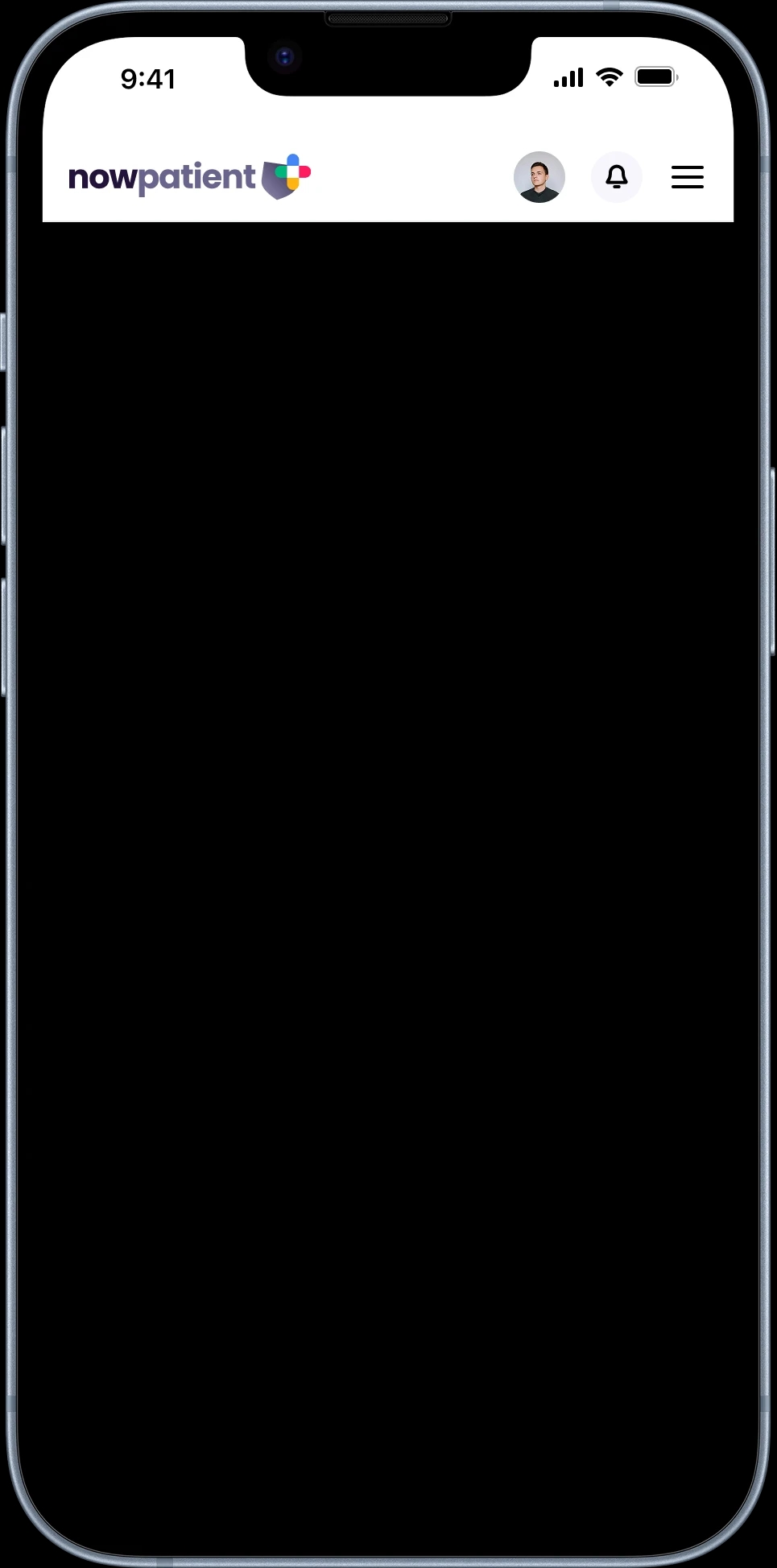
Navigate to the ‘Personalized Insights’ section of your account homepage to find the Type 2 Diabetes Risk Service Card.
If you completed your Health Profile when you first created your NowPatient account, your score will be automatically calculated and displayed within the Service Card.
NowPatient uses the data in your health profile to determine your risk automatically.
If the Health Profile was not completed, the Service Card will appear locked. Select the ‘Unlock’ button on the card and you will be presented with a series of questions to complete. Once finished, you will be redirected to the account homepage where your score will be displayed on the Type 2 Diabetes Risk Service Card.
NowPatient advises all users to update their Health Profile monthly, and before any NowPatient Service Consultations they may book. Updated information may affect your risk score, allowing you to track the benefits of any lifestyle or medication interventions.
The Type 2 Diabetes Risk Service uses the following special category data from your health profile: Age. BMI. Physical activity. Vegetable and fruit intake. Medical treatment of hypertension. History of hyperglycaemia. Family history of diabetes.
NowPatient’s AI algorithms trigger warnings based on your risk factors. If the algorithm identifies a risk, you will receive:
A push notification with clinical advice on what to do next, sent directly to your device.
An In-App notification viewable in the ‘Notifications’ section of your account homepage.
You can also view the warning advisory at any time by selecting the ‘View Warning’ button on the Type 2 Diabetes Risk Service Card.
The categories below explain each risk band, what your score means, and the recommended actions.

You only have a 1% chance of developing diabetes in the next 10 years. You are classed as very low risk and do not need to take any action, however, you can discuss this with your doctor at your next appointment.
You only have a 4% chance of developing diabetes in the next 10 years. You are classed as low risk and you do not need to take any action, however, you can discuss this with your doctor at your next appointment.
You have a 17% chance of developing diabetes in the next 10 years. You are classed as moderate risk. Making changes to diet and exercising or increasing activity can reduce your chances of developing diabetes in the future.
It is very important that you speak to your doctor about having a blood test for diabetes as you can have type 2 diabetes for years without knowing.
Also, ask your doctor about programs and services that could help reduce your risk of type 2 diabetes. These services will be different depending on where you live.
If you are an NHS patient, you should go for a regular diabetes check-up once a year to check your blood pressure and cholesterol (blood fats) levels: https://www.nhs.uk/conditions/type-2-diabetes/going-regular-check-ups/
You have a 33% chance of developing diabetes in the next 10 years. You are classed as high risk. Making changes to diet and exercising or increasing activity can reduce your chances of developing diabetes in the future.
It is very important that you speak to your doctor about having a blood test for diabetes as you can have type 2 diabetes for years without knowing.
Also, ask your doctor about programs and services that could help reduce your risk of type 2 diabetes. These services will be different depending on where you live.
If you are an NHS patient, you should go for a regular diabetes check-up once a year to check your blood pressure and cholesterol (blood fats) levels: https://www.nhs.uk/conditions/type-2-diabetes/going-regular-check-ups/
You have a 50% chance of developing diabetes in the next 10 years. You are classed as very high risk. Making changes to diet and exercising or increasing activity can reduce your chances of developing diabetes in the future.
It is very important that you speak to your doctor about having a blood test for diabetes as you can have type 2 diabetes for years without knowing.
Also, ask your doctor about programs and services that could help reduce your risk of type 2 diabetes. These services will be different depending on where you live.
If you are an NHS patient, you should go for a regular diabetes check-up once a year to check your blood pressure and cholesterol (blood fats) levels: https://www.nhs.uk/conditions/type-2-diabetes/going-regular-check-ups/
If the Type 2 Diabetes Risk Service classifies you as ‘at risk’, it is very important that you speak to your doctor about having a blood test for diabetes, as you could have Type 2 Diabetes for years without knowing.
NowPatient may also automatically qualify you for risk-reducing strategies such as the Weight Loss Programs Service. You will be notified if you are eligible.
Ask your doctor about programs and services that could help reduce your risk of Type 2 Diabetes. These services will be different depending on where you live.
The scores only predict the likelihood of you developing Type 2 Diabetes. They do not mean you will definitely develop the condition. Early risk-based interventions and lifestyle changes could reduce your risk of developing the condition.
Update your Health Profile monthly and before any NowPatient Service Consultations you may book. The updated information you submit may affect your Type 2 Diabetes Risk Score, which will be reflected as an updated score on the Service Card. This allows you to track the benefits of any lifestyle or medication interventions over time.
Signs and symptoms of Type 2 Diabetes include:
Toilet, going for a wee a lot, especially at night
Thirsty, being really thirsty
Tired, feeling more tired than usual
Thinner, losing weight without trying to
Genital itching or thrush
Cuts and wounds take longer to heal
Blurred eyesight
Increased hunger
The Type 2 Diabetes Risk calculation uses FINDRISC (Finnish Diabetes Risk Score), which is a widely used tool to estimate the 10-year risk of developing Type 2 Diabetes. As with any risk assessment screening, there are limitations:
Population bias. Less accurate in non-Finnish or diverse ethnic groups.
No lab tests. Misses blood sugar abnormalities that would only be detected through laboratory testing.
Self-report errors. Users may misreport lifestyle and measurements, which could affect the accuracy of the score.
Simplicity. Misses complex or emerging risk factors that are not captured by the seven input variables.
Not dynamic. A single assessment does not reflect changes over time, which is why NowPatient recommends updating your Health Profile monthly.
Not diagnostic. Cannot confirm diabetes or pre-diabetes. A positive result should always be followed up with a blood test ordered by your doctor.
Everything you need to know about the NowPatient Type 2 Diabetes Risk Service — how the FINDRISC method works, what your score means, how to act on your results, and the limitations you should be aware of.
Millions have Type 2 Diabetes and don’t know it. The NowPatient Type 2 Diabetes Risk Service uses the validated FINDRISC method to calculate your personal 10-year risk without lab tests. Free and automatic, it updates with your health profile, alerts you when your risk changes, and can qualify you directly for weight loss support, if qualified.
FINDRISC stands for Finnish Diabetes Risk Score. It was designed by Lindström and Tuomilehto in 2003 to estimate a person’s 10-year risk of developing Type 2 Diabetes Mellitus.
NowPatient’s Type 2 Diabetes Risk Service has been developed with the permission of Jaana Lindström, one of the inventors of the method. FINDRISC requires no laboratory testing and has been scientifically validated in multiple populations. The evidence base can be reviewed here
Yes. The Type 2 Diabetes Risk Service is a free service available to all registered NowPatient users.
Yes. The Type 2 Diabetes Risk Service is classified as a Class I medical device under UK MDR 2002 regulations for its intended use.
Navigate to the ‘Personalized Insights’ section of your account homepage. The Type 2 Diabetes Risk Service Card will be displayed there. If you completed your Health Profile when you first created your NowPatient account, your score will already be calculated and visible. If not, the card will appear locked — select the ‘Unlock’ button and complete the series of questions to activate it.
NowPatient advises all users to update their Health Profile monthly, and before any NowPatient Service Consultations they may book. Updated information may affect your risk score, allowing you to track the benefits of any lifestyle or medication interventions.
The Type 2 Diabetes Risk Service uses the following special category data from your health profile:
Age
BMI
Physical activity
Vegetable & fruit intake
Medical treatment of hypertension
History of hyperglycaemia
Family history of diabetes
Your score places you into one of five risk categories. The table below explains each category and the recommended actions:

NowPatient’s AI algorithms trigger warnings based on your risk factors. If the algorithm identifies a risk, you will receive:
A push notification with clinical advice on what to do next, sent directly to your device
An In-App notification viewable in the ‘Notifications’ section of your account homepage
You can also view the warning advisory at any time by selecting the ‘View Warning’ button on the Type 2 Diabetes Risk Service Card.
Update your Health Profile monthly and before any NowPatient Service Consultations you may book. The updated information you submit may affect your Type 2 Diabetes Risk Score, which will be reflected as an updated score on the Service Card. This allows you to track the benefits of any lifestyle or medication interventions over time.
If the Type 2 Diabetes Risk Service classifies you as ‘at risk’, it is very important that you speak to your doctor about having a blood test for diabetes, as you could have Type 2 Diabetes for years without knowing. NowPatient may also automatically qualify you for risk-reducing strategies such as the Weight Loss Programs Service. You will be notified if you are eligible.
Ask your doctor about programs and services that could help reduce your risk of Type 2 Diabetes. These services will be different depending on where you live.
No. The scores only predict the likelihood of you developing Type 2 Diabetes. They do not mean you will definitely develop the condition. Early risk-based interventions and lifestyle changes could reduce your risk of developing the condition.
Signs and symptoms of Type 2 Diabetes include:
Toilet — going for a wee a lot, especially at night
Thirsty — being really thirsty
Tired — feeling more tired than usual
Thinner — losing weight without trying to
Genital itching or thrush
Cuts and wounds take longer to heal
Blurred eyesight
Increased hunger
The Type 2 Diabetes Risk calculation uses FINDRISC (Finnish Diabetes Risk Score), a widely used tool to estimate the 10-year risk of developing Type 2 Diabetes. As with any risk assessment screening, there are limitations:
Population bias: Less accurate in non-Finnish or diverse ethnic groups.
No lab tests: Misses blood sugar abnormalities that would only be detected through laboratory testing.
Self-report errors: Users may misreport lifestyle and measurements, which could affect the accuracy of the score.
Simplicity: Misses complex or emerging risk factors that are not captured by the seven input variables.
Not dynamic: A single assessment does not reflect changes over time — which is why NowPatient recommends updating your Health Profile monthly.
Not diagnostic: Cannot confirm diabetes or prediabetes. A positive result should always be followed up with a blood test ordered by your doctor.
No. The Type 2 Diabetes Risk Service is a screening and monitoring tool, not a diagnostic service. It identifies risk levels that warrant a conversation with your doctor, who can order appropriate tests — including a blood test for diabetes — and recommend the most suitable interventions for your individual circumstances. NowPatient clinicians can also order appropriate tests, interpret your full clinical picture, and recommend the most suitable interventions for you, if applicable.
Consultations, prescriptions, medication delivery, health monitoring – all in one place.
Wow! Excellent customer service. I submitted an email query, had a call…
Alison Hurst
I do not leave reviews, due to time and a rare condition I have. I…
Sherry M
Great experience getting the med. Clinician was very thorough.
Barbara Hill
Cannot speak highly enough of the service and assistance I have…
CJH
Very good experience - the clinician asked intelligent questions about…
Phil Daoust
Really excellent. Very thorough and professional pharmacist who guided…
Colin Glass
We are a broad skilled and passionate group of clinicians with experience of operating in regulated health systems in the United Kingdom & United States. Providing excellent care and advice is at the heart of everything we do.