Buy Oxytetracycline Online
Book a quick face-to-face video consultation with a certified prescribing pharmacist, nurse, or doctor. If approved, your Oxytetracycline will be prescribed* and delivered straight to your door with tracked delivery. No hidden fees. No delays. Just expert care.
Oxytetracycline is indicated for the treatment of Acne.
*Includes Free Private Prescription & Consultation.
Manufactured by MHRA Approved Generic Manufacturer.
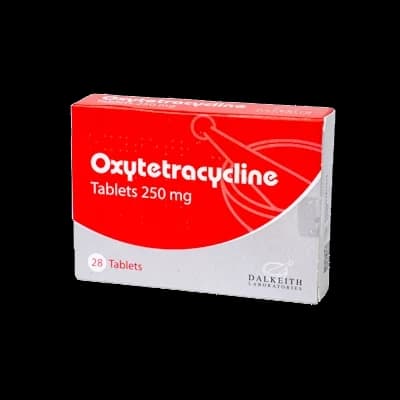

Select pack size & strength
Oxytetracycline
Select pack size & strength
*Your clinician will recommend the right strength and quantity for you during the consultation.
Treatment$57.58
Shipping & import duties$20.00
Total if approved$77.58
How it works
Similar Treatments
Oxytetracycline Alternatives
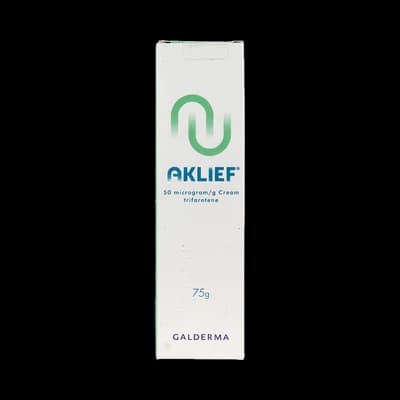
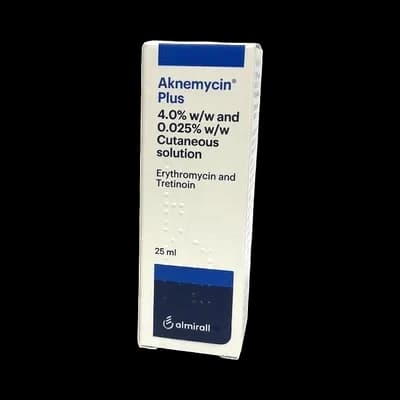
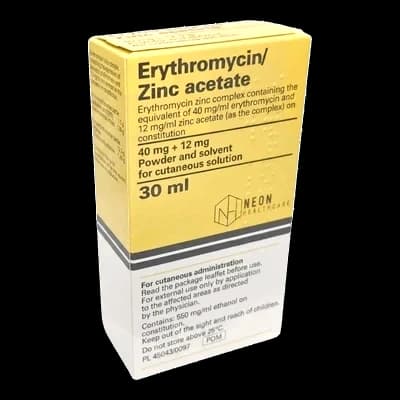
Order Online
Oxytetracycline Prices
| Brand/Generic | Form | Dosage | Quantity | Price | Delivery Cost | Consultation Cost |
|---|---|---|---|---|---|---|
| OxytetracyclineGeneric | Tablets | 250mg | 28 | $57.58 | $0.00*(with Core+ Plan) | $0.00 |
Key facts about Oxytetracycline
Other Related Names or Treatments
Terramycin
About Oxytetracycline
Oxytetracycline is a tetracycline antibiotic used for the treatment of bacterial infections. It is used for the treatment of infections caused by Mycoplasma pneumoniae, Escherichia coli, and Haemophilus influenzae (chest infections).
It is also used to treat infections caused by some types of bites, chlamydia, acne, rosacea and urinary tract infections. It works by stopping bacteria from producing essential proteins, without which the bacteria cannot grow.
NowPatient offers Oxytetracycline as a treatment for acne, following an online consultation with a prescribing clinician.
Key facts of Oxytetracycline
- Oxytetracycline is classed as a broad-spectrum antibiotic as it works against a wide range of infections
- Oxytetracycline can be taken up to 12 weeks for the treatment of acne
- Oxytetracycline has some common side effects which include an upset stomach and diarrhea
- It can be dangerous if you take Oxytetracycline with certain medications. If you’re not sure if it is safe, discuss this with the prescribing clinician
Who is Oxytetracycline not suitable for?
Oxytetracycline may not be suitable for some people. To make sure it’s safe for you, speak to the prescribing clinician before taking Oxytetracycline if you:
- Have had an allergic reaction to Oxytetracycline in the past
- Have kidney or liver disease
- Have porphyria
- Have systemic lupus erythematosus
- Have myasthenia gravis
- Have galactose intolerance, Lapp lactase deficiency, or glucose-galactose malabsorption
- Are pregnant or think you may be pregnant
- Are breast-feeding or plan to breast-feed. Oxytetracycline may pass into breast milk and harm a nursing baby
- Are under 12 years of age
How and where to get Oxytetracycline?
You can buy Oxytetracycline safely and securely from NowPatient. You can start a consultation today for free and if you qualify for treatment, you only pay for the cost of the medication. Delivery is made to your home or office from our registered pharmacy.
Our service is certified, safe and effective, and we only ever treat conditions. If you book a consultation with a prescribing clinician for the treatment of acne, you can discuss if Oxytetracycline is a suitable treatment option for you.
At the end of the consultation, the clinician will decide if a treatment plan is suitable for you. If it is, the clinician will issue you with a prescription which can then be ordered, paid for and delivered directly to your chosen address by NowPatient.
Dosage and strength for Oxytetracycline for acne
Oxytetracycline is available in tablet form when used for acne, it is available as 250mg tablets. The typical dose of Oxytetracycline is one tablet twice a day. Do not take more than prescribed by your healthcare provider.
Information about how to take Oxytetracycline for acne
Take Oxytetracycline tablets as directed by your doctor and read the patient information leaflet given to you. Take Oxytetracycline on an empty stomach, with a full glass of water.
Do not take Oxytetracycline with products that contain iron, zinc, or sodium bicarbonate or antacids containing aluminum, magnesium or calcium at the same time.
What happens if you take too much Oxytetracycline?
If you take more than prescribed, then it can lead to some unpleasant side effects.
You should talk to your doctor or reach out to one of our prescribing clinicians, if you have taken too much Oxytetracycline and you experience any side effects.
What are the side effects of Oxytetracycline?
Side effects of Oxytetracycline are split into common and serious.
Common side effects include:
- Upset stomach
- Vomiting
- Diarrhoea
Serious side effects include:
- Signs of liver problems such as dark urine, tiredness, stomach pain, loss of appetite, light-coloured stools, yellowing of the skin or eyes
- Unexplained bruising or bleeding
- Fever or chills
- Sore throat, trouble swallowing
- Mouth sores or irritation
- Vaginal dicharge or itching
- Difficulty urinating
- C diff–associated diarrhea which may lead to colitis
If you experience any serious side effects, you should contact NHS 111.
If you experience a serious allergic reaction with the signs shown below you should contact emergency services on 999.
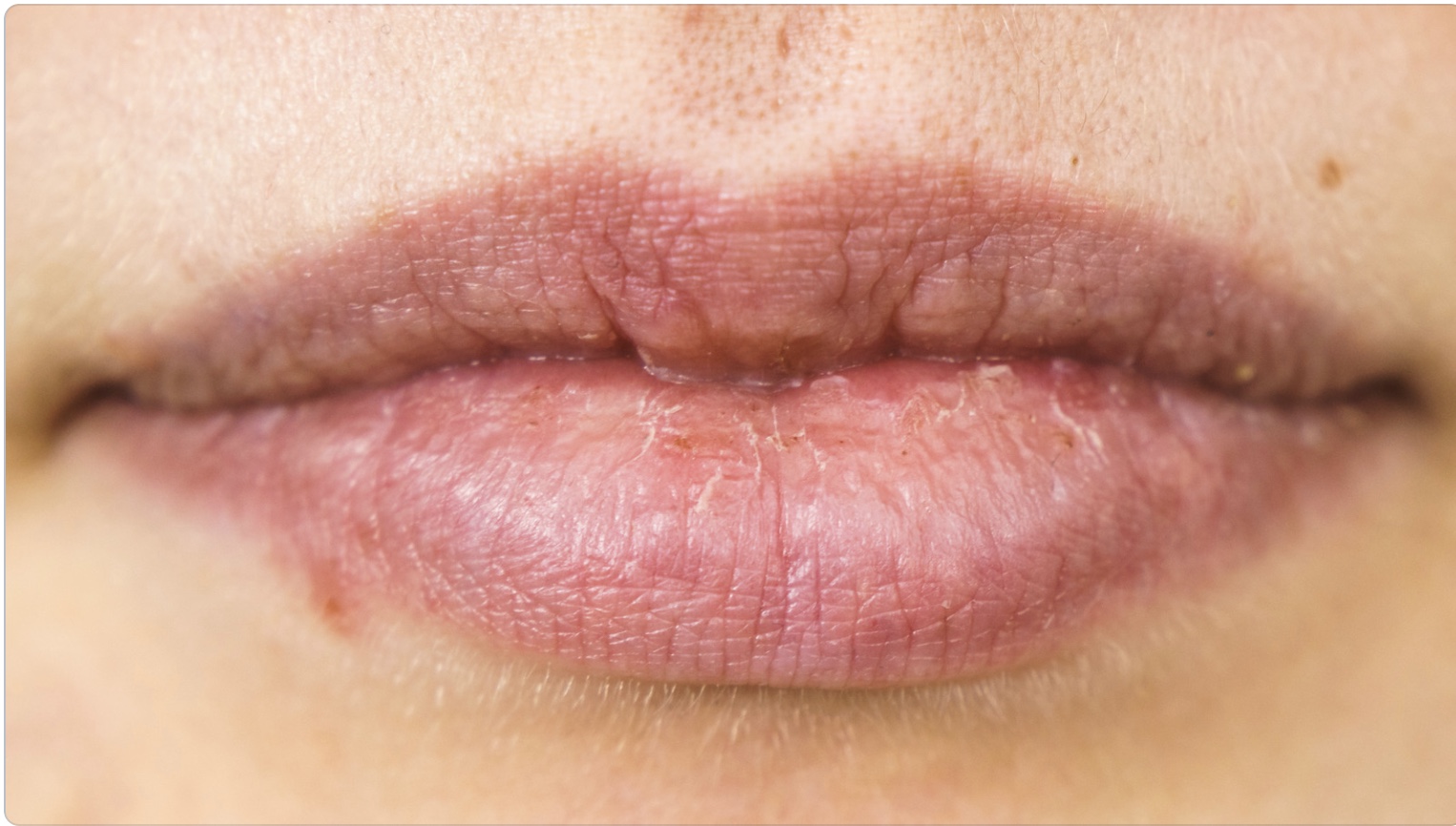
- Your lips, mouth, throat or tongue suddenly become swollen
- You’re breathing very fast or struggling to breathe (you may become very wheezy or feel like you’re choking or gasping for air)
- Your throat feels tight or you’re struggling to swallow
- Your skin, tongue or lips turn blue, grey or pale (if you have black or brown skin, this may be easier to see on the palms of your hands or soles of your feet)
- You suddenly become very confused, drowsy or dizzy
- Someone faints and cannot be woken up
Always report adverse effects to the MHRA yellow card reporting system. You can read more about this here How and where do I report side effects of my medication?
Information about taking Oxytetracycline at the same time as other medications or herbal supplements
There is not enough evidence to suggest there are any drug interactions between herbal supplements and Oxytetracycline. In any event, you should let your prescribing clinician know if you are taking any herbal supplements. Let your clinician know if you are taking:
- Penicillin-type antibiotics
- Retinoids
- Anticoagulants
- Vitamin A
- Oral contraceptives
- Diuretics
- Diabetic medicines
- Antacids
- Lithium
Why might Oxytetracycline not work for acne?
Oxytetracycline may not work for you and common reasons may be due to interactions with other medications such antacids, or certain foods such as dairy products.
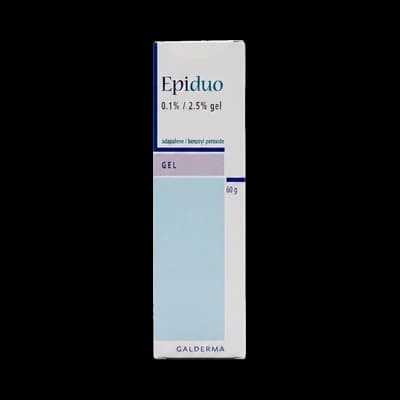
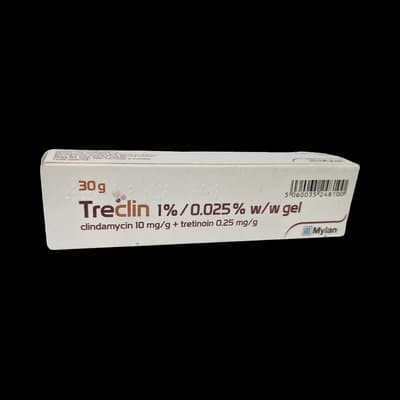
Guidelines recommend using topical acne treatments at the same time as Oxytetracycline for the best results when treating acne. Topical acne treatments include Epiduo gel, Treclin gel, or Zineryt lotion.
Can Oxytetracycline taken for acne be taken long term?
Oxytetracycline is normally prescribed for 12 weeks. Using it for longer periods may result in antibiotic resistance, causing treatment to be less effective.
Is there a herbal Oxytetracycline?
No. Herbal Oxytetracycline does not exist. If you have been marketed such a formulation, it may be fake.
Can women use Oxytetracycline?
Women can take Oxytetracycline for the treatment of acne. It is however not recommended if you are pregnant or breastfeeding.
Should I avoid any particular food or drink when taking Oxytetracycline?
Oxytetracycline absorption is adversely affected by dairy products. Take Oxytetracycline tablets one hour before, or two hours after a meal.
What lifestyle changes can I make to help me with acne?
You may modify your lifestyle in a number of ways to have a positive impact on your skin:
- Reduce stress
- Get good quality sleep
- Exercise
- Good hygiene
- Eat healthy
- Apply sunscreen
Alternatives for the treatment of acne
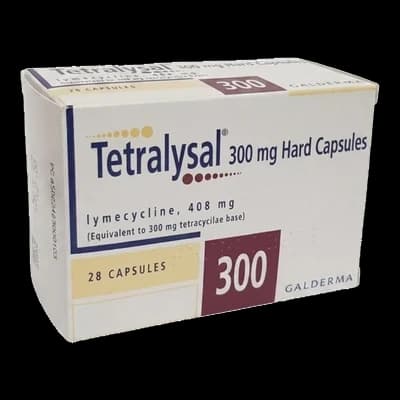
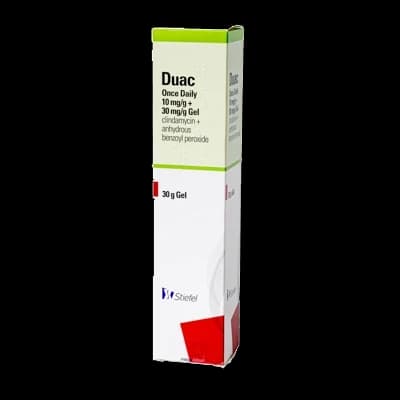
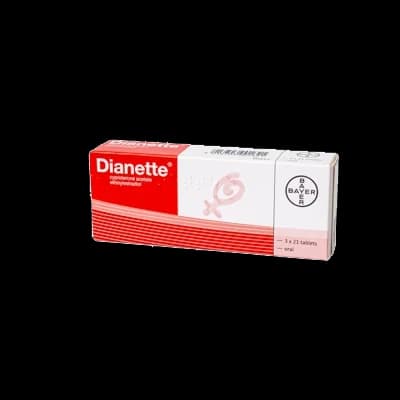
Alternatives for the treatment of acne include Dianette, Duac gel, Epiduo gel, Treclin gel, or Zineryt lotion.
Sources
FAQs
Answers to Popular Questions About Oxytetracycline
What is Oxytetracycline?
Oxytetracycline is a broad-spectrum tetracycline antibiotic used primarily in the UK for the treatment of acne vulgaris. It is also effective against a range of bacterial infections including rosacea, respiratory tract infections, and certain sexually transmitted infections. Oxytetracycline is available as 250 mg tablets and is a prescription-only medicine. It has been used for decades in acne treatment and remains a commonly prescribed first-line oral antibiotic for moderate inflammatory acne in UK general practice.
How does Oxytetracycline treat acne?
Oxytetracycline treats acne through both antibacterial and anti-inflammatory mechanisms. It inhibits the growth of Cutibacterium acnes by blocking bacterial protein synthesis at the 30S ribosomal subunit. Additionally, oxytetracycline has anti-inflammatory properties — it reduces the production of inflammatory mediators and suppresses the immune response in the skin that leads to red, inflamed spots. This dual action helps reduce the number and severity of inflammatory acne lesions. Improvement is typically seen after 6–8 weeks of consistent use.
How is Oxytetracycline different from Lymecycline and Doxycycline?
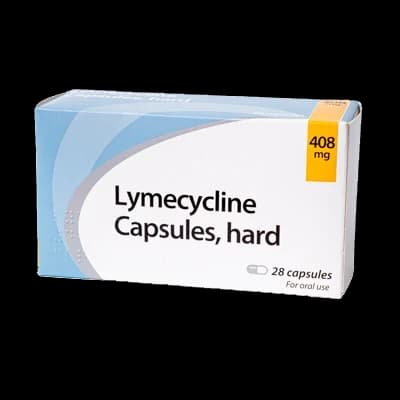
All three are tetracycline antibiotics used for acne, but they differ in dosing convenience and absorption. Oxytetracycline (250–500 mg twice daily) must be taken on an empty stomach for proper absorption, making it less convenient. Lymecycline (408 mg once daily) can be taken with or without food and has simpler dosing. Doxycycline (100 mg once daily) should be taken with food and has the broadest evidence base. NICE and BAD (British Association of Dermatologists) guidelines consider all three acceptable for acne; lymecycline and doxycycline are often preferred due to simpler dosing and fewer food restrictions.
What is the usual dose of Oxytetracycline for acne?
The usual dose of Oxytetracycline for acne is 500 mg twice daily (one 250 mg tablet twice daily, or one 500 mg tablet twice daily). Tablets must be taken on an empty stomach — at least 1 hour before food or 2 hours after food — with a full glass of water. Treatment is typically continued for at least 3 months (12 weeks) to assess effectiveness. Some patients may require 4–6 months of treatment. Your prescriber will review your progress regularly.
Why do I need to take Oxytetracycline on an empty stomach?
Oxytetracycline absorption is significantly reduced by food, particularly dairy products, calcium, iron, aluminium, and magnesium. These substances form insoluble complexes with the drug in the gut, preventing absorption. Taking Oxytetracycline on an empty stomach ensures adequate blood levels for therapeutic effectiveness. This is one of the main practical disadvantages of Oxytetracycline compared to Lymecycline or Doxycycline, which have fewer food restrictions.
What are the common side effects of Oxytetracycline?
Common side effects include nausea, vomiting, diarrhoea, and abdominal discomfort — these are more likely if taken with food or dairy. Oral and vaginal thrush (candidiasis) can occur due to disruption of normal bacterial flora. Photosensitivity (increased sun sensitivity) is a well-known tetracycline side effect — use SPF 30+ sunscreen and avoid prolonged sun exposure. Oesophageal irritation can occur if tablets are not swallowed with enough water. Headache and dizziness are occasionally reported.
Can Oxytetracycline cause permanent side effects?
Oxytetracycline can cause permanent tooth discolouration in children and should not be used in those under 12 years or during pregnancy. In adults, permanent effects are very rare. Rarely, tetracyclines have been associated with benign intracranial hypertension (pseudotumour cerebri) causing persistent headache and visual disturbance — this is usually reversible if the drug is stopped promptly but can cause permanent visual impairment if not recognised. If you experience persistent headaches or blurred vision, stop Oxytetracycline and seek urgent medical attention.
What medications interact with Oxytetracycline?
Key interactions include antacids containing aluminium, calcium, or magnesium; iron supplements; zinc supplements — all reduce absorption (separate doses by 2–3 hours). Warfarin’s effect may be enhanced. Oral retinoids (isotretinoin) should not be co-prescribed due to the risk of benign intracranial hypertension. Rifampicin, carbamazepine, and phenytoin may reduce Oxytetracycline levels. The oral typhoid vaccine should be completed before starting. Oxytetracycline does not reduce the effectiveness of hormonal contraceptives according to current FSRH guidance.
How can I get a prescription for Oxytetracycline?
You can get an Oxytetracycline prescription from your GP or through an online prescribing service such as NowPatient. Your doctor will assess the type and severity of your acne and may recommend Oxytetracycline alongside topical treatments such as benzoyl peroxide or a topical retinoid. NowPatient provides a convenient online consultation where a UK prescriber can evaluate your acne and prescribe the most appropriate antibiotic.
Can I take Oxytetracycline during pregnancy?
No, Oxytetracycline must not be taken during pregnancy as tetracyclines can cause permanent discolouration of the baby’s teeth and affect bone development. It is also contraindicated during breastfeeding as it is excreted in breast milk. If you become pregnant while taking Oxytetracycline for acne, stop the medication immediately and inform your doctor. Safe alternative treatments for acne in pregnancy include topical benzoyl peroxide, azelaic acid, and certain topical antibiotics (erythromycin).
Related Articles


















Your health shouldn’t wait.
Consultations, prescriptions, medication delivery, health monitoring – all in one place.

Don’t take our word for it
Wow! Excellent customer service. I submitted an email query, had a call…
Alison Hurst
I do not leave reviews, due to time and a rare condition I have. I…
Sherry M
Great experience getting the med. Clinician was very thorough.
Barbara Hill
Cannot speak highly enough of the service and assistance I have…
CJH
Very good experience - the clinician asked intelligent questions about…
Phil Daoust
Really excellent. Very thorough and professional pharmacist who guided…
Colin Glass
Meet our medical team
We are a broad skilled and passionate group of clinicians with experience of operating in regulated health systems in the United Kingdom & United States. Providing excellent care and advice is at the heart of everything we do.