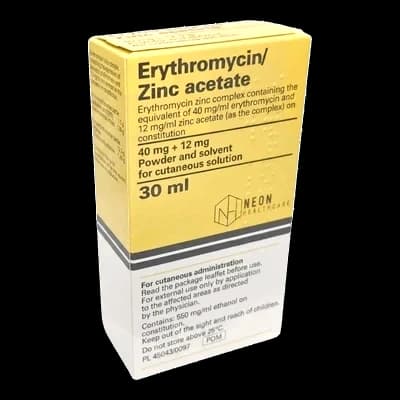
Buy Erythromycin/Zinc Acetate Online
Book a quick face-to-face video consultation with a certified prescribing pharmacist, nurse, or doctor. If approved, your Erythromycin/Zinc Acetate will be prescribed* and delivered straight to your door with tracked delivery. No hidden fees. No delays. Just expert care.
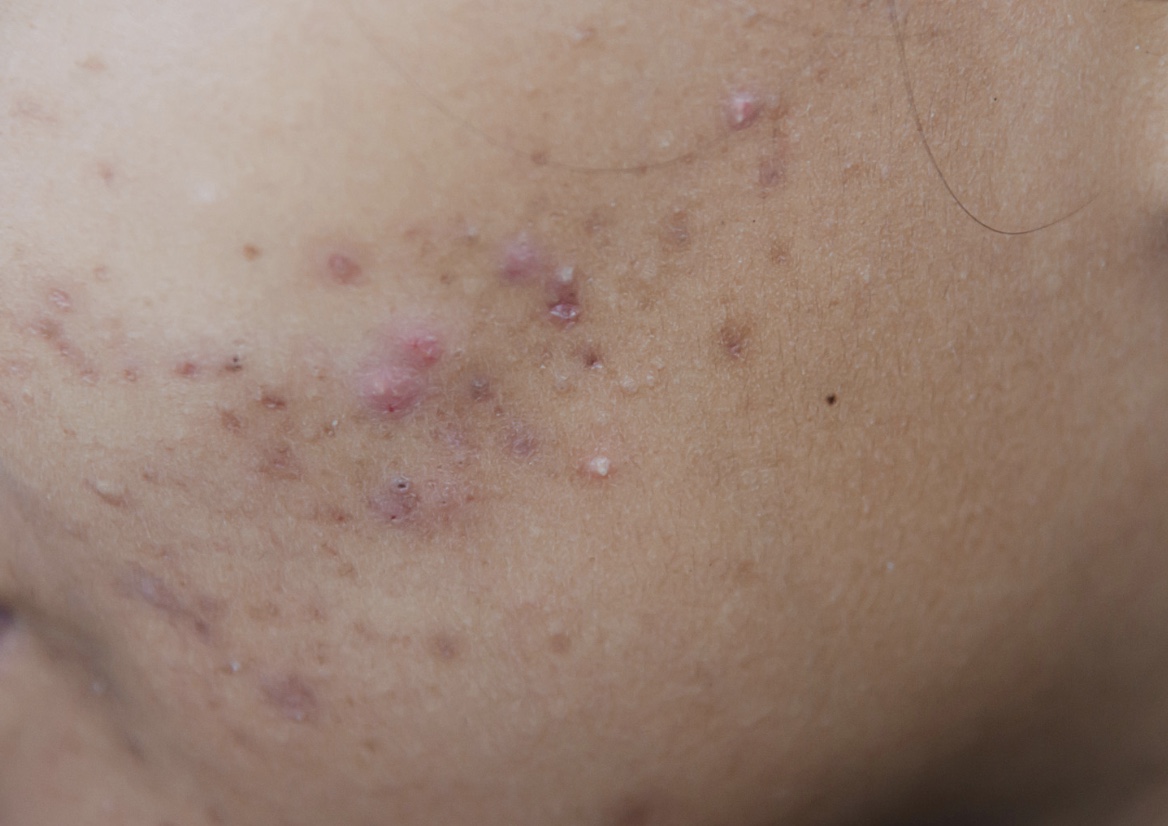
Erythromycin/Zinc Acetate is indicated for the treatment of Acne.
*Includes Free Private Prescription & Consultation.
Manufactured by Neon Healthcare Ltd.

Select pack size & strength
Erythromycin/Zinc Acetate
Select pack size & strength
*Your clinician will recommend the right strength and quantity for you during the consultation.
Treatment$53.28
Shipping & import duties$20.00
Total if approved$73.28
How it works
Similar Treatments
Erythromycin/Zinc Acetate Alternatives
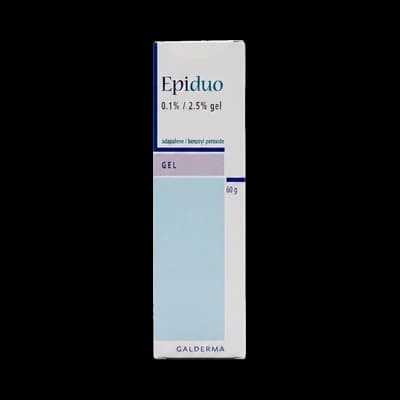
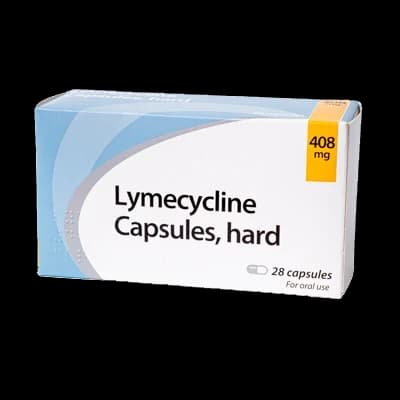
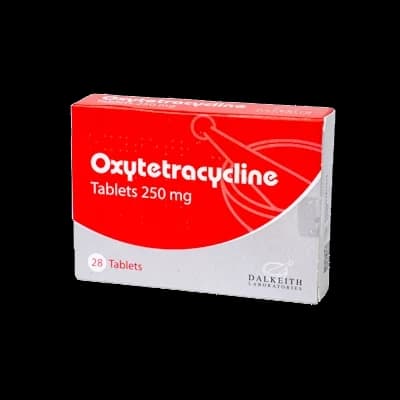
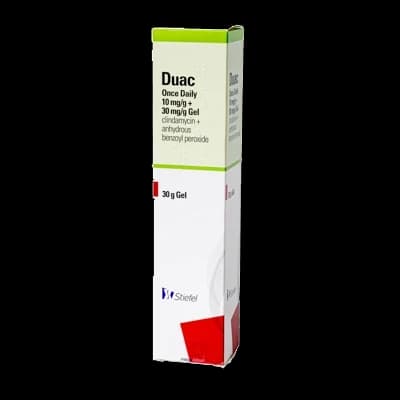
Order Online
Erythromycin/Zinc Acetate Prices
| Brand/Generic | Form | Dosage | Quantity | Price | Delivery Cost | Consultation Cost |
|---|---|---|---|---|---|---|
| Erythromycin/Zinc AcetateGeneric | Powder and solvent for cutaneous solution | 40mg/12mg | 30ml | $53.28 | $0.00*(with Core+ Plan) | $0.00 |
Key facts about Erythromycin/Zinc Acetate
Erythromycin/Zinc Acetate dihydrate is a topical antibacterial used in children, adults and the elderly to treat different types of acne, such as hormonal and cystic acne. It is also used to treat rosacea, seborrheic dermatitis, and secondary bacterial infections of atopic dermatitis
Erythromycin and zinc acetate dihydrate are also the active ingredients in the branded version, Zineryt lotion, which also contains diisopropyl sebacate and ethanol, as inactive ingredients.
People who suffer with acne produce excess sebum, which certain bacteria (Propionibacterium) feed on, causing skin inflammation and infection. Erythromycin is an antibiotic that blocks the bacteriums ability to produce proteins essential for their production, thereby reducing the number of acne-causing bacteria on your skin. Zinc acetate has skin healing properties.
NowPatient offers Erythromycin/Zinc Acetate dihydrate as a treatment for acne only, following an online consultation with a prescribing clinician.
Key facts of Erythromycin/Zinc Acetate
- For the topical treatment of acne vulgaris
- You may apply Erythromycin/Zinc Acetate to the skin on your face, back or chest, helping to clear spots, blackheads and whiteheads
- Erythromycin/Zinc Acetate can be used for a period of 8 to 12 weeks
- Erythromycin/Zinc Acetate has some common side effects which include redness and skin irritation
- It can be dangerous if you use Erythromycin/Zinc Acetate with certain medications. If you’re not sure if it is safe, discuss this with the prescribing clinician
- Erythromycin/Zinc Acetate may be used during pregnancy and breastfeeding
Who is Erythromycin/Zinc Acetate suitable for?
Erythromycin/Zinc Acetate is suitable for children, adults and the elderly.
Who is Erythromycin/Zinc Acetate not suitable for?
Erythromycin/Zinc Acetate may not be suitable if you are allergic to erythromycin or any of the macrolide antibiotics. To make sure it’s safe for you, speak to the prescribing clinician before using it.
How and where to get Erythromycin/Zinc Acetate?
You can buy Erythromycin/Zinc Acetate safely and securely from NowPatient. You can start a consultation today for free and if you qualify for treatment, you only pay for the cost of the medication. Delivery is made to your home or office from our registered pharmacy.
Our service is certified, safe and effective, and we only ever treat conditions. If you book a consultation with a prescriber clinician for the treatment of acne, you can discuss if Erythromycin/Zinc Acetate is a suitable treatment option for you.
At the end of the consultation, the clinician will decide if a treatment plan is suitable for you. If it is, the clinician will issue you with a prescription which can then be ordered, paid for and delivered directly to your chosen address by NowPatient.
Dosage and strength for Erythromycin/Zinc Acetate for acne
Erythromycin/Zinc Acetate is available as a solution when used for the treatment of acne. It is available as erythromycin 40 mg and zinc acetate dihydrate 12 mg per ml.
Information about how to use Erythromycin/Zinc Acetate for acne
Before applying Erythromycin/Zinc Acetate, wash and dry the affected area as well as your hands. Apply Erythromycin/Zinc Acetate thinly, twice each day, using the applicator pad on the bottle. Wash off excess Erythromycin/Zinc Acetate topical solution with lukewarm water or if it comes in contact with your eyes, mouth, or the inside of your nose.
Make sure you read the instructions in the patient information leaflet (PIL) provided to you by the healthcare professional before you start using Erythromycin/Zinc Acetate.
What happens if you use too much Erythromycin/Zinc Acetate?
If you use more than prescribed, it can lead to some unpleasant side effects. You should talk to your doctor or reach out to one of our prescribing clinicians, if you have used too much Erythromycin/Zinc Acetate and you experience any side effects.
What are the side effects of Erythromycin/Zinc Acetate?
Side effects of Erythromycin/Zinc Acetate are split into common and serious.
Common side effects include:
- Temporary stinging
- Skin irritation
- Dry skin
- Redness where the treatment is applied
Serious side effects include:
- Breathlessness
- Coughing
- Difficulty breathing
- Red scaly rash
If you experience any serious side effects, you should contact NHS 111.
If you experience a serious allergic reaction with the signs shown below you should contact emergency services on 999.
- Your lips, mouth, throat or tongue suddenly become swollen
- You’re breathing very fast or struggling to breathe (you may become very wheezy or feel like you’re choking or gasping for air)
- Your throat feels tight or you’re struggling to swallow
- Your skin, tongue or lips turn blue, grey or pale (if you have black or brown skin, this may be easier to see on the palms of your hands or soles of your feet)
- You suddenly become very confused, drowsy or dizzy
- Someone faints and cannot be woken up
Always report adverse effects to the MHRA yellow card reporting system. You can read more about this here How and where do I report side effects of my medication?
Information about using Erythromycin/Zinc Acetate at the same time as other medications or herbal supplements
There is not enough evidence to suggest there are any drug interactions between herbal supplements and Erythromycin/Zinc Acetate. In any event, you should let your prescribing clinician know if you are taking any herbal supplements.
Why might Erythromycin/Zinc Acetate not work for acne?
Erythromycin/Zinc Acetate may not work for you. A common reason may be the bacteria may have developed resistance to the antibiotic if Erythromycin/Zinc Acetate is used too often. For this reason, Erythromycin/Zinc Acetate is only used for 8-12 weeks for each course of treatment.
Can Erythromycin/Zinc Acetate used for acne be used long-term?
The recommended course of treatment for Erythromycin/Zinc Acetate is a minimum of 10-12 weeks. Courses of treatment for fewer than 10 weeks are less effective. Longer courses of treatment are not recommended due to the increased risk of bacterial resistance developing.
Is there a herbal Erythromycin/Zinc Acetate?
No. Herbal Erythromycin/Zinc Acetate does not exist. If you have been marketed such a formulation, it may be fake.
Can women use Erythromycin/Zinc Acetate?
Women can use Erythromycin/Zinc Acetate for the treatment of acne. It can be used during pregnancy, unlike most acne treatments. Erythromycin/Zinc Acetate can also be used while breastfeeding, but should not be used on the chest area.
Should I avoid any particular food or drink when using Erythromycin/Zinc Acetate?
You can eat and drink normally when using Erythromycin/Zinc Acetate.
What lifestyle changes can I make to help me with acne?
Lifestyle changes you can make include:
- Not washing affected areas of skin more often than twice a day as this may irritate your skin and make spots worse
- Washing affected skin with a mild soap or cleanser and lukewarm water
- Never squeeze spots as this can cause permanent scars
- Not to use too much make-up or cosmetics and use water-based make-up and toiletries that are less likely to block skin pores
Alternatives to Erythromycin/Zinc Acetate
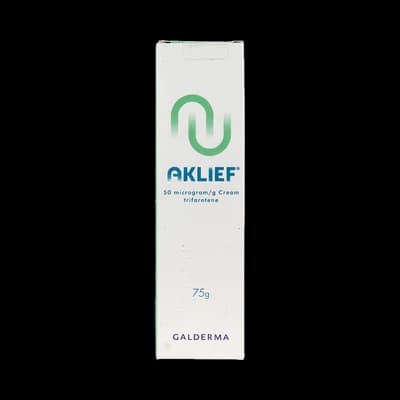
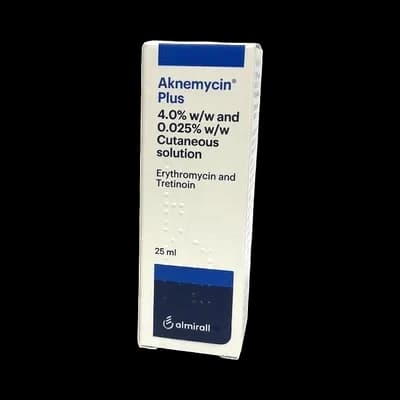
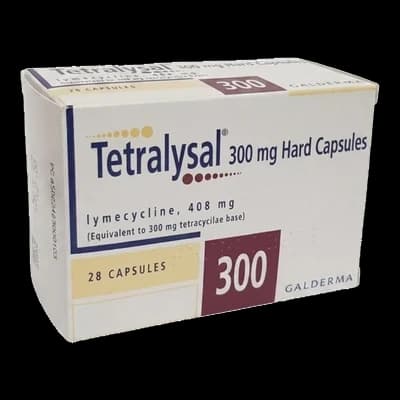
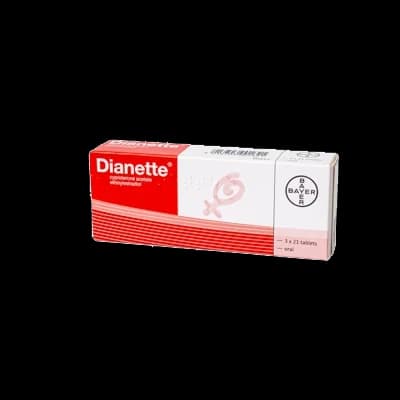
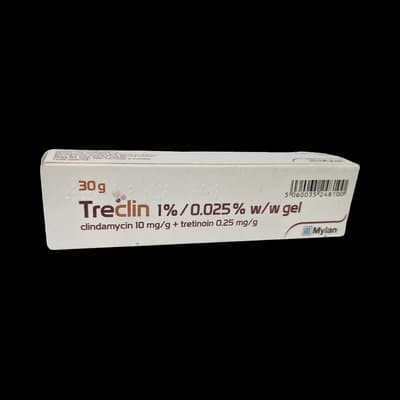
Alternatives for the treatment of acne include Duac gel (clindamycin and benzoyl peroxide), Differin (adapalene), Treclin gel, Epiduo, lymecycline, tretinoin and oxytetracycline.
Sources
FAQs
Answers to Popular Questions About Erythromycin/Zinc Acetate
What is Erythromycin/Zinc Acetate topical solution?
Erythromycin/Zinc Acetate topical solution (branded as Zineryt) is a prescription topical treatment for acne vulgaris. It contains erythromycin 4% (a macrolide antibiotic) combined with zinc acetate 1.2%. The solution is supplied as a powder and solvent that are mixed together before use. The combination of antibiotic and zinc provides antibacterial, anti-inflammatory, and comedolytic effects. It is applied directly to acne-affected skin and is one of several topical antibiotic options for mild to moderate acne.
How does Erythromycin/Zinc Acetate work?
Erythromycin kills acne-causing bacteria (Cutibacterium acnes) by inhibiting bacterial protein synthesis. Zinc acetate enhances the antibacterial effect of erythromycin, has anti-inflammatory properties that reduce redness and swelling, and helps reduce sebum production. The zinc component also helps slow the development of bacterial resistance to erythromycin, which is an increasing concern with topical antibiotics used alone.
How do I use Erythromycin/Zinc Acetate solution?
Mix the powder and solvent as directed in the package. Apply the solution to the affected areas of skin twice daily (morning and evening) after washing and drying the face. Use the applicator provided to apply a thin film over the acne-affected area, not just individual spots. Treatment courses are typically 10–12 weeks. BNF guidance recommends that topical antibiotics for acne should not be used for longer than 12 weeks and should ideally be combined with a topical retinoid or benzoyl peroxide to reduce antibiotic resistance.
What are the side effects of Erythromycin/Zinc Acetate solution?
Side effects are generally mild and localised. Common effects include skin dryness, mild stinging or burning on application, and skin irritation. Some patients notice a slight tightening or dryness of the skin. Allergic contact dermatitis is uncommon. The solution has a slightly drying effect which can be beneficial for oily skin. If significant irritation develops, reduce application to once daily or consult your prescriber.
How can I get Erythromycin/Zinc Acetate solution?
Erythromycin/Zinc Acetate solution (Zineryt) requires a prescription from your GP, dermatologist, or online prescriber such as NowPatient. It is available on the NHS. Your prescriber should consider combining it with a non-antibiotic topical agent (such as benzoyl peroxide or a retinoid) to reduce the risk of antibiotic resistance.
Related Articles







Your health shouldn’t wait.
Consultations, prescriptions, medication delivery, health monitoring – all in one place.

Don’t take our word for it
Wow! Excellent customer service. I submitted an email query, had a call…
Alison Hurst
I do not leave reviews, due to time and a rare condition I have. I…
Sherry M
Great experience getting the med. Clinician was very thorough.
Barbara Hill
Cannot speak highly enough of the service and assistance I have…
CJH
Very good experience - the clinician asked intelligent questions about…
Phil Daoust
Really excellent. Very thorough and professional pharmacist who guided…
Colin Glass
Meet our medical team
We are a broad skilled and passionate group of clinicians with experience of operating in regulated health systems in the United Kingdom & United States. Providing excellent care and advice is at the heart of everything we do.