They’re annoying and they really don’t look great. They can stop you from looking your best and can even lead to some more serious forms of acne if they become infected. Yes, we’re talking about blackheads.


They’re annoying and they really don’t look great. They can stop you from looking your best and can even lead to some more serious forms of acne if they become infected. Yes, we’re talking about blackheads.
So what can you do about them? A fair bit actually. Here we’ll tell you all you need to know about blackheads. We’ll run through what they are, how to get rid of blackheads, and how to prevent them from forming in the first place.
Blackheads look like small round black pimples on your skin. Sometimes they lie flat and sometimes they’re raised. They’re usually small – around the size of the head of a pin – but can become larger. Some people can get impressively big blackheads. Not always what you want though hey?
They usually form on your face, particularly on and around your nose. But they can form in other places too including your ears, chin, neck, chest, back, shoulders, and arms.
First things first. If you want to learn how to get rid of blackheads you need to know why you get them. So why do we get blackheads?
You get them when the follicles in your skin become clogged and blocked. Each follicle produces one hair, but they also contain a gland that produces an oil which is called sebum. Sebum keeps your skin healthy but it can block your follicles, particularly if they produce too much. Other substances including dead skin cells, bacteria, and skincare products can also block your follicles alongside it.
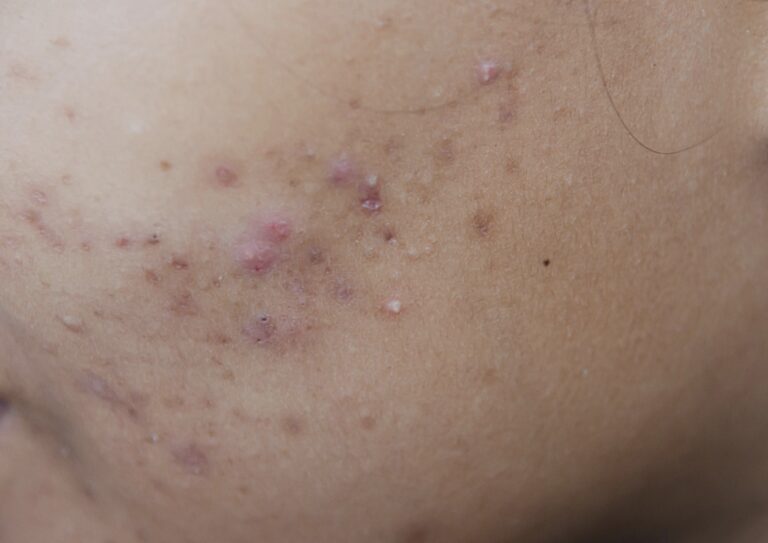
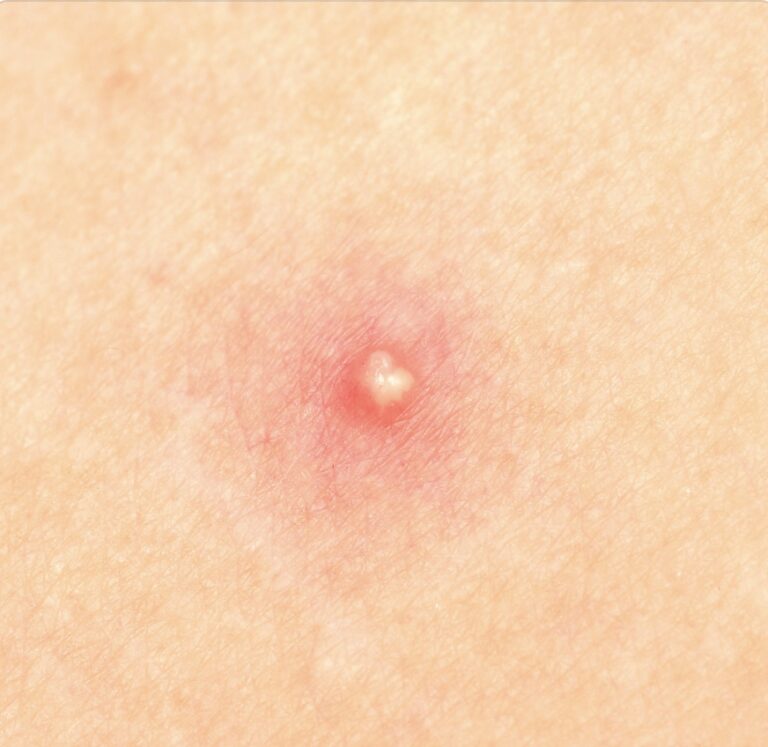
Blocked follicles either form whiteheads or blackheads. You get whiteheads when a blocked follicle closes over and you get blackheads when the follicle stays open, as the oil and other gunk inside reacts with air which causes it to turn black. Outbreaks of blackheads are actually a mild form of acne. They can lead to more severe acne if the pimples become infected by bacteria.
Are you asking yourself, “why do I have so many blackheads?”. Well, your risk of developing blackheads increases if:
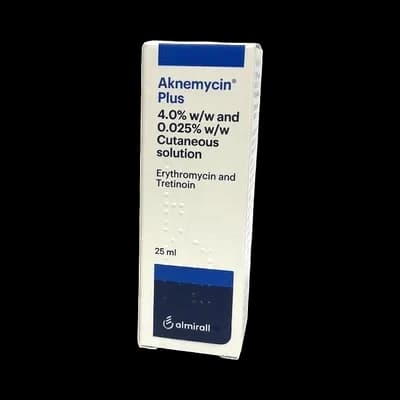
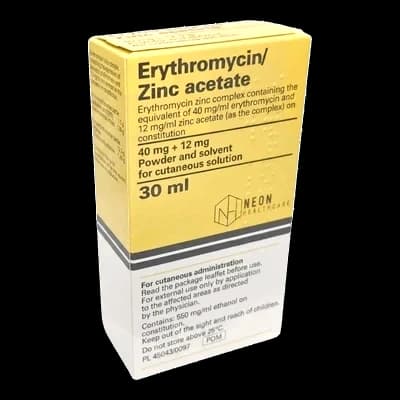
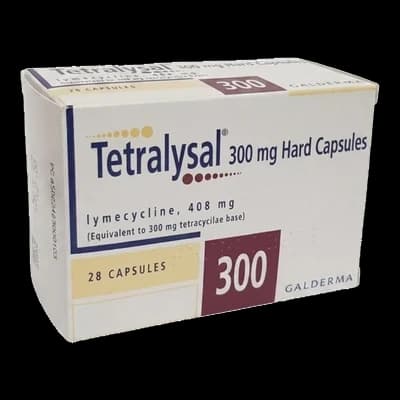
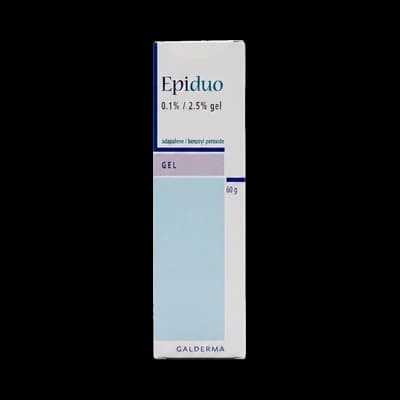
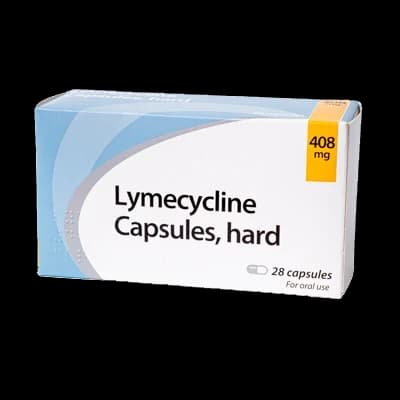
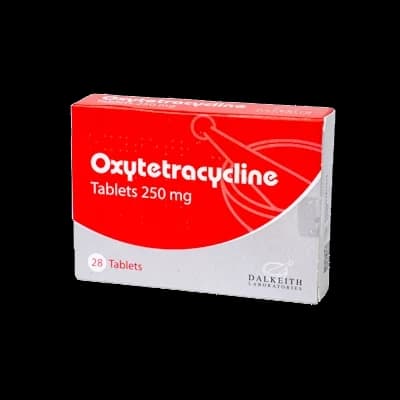
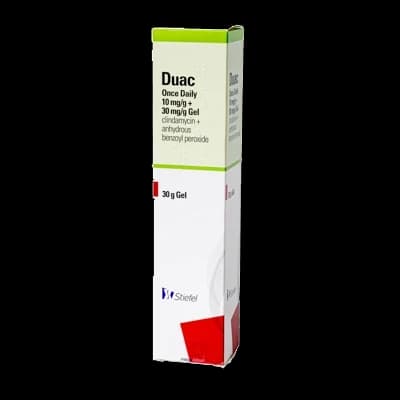
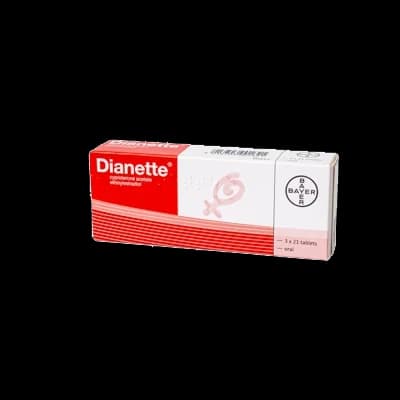
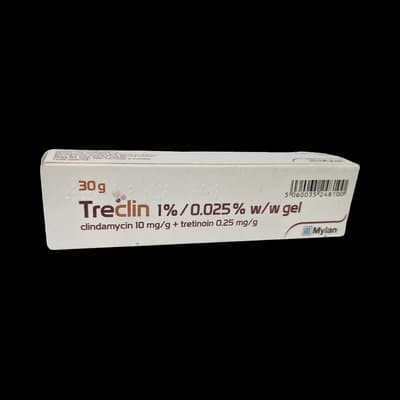
You can buy a range of blackhead treatments suitable for milder outbreaks of blackheads over the counter. More stubborn outbreaks may require prescription and professional treatments. You should consider:
The best treatment for blackheads is to stop them from forming in the first place. The good news is you don’t need to spend money on expensive treatments or products. You can do it by adding the following to your daily routine:
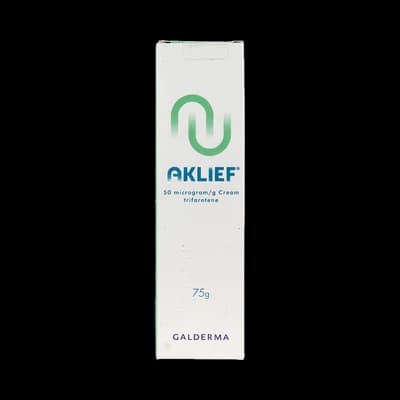
You can treat blackheads with a range of products, particularly skincare products that contain salicylic acid, azelaic acid, or retinoids. If these don’t get rid of your blackheads don’t try to manually remove them yourself by picking or squeezing them. See a dermatologist and they can remove deep blackheads for you safely.
Blackhead vacuums do work for some people and work particularly well for milder outbreaks of blackheads. However, using blackhead vacuums with too much force can damage your skin and burst blood vessels. Make sure you learn how to use a blackhead remover first. Try a skin product that contains a retinoid for more stubborn blackheads.
Sunlight can dry out your skin which can initially make it look as if your blackheads are improving. But your skin quickly fights back and increases the amount of oil produced. This is only going to make your blackheads worse. Rather than putting your hopes on sunlight, opt for over-the-counter or prescription acne treatments or see a dermatologist.
Now is the time to make blackheads a thing of the pas
NowPatient has taken all reasonable steps to ensure that all material is factually accurate, complete, and current. However, the knowledge and experience of a qualified healthcare professional should always be sought after instead of using the information on this page. Before taking any drug, you should always speak to your doctor or another qualified healthcare provider.
The information provided here about medications is subject to change and is not meant to include all uses, precautions, warnings, directions, drug interactions, allergic reactions, or negative effects. The absence of warnings or other information for a particular medication does not imply that the medication or medication combination is appropriate for all patients or for all possible purposes.