Buy Aklief Online
Book a quick face-to-face video consultation with a certified prescribing pharmacist, nurse, or doctor. If approved, your Aklief will be prescribed* and delivered straight to your door with tracked delivery. No hidden fees. No delays. Just expert care.
Aklief is indicated for the treatment of Acne.
*Includes Free Private Prescription & Consultation.
Manufactured by Galderma.
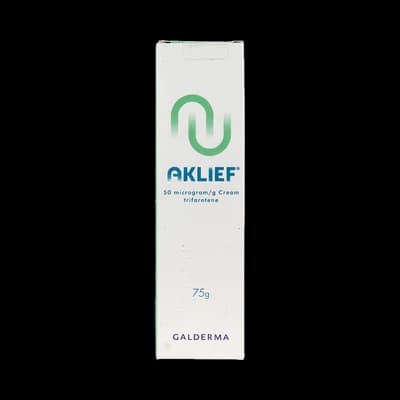

Select pack size & strength
Aklief
Select pack size & strength
*Your clinician will recommend the right strength and quantity for you during the consultation.
Treatment$84.58
Shipping & import duties$20.00
Total if approved$104.58
How it works
Similar Treatments
Aklief Alternatives
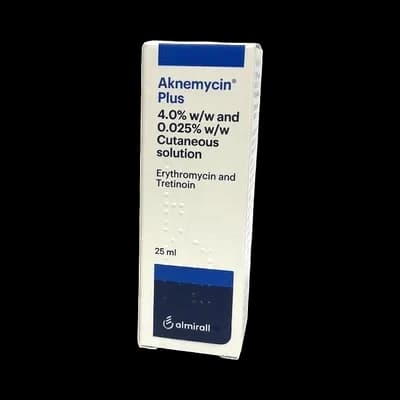
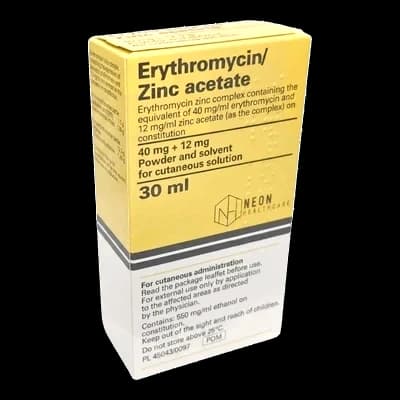
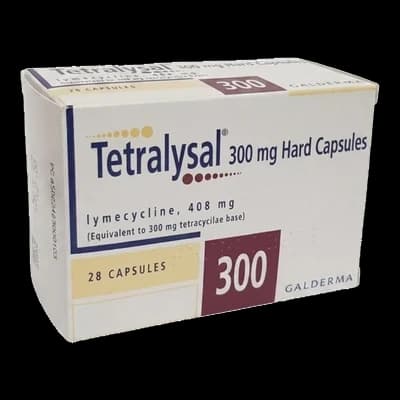
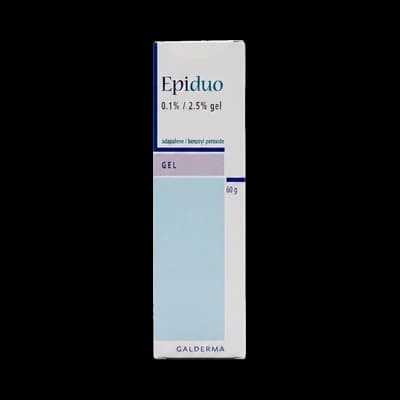
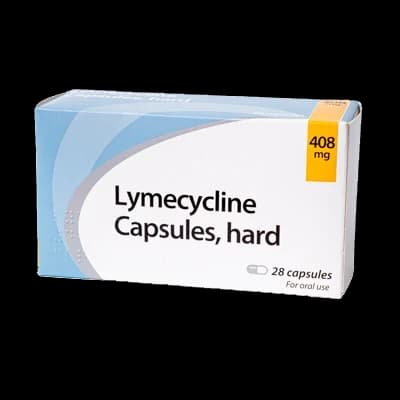
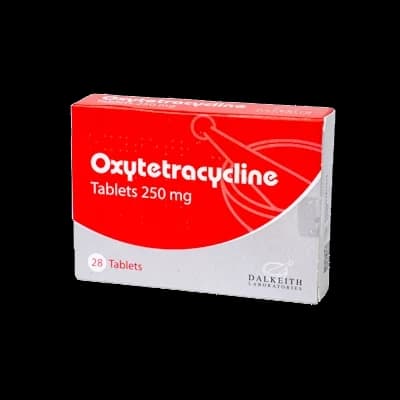
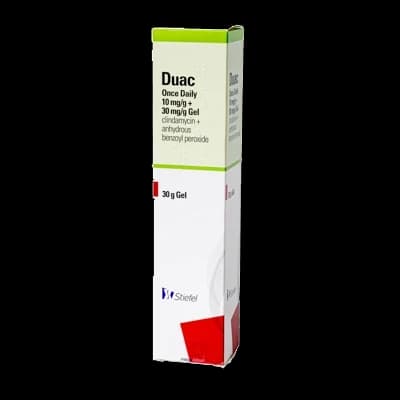
Order Online
Aklief Prices
| Brand/Generic | Form | Dosage | Quantity | Price | Delivery Cost | Consultation Cost |
|---|---|---|---|---|---|---|
| AkliefBrand | Cream | 50mcg/g | 75 grams | $84.58 | $0.00*(with Core+ Plan) | $0.00 |
Key facts about Aklief
Other Related Names or Treatments
About Aklief
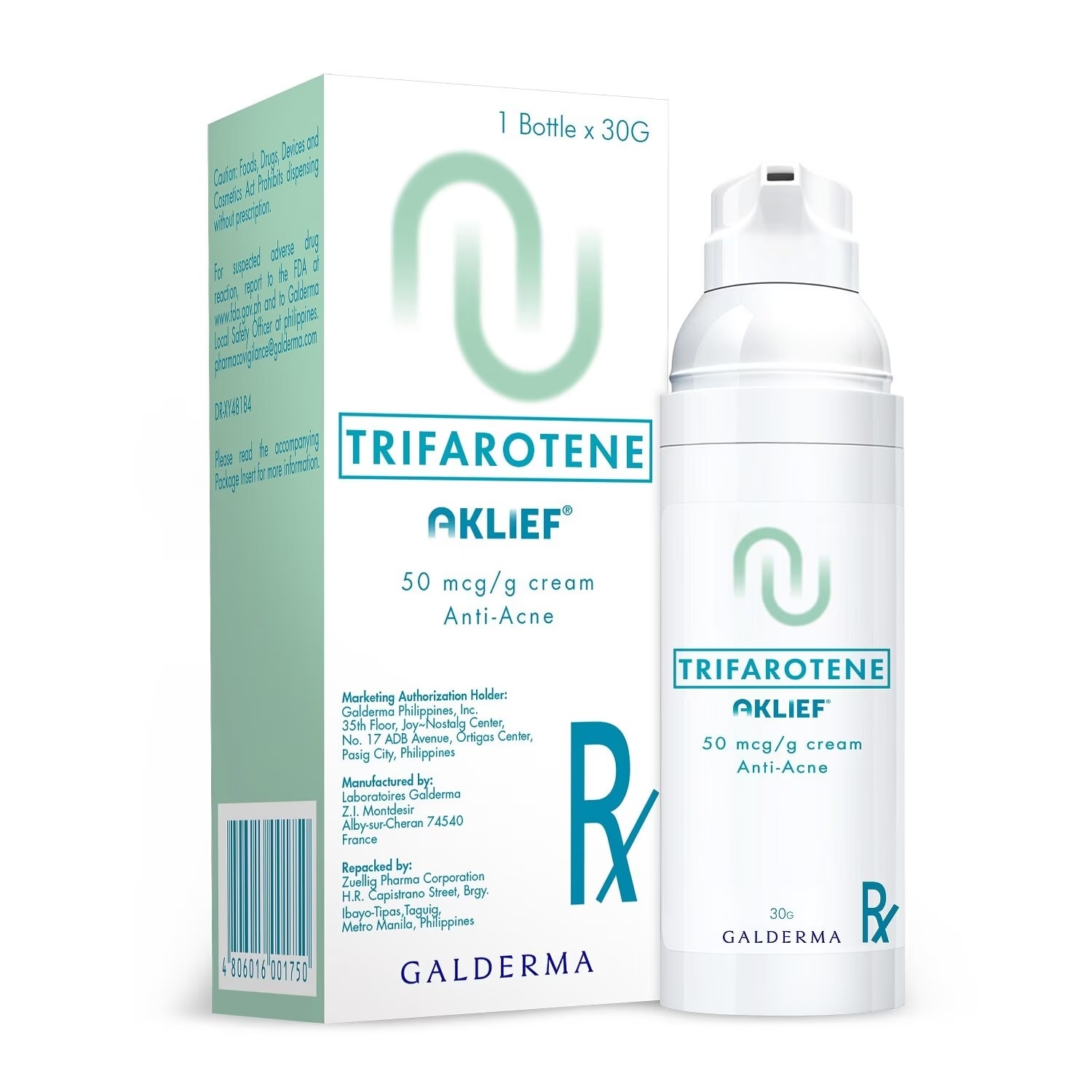
Aklief contains the active ingredient trifarotene, a new fourth-generation topical retinoid specifically developed to treat acne. It is applied once daily to the affected areas of the face and/or trunk. Aklief is available as a cream formulation and is designed for use in individuals aged 12 years and older.
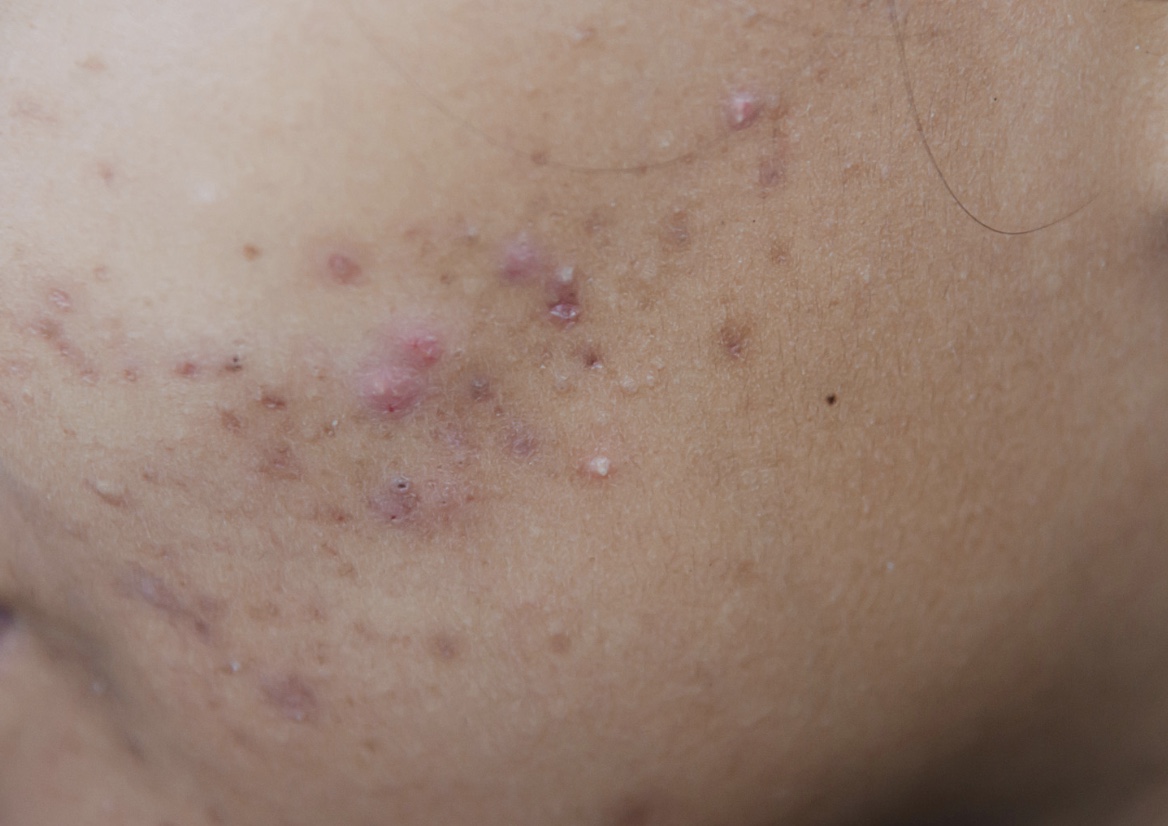
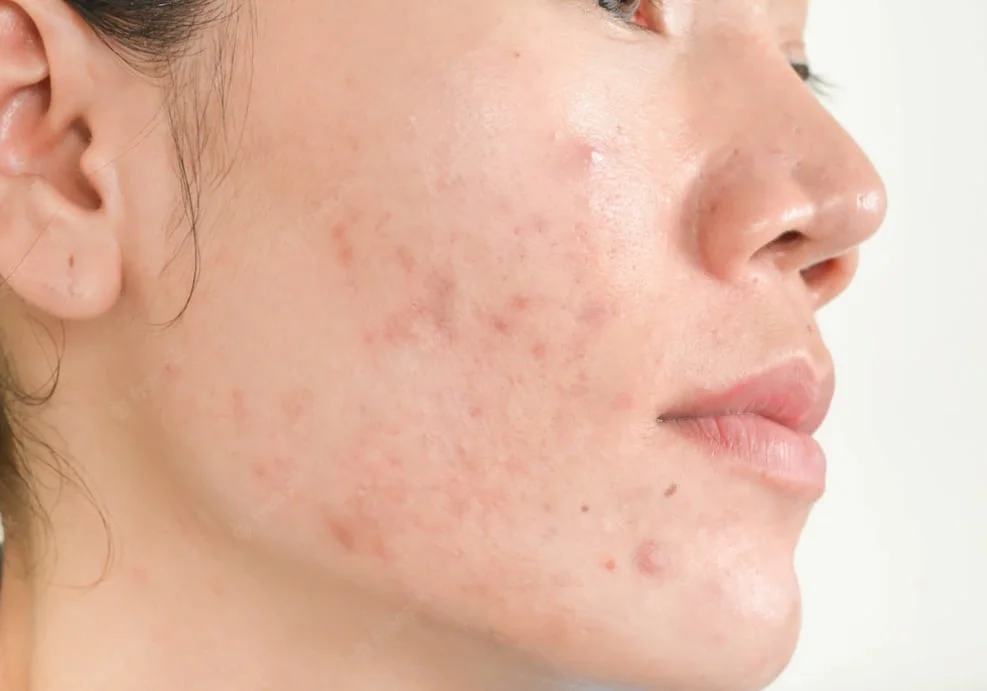
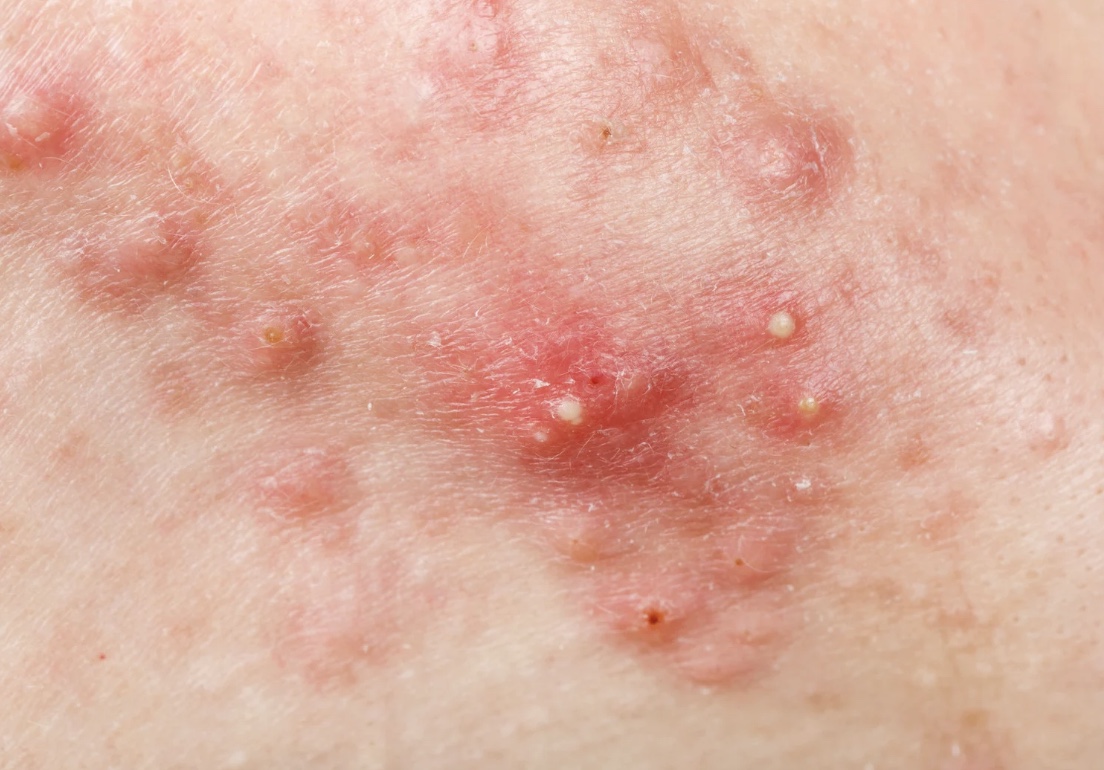
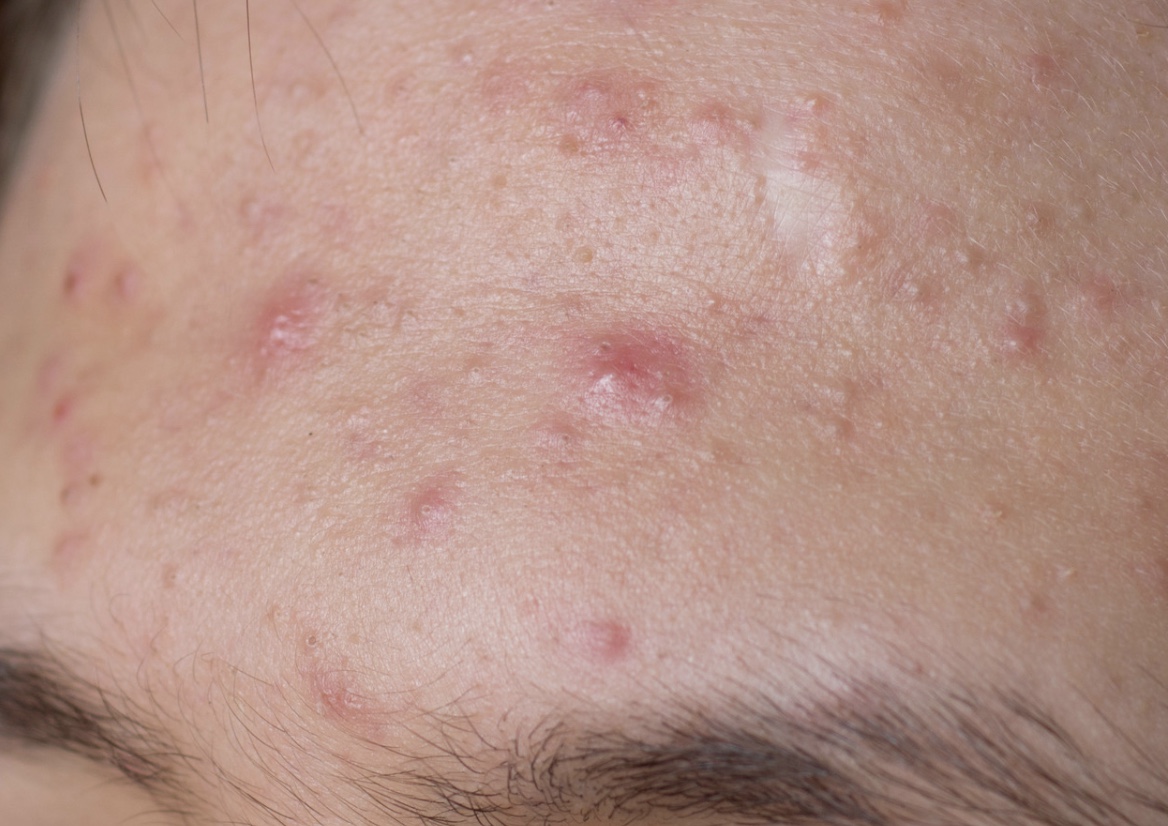
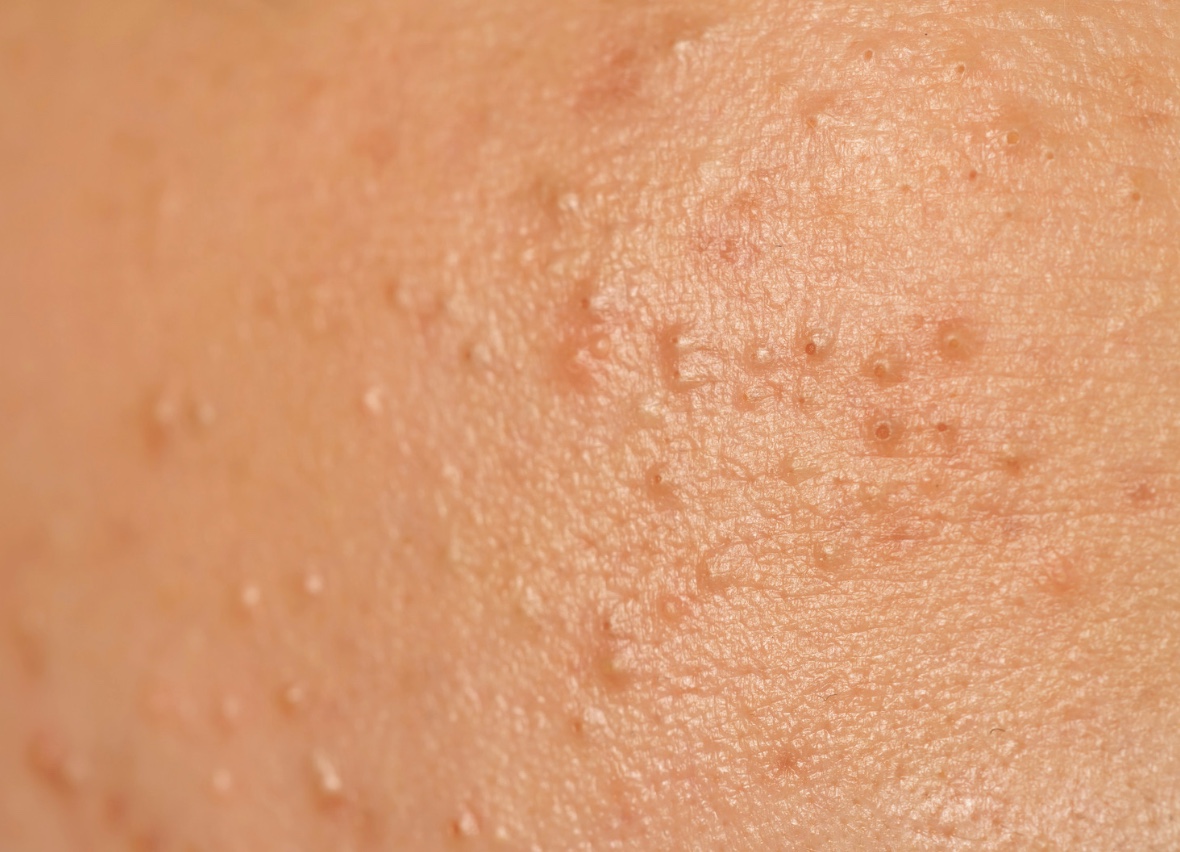
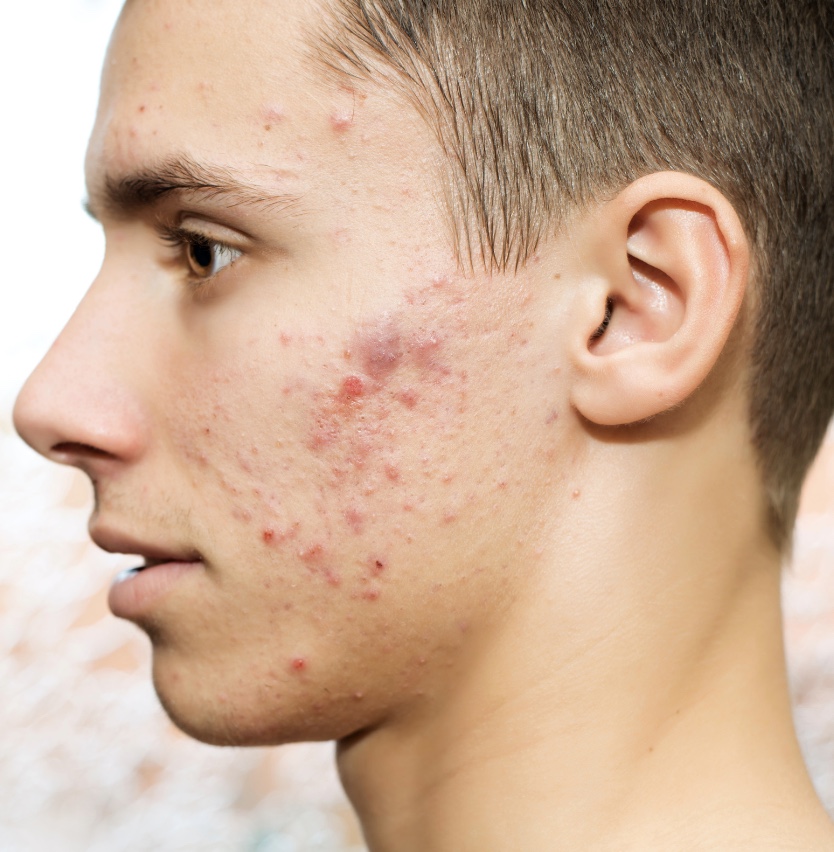
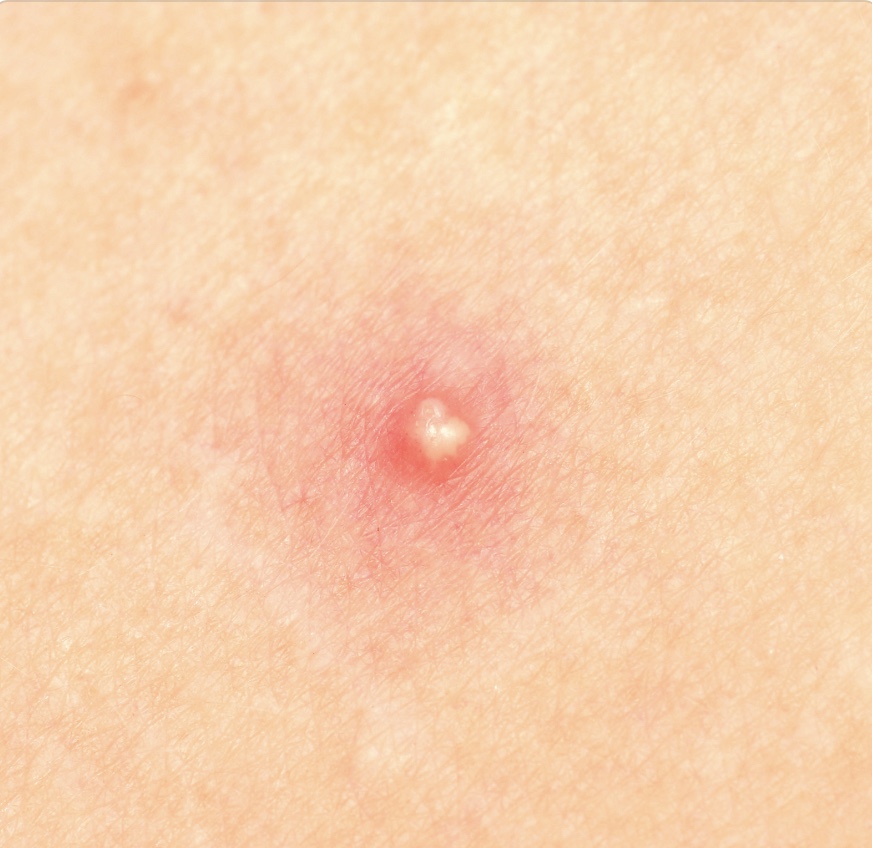
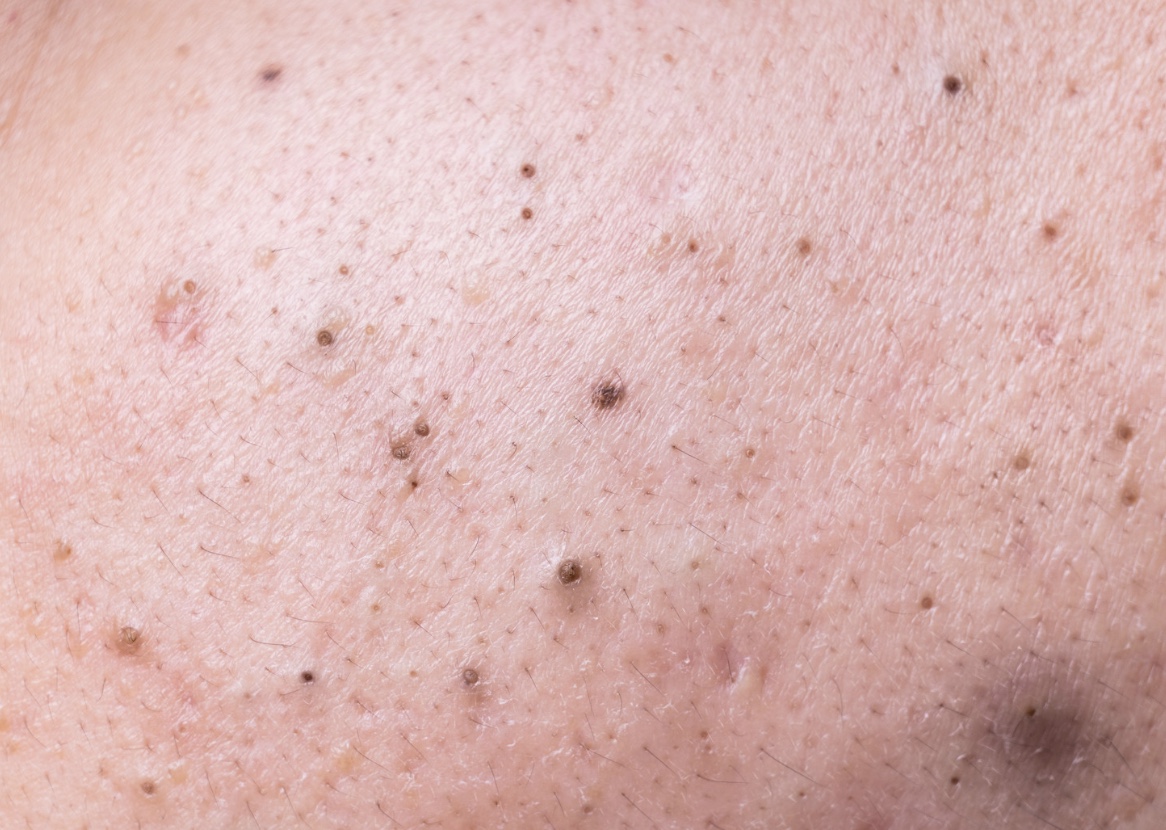
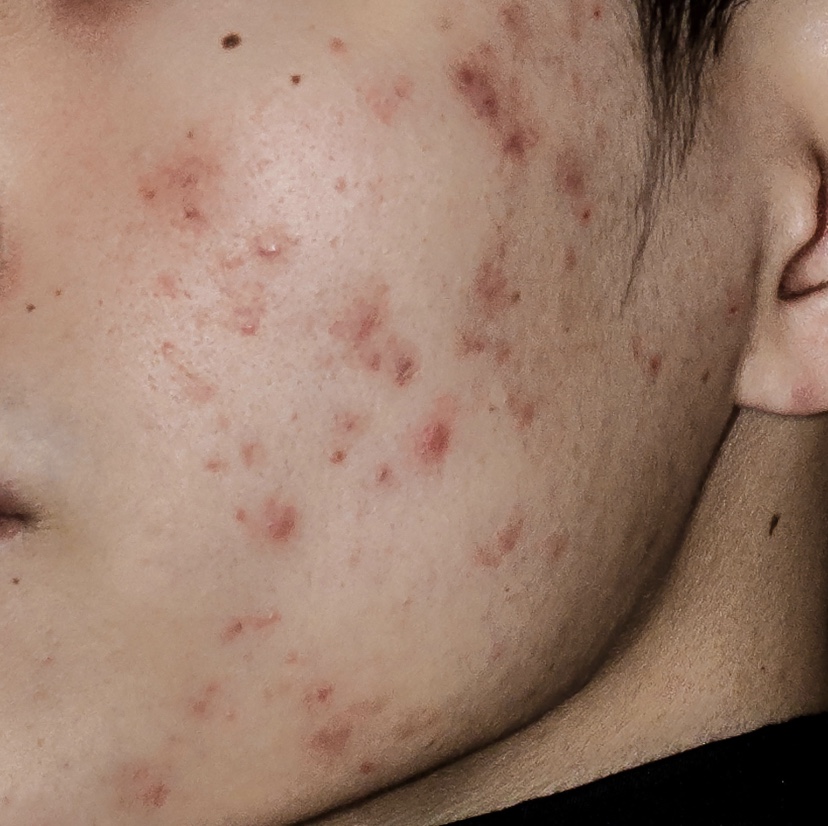
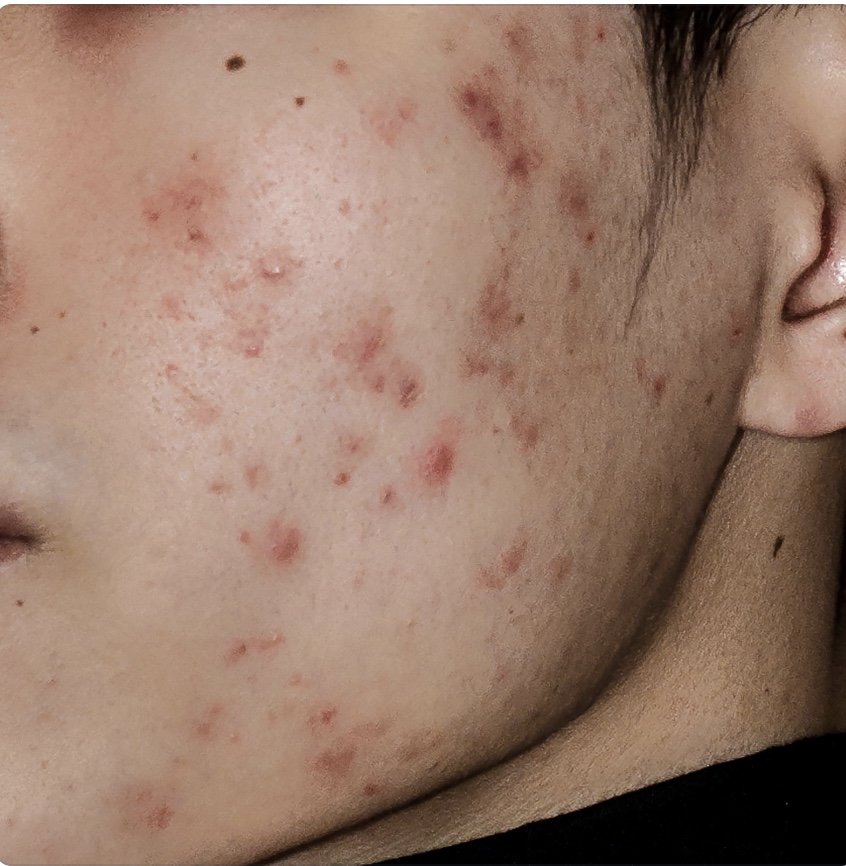
Aklief is commonly prescribed to treat acne vulgaris, a condition in which the skin’s pores become blocked by oil, dead skin cells, and bacteria, leading to inflammation, pimples, and blackheads. Trifarotene works by targeting the retinoic acid receptor gamma (RAR-γ), which plays a key role in skin cell turnover. By promoting the shedding of dead skin cells and preventing clogged pores, Aklief helps to reduce breakouts and improve skin texture.
Aklief is not a hormonal treatment and does not function as a contraceptive. It is a prescription-only medication and may be recommended when other topical treatments have not been effective or are not well tolerated. NowPatient offers Aklief as a treatment for acne following an online consultation with a prescriber.
Key facts of Aklief
- For the treatment of acne, including acne on the face, chest, and back
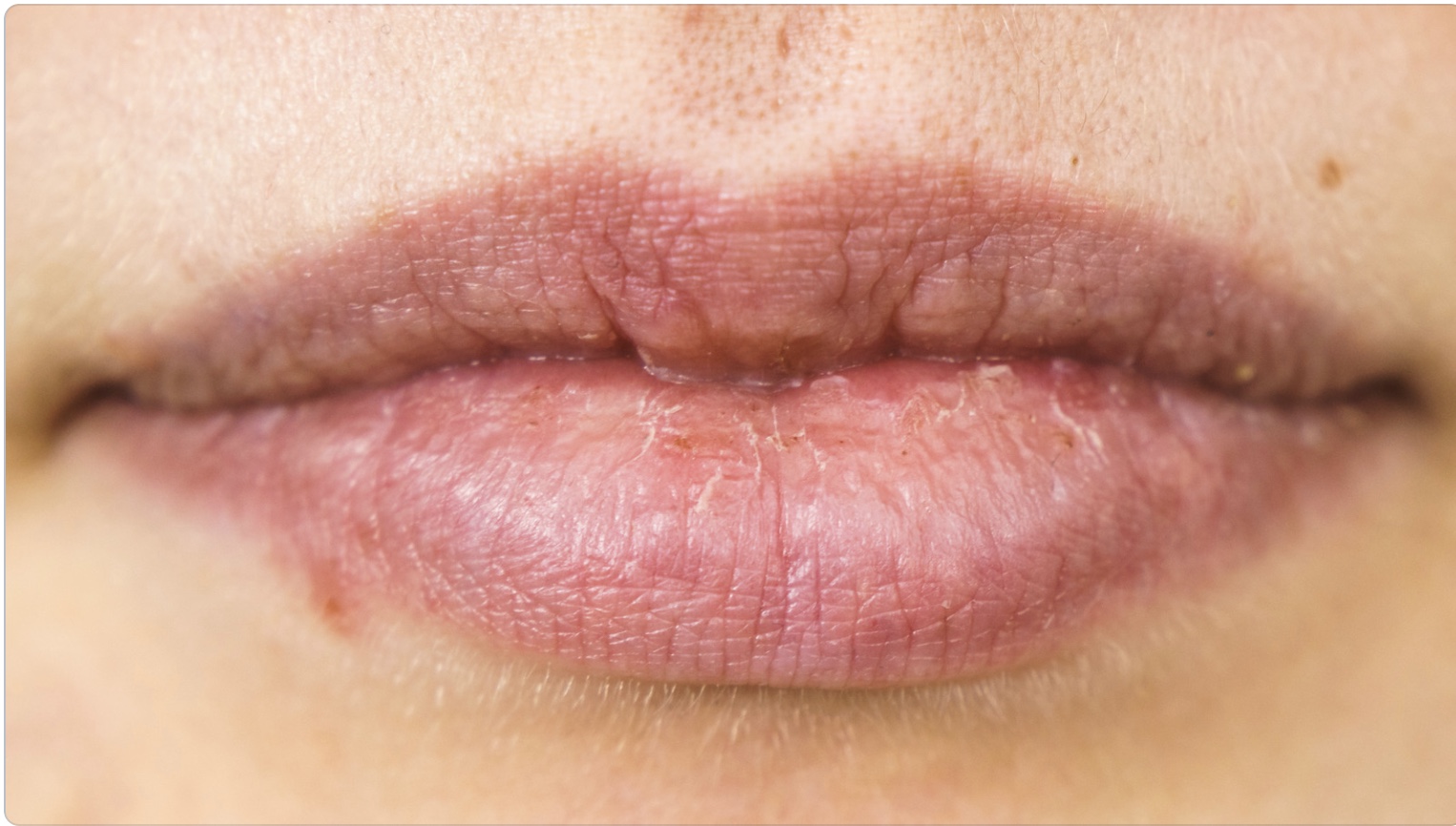
- Aklief has some common side effects which include skin irritation, redness, dryness, and peeling, especially during the first few weeks of use
- It can interact with other topical products or irritants. If you’re not sure if it is safe to use with other skincare treatments, discuss this with the prescribing clinician
- Aklief is not a contraceptive and does not contain hormones
- Aklief should generally be used when other topical acne treatments have not been effective or are not suitable
- You should stop using Aklief if your skin condition has cleared up and your prescriber advises it is no longer needed
Who is Aklief suitable for?
Aklief is suitable for most healthy individuals aged 12 years and over who have acne.
Who is Aklief not suitable for?
Aklief may not be suitable for some people. To make sure it’s safe for you, speak to the NowPatient prescribing clinician before using Aklief if you:
- Are pregnant or planning to become pregnant
- Are breastfeeding
- Have very sensitive skin or conditions such as eczema or rosacea
- Have a history of allergic reactions to topical retinoids or any ingredients in Aklief
- Are using other acne treatments, especially those that may cause skin irritation
- Are exposed to a lot of sunlight or using sunbeds, as Aklief can increase skin sensitivity to UV light
- Have broken or damaged skin in the area where Aklief would be applied
How and where to get Aklief?
You can buy Aklief safely and securely from NowPatient. You can start a consultation today for free and if you qualify for treatment, you only pay for the cost of the medication. Delivery is made to your home or office from our registered pharmacy.
Our service is certified, safe and effective, and we only ever treat conditions. If you book a consultation with a prescribing clinician for the treatment of severe acne, you can discuss if Aklief is a suitable treatment option for you.
At the end of the consultation, the clinician will decide if a treatment plan is suitable for you. If it is, the clinician will issue you with a prescription which can then be ordered, paid for and delivered directly to your chosen address by NowPatient.
Dosage and strength for Aklief for acne
Aklief cream comes in a 70g pump canister and is applied topically.
The typical dose is a thin layer applied once daily in the evening to the affected areas of the face and/or upper body, as directed by your prescribing clinician.
What happens if you use too much Aklief?
Using more than the prescribed amount of Aklief will not improve your acne faster and can increase the risk of side effects such as redness, dryness, irritation, or peeling.
If you have applied too much and experience discomfort or skin reactions, speak to your doctor or reach out to one of our prescribing clinicians.
What are the side effects of Aklief?
Side effects of Aklief are split into common and serious.
Common side effects include:
- Redness
- Dryness
- Peeling or flaking skin
- Burning or stinging sensation at the application site
- Itching
- Increased sensitivity to sunlight (photosensitivity)
Serious side effects include:
- Severe skin irritation or allergic reaction
- Swelling of the face, lips, or tongue
- Blistering or severe burning at the application site
- If you experience any serious side effects, you should contact NHS 111.
If you experience a serious allergic reaction with the signs shown below, you should contact emergency services on 999:
- Your lips, mouth, throat or tongue suddenly become swollen
- You’re breathing very fast or struggling to breathe (you may become very wheezy or feel like you’re choking or gasping for air)
- Your throat feels tight or you’re struggling to swallow
- Your skin, tongue or lips turn blue, grey or pale (if you have black or brown skin, this may be easier to see on the palms of your hands or soles of your feet)
- You suddenly become very confused, drowsy or dizzy
- Someone faints and cannot be woken up
Always report adverse effects to the MHRA Yellow Card reporting system. You can read more about this here: How and where do I report side effects of my medication?
Information about using Aklief with other medications or skincare products
Using Aklief alongside other topical treatments, especially products containing benzoyl peroxide, salicylic acid, or alpha hydroxy acids, can increase irritation. Let your prescribing clinician know if you are using any other medications or skincare products.
Why might Aklief not work for acne?
Aklief may take several weeks to show visible results. If, after 12 weeks, your acne has not improved, you should speak with your healthcare provider for further advice.
Can Aklief be used long term?
Aklief can be used as long as your clinician recommends. Once your acne has cleared, they may advise stopping or reducing use. Long-term use should always be monitored by a healthcare professional.
How to store Aklief
- Keep Aklief out of the sight and reach of children.
- Do not use this medicine after the expiry date shown on the carton and tube/pump (marked as “EXP”). The expiry date refers to the last day of that month.
- Discard the tube or pump 6 months after first opening.
- No special storage conditions are required for this medicine.
- Do not dispose of unused Aklief cream in wastewater or household waste. Ask your pharmacist how to properly dispose of medicines you no longer use. These steps help protect the environment
Is there a herbal Aklief?
No. Herbal Aklief does not exist. If you have been marketed such a product, it may be counterfeit or unsafe.
Should I avoid any particular food or drink when using Aklief?
You can eat and drink normally while using Aklief. However, it’s important to avoid excessive sun exposure and use a non-comedogenic sunscreen daily.
What lifestyle changes can I make to help with acne?
There are several lifestyle changes that may improve your skin:
- Reduce stress
- Get good quality sleep
- Exercise regularly
- Maintain good hygiene
- Follow a healthy, balanced diet
- Avoid touching your face frequently
- Use sunscreen daily
Alternatives to Aklief
Alternatives for the treatment of acne include:
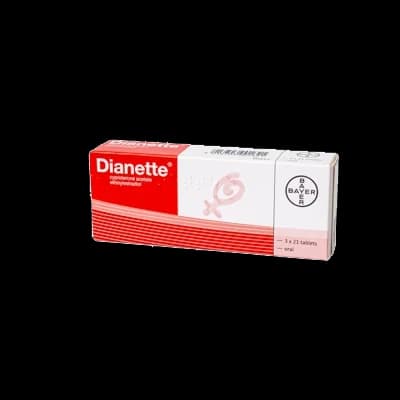
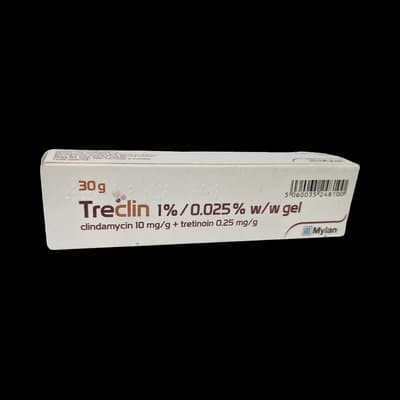
Topical treatments – Duac gel, Treclin gel, Epiduo gel
Oral treatments – Oxytetracycline, lymecycline, doxycycline
Your prescriber will help decide which option is most suitable for your skin.
FAQs
Answers to Popular Questions About Aklief
What is Aklief?
Aklief is a prescription topical retinoid cream containing trifarotene 50 micrograms/g (0.005%). It is the first new retinoid molecule for acne treatment in over 20 years. Aklief is unique among topical retinoids in being selective for the retinoic acid receptor gamma (RAR-γ), which is the predominant retinoid receptor in the skin. This selectivity is designed to maximise comedolytic and anti-inflammatory effects while potentially improving tolerability. Aklief is licensed for the treatment of acne vulgaris of the face and trunk in patients 12 years and older.
How does Aklief work?
Aklief activates retinoic acid receptor gamma (RAR-γ), which is highly expressed in the skin. This promotes normal skin cell turnover within hair follicles, preventing the formation of comedones (blocked pores). It also has anti-inflammatory properties, reducing the redness and swelling of acne lesions. Unlike other topical retinoids (adapalene, tretinoin), trifarotene is selective for RAR-γ, which may contribute to its efficacy across large body surface areas including the trunk.
How do I use Aklief?
Apply a thin layer of Aklief cream once daily in the evening to clean, dry skin on the face and/or trunk. Use a pea-sized amount for the face and a larger amount for the trunk. Avoid the eyes, lips, and mucous membranes. Begin with every-other-day application for the first 1–2 weeks to build tolerance, then increase to nightly. Use SPF 30+ sunscreen daily as retinoids increase photosensitivity. Full results are typically seen after 12 weeks of consistent use.
What are the side effects of Aklief?
Common side effects include skin dryness, irritation, peeling, redness, and mild stinging — these are typical retinoid effects and usually settle within the first 2–4 weeks. Some patients experience an initial ‘purging’ phase where acne temporarily worsens as blocked pores come to the surface. Use a gentle, fragrance-free moisturiser alongside Aklief. If irritation is severe, reduce to every-other-night application. Aklief is generally well-tolerated compared to higher-strength retinoids.
Can I use Aklief during pregnancy?
No, Aklief must not be used during pregnancy. All retinoids are contraindicated in pregnancy due to the risk of birth defects. Women of childbearing potential should use reliable contraception during treatment. If you become pregnant, stop Aklief immediately and consult your prescriber.
How can I get Aklief?
Aklief requires a prescription from your GP, dermatologist, or online prescriber such as NowPatient. It is available on the NHS. Your prescriber will assess your acne severity and determine whether a topical retinoid is the most appropriate treatment option.
Related Articles







Your health shouldn’t wait.
Consultations, prescriptions, medication delivery, health monitoring – all in one place.

Don’t take our word for it
Wow! Excellent customer service. I submitted an email query, had a call…
Alison Hurst
I do not leave reviews, due to time and a rare condition I have. I…
Sherry M
Great experience getting the med. Clinician was very thorough.
Barbara Hill
Cannot speak highly enough of the service and assistance I have…
CJH
Very good experience - the clinician asked intelligent questions about…
Phil Daoust
Really excellent. Very thorough and professional pharmacist who guided…
Colin Glass
Meet our medical team
We are a broad skilled and passionate group of clinicians with experience of operating in regulated health systems in the United Kingdom & United States. Providing excellent care and advice is at the heart of everything we do.