Buy Lymecycline Online with Free Consultation & Prescription
Book a quick face-to-face video consultation with a certified prescribing pharmacist, nurse, or doctor. If approved, your Lymecycline will be prescribed* and delivered straight to your door with tracked delivery and customs duties paid. No hidden fees. No delays. Just expert care.
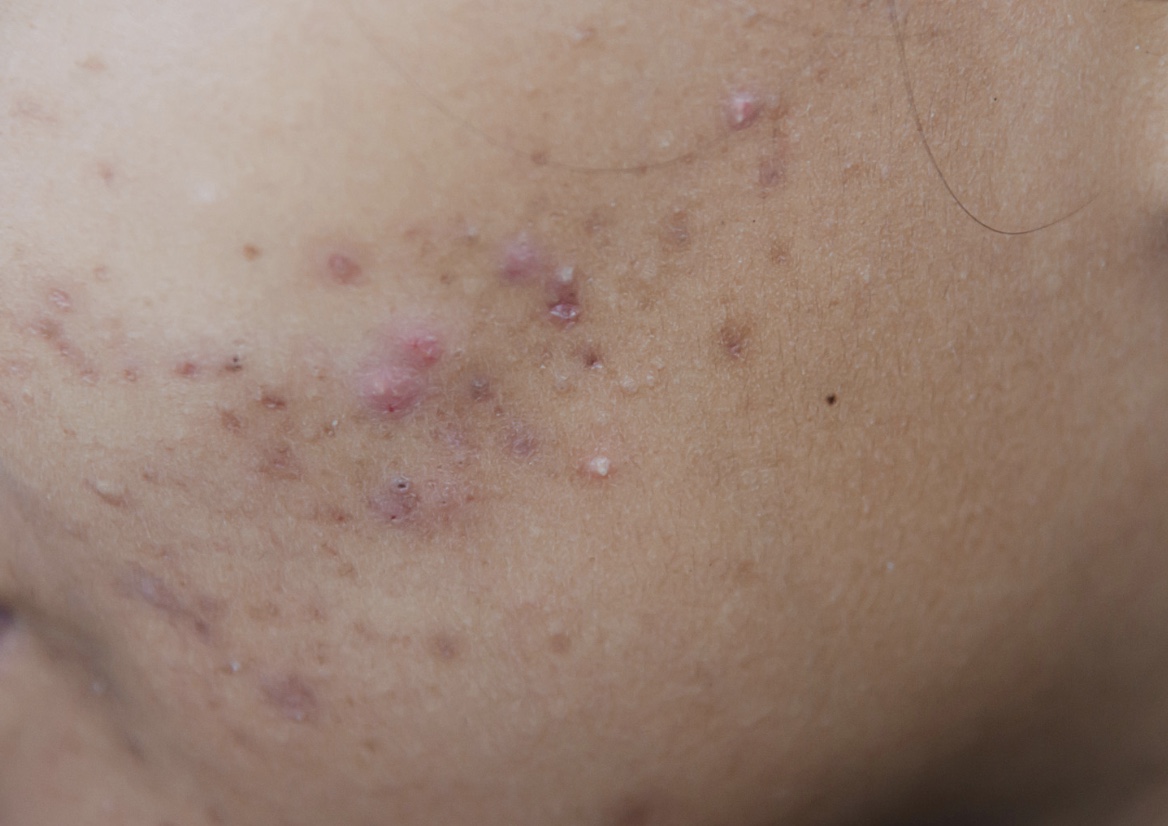
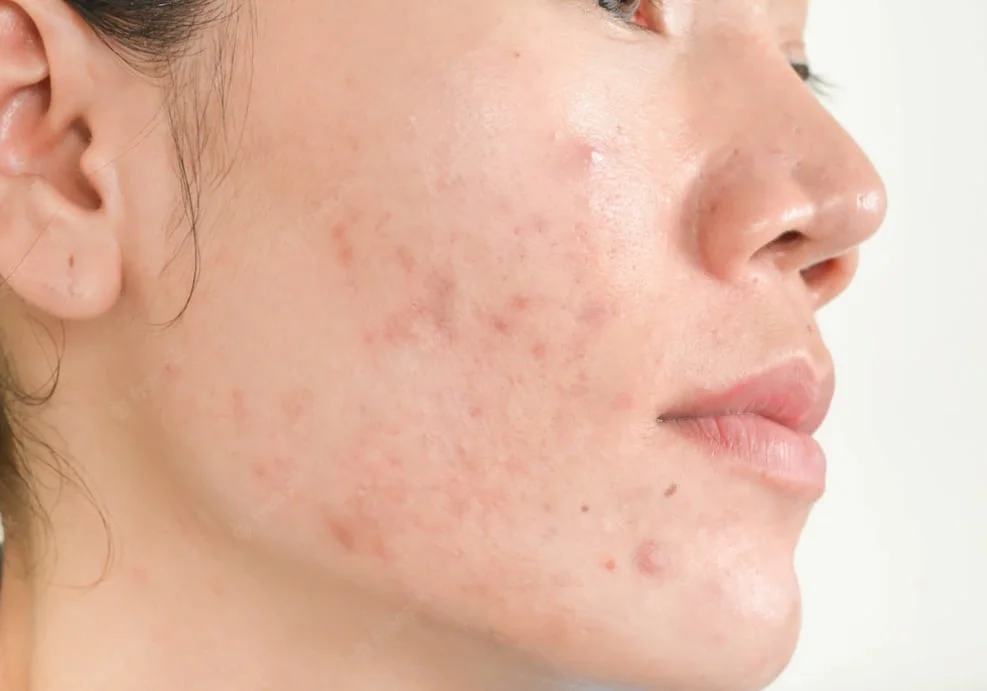
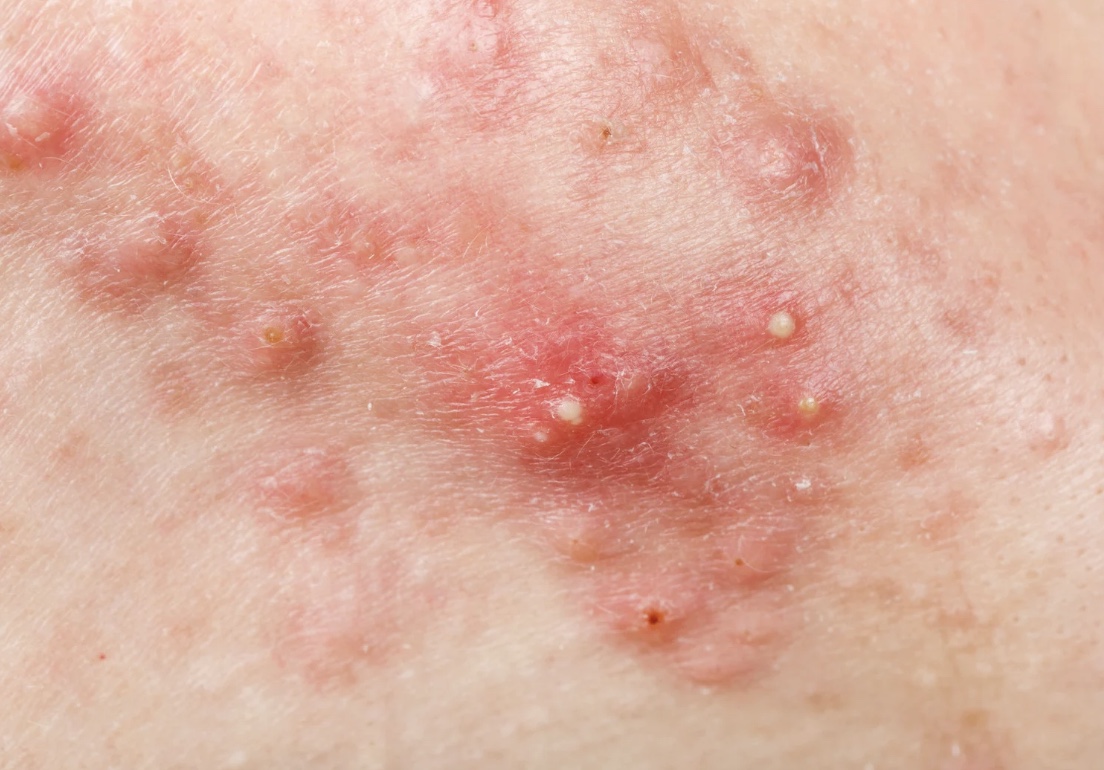
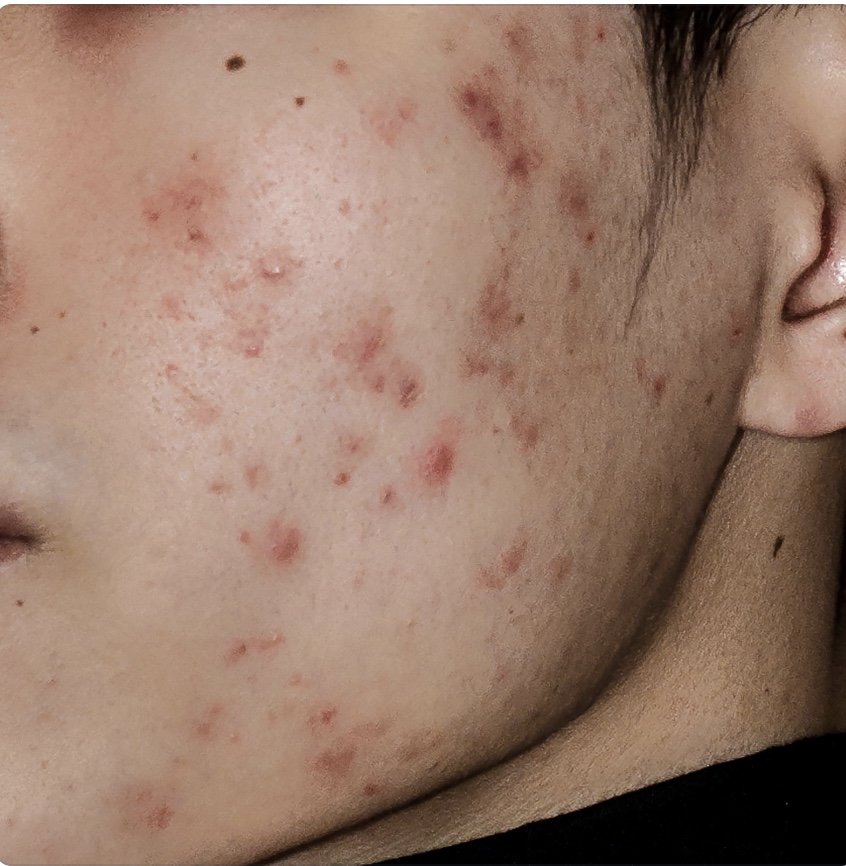
Lymecycline is indicated for the treatment of Acne.
*Includes Free Private Prescription & Consultation.
Manufactured by Teva.
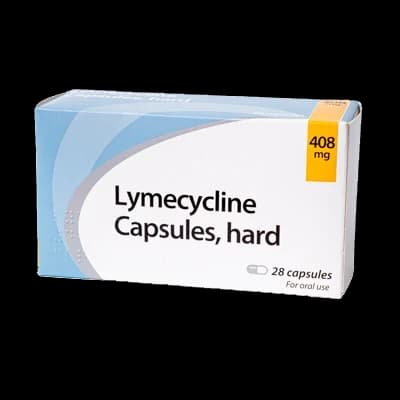

Lymecycline doses and pack sizes
Lymecycline
Lymecycline doses and pack sizes
*Your clinician will recommend the right strength and quantity for you during the consultation.
Treatment$28.60
Shipping & import duties$20.00
Total if approved$48.60
How it works
Similar Treatments
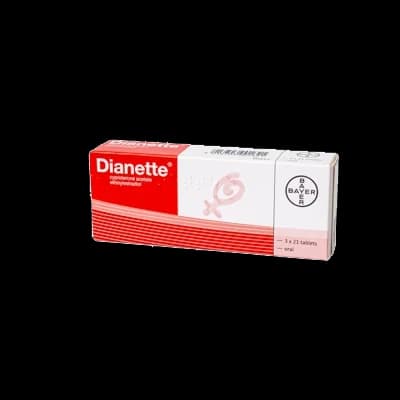
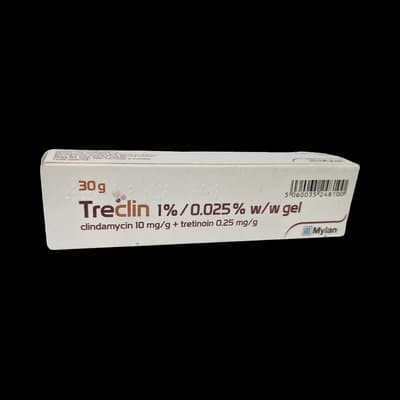
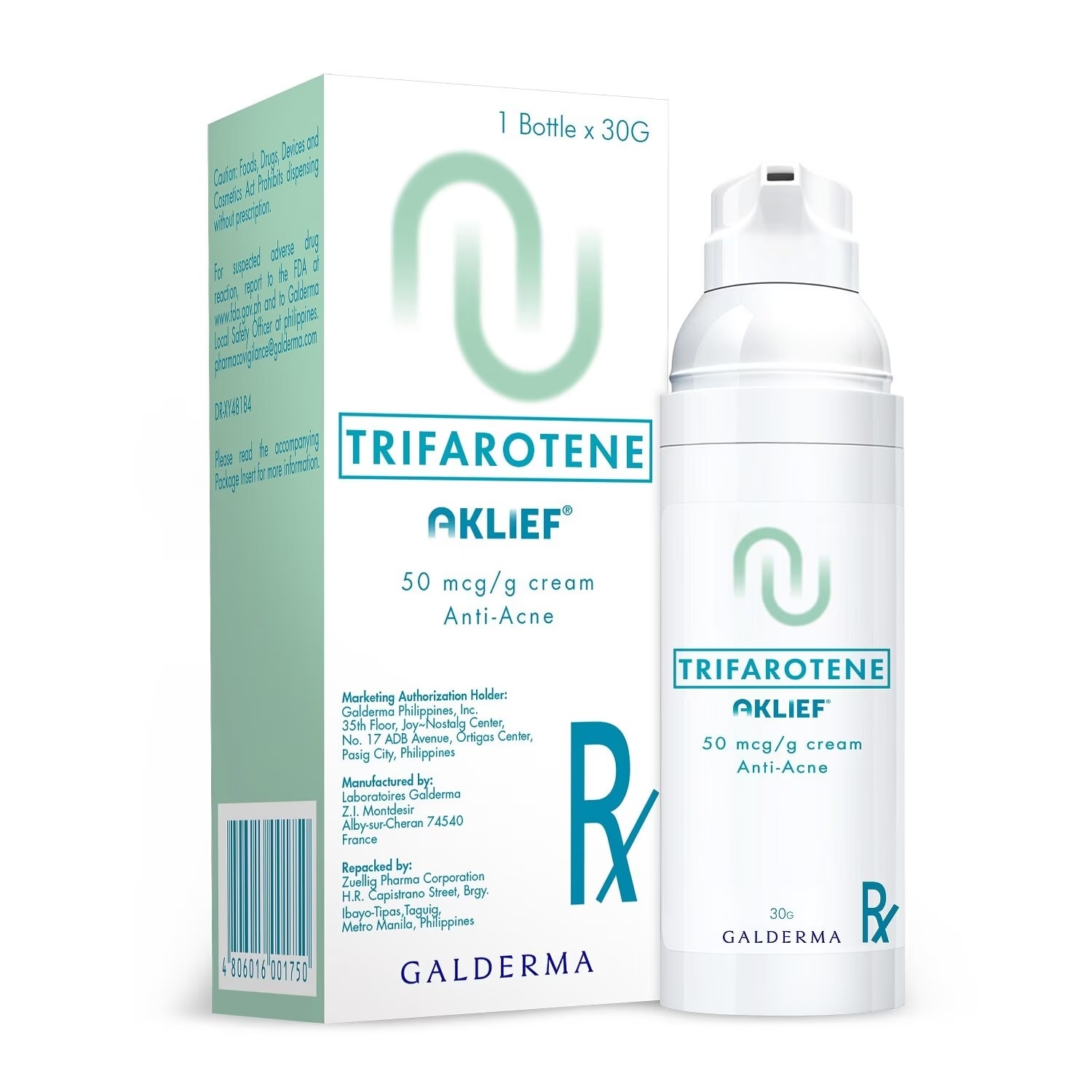
Lymecycline Alternatives
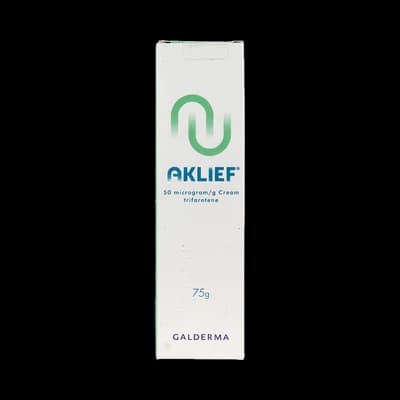
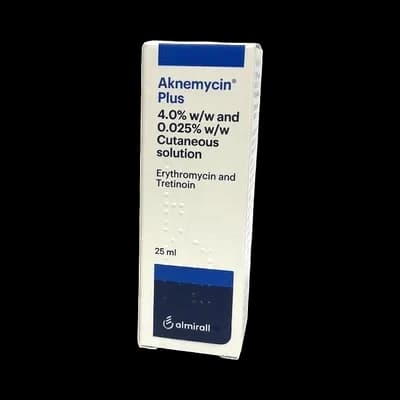
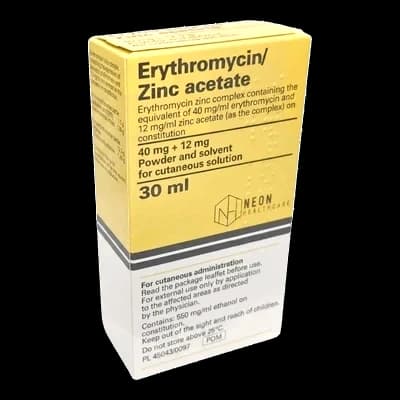
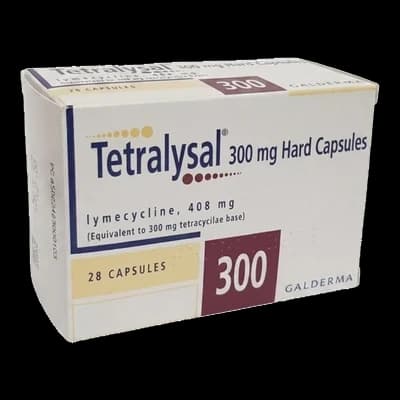
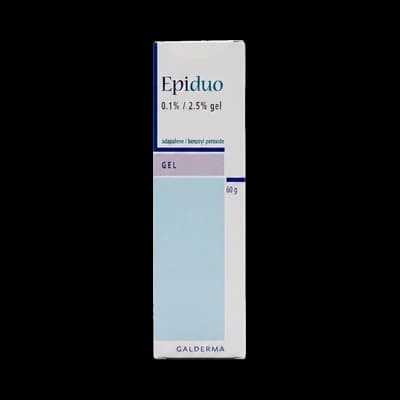
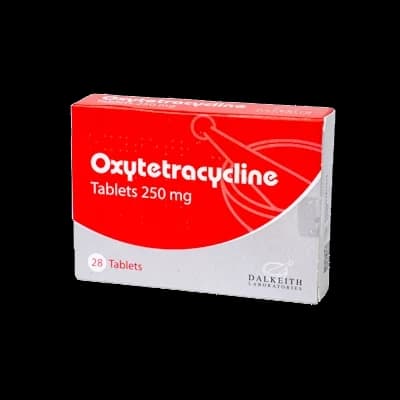
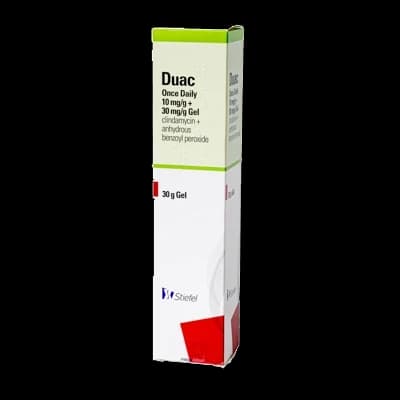
Order Online
Lymecycline Prices
| Brand/Generic | Form | Dosage | Quantity | Price | Delivery Cost | Consultation Cost |
|---|---|---|---|---|---|---|
| LymecyclineGeneric | Capsules | 408mg | 28 | $28.60 | $0.00*(with Core+ Plan) | $0.00 |
FAQs
Answers to Popular Questions About Lymecycline
What is Lymecycline?
Lymecycline is a tetracycline antibiotic widely prescribed in the UK for the treatment of acne vulgaris. It is available as 408 mg capsules, with each capsule equivalent to approximately 300 mg of tetracycline base. Lymecycline is often preferred over other tetracyclines for acne because of its convenient once-daily dosing and the fact that it can be taken with food without significantly affecting absorption. It is a prescription-only medicine and is commonly prescribed alongside topical acne treatments.
How does Lymecycline work for acne?
Lymecycline works by inhibiting bacterial protein synthesis in Cutibacterium acnes, the bacterium primarily responsible for inflammatory acne. It binds to the 30S ribosomal subunit, preventing the bacteria from producing proteins needed for growth and reproduction. Lymecycline also has direct anti-inflammatory effects, reducing the inflammatory mediators that cause the redness, swelling, and pain of acne lesions. This dual antibacterial and anti-inflammatory action makes tetracyclines effective for moderate inflammatory acne.
Is Lymecycline better than Doxycycline for acne?
Both Lymecycline and Doxycycline are effective and widely used for acne in the UK. They have similar efficacy. Lymecycline (408 mg once daily) is convenient and can be taken with food. Doxycycline (100 mg once daily) should be taken with food and can cause more photosensitivity and oesophageal irritation. dermatology guidelines consider both acceptable first-line oral antibiotics for acne. The choice often comes down to individual tolerance and prescriber preference. If one does not suit you, switching to the other is a reasonable option.
What is the usual dose of Lymecycline for acne?
The standard dose of Lymecycline for acne is 408 mg (one capsule) once daily. Treatment is usually continued for a minimum of 8 weeks, and most courses run for 12–16 weeks. Some patients may need up to 6 months of treatment. After this, your prescriber should review your progress and consider stepping down to topical treatments alone. Lymecycline should always be used alongside a topical agent (usually benzoyl peroxide) to reduce the risk of antibiotic resistance.
Can I take Lymecycline with food?
Yes, Lymecycline can be taken with or without food, which is a significant advantage over older tetracyclines like Oxytetracycline. However, you should avoid taking Lymecycline at the same time as dairy products, antacids, iron supplements, or calcium products, as these can still reduce its absorption. Swallow the capsule whole with a full glass of water and remain upright for at least 30 minutes afterwards to avoid oesophageal irritation.
What are the common side effects of Lymecycline?
Common side effects of Lymecycline include nausea, abdominal pain, diarrhea, and headache. Photosensitivity (increased sensitivity to sunlight) is a known tetracycline effect — use high-factor sunscreen (SPF 30+) and avoid prolonged sun exposure. Oral and vaginal yeast infection may develop. Mild dizziness is occasionally reported. These side effects are generally mild and often improve as the body adjusts. If side effects are troublesome or persistent, speak to your prescriber about alternatives.
Does Lymecycline cause weight gain?
Weight gain is not a recognised or commonly reported side effect of Lymecycline. Tetracycline antibiotics do not typically affect weight. Any weight changes during a course of Lymecycline are more likely related to other factors such as diet, lifestyle, or hormonal changes. If you notice unexplained weight changes while taking Lymecycline, discuss this with your doctor.
What drugs interact with Lymecycline?
Lymecycline shares the standard tetracycline interactions. Antacids, calcium, iron, and zinc supplements reduce absorption — separate doses by at least 2–3 hours. Warfarin’s effect may be enhanced, requiring INR monitoring. Do not use with oral retinoids (isotretinoin) due to risk of benign intracranial hypertension. Rifampicin, carbamazepine, and phenytoin may reduce Lymecycline levels. According to contraception guidance, Lymecycline does not reduce the effectiveness of hormonal contraceptives.
Can I drink alcohol while taking Lymecycline?
There is no specific interaction between Lymecycline and alcohol. Moderate alcohol consumption is unlikely to affect the medication’s efficacy. However, alcohol can worsen acne in some people and may increase the risk of gastrointestinal side effects such as nausea. It is sensible to moderate your alcohol intake while taking any antibiotic course.
How can I get a prescription for Lymecycline?
You can request Lymecycline through NowPatient by completing a short online consultation with one of our prescribing clinicians. Your clinician will assess your acne and the treatments you have already tried to decide whether Lymecycline is the right option for you. If treatment is suitable, a prescription is issued and your medication is dispensed by our registered pharmacy and delivered to your door.
Can I take Lymecycline during pregnancy?
No, Lymecycline should not be taken during pregnancy or while breastfeeding. Like all tetracyclines, it can cause permanent tooth discolouration and affect bone development in the foetus. It is also contraindicated in children under 12 years. If you become pregnant while taking Lymecycline, stop it immediately and inform your doctor. Safer acne treatments during pregnancy include topical benzoyl peroxide and azelaic acid.
Related Articles





Your health shouldn’t wait.
Consultations, prescriptions, medication delivery, health monitoring – all in one place.

Rated excellent on Trustpilot
Wow! Excellent customer service. I submitted an email query, had a call…
Alison Hurst
I do not leave reviews, due to time and a rare condition I have. I…
Sherry M
Great experience getting the med. Clinician was very thorough.
Barbara Hill
Cannot speak highly enough of the service and assistance I have…
CJH
Very good experience - the clinician asked intelligent questions about…
Phil Daoust
Really excellent. Very thorough and professional pharmacist who guided…
Colin Glass
Meet our medical team
We are a broad skilled and passionate group of clinicians with experience of operating in regulated health systems in the United Kingdom & United States. Providing excellent care and advice is at the heart of everything we do.