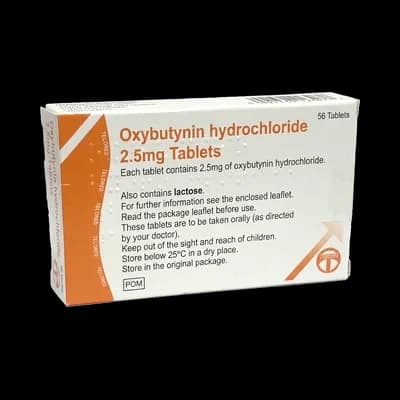
Buy Oxybutinin Online. No Consultation Fee, Free Next-Day Delivery
Get prescribed Oxybutinin for Urinary Incontinence by a UK clinician through a free video consultation*. No questionnaires, no hidden fees. You only pay for your medication if approved.


Other Related Treatments
MEDICAL INFORMATION
Oxybutinin Key Facts
Other Related Names or Treatments
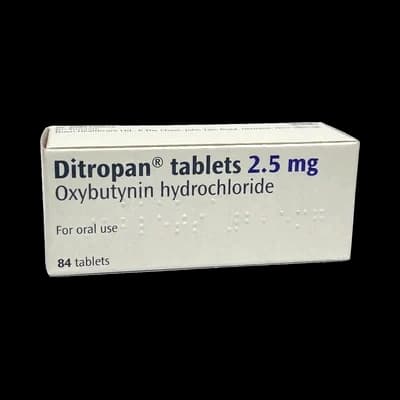
Ditropan, Ditropan XL
About oxybutynin
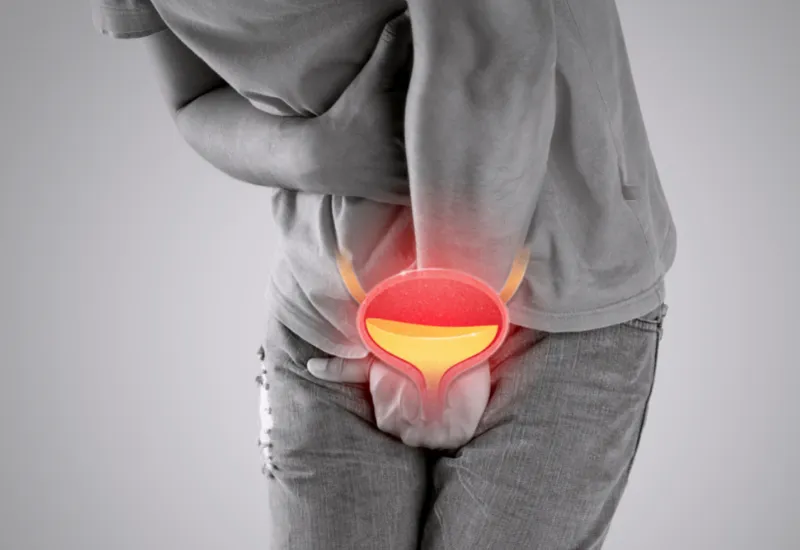
Oxybutynin is classed as an antimuscarinic (or anticholinergic) muscle relaxant. Oxybutynin is used to treat the symptoms of an overactive bladder, such as:
- Urinary urgency (a sudden and urgent need to pee)
- Urinary frequency (needing to pee more often than usual)
- Urinary incontinence (wetting yourself)
Oxybutynin relaxes muscles around your bladder, allowing your bladder to hold more liquid, stopping you from needing to pee as often or as urgently.
NowPatient offers oxybutynin or the brand Ditropan as treatments for urinary incontinence only, following an online consultation with a prescribing clinician.
Key facts of oxybutynin
- For the treatment of urinary incontinence
- Oxybutynin can take about 3 to 4 hours to start working, but may take up to 4 weeks to start working fully
- Oxybutynin has some common side effects which include dry mouth, dizziness, blurred vision and constipation
- It can be dangerous if you take oxybutynin with certain medications. If you’re not sure if it is safe, discuss this with the prescribing clinician
Who is oxybutynin suitable for?
Oxybutynin is suitable for adults and children 5 years of age and over.
Who is oxybutynin not suitable for?
Oxybutynin may not be suitable for some people. To make sure it’s safe for you, speak to the prescribing clinician before taking oxybutynin if you:
- Have had an allergic reaction to oxybutynin in the past
- Have myasthenia gravis
- Have narrow angle glaucoma
- Have an enlarged prostate or difficulty urinating
- Have ulcerative colitis or Crohn’s disease
- Have gastroesophageal reflux disease (GERD)
- Have heart problems or high blood pressure
- Have thyroid, liver or kidney disease
How and where to get oxybutynin?
You can buy oxybutynin safely and securely from NowPatient. You can start a consultation today for free and if you qualify for treatment, you only pay for the cost of the medication. Delivery is made to your home or office from our registered pharmacy.
Our service is certified, safe and effective, and we only ever treat conditions. If you book a consultation with a prescribing clinician for the treatment of urinary incontinence, you can discuss if oxybutynin is a suitable treatment option for you.
At the end of the consultation, the clinician will decide if a treatment plan is suitable for you. If it is, the clinician will issue you with a prescription which can then be ordered, paid for and delivered directly to your chosen address by NowPatient.
Dosage and strength for oxybutynin for urinary incontinence
Oxybutynin is available in various dosage forms. It is available as 2.5mg, 3mg or 5mg immediate release tablets, 5mg or 10mg extended-release tablets, 2.5 mg or 5 mg per 5 mL liquid, or as transdermal patches.
Information about how to take oxybutynin for urinary incontinence
Swallow oxybutynin tablets whole with a glass of water, with or without food. The starting dose is normally one 2.5 mg tablet, twice a day, or one 2.5 mg tablet, 3 times a day. If you are taking extended-release tablets, swallow the tablets whole with a glass of water. Do not crush, break, or chew the tablets. The transdermal patches are applied twice a week. Apply the patch to dry, clean skin on your bottom, hip, or stomach. Speak to a healthcare professional if you need further medical advice.
What happens if you take too much oxybutynin?
If you take more than prescribed, then it can lead to some unpleasant side effects. You should talk to your doctor or reach out to one of our prescribing clinicians, if you have taken too much oxybutynin and you experience any of the following side effects.
What are the side effects of oxybutynin?
Side effects of oxybutynin are split into common and serious.
Common side effects include:
- Dry mouth
- Dizziness, headache, drowsiness
- Vomiting
- Diarrhoea, constipation, stomach pain, passing wind, belching
- Dry eyes, blurred vision
Serious side effects include:
- Faecal impaction
- Urinary retention
- Urinary tract infections (UTI)
- Swollen ankles or legs
If you experience any serious side effects, you should contact NHS 111.
If you experience a serious allergic reaction with the signs shown below you should contact emergency services on 999.
- Your lips, mouth, throat or tongue suddenly become swollen
- You’re breathing very fast or struggling to breathe (you may become very wheezy or feel like you’re choking or gasping for air)
- Your throat feels tight or you’re struggling to swallow
- Your skin, tongue or lips turn blue, grey or pale (if you have black or brown skin, this may be easier to see on the palms of your hands or soles of your feet)
- You suddenly become very confused, drowsy or dizzy
- Someone faints and cannot be woken up
Information about taking oxybutynin at the same time as other medications or herbal supplements
There is not enough evidence to suggest there are any drug interactions between herbal supplements and oxybutynin. In any event, you should let your prescribing clinician know if you are taking any herbal supplements or prescription drugs:
- Amantadine used for Parkinson’s disease
- Clozapine, haloperidol or benperidol
- Tricyclic antidepressants such as amitriptyline
- Prochlorperazine
- Digoxin
- Fluconazole, itraconazole, ketoconazole or voriconazole
Can oxybutynin taken for urinary incontinence be taken long term?
You should not take oxybutynin any longer than it is needed. Your doctor will check that you still require your treatment every 6 to 12 months.
Is there a herbal oxybutynin?
No. Herbal oxybutynin does not exist. If you have been marketed such a formulation, it may be fake.
Can women use oxybutynin?
Women can only take oxybutynin for the treatment of urinary incontinence. Speak to your doctor if you are pregnant, or trying to get pregnant.
Oxybutynin is not normally recommended if you are breastfeeding. However, your doctor may say it’s OK for you to continue taking oxybutynin. You should check your baby for side effects, such as colic and constipation.
Should I avoid any particular food or drink when taking oxybutynin?
You can eat and drink normally when taking oxybutynin, however you are advised to reduce your intake of alcohol and caffeine.
What lifestyle changes can I make to help me with urinary incontinence?
Modifying your lifestyle may have a positive impact on your urinary incontinence and quality of life. These may include:
- Pelvic floor muscle training to improve your bladder control
- Stay well hydrated to maintain a healthy urinary function
- Avoid caffeine, alcohol, and spicy foods
- Urinate when you feel the urge to
- When urinating, wait once you have finished for a few moments, and then try again to make sure the bladder is emptied completely
- Alternatives to oxybutynin
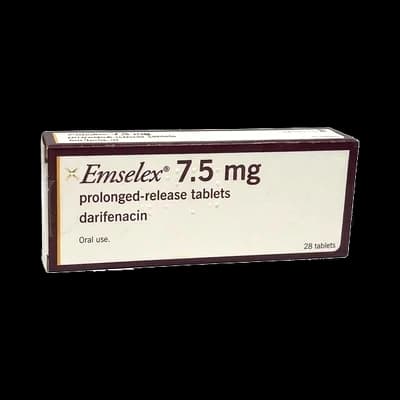
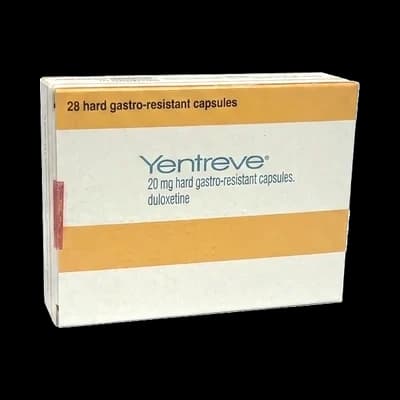
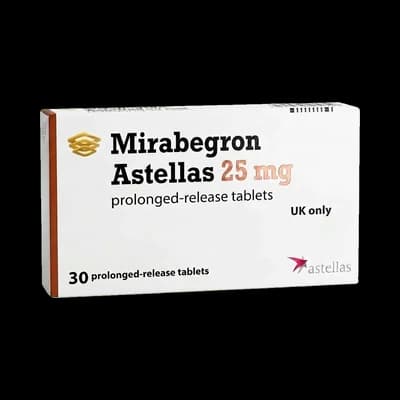
Alternatives for the treatment of urinary incontinence include Betmiga, Yentreve and Emselex.
Sources
Oxybutynin – a medicine for treating symptoms of an overactive bladder – NHS
Medical Disclaimer
NowPatient has taken all reasonable steps to ensure that all material is factually accurate, complete, and current. However, the knowledge and experience of a qualified healthcare professional should always be sought after instead of using the information on this page. Before taking any drug, you should always speak to your doctor or another qualified healthcare provider.
The information provided here about medications is subject to change and is not meant to include all uses, precautions, warnings, directions, drug interactions, allergic reactions, or negative effects. The absence of warnings or other information for a particular medication does not imply that the medication or medication combination is appropriate for all patients or for all possible purposes.
Related Articles
FAQs
Answers to Popular Questions About Oxybutinin
What is Oxybutynin?
Oxybutynin is an antimuscarinic medication used for the treatment of overactive bladder (OAB), urinary incontinence, and neurogenic bladder conditions. It is available as immediate-release tablets (2.5 mg, 5 mg), modified-release tablets (5 mg, 10 mg as Lyrinel XL), transdermal patches (3.9 mg/24h as Kentera), and oral solution. Brand names include Ditropan (tablets), Lyrinel XL (modified-release), and Kentera (patches). It is one of the oldest OAB treatments but has significant anticholinergic side effects.
What formulations of Oxybutynin are available?
Several formulations are available in the UK: immediate-release tablets (Ditropan, generic — 2.5/5 mg, taken 2–3 times daily), modified-release tablets (Lyrinel XL — 5/10 mg, once daily with fewer side effects), and transdermal patches (Kentera — applied twice weekly, bypasses first-pass liver metabolism and significantly reduces dry mouth). The transdermal patch is generally the best-tolerated formulation and should be considered if oral oxybutynin causes intolerable dry mouth.
How do I take Oxybutynin?
Immediate-release tablets: 5 mg two to three times daily (start at 2.5 mg twice daily in elderly). Modified-release (Lyrinel XL): 5 mg once daily, increased to 10 mg if needed. Transdermal patch (Kentera): apply one patch twice weekly (every 3–4 days) to clean, dry skin on the abdomen, hip, or buttock — rotate application sites. Take tablets with water, with or without food.
What are the side effects of Oxybutynin?
Common side effects of oral oxybutynin include dry mouth (very common, up to 70%), constipation, nausea, blurred vision, dizziness, drowsiness, and cognitive effects (confusion, memory problems). The transdermal patch causes significantly less dry mouth and cognitive impairment. In elderly patients (over 65), oral oxybutynin is generally avoided due to cognitive risks — it can cross the blood-brain barrier and worsen or mimic dementia. Safer alternatives include mirabegron (Betmiga) and the oxybutynin transdermal patch.
Who should not take Oxybutynin?
Oxybutynin is contraindicated in patients with urinary retention, uncontrolled narrow-angle glaucoma, myasthenia gravis, severe ulcerative colitis, gastrointestinal obstruction, and toxic megacolon. It should be used with great caution in elderly patients due to cognitive risks. Not recommended in patients over 65 per NHS England guidance. The transdermal patch may be more suitable in older patients if an antimuscarinic is required.
How can I get Oxybutynin?
Oxybutynin requires a prescription from your GP, urologist, or online prescriber such as NowPatient. It is available on the NHS in all formulations. Generic immediate-release tablets are the least expensive option. Discuss with your prescriber which formulation or alternative medication is most appropriate for your situation.
OUR CUSTOMERS VIEW
What Customers Love About Our Service
We want everyone to be happy and healthy, that’s what keeps us going. Read what some of them have to say about us.
Medicines Experts
Meet Our Medical Team
We are a broad skilled and passionate group of clinicians with experience of operating in health systems in the United Kingdom & United States. Providing excellent care and advice is at the heart of everything we do. You can read more about our medical team by visiting the medical team page or learn more about how we curate content by visiting our editorial process