Buy Yentreve Online. No Consultation Fee, Free Next-Day Delivery
Get prescribed Yentreve for Urinary Incontinence by a UK clinician through a free video consultation*. No questionnaires, no hidden fees. You only pay for your medication if approved.


Other Related Treatments
MEDICAL INFORMATION
Yentreve Key Facts
Other Related Names or Treatments
Cymbalta
About Yentreve
Yentreve is manufactured by Eli Lilly and company and contains duloxetine hydrochloride, a serotonin-norepinephrine reuptake inhibitor (SNRI), as its active ingredient. It works by increasing the levels of neurotransmitters such as serotonin and noradrenaline in your nervous system. Yentreve is used to treat major depressive disorder (MDD), generalized anxiety disorder, nerve pain, such as fibromyalgia, diabetic peripheral neuropathy, and also stress urinary incontinence (SUI) in women. SUI is the accidental leaking of urine during physical exertion or when laughing, coughing, sneezing, or exercising.
Yentreve is available with a prescription as generic duloxetine or under the brand name Yentreve. NowPatient offers duloxetine or Yentreve as treatments for urinary incontinence only, following an online consultation with a prescribing clinician.
Key facts of Yentreve
- For the treatment of stress urinary incontinence in women
- It can be dangerous if you take Yentreve with certain medications. If you’re not sure if it is safe, discuss this with the prescribing clinician
- Yentreve may take 2 to 4 weeks to start working, but may take longer if you’re using it for nerve pain
- Common side effects of Yentreve include nausea, dry mouth, constipation and drowsiness
- If you decide to stop taking Yentreve, your doctor may reduce your dose in steps, to prevent withdrawal symptoms
Who is Yentreve suitable for?
Yentreve is suitable for:
- Most adults 18 years of age and over
Who is Yentreve not suitable for?
Yentreve may not be suitable for some people. To make sure it’s safe for you, speak to the prescribing clinician before taking Yentreve if you have any of the following medical conditions:
- An allergic reaction to the active ingredient duloxetine
- Kidney or liver disease
- Heart problems or uncontrolled high blood pressure (hypertension)
- Glaucoma
- Seizures, fits, manic episodes or bipolar disorder
- Pregnancy, you are trying to get pregnant, or you’re breastfeeding
How and where to get Yentreve?
You can buy Yentreve safely and securely from NowPatient. You can start a consultation today for free and if you qualify for treatment, you only pay for the cost of the medication. Delivery is made to your home or office from our registered pharmacy.
Our service is certified, safe and effective, and we only ever treat conditions. If you book a consultation with a prescribing clinician for the treatment of urinary incontinence, you can discuss if Yentreve is a suitable treatment option for you.
At the end of the consultation, the clinician will decide if a treatment plan is suitable for you. If it is, the clinician will issue you with a prescription which can then be ordered, paid for and delivered directly to your chosen address by NowPatient.
Dosage and strength for Yentreve for urinary incontinence
Yentreve is available as hard gastro-resistant capsules when used for urinary incontinence. For stress urinary incontinence, Yentreve is available in strengths ranging from 20mg and 40mg capsules.
Information about how to take Yentreve for urinary incontinence
For stress urinary incontinence, the starting dose of Yentreve is 20mg twice a day, increased to 40mg twice a day, after 2 weeks. Take Yentreve with or without food, at the same time each day. Swallow Yentreve capsules whole with a glass of water. Yentreve may be taken long term for urinary incontinence, if it is helping your symptoms. Speak to a healthcare professional or read the patient information leaflet provided for further information.
What happens if you take too much Yentreve?
If you take more than prescribed, then it can lead to some unpleasant side effects. You should talk to your doctor or reach out to one of our prescribing clinicians, if you have taken too much Yentreve and you experience any of the following side effects:
What are the side effects of Yentreve?
Side effects of Yentreve are split into common and serious.
Common side effects in clinical trials included:
- Problems sleeping
- Headaches, dizziness, blurred vision, drowsiness
- Constipation, diarrhoea
- Nausea or vomiting
- Dry mouth
- Tiredness
- Loss of appetite, weight loss
Serious side effects include:
- Serotonin syndrome – suicidal thoughts, agitation, hallucinations, shivering, muscle stiffness, fast heart rate
- Constant headaches
- Liver problems -yellowing of the whites of your eyes or skin
- Blurred vision or eye pain
- Coughing up blood or blood in your stools or urine
- Bruising easily
If you experience any serious side effects, you should contact NHS 111.
If you experience a serious allergic reaction with the signs shown below you should contact emergency services on 999.
- Your lips, mouth, throat or tongue suddenly become swollen
- You’re breathing very fast or struggling to breathe (you may become very wheezy or feel like you’re choking or gasping for air)
- Your throat feels tight or you’re struggling to swallow
- Your skin, tongue or lips turn blue, grey or pale (if you have black or brown skin, this may be easier to see on the palms of your hands or soles of your feet)
- You suddenly become very confused, drowsy or dizzy
- Someone faints and cannot be woken up
Information about taking Yentreve at the same time as other medications or herbal supplements
There is not enough evidence to suggest there are any drug interactions between herbal supplements and Yentreve. In any event, you should let your prescribing clinician know if you are taking any other medicinal products, such as:
- Selective serotonin reuptake inhibitors (SSRIs) such as citalopram, fluoxetine, or sertraline
- Serotonin-norepinephrine reuptake inhibitors such as venlafaxine
- Tricyclic antidepressants such as amitriptyline
- Monoamine oxidase inhibitors (MAOIs) such as linezolid, methylene blue, or phenelzine
- Opioids such as fentanyl and tramadol
- Benzodiazepines such as diazepam or lorazepam
- St. John’s wort
- Anticoagulants such as warfarin
- Nonsteroidal anti-inflammatory drugs (NSAIDs) such as ibuprofen or naproxen
- CYP1A2 inhibitors such as fluvoxamine, ciprofloxacin or enoxacin
Can Yentreve taken for urinary incontinence be taken long term?
Yes. Yentreve may be taken long term for urinary incontinence, if it is helping your symptoms. Speak to a healthcare professional or read the patient information leaflet provided for further medical advice.
Is there a herbal Yentreve?
No. Herbal Yentreve does not exist. If you have been marketed such a formulation, it may be fake.
Can women use Yentreve?
Women can only take Yentreve for the treatment of stress urinary incontinence. Yentreve is not recommended during pregnancy. Speak to your doctor if you get pregnant. You may continue to take Yentreve while breastfeeding, if your doctor says your baby is healthy. Yentreve does pass into breast milk, but does not cause side effects in breastfed babies. Speak to your doctor if you’re breastfeeding, or planning to breastfeed.
Should I avoid any particular food or drink when taking Yentreve?
You can eat and drink normally when taking Yentreve.
What lifestyle changes can I make to help me with urinary incontinence?
Modifying your lifestyle may have a positive impact on your urinary incontinence and quality of life. These may include:
- Pelvic floor muscle training to improve your bladder control
- Stay well hydrated to maintain a healthy urinary function
- Avoid caffeine, alcohol, and spicy foods
- Urinate when you feel the urge to
- When urinating, wait once you have finished for a few moments, and then try again to make sure the bladder is emptied completely
Alternatives to Yentreve
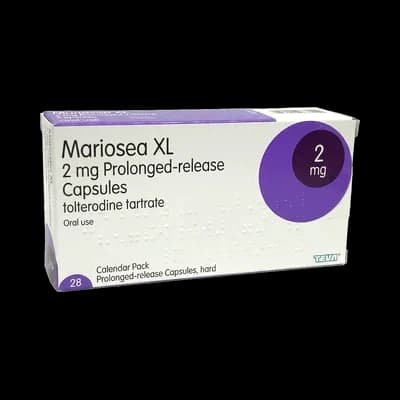
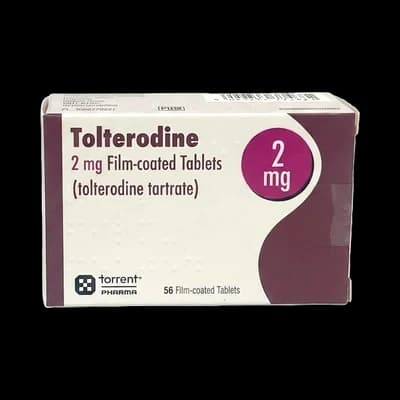
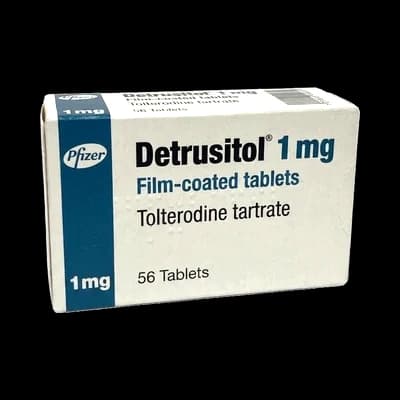
Alternatives for the treatment of urinary incontinence include tamsulosin and tolteridone.
Medical Disclaimer
NowPatient has taken all reasonable steps to ensure that all material is factually accurate, complete, and current. However, the knowledge and experience of a qualified healthcare professional should always be sought after instead of using the information on this page. Before taking any drug, you should always speak to your doctor or another qualified healthcare provider.
The information provided here about medications is subject to change and is not meant to include all uses, precautions, warnings, directions, drug interactions, allergic reactions, or negative effects. The absence of warnings or other information for a particular medication does not imply that the medication or medication combination is appropriate for all patients or for all possible purposes.
Related Articles
FAQs
Answers to Popular Questions About Yentreve
What is Yentreve?
Yentreve is a brand name for duloxetine 40 mg capsules, specifically licensed in the UK for the treatment of moderate to severe stress urinary incontinence (SUI) in women. It is an SNRI (serotonin and noradrenaline reuptake inhibitor) that strengthens the urethral sphincter during the storage phase of the bladder cycle. Yentreve is a prescription-only medicine and is used when pelvic floor exercises alone have not sufficiently improved symptoms.
How does Yentreve help with stress incontinence?
Yentreve increases serotonin and noradrenaline levels in the sacral spinal cord (Onuf’s nucleus), which controls the pudendal nerve supplying the external urethral sphincter. This enhanced neurotransmitter activity increases the resting tone and contraction strength of the sphincter, helping to prevent urine leakage during physical activities such as coughing, sneezing, laughing, or exercise. Clinical trials showed a 50–60% reduction in incontinence episodes compared to placebo.
How do I take Yentreve?
Take one Yentreve 40 mg capsule twice daily (morning and evening), with or without food. Swallow capsules whole — do not crush, chew, or open. The recommended treatment course is 2–4 weeks initially to assess response, continuing for up to 12 weeks if beneficial. Yentreve should be used alongside pelvic floor muscle training for the best results. If no improvement is seen after 2–4 weeks, discuss with your prescriber.
What are the side effects of Yentreve?
Very common side effects include nausea (affecting up to 25% of patients, usually improving within the first week), dry mouth, constipation, insomnia, fatigue, and dizziness. Common side effects include headache, diarrhoea, decreased appetite, increased sweating, and tremor. Nausea is the most frequently reported reason for discontinuation. Taking Yentreve with food may help reduce nausea. If side effects are troublesome, discuss with your prescriber.
Can Yentreve be stopped suddenly?
No, Yentreve should be tapered gradually over 1–2 weeks to avoid withdrawal symptoms such as dizziness, nausea, headache, and paraesthesia (tingling or ‘brain zaps’). Your prescriber will advise on a suitable tapering schedule. Even at the 40 mg twice daily dose used for SUI, abrupt discontinuation can cause withdrawal effects.
How can I get Yentreve?
Yentreve requires a prescription from your GP, urologist, urogynaecologist, or online prescriber such as NowPatient. It is available on the NHS. Your prescriber will assess the severity of your stress incontinence, previous conservative treatments (pelvic floor exercises), and suitability for duloxetine therapy.
OUR CUSTOMERS VIEW
What Customers Love About Our Service
We want everyone to be happy and healthy, that’s what keeps us going. Read what some of them have to say about us.
Medicines Experts
Meet Our Medical Team
We are a broad skilled and passionate group of clinicians with experience of operating in health systems in the United Kingdom & United States. Providing excellent care and advice is at the heart of everything we do. You can read more about our medical team by visiting the medical team page or learn more about how we curate content by visiting our editorial process