Hydrocortisone
Book a quick face-to-face video consultation with a certified prescribing pharmacist, nurse, or doctor. If approved, your Hydrocortisone will be prescribed* and delivered straight to your door with free next-day delivery†. No hidden fees. No delays. Just expert care.
* Includes Free Private Prescription & Consultation.
† Applies to UK only.


Other Related Treatments
MEDICAL INFORMATION
Hydrocortisone Key Facts
About Hydrocortisone ointment
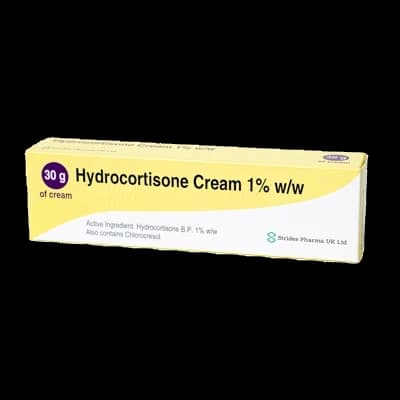
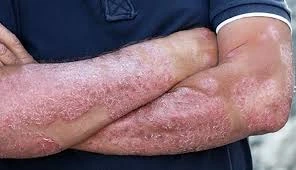
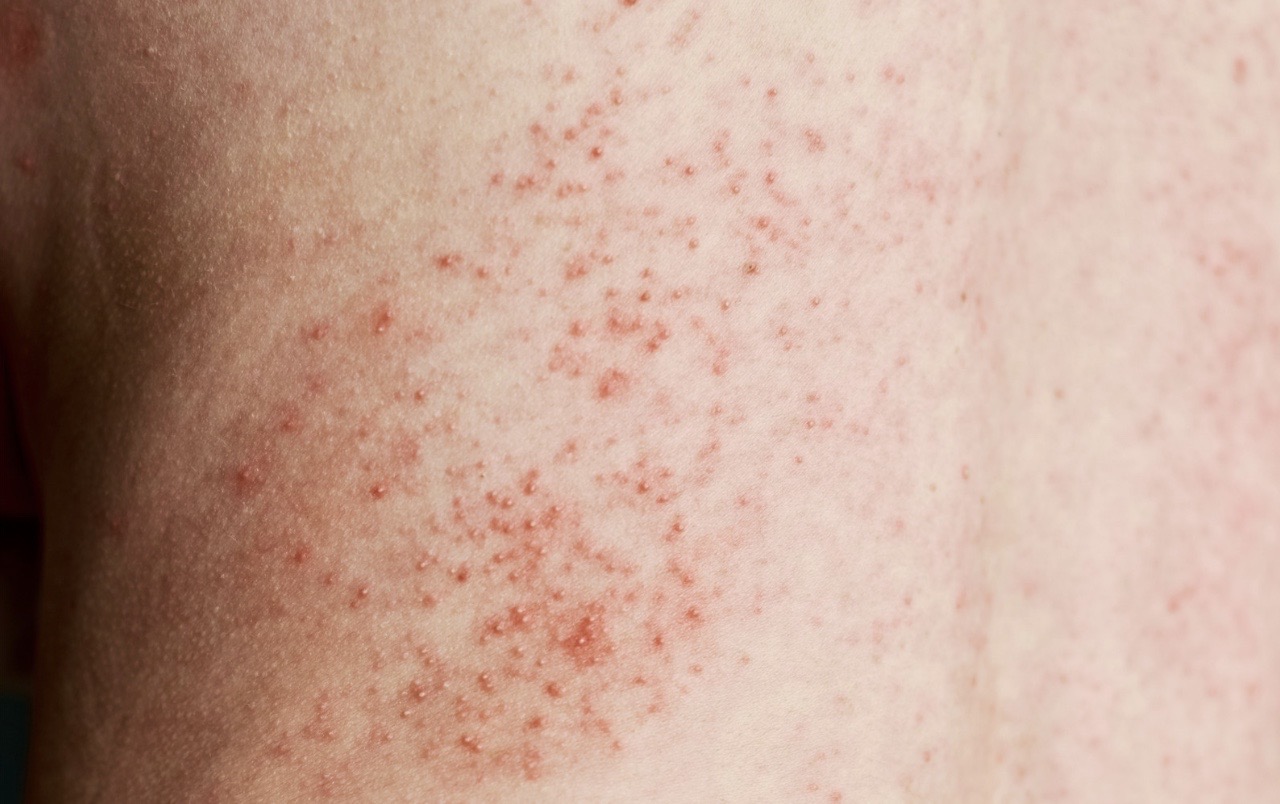
Hydrocortisone 1% cream or ointment is a topical steroid (corticosteroid) used for the treatment of skin conditions such as allergic reactions, insect bites and stings, nappy rash, contact dermatitis, eczema or psoriasis. Hydrocortisone helps to reduce inflammation, soreness and itching.
Hydrocortisone is available with a prescription or over the counter as generic Hydrocortisone or under the brand names Dermacort, Dioderm, Derma Care, HC45, and Zenoxone.
NowPatient offers Hydrocortisone cream or ointment as a generic only as a treatment for psoriasis, following an online consultation with a prescribing clinician.
Key facts of Hydrocortisone ointment
- For the treatment of allergic reactions, insect bites, nappy rash, eczema and psoriasis
- Hydrocortisone ointment can take up to twelve hours to have an effect
- Hydrocortisone ointment has some common side effects which include stretch marks and thinning of the skin
- It can be dangerous if you use Hydrocortisone ointment with certain medications like. If you’re not sure if it is safe, discuss this with the prescribing clinician
Who is Hydrocortisone ointment not suitable for?
Hydrocortisone ointment may not be suitable for some people. To make sure it’s safe for you, speak to the prescribing clinician before using, if you:
- Are allergic to any of its active ingredients
- Suffer from skin infections, not being treated with antibiotics
- Have rosacea or dermatitis around the mouth
- Plan to use it on your face, around your eyes, genital region, or on broken skin
- Have cold sores, acne, impetigo or athletes foot
- Have psoriasis
How and where to get Hydrocortisone ointment?
You can buy Hydrocortisone safely and securely from NowPatient. You can start a consultation today for free and if you qualify for treatment, you only pay for the cost of the medication. Delivery is made to your home or office from our registered pharmacy.
Our service is certified, safe and effective, and we only ever treat conditions. If you book a consultation with a prescribing clinician for the treatment of psoriasis, you can discuss if it is a suitable treatment option for you.
At the end of the consultation, the clinician will decide if a treatment plan is suitable for you. If it is, the clinician will issue you with a prescription which can then be ordered, paid for and delivered directly to your chosen address by NowPatient.
Dosage and strength for Hydrocortisone ointment for psoriasis
Hydrocortisone is available as a cream, ointment and lotion when used for psoriasis. It is available in strengths ranging from 0.1% to 2.5%. The typical dose of hydrocrtisone 1% is, apply once or twice a day for no more than 10 days.
Information about how to use Hydrocortisone ointment for psoriasis
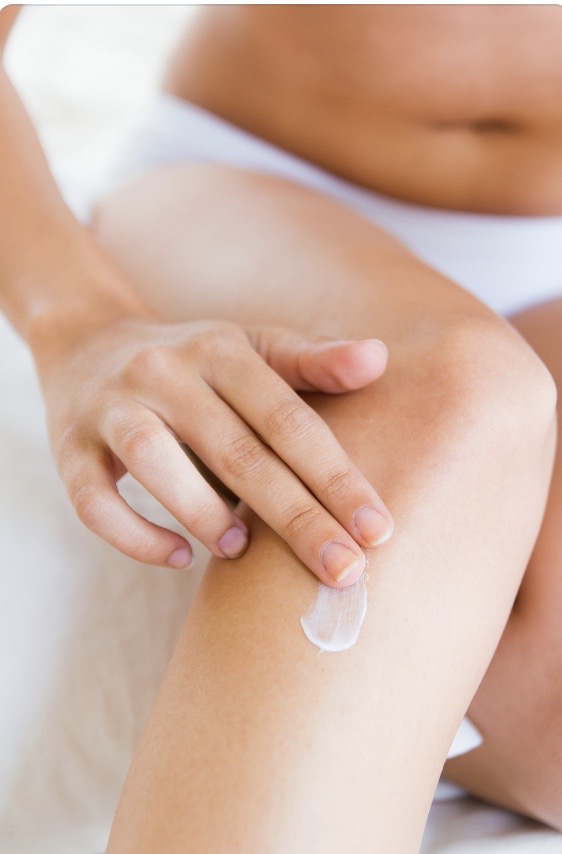
Hydrocortisone 1% cream or ointment should be applied thinly to the affected areas of skin once or twice daily. Moisturising skin creams can be applied, if necessary once Hydrocortisone has been absorbed.
For further information read the patient information leaflet provided or speak to a healthcare professional for medical advice.
What happens if you use too much Hydrocortisone ointment?
If you use more than prescribed, then it can lead to some unpleasant side effects. You should talk to your doctor or reach out to one of our prescribing clinicians, if you have used too much Hydrocortisone ointment and you experience any of the following side effects.
What are the side effects of Hydrocortisone ointment?
Side effects of Hydrocortisone ointment include:
- Skin thinning
- Stretch marks
- Allergic contact dermatitis, acne, rosacea, or hair growth at the application site
If you experience any serious side effects, you should contact NHS 111.
If you experience a serious allergic reaction with the signs shown below you should contact emergency services on 999.
- Your lips, mouth, throat or tongue suddenly become swollen
- You’re breathing very fast or struggling to breathe (you may become very wheezy or feel like you’re choking or gasping for air)
- Your throat feels tight or you’re struggling to swallow
- Your skin, tongue or lips turn blue, grey or pale (if you have black or brown skin, this may be easier to see on the palms of your hands or soles of your feet)
- You suddenly become very confused, drowsy or dizzy
- Someone faints and cannot be woken up
Always report adverse effects to the MHRA yellow card reporting system. You can read more about this here How and where do I report side effects of my medication? – NowPatient
Information about using Hydrocortisone ointment at the same time as other medications or herbal supplements
There is not enough evidence to suggest there are any drug interactions between herbal supplements and Hydrocortisone ointment. In any event, you should let your prescribing clinician know if you are taking any herbal supplements.
Can Hydrocortisone ointment used for psoriasis be used long term?
Do not use Hydrocortisone for any longer than seven days unless instructed to by your doctor.
Is there a herbal Hydrocortisone ointment?
No. Herbal Hydrocortisone does not exist. If you have been marketed such a formulation, it may be fake.
Can women use Hydrocortisone ointment?
Women can use Hydrocortisone, but should not use Hydrocortisone if pregnant or breastfeeding unless advised to do so by your doctor.
Should I avoid any particular food or drink when using Hydrocortisone ointment?
You can eat and drink normally when using Hydrocortisone.
What lifestyle changes can I make to help me with psoriasis?
Modify your lifestyle in a number of ways. This may have a positive impact on your psoriasis.
- Reduce stress
- Reduce illnesses, especially strep infections
- Avoid skin injury
- Limit alcohol intake
- Stop smoking
- Avoid certain foods
- Use moisturisers and emollients to prevent flare-ups
- Take antihistamines to ease the itching
Alternatives to Hydrocortisone ointment
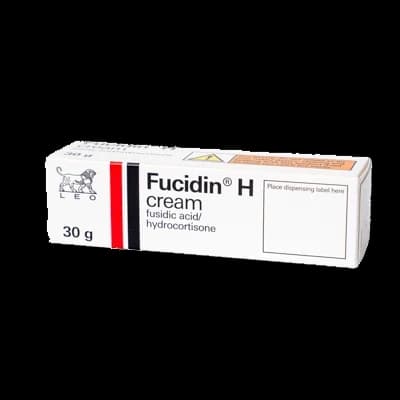
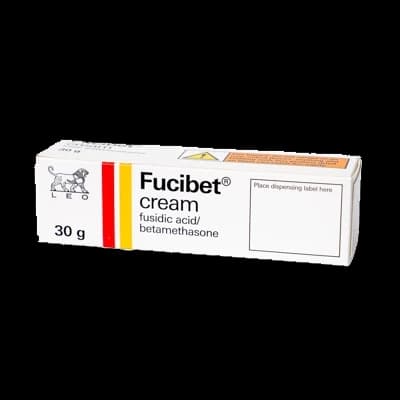
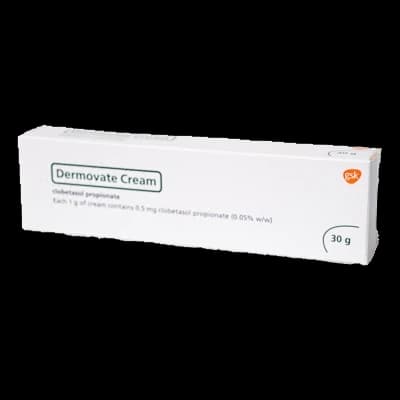
Alternatives for the treatment of psoriasis include Dermovate, Fucidin, and Fucibet cream.
Sources
Medical Disclaimer
NowPatient has taken all reasonable steps to ensure that all material is factually accurate, complete, and current. However, the knowledge and experience of a qualified healthcare professional should always be sought after instead of using the information on this page. Before taking any drug, you should always speak to your doctor or another qualified healthcare provider.
The information provided here about medications is subject to change and is not meant to include all uses, precautions, warnings, directions, drug interactions, allergic reactions, or negative effects. The absence of warnings or other information for a particular medication does not imply that the medication or medication combination is appropriate for all patients or for all possible purposes.
Related Articles
FAQs
Answers to Popular Questions About Hydrocortisone
What is Hydrocortisone cream?
Hydrocortisone cream is a mild topical corticosteroid available in 0.5% and 1% strengths. It is used to treat mild inflammatory skin conditions including eczema, contact dermatitis, insect bites, mild allergic reactions, and nappy rash. Hydrocortisone 1% cream is available over the counter from pharmacies in the UK for short-term use, and it can also be prescribed on the NHS. It is one of the most commonly used topical steroids and is considered safe for use on most body areas, including the face, for short periods.
How does Hydrocortisone work?
Hydrocortisone works by reducing inflammation in the skin. It suppresses the local immune response, decreasing the production of inflammatory chemicals such as prostaglandins, leukotrienes, and cytokines. This reduces redness, swelling, itching, and discomfort. As a mild corticosteroid, hydrocortisone is suitable for mild skin conditions and for use on sensitive areas such as the face and skin folds where stronger steroids could cause damage.
Can I buy Hydrocortisone cream without a prescription?
Yes, hydrocortisone 1% cream is available over the counter from UK pharmacies for the short-term treatment of mild eczema, dermatitis, insect bites, and allergic skin reactions in adults and children over 10 years. A pharmacist will ask questions to ensure it is suitable for your condition. Higher strengths (2.5%) and combined formulations (e.g., with antifungals or antibiotics) require a prescription. For children under 10, a prescription is needed.
How do I apply Hydrocortisone cream?
Apply a thin layer of hydrocortisone cream to the affected area once or twice daily, gently rubbing it in. Use the minimum amount needed — a fingertip unit (FTU) is a useful measure. Apply to clean, dry skin. If using emollients, apply the emollient first and wait at least 30 minutes before applying hydrocortisone. Wash your hands after application. For OTC use, treatment should be limited to a maximum of 1 week on the face and 2 weeks on the body unless directed by a doctor.
Can I use Hydrocortisone cream on my face?
Yes, hydrocortisone 1% is suitable for short-term use on the face (up to 1 week for OTC use, or as directed by your prescriber). It is the mildest topical steroid and is less likely to cause facial skin thinning compared to stronger steroids. However, prolonged use on the face should be avoided. Do not apply around the eyes without medical advice. If facial skin conditions require ongoing treatment, your prescriber may recommend non-steroidal alternatives such as tacrolimus or pimecrolimus.
What are the side effects of Hydrocortisone cream?
Side effects from short-term use of hydrocortisone 1% are uncommon. Mild burning, stinging, or irritation at the application site may occur. With prolonged or excessive use, skin thinning, stretch marks, and telangiectasia can develop, although these are much less likely than with stronger steroids. Contact dermatitis (allergy to the cream base) is rare. Systemic effects from topical hydrocortisone are extremely unlikely with normal use. Follow the recommended duration and amount to minimise any risks.
Is Hydrocortisone safe during pregnancy?
Hydrocortisone cream is generally considered safe in pregnancy when used in small amounts for short periods. It is the preferred topical steroid for pregnant women with mild eczema or dermatitis. Avoid using large quantities over extensive areas for prolonged periods. Always consult your doctor or midwife before using any medication during pregnancy. For many mild skin conditions, emollients alone may be sufficient.
Can I use Hydrocortisone on children?
Hydrocortisone 1% can be used in children, but OTC products are only licensed for children aged 10 and over. For younger children, a prescription is required, and a GP will advise on the appropriate formulation and duration. Hydrocortisone is the steroid of choice for children due to its mild potency. Apply sparingly and for the shortest duration needed. Use emollients regularly as a first-line treatment, with hydrocortisone reserved for flare-ups.
How can I get Hydrocortisone cream?
Hydrocortisone 1% cream is available over the counter from pharmacies without a prescription for adults and children over 10. For children under 10, specific formulations, or prolonged use, a prescription from your GP or an online service like NowPatient is required. NowPatient offers online consultations for convenient prescribing and home delivery.
OUR CUSTOMERS VIEW
What Customers Love About Our Service
We want everyone to be happy and healthy, that’s what keeps us going. Read what some of them have to say about us.
Medicines Experts
Meet Our Medical Team
We are a broad skilled and passionate group of clinicians with experience of operating in health systems in the United Kingdom & United States. Providing excellent care and advice is at the heart of everything we do. You can read more about our medical team by visiting the medical team page or learn more about how we curate content by visiting our editorial process