Buy Promethazine online
Book a quick face-to-face video consultation with a certified prescribing pharmacist, nurse, or doctor. If approved, your Promethazine will be prescribed* and delivered straight to your door with tracked delivery. No hidden fees. No delays. Just expert care.
Promethazine is indicated for the treatment of Motion sickness.
*Includes Free Private Prescription & Consultation.
Manufactured by Sanofi.
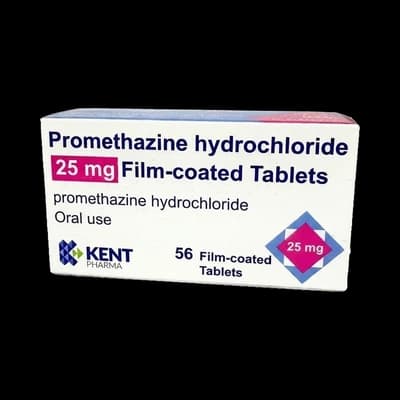

Select pack size & strength
Promethazine
Select pack size & strength
*Your clinician will recommend the right strength and quantity for you during the consultation.
Treatment$84.28
Shipping & import duties$20.00
Total if approved$104.28
How it works
Similar Treatments
Promethazine Alternatives



Order Online
Promethazine Prices
| Brand/Generic | Form | Dosage | Quantity | Price | Delivery Cost | Consultation Cost |
|---|---|---|---|---|---|---|
| PromethazineGeneric | Tablets | 25mg | 56 | $84.28 | $0.00*(with Core+ Plan) | $0.00 |
Key facts about Promethazine
Other Related Names or Treatments
About Promethazine
Promethazine hydrochloride is an antihistamine and has anti-emetic and anticholinergic effects on the body. Promethazine is used to treat insomnia, allergies such as hay fever, symptoms of the common cold (when mixed with paracetamol, dextromethorphan or pseudoephedrine), and the prevention of travel sickness.
Promethazine is alao available as alternative brands of Promethazine such as Sominex, Avoimne and Phenergan. NowPatient offers Promethazine as a treatment for travel sickness only, following an online consultation with a prescribing clinician.
Key facts of Promethazine
- For the treatment of motion sickness
- Take Promethazine the night before a long journey or 1 or 2 hours before a short journey
- Promethazine has some common side effects which include drowsiness, headaches, and dizziness
- Do not drink alcohol when taking Promethazine as this may increase the risk of side effects
- It can be dangerous if you take Promethazine with certain medications like sleeping tablets. If you’re not sure if it is safe, discuss this with the prescribing clinician
Who is Promethazine suitable for?
Promethazine is suitable for most adults.
Who is Promethazine not suitable for?
Promethazine may not be suitable for some people. To make sure it’s safe for you, speak to the prescribing clinician before taking Promethazine if you:
- Have previously had an allergic reaction to Promethazine, or other phenothiazines
- Have glaucoma
- Have high blood pressure
- Have epilepsy
- Have liver, kidney or bladder problems
- Have a weak immune system (bone marrow depression)
- Have asthma, chronic obstructive pulmonary disease, or sleep apnea
- Are pregnant or trying to get pregnant. Promethazine can affect home pregnancy tests
How and where to get Promethazine 25mg tablets?
You can buy Promethazine safely and securely from NowPatient. You can start a consultation today for free and if you qualify for treatment, you only pay for the cost of the medication. Delivery is made to your home or office from our registered pharmacy.
Our service is certified, safe and effective, and we only ever treat conditions. If you book a consultation with a prescribing clinician for the treatment of motion sickness, you can discuss if Promethazine is a suitable treatment option for you.
At the end of the consultation, the clinician will decide if a treatment plan is suitable for you. If it is, the clinician will issue you with a prescription which can then be ordered, paid for and delivered directly to your chosen address by NowPatient.
Dosage and strength for Promethazine for travel sickness
Promethazine is available as tablets, liquid, rectal suppositories, or as injection for intramuscular, or intravenous administration. The dosage for the tablets, solutions, and suppository is 12.5 mg to 50 mg. Promethazine is available as 25mg tablets when used for the treatment of travel sickness.
Information about how to take Promethazine for travel sickness
For the prevention of motion sickness, take 25mg 1 or 2 hours before a short journey or 25mg the night before a long journey. When treating motion sickness, take 25mg immediately and 25mg the same evening, then 25mg the next day, if needed. Read the patient information leaflet supplied with your medication for further information, or speak to your healthcare provider for further medical advice.
What happens if you take too much Promethazine?
If you take more than prescribed, then it can lead to some unpleasant side effects. Promethazine can cause symptoms such as respiratory depression, CNS depression, hypotension, unconsciousness, and sudden death, especially in patients under 2 years of age.
You should talk to your doctor or reach out to one of our prescribing clinicians, if you have taken too much Promethazine and you experience any of the following side effects:
- Drowsiness
- An irregular heartbeat
- Breathing problems
In serious cases, you can become unconscious or have seizures or fits and may need emergency treatment in hospital.
What are the side effects of Promethazine?
Side effects of Promethazine are split into common and serious.
Common side effects include:
- Daytime tiredness
- Blurred vision
- Upset stomach, loss of appetite, diarrhea
- Nightmares
- Dizziness
- Headaches
- Skin sensitivity to sunlight (Use sunscreen and wear protective clothing when outdoors)
- Older adults may experience confusion, dry mouth, blurred vision, and difficulty urinating
Serious side effects include:
- Yellowing of your eyes which may be a sign of liver problems (jaundice)
- Bruising or bleeding easily
- Muscle stiffness or shaking
- Unusual face or tongue movements
- Neuroleptic malignant syndrome (a brain disorder)
If you experience any serious side effects, you should contact NHS 111.
If you experience a serious allergic reaction such as anaphylaxis with the signs shown below you should contact emergency services on 999.
- HIves
- Your lips, mouth, throat or tongue suddenly become swollen
- You’re breathing very fast or struggling to breathe (you may become very wheezy or feel like you’re choking or gasping for air)
- Your throat feels tight or you’re struggling to swallow
- Your skin, tongue or lips turn blue, grey or pale (if you have black or brown skin, this may be easier to see on the palms of your hands or soles of your feet)
- You suddenly become very confused, drowsy or dizzy
- Someone faints and cannot be woken up
Always report adverse effects to the MHRA yellow card reporting system. You can read more about this here: how and where do i report side effects of my medication
Information about taking Promethazine at the same time as other medications or herbal supplements
There may be drug interactions when taking herbal supplements with Promethazine, especially those that cause sleepiness, or dry mouth. Also tell your doctor if you are taking:
- Antidepressants such as monoamine oxidase inhibitors
- Opioids, such as codeine, morphine, or oxycodone
- Other drowsy antihistamines such as chlorphenamine and diphenhydramine
Also, speak with a healthcare professional before you take Promethazine with any other painkillers or medicines.
How long does Promethazine take to work?
Promethazine will start to work within 20 minutes and may continue to work for up to 12 hours.
Can Promethazine be taken long term?
You should only take Promethazine for short periods, unless your doctor says it’s ok to take it longer.
Is Promethazine addictive?
Promethazine is not addictive, but do not take it for longer than advised. If you have taken Promethazine for a long time and suddenly stop, you may feel dizzy or sick. Speak to your doctor before stopping Promethazine if you have taken it for a long time.
Is there a herbal Promethazine?
No. Herbal Promethazine does not exist. If you have been marketed such a formulation, it may be fake.
Can women use Promethazine when pregnant or breastfeeding?
Yes. Promethazine is not harmful to your baby. Also, if your doctor says your baby is healthy, Promethazine can be used during breastfeeding.
Should I avoid any particular food or drink when taking Promethazine?
You can eat and drink normally when taking Promethazine However, do not drink alcohol when taking Promethazine as this may increase the risk of side effects.
Alternatives to Promethazine
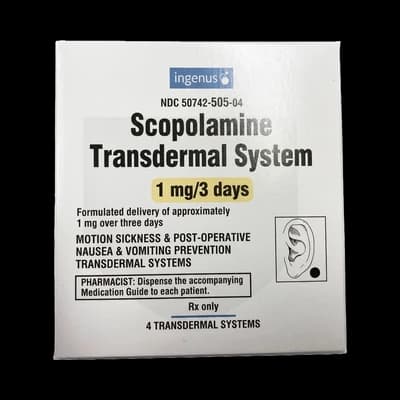
Alternatives for the treatment of motion sickness include Phenergan, Avomine, and Scopoderm (scopolamine).
Sources
FAQs
Answers to Popular Questions About Promethazine
What is Promethazine?
Promethazine is a first-generation (sedating) antihistamine belonging to the phenothiazine class. It is available as promethazine hydrochloride in brands such as Phenergan. Promethazine is a versatile medication used for allergies, hay fever, hives, motion sickness, nausea and vomiting, and as a short-term sedative for sleep difficulties. It is available as tablets (10 mg and 25 mg), oral solution (elixir), and injection. Promethazine is available both over the counter and on prescription in the UK, depending on the indication and formulation.
What is Promethazine used for?
Promethazine has multiple uses in the UK. It is commonly used for: allergic conditions including hay fever, urticaria (hives), and allergic rhinitis; prevention and treatment of motion sickness and nausea; short-term management of insomnia in adults; sedation and anxiety before procedures (premedication); and itching from eczema or other skin conditions. It is also used in emergency medicine as an adjunct in anaphylaxis and is sometimes used off-label for hyperemesis gravidarum in pregnancy under medical supervision.
How does Promethazine work?
Promethazine works by blocking histamine H1 receptors throughout the body, which reduces allergic symptoms such as itching, sneezing, and runny nose. It also blocks muscarinic acetylcholine receptors, contributing to its anti-sickness and drying effects. Additionally, Promethazine blocks dopamine receptors in the brain’s chemoreceptor trigger zone, enhancing its anti-nausea properties. Its ability to cross the blood–brain barrier produces the characteristic sedation, making it useful as a sleep aid but also causing drowsiness as a side effect.
What is the usual dose of Promethazine?
The dose depends on what Promethazine is being used for. For allergies: adults take 10–25 mg at bedtime, or 10 mg two to three times daily. For motion sickness prevention: 20–25 mg the night before travel, then 25 mg the following evening if needed. For short-term insomnia: 25–50 mg at bedtime (adults only, for 7–14 nights maximum). For nausea and vomiting: 25 mg at bedtime, then 12.5–25 mg every 4–6 hours if required. Children’s doses are lower and depend on age and weight — always follow prescriber’s instructions.
Can Promethazine be given to children?
Yes, but only in children aged 2 years and over. Promethazine must NOT be given to children under 2 years due to the risk of respiratory depression and sudden infant death. For children aged 2–5 years, the typical dose for allergies is 5 mg twice daily or 5–15 mg at night. For children aged 5–10 years, 10 mg twice daily or 10–25 mg at night. Promethazine is not recommended as a sleep aid for children. Always use the measuring syringe or spoon provided with the liquid formulation for accurate dosing.
What are the common side effects of Promethazine?
Common side effects of Promethazine include drowsiness (often significant), dry mouth, blurred vision, dizziness, and difficulty concentrating. Gastrointestinal effects such as constipation, nausea, and stomach discomfort may occur. Nightmares, restlessness, and irritability can happen, particularly in children and the elderly. Photosensitivity (increased sun sensitivity) is possible with prolonged use. Thickening of bronchial secretions can worsen symptoms in people with asthma or chronic bronchitis. Most side effects are dose-related and resolve when the medication is stopped.
Does Promethazine affect driving?
Yes, Promethazine significantly impairs alertness and reaction time. You should not drive, cycle, or operate machinery until you know how Promethazine affects you. The sedative effects can persist for several hours and may still be present the morning after an evening dose. The combination of Promethazine with alcohol or other sedating drugs further impairs driving ability. If you need a non-sedating antihistamine for allergies that is less likely to affect driving, consider second-generation options such as cetirizine, loratadine, or fexofenadine.
What drugs interact with Promethazine?
Promethazine has numerous interactions. Alcohol and CNS depressants (benzodiazepines, opioids, gabapentin, pregabalin) cause enhanced sedation. Anticholinergic drugs (tricyclic antidepressants, oxybutynin, tolterodine) increase dry mouth, constipation, and urinary retention risk. Promethazine may reduce the effectiveness of levodopa in Parkinson’s disease. It can prolong the QT interval and should be used cautiously with other QT-prolonging drugs. It may mask ototoxicity from aminoglycoside antibiotics and interfere with skin allergy testing.
Can I buy Promethazine without a prescription?
Some Promethazine products are available over the counter in the UK. Phenergan Night Time (25 mg tablets) for short-term insomnia in adults and Phenergan Elixir (for allergy relief) can be purchased from pharmacies after a discussion with the pharmacist. Higher doses or injectable forms require a prescription. You can also obtain Promethazine through your GP or online services like NowPatient with a valid prescription.
Is Promethazine safe in pregnancy?
Promethazine has been widely used in pregnancy and is generally considered one of the safer antihistamines for pregnant women. It is sometimes used to manage severe morning sickness (hyperemesis gravidarum). NICE and the RCOG include promethazine among the treatment options for nausea and vomiting in pregnancy. However, it should be used at the lowest effective dose and for the shortest duration. Avoid use near delivery as it may sedate the newborn. Always consult your doctor or midwife before taking Promethazine during pregnancy.
Related Articles

Your health shouldn’t wait.
Consultations, prescriptions, medication delivery, health monitoring – all in one place.

Rated excellent on Trustpilot
Wow! Excellent customer service. I submitted an email query, had a call…
Alison Hurst
I do not leave reviews, due to time and a rare condition I have. I…
Sherry M
Great experience getting the med. Clinician was very thorough.
Barbara Hill
Cannot speak highly enough of the service and assistance I have…
CJH
Very good experience - the clinician asked intelligent questions about…
Phil Daoust
Really excellent. Very thorough and professional pharmacist who guided…
Colin Glass
Meet our medical team
We are a broad skilled and passionate group of clinicians with experience of operating in regulated health systems in the United Kingdom & United States. Providing excellent care and advice is at the heart of everything we do.