
Motion Sickness Treatments
* Includes Free Private Prescription & Consultation.
† Applies to UK only.

START YOUR TREATMENT TODAY
Available Treatments for Motion Sickness
SAFE PRESCRIBING
Get Started With the Right Treatment for You
MEDICAL INFORMATION
Motion Sickness Key Facts
Motion Sickness is a condition that affects some people when travelling. It may be referred to as seasickness, airsickness, carsickness, space Motion Sickness, or space adaptation syndrome, depending on the form of travel. Here, we will take a closer look at the causes, symptoms, and treatments for Motion Sickness.
What is Motion Sickness?
Motion Sickness occurs when the eyes, inner ears, muscles, and joints, receive conflicting information to the brain, leading to disorientation. Common symptoms of Motion Sickness include nausea, dizziness, headaches, vomiting, pale skin, a cold sweat, and an increased production of saliva.
Causes of Motion Sickness
Motion Sickness is caused by conflicting information received by the central nervous system. This can be caused by different forms of travel, such as cars, buses, trains, airplanes, or boat, as well as amusement park rides, virtual reality experiences, or while reading in a moving vehicle. This mismatch of signals from the vestibular, visual and somatosensory systems all add to the symptoms of Motion Sickness.
Risk factors affecting Motion Sickness
Susceptibility to Motion Sickness will vary based on several factors. Women, children, and those with a history of migraines are most likely to experience Motion Sickness, but age, fitness, and changes in the balance of hormones also plays a role.
Prevention of Motion Sickness
Various strategies can help reduce the risk, these include:
- Choosing the right seat: Taking the front seat in a car, sitting over the wing of an aeroplane, or choosing a cabin at the front or middle of a boat
- Focusing on the horizon to reduce sensory conflict. Also, avoiding reading or using electronic devices
- Avoiding triggers such as amusement park rides, strong odors, greasy food, and cigarette smoke
- Getting fresh air
- Maintaining a proper diet and hydration: Eating light meals low in calories and drinking plenty of water can help relieve symptoms. Also, limit alcohol before and during travel
- Mind-body techniques such as, deep breathing exercises, meditation, and acupressure wristbands
Medications for Motion Sickness
Sometimes, medication may be needed for the treatment of Motion Sickness. These include:
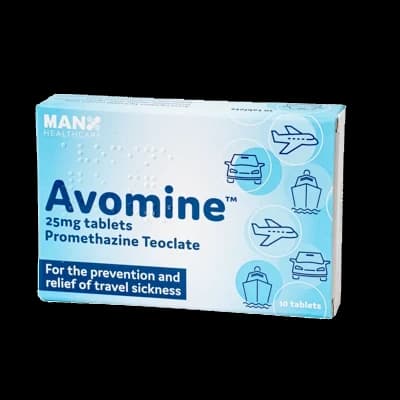
- Over-the-counter antihistamines, such as diphenhydramine (Benadryl) and dimenhydrinate (Dramamine), block histamine receptors in the brain, reducing signals that trigger nausea and vomiting. These can however cause drowsiness, dry mouth and blurred vision as a side effect. Other over-the-counter options include cyclizine and promethazine
- Prescription medications may be recommended for more severe symptoms of Motion Sickness. These include, scopolamine, which as a patch, can be applied behind the ear before travel. Meclizine is another option, but is not currently available in the U.K.
Natural remedies and alternative therapies
Natural remedies and alternative therapies may also offer some relief from Motion Sickness. These include:
- Ginger: Consumed as raw ginger, ginger ale, ginger tea, or ginger candies. Speak to your doctor before using ginger if you are taking blood-thinning medications or have any other medical conditions
- Peppermint: Consumed as peppermint tea or inhaled through its aroma. Those with certain gastrointestinal conditions should consult their healthcare provider first
- Acupuncture and acupressure bands to stimulate specific points on the body to alleviate symptoms
Motion Sickness in adults
Adults may develop coping mechanisms to certain types of motion, but susceptibility to Motion Sickness can still occur in adults. Those with other medical conditions such as migraines or vestibular disorders may be more susceptible to Motion Sickness. Preventive measures, medications or alternative treatments can all help manage Motion Sickness symptoms in adults.
Motion Sickness in the elderly
Older adults may also experience a reduction in Motion Sickness due to certain types of motion. However, changes in the vestibular system and other physiological factors can make some older adults more prone to Motion Sickness. Remember to be aware of age-related conditions or medications when taking medication for Motion Sickness in the elderly.
Motion Sickness in pregnant women
Pregnancy may cause changes in hormone levels that may increase the risk of Motion Sickness in women, and pregnant women should be cautious when deciding which medication or alternative therapy to use. Speak with your healthcare provider to ensure the safety of any medications taken.
Migraine and Motion Sickness
Many who suffer from migraines also report Motion Sickness. Both involve a disturbance in the vestibular system which causes similar symptoms. Management of migraines and Motion Sickness can help relieve symptoms in those with this both these conditions.
Vestibular disorders and Motion Sickness
Meniere’s disease or vestibular migraine, can increase the risk of Motion Sickness. Management of both the underlying condition and Motion Sickness is essential for those with vestibular disorders.
Parkinson’s disease and Motion Sickness
Parkinson’s disease can also increase the likelihood of Motion Sickness symptoms. Management of Parkinson’s disease and Motion Sickness can help improve the overall quality of life for those with this condition.
Conclusion
Understanding the causes, symptoms, and treatments available for Motion Sickness is essential when managing and preventing Motion Sickness.
Preventative strategies, medications or the use of natural remedies can effectively alleviate Motion Sickness symptoms, helping you have a more comfortable journey.
Sources
- NHS Motion Sickness
- Better Health – Motion Sickness
- Familydoctor – Motion Sickness
- Mayoclinic – Motion Sickness symptoms and causes
- NIH – Motion Sickness
- Medicalnewstoday – Motion Sickness
Medical Disclaimer
NowPatient has taken all reasonable steps to ensure that all material is factually accurate, complete, and current. However, the knowledge and experience of a qualified healthcare professional should always be sought after instead of using the information on this page. Before taking any drug, you should always speak to your doctor or another qualified healthcare provider.
The information provided here about medications is subject to change and is not meant to include all uses, precautions, warnings, directions, drug interactions, allergic reactions, or negative effects. The absence of warnings or other information for a particular medication does not imply that the medication or medication combination is appropriate for all patients or for all possible purposes.
Related Articles
OUR CUSTOMERS VIEW
What Customers Love About Our Service
We want everyone to be happy and healthy, that’s what keeps us going. Read what some of them have to say about us.
Medicines Experts
Meet Our Medical Team
We are a broad skilled and passionate group of clinicians with experience of operating in health systems in the United Kingdom & United States. Providing excellent care and advice is at the heart of everything we do. You can read more about our medical team by visiting the medical team page or learn more about how we curate content by visiting our editorial process