Buy Nitrofurantoin Online
Book a quick face-to-face video consultation with a certified prescribing pharmacist, nurse, or doctor. If approved, your Nitrofurantoin will be prescribed* and delivered straight to your door with tracked delivery. No hidden fees. No delays. Just expert care.
Nitrofurantoin is indicated for the treatment of Cystitis.
*Includes Free Private Prescription & Consultation.
Manufactured by Mercury Pharma.
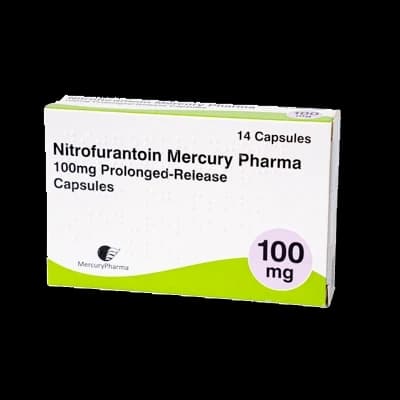

Select pack size & strength
Nitrofurantoin
Select pack size & strength
*Your clinician will recommend the right strength and quantity for you during the consultation.
Treatment$31.30
Shipping & import duties$20.00
Total if approved$51.30
Did you know, that if you are an NHS user in England, you can get Nitrofurantoin to treat Urinary Tract Infections using the NHS Pharmacy First scheme for the same price as your prescriptions
How it works
Similar Treatments
Nitrofurantoin Alternatives
Order Online
Nitrofurantoin Prices
| Brand/Generic | Form | Dosage | Quantity | Price | Delivery Cost | Consultation Cost |
|---|---|---|---|---|---|---|
| NitrofurantoinGeneric | M/R capsules | 100mg | 14 | $31.30 | $0.00*(with Core+ Plan) | $0.00 |
Key facts about Nitrofurantoin
Other Related Names or Treatments
Nitrofurantoin, Macrobid, Macrodantin
About Nitrofurantoin
Nitrofurantoin is an antibacterial agent used for the treatment and/or prophylaxis of bacterial infections, cystitis and urinary tract infections (UTIs).
NowPatient offers Nitrofurantoin as a treatment for cystitis only, following an online consultation with a prescribing clinician.
Key facts of Nitrofurantoin
- Nitrofurantoin is an antimicrobial used to treat bacterial infections, cystitis and UTIs
- Nitrofurantoin can be taken up to 3 days
- Nitrofurantoin has some common side effects which include nausea and vomiting
- It can be dangerous if you take Nitrofurantoin with certain medications. If you’re not sure if it is safe, discuss this with the prescribing clinician
Who is Nitrofurantoin not suitable for?
Nitrofurantoin may not be suitable for some people. To make sure it’s safe for you, speak to the prescribing clinician before taking Nitrofurantoin if you:
- Are allergic to Nitrofurantoin
- Have liver or kidney disease
- Have anemia or folate deficiency (low folic acid in your blood)
- Have diabetes
- Have vitamin B deficiency
- Have glucose-6-phosphate dehydrogenase (G6PD) deficiency
How and where to get Nitrofurantoin?
You can buy Nitrofurantoin safely and securely from NowPatient. You can start a consultation today for free and if you qualify for treatment, you only pay for the cost of the medication. Delivery is made to your home or office from our registered pharmacy.
Our service is certified, safe and effective, and we only ever treat conditions. If you book a consultation with a prescribing clinician for the treatment of cystitis, you can discuss if Nitrofurantoin is a suitable treatment option for you.
At the end of the consultation, the clinician will decide if a treatment plan is suitable for you. If it is, the clinician will issue you with a prescription which can then be ordered, paid for and delivered directly to your chosen address by NowPatient.
Dosage and strength for Nitrofurantoin for cystitis
Nitrofurantoin is available as a modified release capsule and as an oral suspension.
Information about how to take Nitrofurantoin tablets for cystitis
Nitrofurantoin 100mg modified release capsule should be taken twice daily (every 12 hours) until the prescribed course is complete. It is normally a 3-day course for cystitis.
Read the patient information leaflet provided with your medication or speak to a healthcare professional for further advice.
What happens if you take too much Nitrofurantoin?
If you take more than prescribed, then it can lead to some unpleasant side effects. You should talk to your doctor or reach out to one of our prescribing clinicians, if you have taken too much Nitrofurantoin and you experience any of the following side effects:
What are the side effects of Nitrofurantoin?
Side effects of Nitrofurantoin are split into common and serious.
Common side effects include:
- Nausea, vomiting, diarrhoea, and skin rash
- Drowsiness
Serious side effects
- Liver problems – upper abdominal pain, itching, tiredness, loss of appetite, dark urine, pale stools, jaundice (yellowing of the skin or eyes)
If you experience any serious adverse effects, you should contact NHS 111.
If you experience a serious allergic reaction with the signs shown below you should contact emergency services on 999.
- Your lips, mouth, throat or tongue suddenly become swollen
- You’re breathing very fast, have trouble breathing, have shortness of breath (you may become very wheezy or feel like you’re choking or gasping for air), or have chest pain
- Your throat feels tight or you’re struggling to swallow
- Your skin, tongue or lips turn blue, grey or pale (if you have black or brown skin, this may be easier to see on the palms of your hands or soles of your feet)
- You suddenly become very confused, drowsy or dizzy
- Someone faints and cannot be woken up
Always report adverse effects to the MHRA yellow card reporting system. You can read more about this here How and where do I report side effects of my medication? – NowPatient
Information about taking Nitrofurantoin at the same time as other medications or herbal supplements
There is not enough evidence to suggest there are any drug interactions between herbal supplements and Nitrofurantoin. In any event, you should let your prescribing clinician know if you are taking any herbal supplements or other prescription drugs, such as:
- Antacids (magnesium trisilicate)
- Ciprofloxacin, levofloxacin, or moxifloxacin
- Probenecid
Why might Nitrofurantoin not work for cystitis?
Nitrofurantoin may not work for you. A common reason may include aquired Nitrofurantoin resistance.
Can Nitrofurantoin taken for cystitis be taken long term?
Taking a 3-day course of Nitrofurantoin should clear most bladder and urinary tract infections. If your symptoms have not cleared once you have completed your course of Nitrofurantoin, speak to your doctor for medical advice.
Is there a herbal Nitrofurantoin?
No. Herbal Nitrofurantoin does not exist. If you have been marketed such a formulation, it may be fake.
Can women use Nitrofurantoin?
Women can take Nitrofurantoin for the treatment of cystitis. However, Nitrofurantoin should not be used by pregnant women or women who are breastfeeding. Nitrofurantoin can pass into breast milk and harm a nursing baby.
Should I avoid any particular food or drink when taking Nitrofurantoin?
You can eat and drink normally when taking Nitrofurantoin capsules.
What lifestyle changes can I make to help me with cystitis?
You may modify your lifestyle in a number of ways, and this may have a positive impact on your cystitis. Drink plenty of water when suffering from cystitis to flush bacteria through your system and to help keep hydrated to prevent cystitis from recurring. Also, wipe from front to back when you go to the toilet, to prevent infection.
Alternatives to Nitrofurantoin
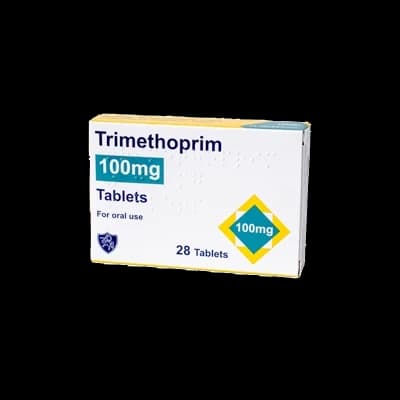
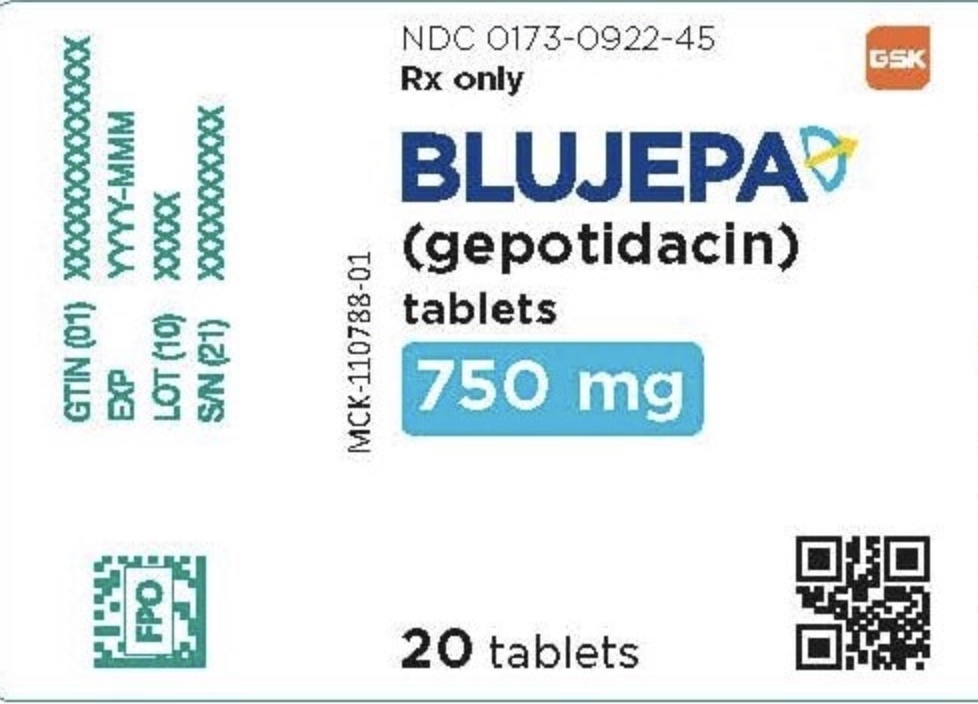
Alternatives for the treatment of cystitis include trimethoprim, quinolones, or amoxicillin.
Sources
FAQs
Answers to Popular Questions About Nitrofurantoin
What is Nitrofurantoin?
Nitrofurantoin is an antibiotic used specifically to treat and prevent urinary tract infections (UTIs). It is available as capsules (50 mg and 100 mg) and a modified-release formulation (Macrobid 100 mg). Nitrofurantoin works directly in the urinary tract and achieves high concentrations in the urine, making it highly effective against common UTI-causing bacteria. It is a first-line treatment for uncomplicated lower UTIs (cystitis) in the UK and is recommended by NICE guidelines.
How does Nitrofurantoin work?
Nitrofurantoin is a nitrofuran antibiotic that is reduced by bacterial enzymes to reactive intermediates that damage bacterial DNA, RNA, proteins, and cell walls. It is effective against most common UTI pathogens including Escherichia coli, Staphylococcus saprophyticus, Enterococcus faecalis, and Klebsiella species. Importantly, resistance rates remain very low — under 5% in the UK for E. coli — making it one of the most reliable UTI antibiotics available.
What is the difference between Nitrofurantoin and Macrobid?
Macrobid is a brand name for nitrofurantoin 100 mg modified-release capsules. Standard nitrofurantoin capsules (50 mg or 100 mg) are taken four times daily, while Macrobid is taken twice daily due to its modified-release formulation. The convenience of twice-daily dosing makes Macrobid the more commonly prescribed form. Both are equally effective.
What is the usual dose of Nitrofurantoin?
For acute uncomplicated UTI: Macrobid (modified-release) 100 mg twice daily for 3 days (women) or 7 days (men); or standard nitrofurantoin 50 mg four times daily for 3–7 days. For UTI prophylaxis (recurrent UTIs): 50–100 mg once daily at bedtime for 3–6 months. Always take nitrofurantoin with food or milk, as this improves absorption and reduces nausea.
Should I take Nitrofurantoin with food?
Yes, always take nitrofurantoin with food or a glass of milk. Taking it with food significantly improves absorption (by up to 40%) and greatly reduces the most common side effect — nausea. If you take it on an empty stomach, you are much more likely to experience stomach upset.
What are the side effects of Nitrofurantoin?
Common side effects include nausea, vomiting, loss of appetite, and diarrhoea — these are significantly reduced by taking the medication with food. The urine may turn dark yellow or brown, which is harmless. Uncommon but important side effects include pulmonary reactions (breathlessness, cough — stop and seek help), peripheral neuropathy (tingling in hands/feet — stop immediately), and hepatic reactions. These are more common with long-term use.
Who should not take Nitrofurantoin?
Nitrofurantoin should not be used in patients with significant renal impairment (eGFR less than 45 ml/min for treatment courses, or less than 45 ml/min for prophylaxis), as adequate urinary concentrations cannot be achieved and the risk of side effects increases. It should not be used for upper UTIs (pyelonephritis) as it does not achieve adequate blood/tissue levels. It is also contraindicated in G6PD deficiency and in the last trimester of pregnancy.
Can I take Nitrofurantoin during pregnancy?
Nitrofurantoin can be used in pregnancy for UTI treatment during the first and second trimesters when a suitable alternative is not available. It should be avoided at term (from 36 weeks) due to the theoretical risk of neonatal haemolysis. Trimethoprim (an alternative UTI antibiotic) should be avoided in the first trimester. Your doctor or midwife will choose the safest option for your stage of pregnancy.
Can I drink alcohol with Nitrofurantoin?
There is no specific interaction between nitrofurantoin and alcohol. However, alcohol can irritate the bladder and may worsen UTI symptoms. It is generally advisable to avoid or limit alcohol while treating a UTI. Staying well-hydrated with water is more beneficial for recovery.
How can I get Nitrofurantoin?
Nitrofurantoin requires a prescription and is available on the NHS from your GP, walk-in centre, or through online services like NowPatient. For recurrent UTIs, NHS pharmacy services may be able to supply nitrofurantoin under a Patient Group Direction. NowPatient offers convenient online consultations for UTI treatment and home delivery.
Related Articles





Your health shouldn’t wait.
Consultations, prescriptions, medication delivery, health monitoring – all in one place.

Don’t take our word for it
Wow! Excellent customer service. I submitted an email query, had a call…
Alison Hurst
I do not leave reviews, due to time and a rare condition I have. I…
Sherry M
Great experience getting the med. Clinician was very thorough.
Barbara Hill
Cannot speak highly enough of the service and assistance I have…
CJH
Very good experience - the clinician asked intelligent questions about…
Phil Daoust
Really excellent. Very thorough and professional pharmacist who guided…
Colin Glass
Meet our medical team
We are a broad skilled and passionate group of clinicians with experience of operating in regulated health systems in the United Kingdom & United States. Providing excellent care and advice is at the heart of everything we do.