
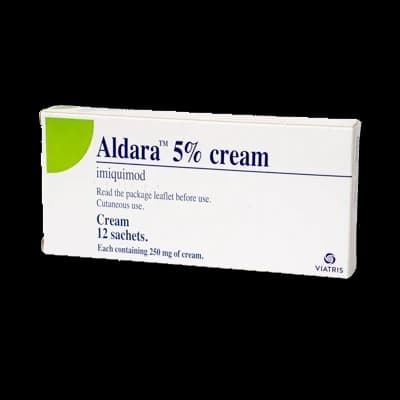
Online Genital warts treatments & prescriptions
Book a quick face-to-face video consultation with a certified prescribing pharmacist, nurse, or doctor. If approved, your Genital warts treatment will be prescribed* and delivered straight to your door with free next-day delivery†. No hidden fees. No delays. Just expert care.
*Includes Free Private Prescription & Consultation.
†Applies to UK only.
Start Your Treatment Today
Available Treatments for Genital warts
Safe Prescribing
Get Started With the Right Treatment for You
No need to visit a doctor or wait for an appointment. With our virtual consultation service, you can see a clinician online from the comfort of your home. Start your free assessment and get a treatment recommendation tailored to you. You only pay if medication is prescribed.
Key facts about Genital warts
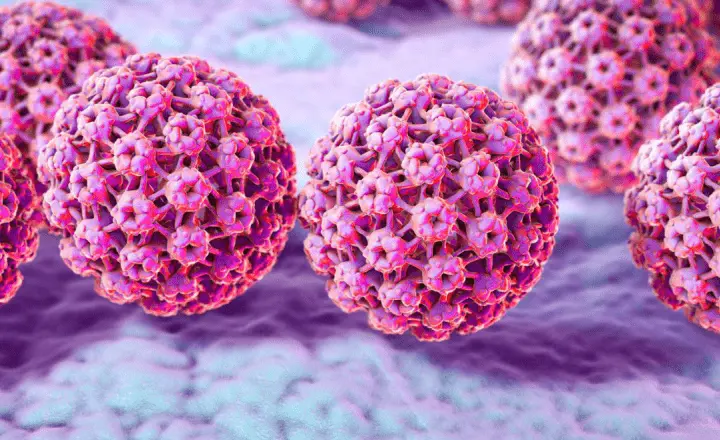
Genital Warts are caused by the human papillomavirus (HPV). According to the CDC (Centers for Disease Control and Prevention) genital HPV infections are the most commonly transmitted sexually transmitted infection in the U.S. Here, we will take a closer look at Genital Warts. Their causes, symptoms, treatment options, and how to prevent them from being transmitted.
What are Genital Warts?
Genital Warts are classed as an STI (sexually transmitted infection). Genital Warts are lumps or growths that appear in and around the genitals. They vary in size and shape, from small lumps to larger clusters, that look like cauliflowers. The virus can remain dormant in the body and not everyone infected with the HPV virus will develop symptoms.
What causes Genital Warts?
Genital Warts are caused by certain strains of HPV that are spread through sexual contact, during vaginal, oral or anal sex.
What are the symptoms of Genital Warts?
Symptoms of Genital Warts will vary from person to person. Some individuals may not experience any symptoms, but when they do appear, they may look like small, flesh-colored lumps on the vagina, vulva, penis, anus, or rectum. Genital Warts may also occur internally, on the opening to the urethra, cervix, inside the vagina, or in the anus. Genital Warts may cause itching, discomfort, or bleeding, or may not cause any pain at all.
Diagnosis of Genital Warts
If you think you have Genital Warts, speak to your doctor or a nurse. They will visually inspect the affected area to identify the Genital Warts. You may also need to have a biopsy taken to rule out other conditions. Make sure you give your doctor your full sexual history to ensure an accurate diagnosis.
What are the treatment options for Genital Warts?
HPV is a sexually transmitted disease (STD) with no cure. There are however various treatments available to manage and remove Genital Warts. Treatment will depend on the size, location, and number of warts. Treatments include topical applications, cryotherapy, laser treatment, or removal of the warts surgically. These treatments will remove visible warts, but will not treat the HPV infection itself.
Topical treatments
Topical treatments are applied directly to the warts. These work by stimulating the body’s immune response to destroy the warts. Creams and solutions may be applied over a period of time. Do not use over-the-counter wart treatments on Genital Warts, as they may not be effective or may be too harsh.
Cryotherapy
Cryotherapy uses liquid nitrogen to freeze warts, causing them to blister and fall off. Multiple treatments may be needed for the complete removal of warts. Common side effects include mild pain or discomfort during and after the procedure. Discuss your treatment and any concerns you may have with your healthcare provider.
Laser Treatment
Laser treatment is often used for larger or more difficult to remove warts. It uses a focused beam of light to target and destroy the warts. You may require a local anesthetic to numb the area prior to treatment. Once again, you may require multiple treatments to remove the warts.
Surgical Removal
Surgical removal, such as excision or electrosurgery, involves cutting or burning the wart off, under local anesthetic. Surgical removal may be used for larger or more extensive warts that have not responded to other treatments. Speak to your healthcare provider for medical advice and for the risks and benefits of this form of treatment.
How do I prevent Genital Warts?
Prevention requires practicing safe sex and taking advantage of available vaccination options.
HPV Vaccination
Vaccination is recommended for both males and females. It is an effective form of prevention, that helps to reduce the high risk of contracting Genital Warts and certain types of cancer. Side effects are mild, but may include soreness at the injection site, headaches, fever or flu-like symptoms. Speak to your healthcare provider for medical advice and follow the recommended vaccination schedule.
Safe Sexual Practices
Practicing safe sex will reduce your risk of contracting or spreading Genital Warts. Use condoms correctly during sexual activity and limit sexual partners to reduce the risk. Regular screenings for STIs is also important, as well as discussing your sexual health with your partner to ensure shared responsibility.
What are the complications of Genital Warts?
Genital Warts do not normally cause serious health problems, but visible warts can cause emotional and psychological distress. In addition, certain strains of HPV may also be linked to an increased risk of developing certain types of cancer. Regular screening will help to detect and manage any potential problems associated with Genital Warts.
Seeking Medical Assistance
If you think you have symptoms of Genital Warts, speak to a healthcare professional for a diagnosis. Discuss your options, and how to prevent future outbreaks. Also, make sure you have regular check-ups and screenings, to maintain your sexual health and well-being.
Frequently asked questions
How are Genital Warts transmitted?
Genital Warts are transmitted through skin-to-skin contact during vaginal, anal, or oral sex. Condoms do not provide full protection against HPV infection as the virus can infect the scrotum, thighs, or groin, which are not covered by a condom.
How do I know I have Genital Warts?
Symptoms include growths or lumps on the skin around the genital area. Warts vary in size, shape, and texture, from being small and flat, to large cauliflower-like clusters.
Can I treat Genital Warts at home?
Topical medications prescribed by your doctor are available for use at home. These treatments are safe and effective, but you must follow the instructions to avoid adverse reactions.
How do I stop getting Genital Warts?
Engaging in safe sex will reduce your risk of contracting Genital Warts. Using condoms correctly, regular STI screening and talking openly with your sexual partners, as well as limiting the number of sexual partners you have, will all help to prevent the transmission of the virus.
Are there vaccines to prevent Genital Warts?
Vaccines are available for the prevention and reduction of HPV infections as well as the risk of developing Genital Warts and related cancers. The vaccine is recommended for both males and females. The vaccine is most effective when given before sexual activity begins, but those who are already sexually active will still benefit from receiving the vaccine.
What natural remedies can I use for Genital Warts?
There is limited evidence that natural remedies are effective for the treatment of Genital Warts. However, natural remedies that are used, include tea tree oil, apple cider vinegar, garlic, and aloe vera. Speak to your doctor before using any such alternatives.
What self-care tips are there for managing Genital Warts?
Self-care tips include good hygiene, avoiding sex when being treated, avoiding picking at the warts, loose-fitting clothing, and having a healthy diet and exercising regularly to maintain a healthy immune system.
Can Genital Warts cause Cancer?
Most HPV infections do not lead to serious complications, but certain types of HPV can cause cancer. These include anal, head and neck, penile and cervical cancer. You should make sure you have regular screenings to prevent HPV-related cancers.
Prognosis and long-term outlook
Genital Warts can be treated and managed effectively with the correct medical treatments. With regular follow-ups, the prognosis is good. Remember, HPV infections can clear over time, without treatment, but you should continue to practice safe sex and have regular screenings to monitor your overall health.
Conclusion
Genital Warts are common sexually transmitted infections that may cause unsightly and uncomfortable symptoms. Treatments such as topical applications, cryotherapy, or laser treatments are however available. You may also help to reduce your risk of infection by practising safe sex and receiving the HPV vaccination, both of which will improve your overall sexual health and well-being.
References
Related Articles


Your health shouldn’t wait.
Consultations, prescriptions, medication delivery, health monitoring – all in one place.

Rated excellent on Trustpilot
Wow! Excellent customer service. I submitted an email query, had a call…
Alison Hurst
I do not leave reviews, due to time and a rare condition I have. I…
Sherry M
Great experience getting the med. Clinician was very thorough.
Barbara Hill
Cannot speak highly enough of the service and assistance I have…
CJH
Very good experience - the clinician asked intelligent questions about…
Phil Daoust
Really excellent. Very thorough and professional pharmacist who guided…
Colin Glass

Meet our medical team
We are a broad skilled and passionate group of clinicians with experience of operating in regulated health systems in the United Kingdom & United States. Providing excellent care and advice is at the heart of everything we do.