Allergic Rhinitis/Asthma Profile Test
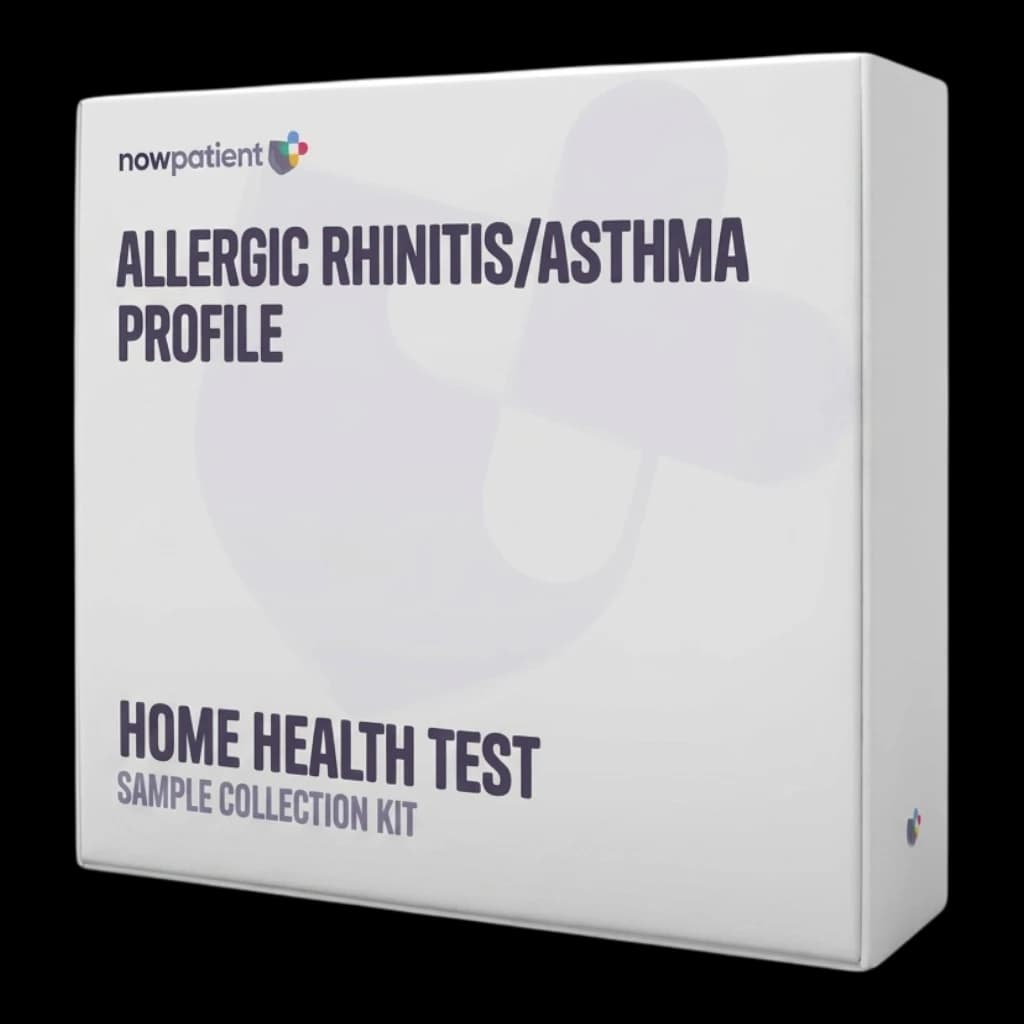
Do you suffer from Allergic rhinitis or Asthma? Our Allergic Rhinitis/Asthma test can check if you have an allergy to cat or dog dander, Common silver birch, Timothy grass, dust mite, Alternaria alternata, Aspergillius fumigatus, Cladosporium herbarum, Mugwort, London plane, Peanut, Egg white, or Cow’s milk.

MEDICAL INFORMATION
Allergic Rhinitis/Asthma Profile Test Key Facts
How do home allergic rhinitis and asthma profile tests work?
Home allergy tests work in different of ways, depending on the type of test:
- Blood tests are used to measure the levels of immunoglobulin E (IgE), an antibody produced by your immune system in response to common allergens. A finger prick device is used to take a blood sample which is sent to a lab for testing. This test can help to identify proteins within allergens that trigger allergic reactions
- With skin prick tests the allergen is placed on your skin. The skin is then pricked, allowing the allergen to enter under the skin. The skin is then monitored for signs of swelling or redness
- Olfactory tests, which are used to assess a person’s sense of smell
- Exhaled nitric oxide tests which measure the levels of nitric oxide gas in your breath. High levels of nitric oxide is a sign of asthma
Top tests for diagnosing allergic rhinitis and asthma
The top tests for diagnosing allergic rhinitis and asthma include skin tests, blood tests and spirometer tests. A spirometer measures how much and how quickly a person can breathe air in and out. Other tests used to diagnose allergic rhinitis and asthma include patch tests, physical examinations by your doctor, oral challenge tests, and scans of your lungs or sinuses.
Allergic rhinitis and asthma: When should you get tested?
You should get tested for allergic rhinitis or asthma if you have symptoms of either. Allergy symptoms of allergic rhinitis include sneezing, a runny nose, an itchy or blocked nose, red or watery eyes, sinus inflammation or pain, tiredness and post-nasal drip. Symptoms of asthma include a tight chest, shortness of breath, coughing and wheezing.
What is the most specific test for allergic rhinitis?
The best test for allergic rhinitis will depend on the situation. Tests include:
- Blood tests (IgE allergy test, Immunoglobulin E, Specific IgE, RAST (radioallergosorbent test) or Total IgE test) that measure the levels of allergens in the blood
- Or the skin prick test, which is able to diagnose allergies to dust mites, pet dander, and pollen. It is important to note that the recent use of antihistamines, corticosteroids, or tricyclic antidepressants will affect the results
What are the benefits of allergic rhinitis and asthma profile tests?
The benefits of allergic rhinitis and allergic asthma profile tests is the identification of triggers. This can help your healthcare provider develop effective treatment plans. This may include the prediction of when your allergies and asthma may be worse and help guide allergen immunotherapy when indicated. Allergy testing can also help diagnose other medical conditions, such as dermatitis and food allergies.
Frequently Asked Questions about allergic rhinitis/asthma profile tests
What does an allergic rhinitis/asthma profile test include?
An allergic rhinitis/asthma profile test includes a blood test to measure total IgE levels and individual IgE levels for specific allergens, such as cat dander and dog dander, Common silver birch, Timothy grass, dust mite (dermatophagoides, pteronyssinus), Alternaria alternata, Aspergillius fumigatus, Cladosporium herbarum, Mugwort, London plane, peanut, egg white and cow’s milk.
Can allergy tests help in diagnosing asthma?
Allergy tests can not help to diagnose asthma but may help to identify if an allergy is triggering asthma symptoms.
What are the most common triggers for allergic rhinitis and asthma?
The most common triggers for allergic rhinitis and asthma are:
- Pollen which is a common trigger for hay fever
- House dust mites
- Animal proteins
- Mould spores
- Poor air quality
- Changes in the weather and temperature
How is an allergic rhinitis profile test different from a standard asthma test?
The difference between an allergic rhinitis test and a standard asthma test is, the allergic rhinitis profile test measures levels of IgE antibodies in the blood, while an asthma spirometry test measures the volume of air a person can hold and how fast they breathe.
What treatments are recommended based on Allergic Rhinitis/Asthma profile test results?
Treatments for allergic rhinitis and asthma include:
- Corticosteroids to reduce inflammation
- Antihistamines
- Biologics
- Immunotherapy
Medical Disclaimer
NowPatient has taken all reasonable steps to ensure that all material is factually accurate, complete, and current. However, the knowledge and experience of a qualified healthcare professional should always be sought after instead of using the information on this page. Before taking any drug, you should always speak to your doctor or another qualified healthcare provider.
The information provided here about medications is subject to change and is not meant to include all uses, precautions, warnings, directions, drug interactions, allergic reactions, or negative effects. The absence of warnings or other information for a particular medication does not imply that the medication or medication combination is appropriate for all patients or for all possible purposes.
OUR CUSTOMERS VIEW
What Customers Love About Our Service
We want everyone to be happy and healthy, that’s what keeps us going. Read what some of them have to say about us.
Medicines Experts
Meet Our Medical Team
We are a broad skilled and passionate group of clinicians with experience of operating in health systems in the United Kingdom & United States. Providing excellent care and advice is at the heart of everything we do. You can read more about our medical team by visiting the medical team page or learn more about how we curate content by visiting our editorial process