Weight Loss Injections and Contraception or HRT: What You Need to Know

A Woman reading an article

Created
(Current Version)

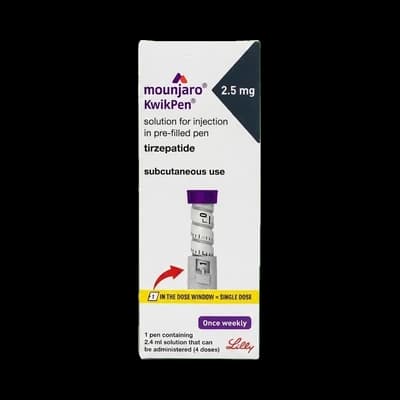
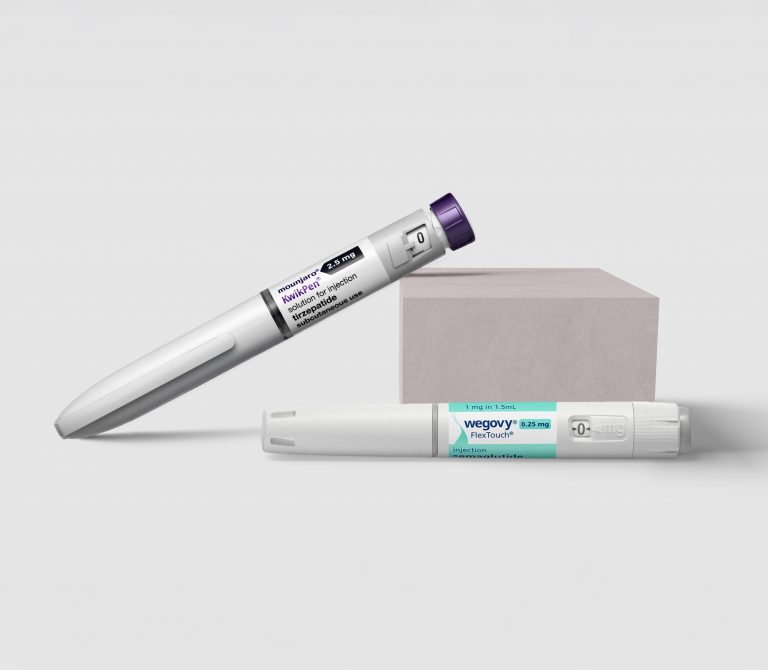
If you’re taking a GLP-1 weight loss injection like Mounjaro (tirzepatide) or Wegovy (semaglutide), it’s important to understand how these medications can affect your contraception and hormone replacement therapy (HRT).

This guide explains what to be aware of and when to speak to your doctor.

What are GLP-1 weight loss injections?

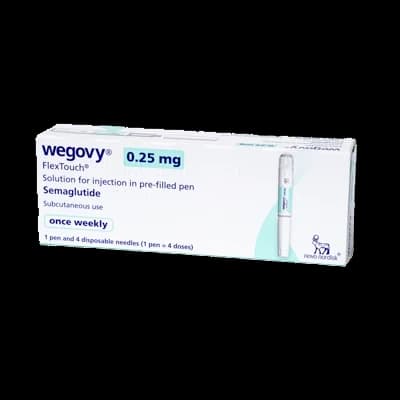
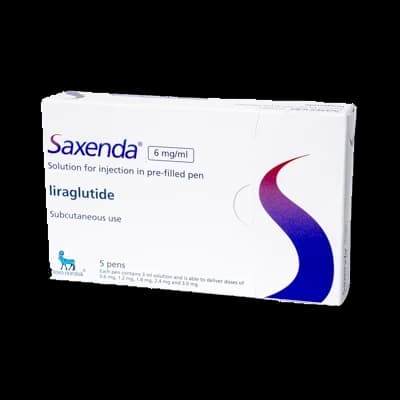
GLP-1 receptor agonists are a newer class of medication used for weight loss and/or diabetes management. You may know them by brand names such as Ozempic, Wegovy Pills, Wegovy Injections (semaglutide), Mounjaro, Zepbound (tirzepatide) or Foundayo (Orforglipron).

While NHS availability in the UK is still limited, many women are obtaining these medications through private prescribing services like NowPatient. If you’re one of them, there are some important things to consider about how these drugs interact with contraception and HRT.

Can weight loss injections affect the contraceptive pill?

Yes. Particularly if you are taking tirzepatide (Mounjaro). Research has shown that tirzepatide can slow down digestion and reduce how effectively your body absorbs oral medications, including the contraceptive pill. In simple terms, the pill may not work as well while your body is adjusting to tirzepatide or after a dose increase.

This effect has not been seen with semaglutide (Wegovy/Ozempic) or other GLP-1 medications. The concern specifically relates to tirzepatide and oral contraception.

It’s also worth knowing that weight loss itself can improve fertility, so even without a direct drug interaction, losing weight may increase your chances of becoming pregnant if you’re relying on contraception.

What should I do if I’m on Mounjaro or Zepbound and also on the pill?

The Faculty of Sexual and Reproductive Healthcare (FSRH) recommends that if you start tirzepatide or have a dose change, you should use an additional method of contraception such as condoms, or switch to a non-oral method (like the implant, injection, coil, or patch) for four weeks afterwards. After about four weeks at a stable dose, your body adjusts and absorption is less affected.

If you’re using semaglutide, you don’t need to change your contraception, but it’s always sensible to mention all your medications to your doctor or sexual health clinic.

What if I want to get pregnant after stopping my weight loss injection?

You should leave a gap between your last dose and trying to conceive. The recommended waiting times are:

  • Tirzepatide (Mounjaro, Zepbound): at least one month after your last dose
  • Semaglutide (Wegovy, Ozempic): at least two months
  • Exenatide: at least 12 weeks

These medications should also be stopped while breastfeeding, as there isn’t enough safety data to confirm they’re safe for your baby.

If you’re using a GLP-1 medication for diabetes rather than weight loss, speak to your doctor before stopping and they’ll help you plan a safe approach to conception.

How do weight loss injections affect HRT?

If you’re taking HRT, the picture depends on what type you’re using.

If your entire HRT regime is non-oral – for example, oestrogen patches combined with a hormonal coil (Mirena) or a combined patch, then GLP-1 medications should not cause any problems, as nothing passes through your digestive system to be affected.

If you take oral HRT (tablets for both oestrogen and progestogen), any reduction in absorption would affect both hormones equally, so the balance between them is maintained. You might notice your HRT feels slightly less effective, but the safety profile isn’t altered.

The group that needs to be most careful is women using skin patches or gel for oestrogen (which won’t be affected by the GLP-1) combined with an oral progestogen tablet. In this scenario, the oestrogen keeps working fully while the progestogen absorption may be reduced. This imbalance matters because the progestogen’s job is to protect your womb lining from the effects of oestrogen. Without enough progestogen, there is an increased risk of the womb lining thickening abnormally.

What should I do if I’m on HRT and a weight loss injection?

The British Menopause Society suggests:

  • Ideally, switch to a non-oral progestogen such as the Mirena coil or a combined patch so that your entire HRT regime bypasses your digestive system.
  • If you prefer to stay on oral progestogen, discuss with your doctor whether a temporary dose increase might be appropriate when starting or increasing your GLP-1 medication.
  • Report any unexpected bleeding promptly. While irregular bleeding can have many causes, it may warrant investigation sooner rather than later if you’re on a GLP-1 alongside HRT with oral progestogen.

Key takeaways

Make sure your doctor knows about all medications you’re taking, including privately prescribed weight loss injections. If you’re taking tirzepatide, ask your doctor or pharmacist to review your contraception and HRT. Don’t stop any medication without medical advice, but do book a review so your healthcare team can check everything works safely together.

When to see your doctor

Book an appointment if any of the following apply to you:

  • you’ve started a GLP-1 weight loss injection and are using the contraceptive pill;
  • you’re on HRT with oestrogen patches or oestrogen gel and an oral progestogen tablet;
  • you’re planning a pregnancy and currently using a GLP-1 medication;
  • or you experience any unexpected vaginal bleeding.
Medical Disclaimer

NowPatient has taken all reasonable steps to ensure that all material is factually accurate, complete, and current. However, the knowledge and experience of a qualified healthcare professional should always be sought after instead of using the information on this page. Before taking any drug, you should always speak to your doctor or another qualified healthcare provider.

The information provided here about medications is subject to change and is not meant to include all uses, precautions, warnings, directions, drug interactions, allergic reactions, or negative effects. The absence of warnings or other information for a particular medication does not imply that the medication or medication combination is appropriate for all patients or for all possible purposes.

Related Articles