

















As estrogen falls during perimenopause and menopause, fat redistributes from hips and thighs toward the abdomen. Menopause increases abdominal fat and decreases lean muscle mass. This visceral fat is more metabolically active and tied to cardiovascular risk. Women in menopause may gain visceral fat that raises the likelihood of heart disease, type 2 diabetes and metabolic syndrome.
Data from the SWAN (Study of Women’s Health Across the Nation) cohort show that fat mass increases accelerate from about 1.0% per year before the transition to roughly 1.7% per year during it, while lean mass starts to decline. This loss of muscle mass is significant because it lowers resting metabolic rate. Menopause reduces resting metabolic rate, leading to fewer calories burned at rest in your 40s, 50s and beyond.
Estrogen decline during menopause increases insulin resistance. Higher fasting blood glucose and impaired insulin sensitivity make it easier to gain weight and harder to lose it. Menopause also alters appetite regulation, making it less effective. Hormones that signal fullness and hunger (like leptin and ghrelin) shift unfavorably.
Sleep disruption from night sweats and insomnia amplifies these problems. Poor sleep raises cortisol, increases cravings for high-calorie foods and drains the energy needed for exercise. Lifestyle factors layer on top: less time for workouts, more stress, caregiving responsibilities and alcohol intake all make menopause weight loss more challenging.

What the evidence says about HRT and menopause weight
Many women worry that hormone therapy will cause weight gain. Large studies do not support this fear.
The Women’s Health Initiative (WHI) randomized trials of oral estrogen with or without progestin versus placebo found no clinically meaningful weight gain directly caused by standard-dose hormone therapy. In some analyses, women on HT had slightly less central weight gain compared with placebo during the first three years. HRT users had lower visceral fat compared to non-users in several observational analyses.
The SWAN cohort confirmed that the menopause transition itself drives increases in total body fat and a shift toward abdominal fat, independent of aging alone. These changes occur whether or not a woman uses hormone therapy.
The Menopause Society’s 2022 hormone therapy position statement notes that hormone therapy does not appear to be associated with significant weight gain and may favor a more favorable body fat distribution in some menopausal women. Transdermal estradiol plus an appropriate progestogen may have more neutral or beneficial effects on triglycerides, insulin resistance and metabolic health compared with some oral regimens.
While some women notice water retention or breast tenderness when starting HRT, high-quality evidence does not support using menopausal hormone therapy as a primary weight loss treatment or as a substitute for nutrition and exercise.
How hormone replacement therapy helps menopause symptoms that affect weight
Even if HRT is not a weight loss medication, it can improve menopause symptoms that make weight management harder. Hormone replacement therapy targets the root causes of menopause symptoms, which in turn can create conditions that support healthier body weight.
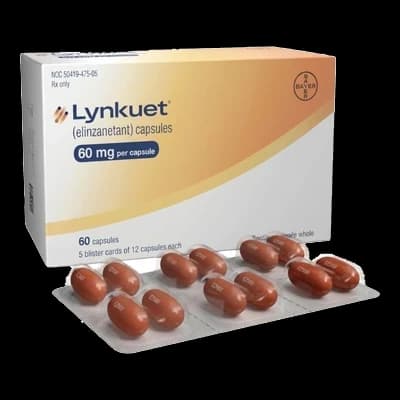
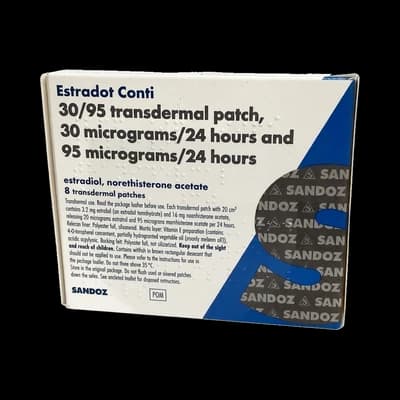

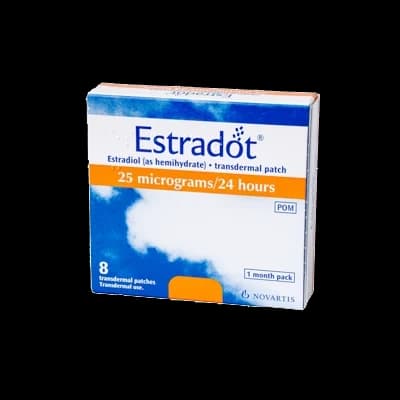
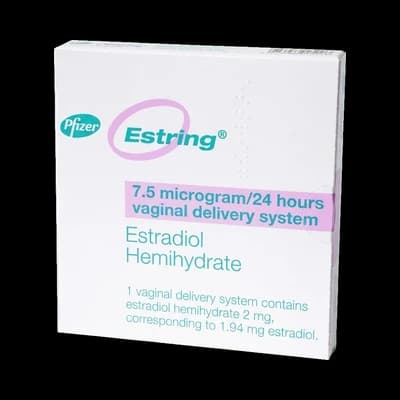
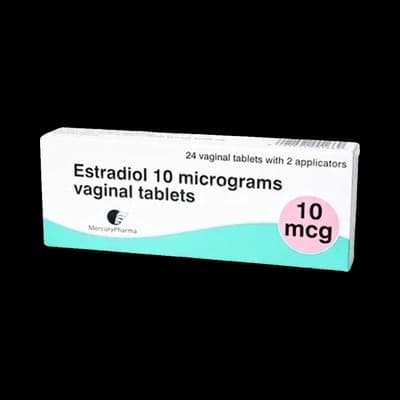

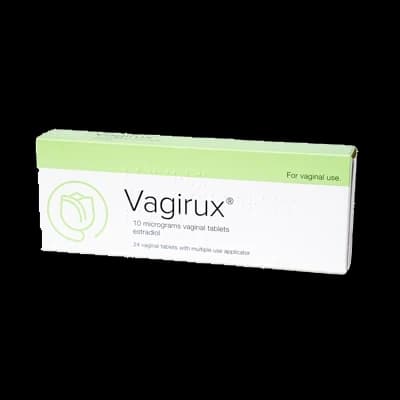
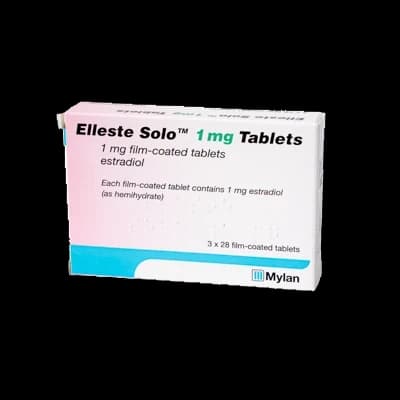
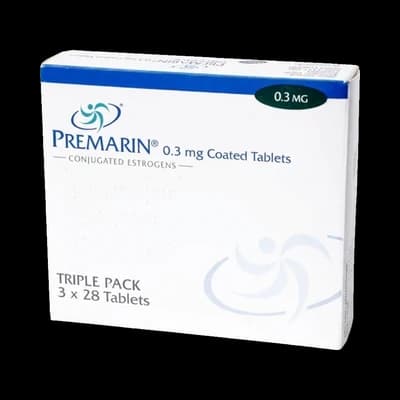
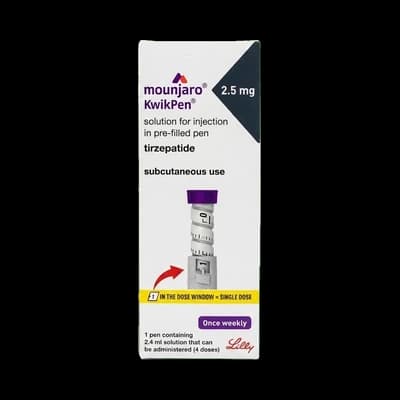
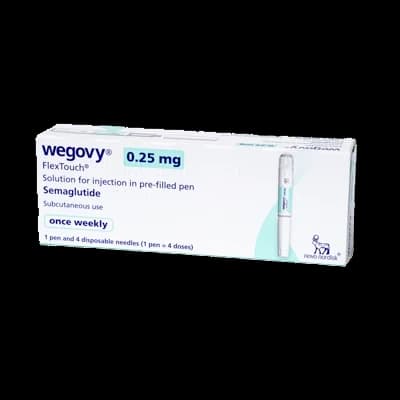
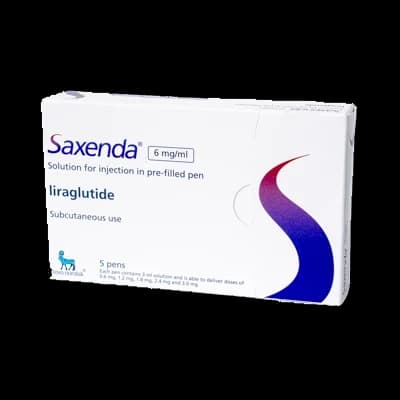
Menopausal symptoms can complicate weight management due to changes in appetite and metabolism. HRT addresses menopausal symptoms that can hinder weight loss in several key ways:
- Hot flashes and sleep: Estrogen therapy (with progesterone for women who have a uterus) can reduce hot flashes, night sweats and sleep disturbances. Better sleep improves hunger hormones, reduces cravings and restores daytime energy for exercise.
- Mood and motivation: HRT can improve mood swings, reduce irritability and ease depressive symptoms in some midlife women, which may decrease emotional eating and improve motivation for healthy routines.
- Muscle and bone: Estrogen supports maintenance of lean muscle and bone mass when combined with resistance exercise and adequate protein intake, helping protect resting metabolism and reducing bone loss.
- Physical comfort: Relieving vaginal dryness, joint pain and overall discomfort can make women more willing and able to be physically active, indirectly supporting weight management.
How GLP-1 medications work for menopause weight loss
GLP-1 (glucagon-like peptide-1) is a hormone made in the gut and brain that is released after eating. It plays a key role in appetite regulation, digestion and blood sugar control.
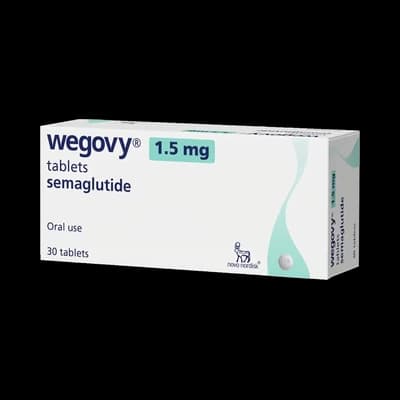
GLP-1 receptor agonists like semaglutide (Wegovy) mimic natural GLP-1 signaling. Tirzepatide (Zepbound) is a dual agonist that activates both GLP-1 and GIP receptors, providing even stronger effects in many trials. GLP-1 medications can reduce appetite and food intake by slowing gastric emptying, increasing feelings of fullness and providing appetite suppression that reduces cravings. They also improve insulin secretion and lower glucagon in a glucose-dependent way. GLP-1 medications improve insulin function and stabilize blood sugar, and they can reduce visceral fat and improve insulin sensitivity.
In the STEP-1 trial, semaglutide (2.4 mg weekly) produced about 15% average weight loss over 68 weeks, compared with 2 to 3% for placebo. Semaglutide users experienced significant reductions in waist circumference. In the SURMOUNT-1 trial, tirzepatide at its highest dose produced up to roughly 20.9% average weight loss. A head-to-head trial published in the New England Journal of Medicine found tirzepatide produced about 20.2% mean weight loss versus 13.7% with semaglutide over 72 weeks.
GLP-1 medications are FDA approved for obesity and weight management in adults meeting BMI thresholds, and for type 2 diabetes. They are not specific “menopause drugs,” even though many women in perimenopause and menopause use them as a weight loss medication. Common side effects include nausea, vomiting, diarrhea and constipation. Key warnings include history of medullary thyroid carcinoma or MEN2 syndrome. The active ingredient in each medication differs, and women respond differently, so individual risk and benefit evaluation is essential.

HRT and GLP-1 together: what current research shows
There is growing interest in whether hormone replacement therapy can influence how well GLP-1 medications work for menopause weight loss, but data are still early and mostly observational.
A 2024 Mayo Clinic retrospective study published in the journal Menopause followed about 100 postmenopausal women with overweight or obesity on semaglutide, including a small subgroup using hormone therapy. Women using semaglutide lost 16% of body weight in 12 months. Specifically, women using hormone therapy lost 16% of body weight after 12 months, while women not using HRT lost 12% of body weight after 12 months. The weight loss response was significantly greater in the hormone therapy group, and the difference remained significant after adjusting for age, baseline BMI and other factors based on medical records. However, the sample of HRT users was small, and the design cannot prove that HRT caused the additional weight loss.
A larger 2026 Mayo Clinic observational analysis presented at a US scientific conference included nearly 2,400 women on semaglutide and about 1,500 on tirzepatide. HRT use was linked to significantly greater weight loss with semaglutide. With tirzepatide, HRT users showed greater initial weight loss, but long-term differences were less clear. These conference findings are still being reviewed.
Using GLP-1 medications and hormone therapy together can address distinct metabolic challenges during menopause, but both studies were retrospective and observational, subject to selection bias and confounding. Women on HRT might differ in health status or behaviors. Randomized trials are needed before clinicians can know whether adding HRT truly improves GLP-1 weight loss outcomes. HRT should not be prescribed solely to aid weight loss or enhance the effects of GLP-1. The Menopause Society does not currently recommend prescribing hormone therapy solely to boost weight loss from GLP-1 medications.
Possible biological links between estrogen, GLP-1 and body composition
While clinical data are still emerging, scientists have proposed biological reasons why HRT may enhance the effects of GLP-1 medications on weight loss.
Estrogen boosts the body’s own GLP-1 production. Preclinical research suggests estrogen can increase GLP-1 secretion in gut L-cells and enhance GLP-1 signaling in brain regions that regulate appetite and reward-driven eating. Conversely, estrogen deficiency leads to decreased GLP-1 secretion in menopause, which may partly explain why some postmenopausal women respond less robustly to GLP-1s alone.
Both estrogen and GLP-1 act on the hypothalamus to reduce hunger. They may converge on pathways that govern how cells respond to food reward, potentially reducing cravings for high-calorie foods. Estrogen therapy can also improve insulin sensitivity, reduce visceral fat accumulation and positively affect lipid metabolism, which may complement the fat loss benefits of GLP-1 medications.
These mechanisms are still under investigation and should not be interpreted as proof that HRT guarantees extra GLP-1 mediated weight loss for any individual woman.
Who might consider HRT, GLP-1 medications, or both?
The “right” plan depends on symptoms, medical history, personal preferences and risk profile. Decisions should always be made with a licensed US clinician.
- HRT candidates: Typically women under age 60 or within 10 years of their final menstrual period, with bothersome menopause symptoms (hot flashes, night sweats, sleep disturbance, vaginal dryness) and no major contraindications such as a history of estrogen-sensitive breast cancer, unexplained vaginal bleeding, active liver disease or prior blood clots.
- GLP-1 candidates: Women with a BMI of 30 or higher (or 27 or higher with weight-related conditions like type 2 diabetes, high blood pressure or obstructive sleep apnea), when lifestyle efforts alone have not been enough.
- Both: For example, a 52-year-old woman within a few years of menopause onset who has severe hot flashes, insomnia and significant obesity. Each therapy must be evaluated and monitored individually.
Not all women benefit from HRT while on GLP-1 medications; treatment should be individualized. Some women may do well with HRT plus intensive lifestyle changes without GLP-1s. Others may use GLP-1s with non-hormonal menopause support if they are not candidates for estrogen therapy.
Safety, timing and recent changes in HRT guidance
Many women are understandably concerned about HRT safety because of past headlines about heart attacks and breast cancer. Current expert guidance is more nuanced.
The “timing hypothesis” suggests that starting hormone therapy before age 60 or within about 10 years of menopause may be associated with more favorable cardiovascular risk than starting later. In November 2025, the FDA removed the boxed warning from menopausal hormone therapy labeling, reflecting updated evidence, while still requiring clear risk information. Transdermal estrogen at the lowest effective dose, combined with micronized progesterone when needed, is often preferred for women at higher risk of blood clots.
Key contraindications and precautions to discuss with your clinician:
| Treatment | Major contraindications |
|---|---|
| HRT | History of estrogen-sensitive breast cancer, active blood clots, stroke history, uncontrolled hypertension, active liver disease |
| GLP-1s | History of medullary thyroid carcinoma or MEN2, pancreatitis, severe gastrointestinal disease |
Oral GLP-1 medications may interact with oral HRT by altering absorption rates due to slowed gastric emptying. Transdermal estrogen is preferred to maintain hormone levels unaffected by gastric emptying. Neither HRT nor GLP-1 medications should be started, stopped or combined without medical supervision and regular follow up.
A comprehensive approach: lifestyle strategies that support midlife weight loss
Medications and hormone therapy work best when built on a foundation of realistic, sustainable lifestyle changes tailored to the realities of midlife.
- Strength training: Resistance exercise at least 2 to 3 times per week is a cornerstone for preserving and building lean muscle mass, supporting resting metabolism and improving insulin sensitivity. Examples include resistance bands, bodyweight exercises and free weights. Adequate protein intake and resistance training are important during menopause to preserve muscle.
- Protein intake: Prioritize protein across meals (lean meats, fish, eggs, Greek yogurt, beans, tofu) to support muscle, satiety and blood glucose control. Discuss daily protein goals with a dietitian.
- Sleep hygiene: Keep a consistent schedule, limit screens before bed, keep the bedroom cool and manage night sweats through HRT or non-hormonal strategies. Sleep is a crucial lever for appetite hormones and energy.
- Alcohol moderation: Even a few drinks per week can add calories, worsen sleep and increase hot flashes. Reducing alcohol may improve weight loss progress and blood pressure.
- Daily movement: Walking, stretching or low-impact cardio supports cardiovascular health and stress relief. Perfection is not required. Small changes add up.

How to talk with a clinician about HRT, GLP-1s and menopause weight gain
Bring your full picture to the NowPatient telehealth visit: menopause symptoms, weight history, mental health, medications and personal goals, rather than focusing only on the scale.
Questions to ask your NowPatient clinician:
- Am I a good candidate for hormone replacement therapy HRT?
- Which type and route of hormone therapy might be safest for me?
- Do I meet criteria for a GLP-1 medication for weight loss or diabetes?
- How would we monitor benefits and side effects over time?
- How long are these treatments typically continued, and how are they tapered or stopped?
Bring notes about your menstrual history, timing of your last period, current menopause symptoms (hot flashes, sleep issues, mood changes) and any prior experience with hormone therapy or a weight loss drug. Verify that prescriptions come from licensed US clinicians and FDA-approved pharmacies. Be cautious about compounded semaglutide or hormone products unless there is a clear medical reason and clinician oversight.
Frequently asked questions about HRT, GLP-1 medications and menopause weight
Will HRT make me gain weight?
High-quality randomized trials, including the Women’s Health Initiative, do not show hormone therapy causing significant weight gain. Some women notice short-term bloating or water retention when they start treatment, but this typically resolves. In fact, some evidence suggests HRT may modestly limit abdominal fat gain in menopausal women.
If I start a GLP-1 medication, do I have to stay on it forever?
Weight regain is common when GLP-1 medications are stopped, because these drugs work by changing appetite signals and metabolism while they are in your body. Long-term use is often needed for chronic weight management. Decisions about duration should be individualized with your clinician, factoring in your health goals and how you respond to treatment.
Is it safe to start GLP-1 medications and HRT at the same time?
There is no absolute rule against it, but starting both simultaneously can make it harder to identify which treatment is causing any side effects. Many clinicians prefer a stepwise approach: stabilize on one therapy first, then add the second with careful monitoring for overlapping side effects such as nausea, blood pressure changes or gallbladder issues.
What if I cannot take estrogen?
GLP-1 eligibility is independent of estrogen use. If estrogen is contraindicated (for example, due to a history of breast cancer), non-hormonal options for hot flashes and sleep include certain antidepressants (like venlafaxine or paroxetine), gabapentin, and behavioral approaches like cognitive behavioral therapy for insomnia. You can still pursue GLP-1 medications for weight concerns if you meet the criteria.