Buy Zolmitriptan Online with Free Consultation & Prescription
Book a quick face-to-face video consultation with a certified prescribing pharmacist, nurse, or doctor. If approved, your Zolmitriptan will be prescribed* and delivered straight to your door with tracked delivery and customs duties paid. No hidden fees. No delays. Just expert care.
Zolmitriptan is indicated for the treatment of Migraines.
*Includes Free Private Prescription & Consultation.
Manufactured by Glenmark.
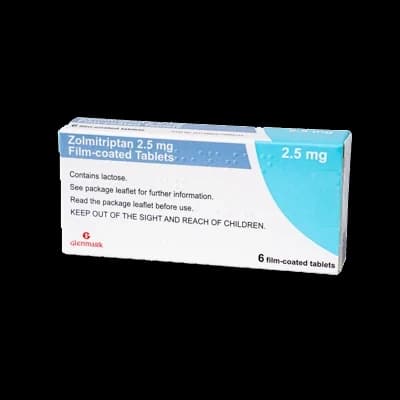

Zolmitriptan doses and pack sizes
Zolmitriptan
Zolmitriptan doses and pack sizes
*Your clinician will recommend the right strength and quantity for you during the consultation.
Treatment$44.50
Shipping & import duties$20.00
Total if approved$64.50
How it works
Similar Treatments
Zolmitriptan Alternatives
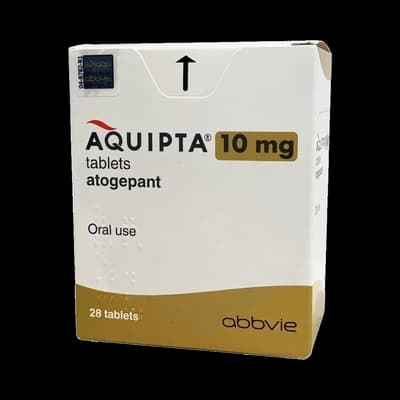
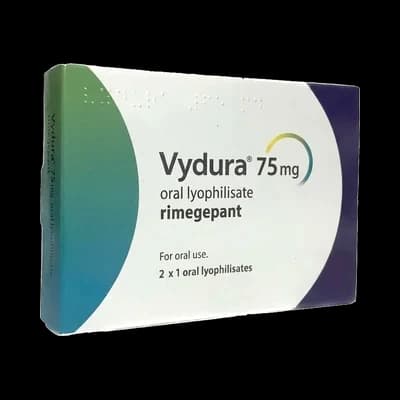

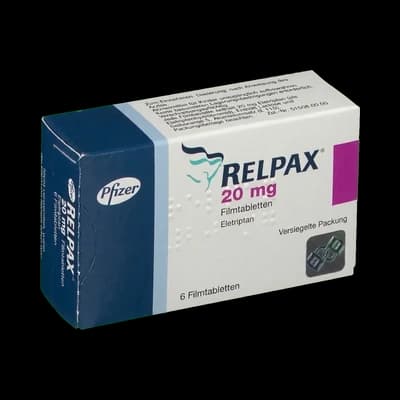
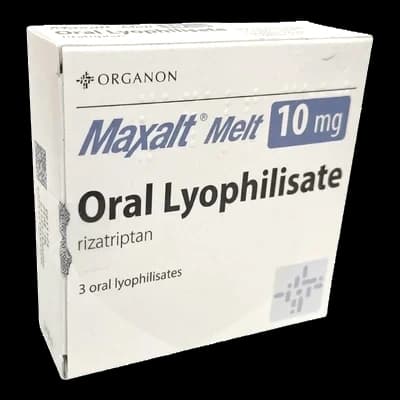
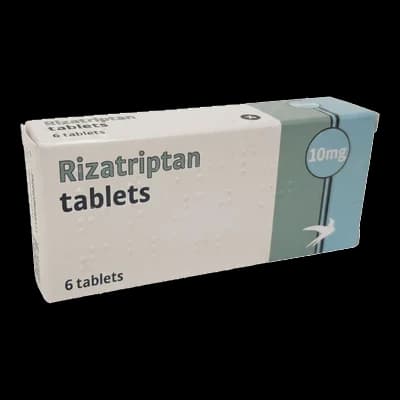
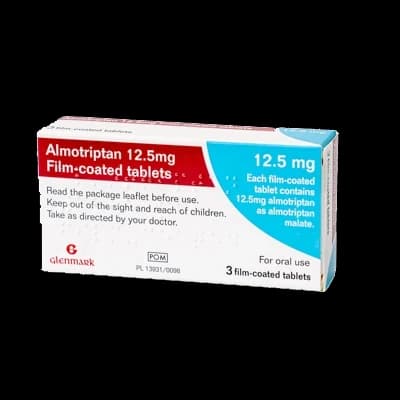
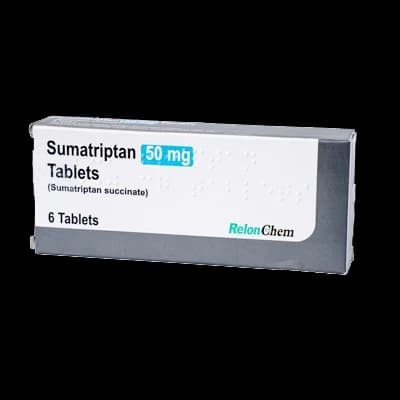

Order Online
Zolmitriptan Prices
| Brand/Generic | Form | Dosage | Quantity | Price | Delivery Cost | Consultation Cost |
|---|---|---|---|---|---|---|
| ZolmitriptanGeneric | Tablets | 2.5mg | 6 | $44.50 | $0.00*(with Core+ Plan) | $0.00 |
| ZolmitriptanGeneric | Tablets | 2.5mg | 12 | $82.58 | $0.00*(with Core+ Plan) | $0.00 |
| ZolmitriptanGeneric | Tablets | 5mg | 6 | $98.78 | $0.00*(with Core+ Plan) | $0.00 |
FAQs
Answers to Popular Questions About Zolmitriptan
What is Zolmitriptan?
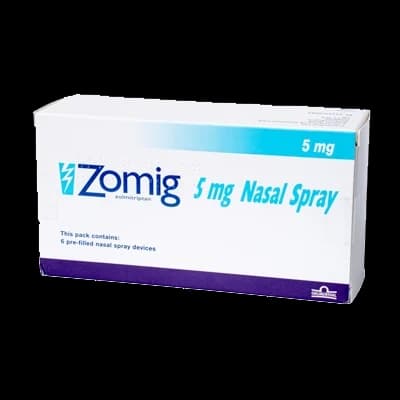
Zolmitriptan is a triptan medication used for the acute treatment of migraine attacks with or without aura. It is available as standard tablets (2.5 mg and 5 mg), orodispersible (melt) tablets (2.5 mg and 5 mg), and a nasal spray (5 mg). The brand name is Zomig. Zolmitriptan is a prescription-only medicine in the UK. The orodispersible tablet is particularly convenient as it dissolves on the tongue without water, making it useful when nausea prevents swallowing tablets.
How does Zolmitriptan work?
Zolmitriptan is a selective serotonin 5-HT1B/1D receptor agonist. It constricts dilated intracranial blood vessels, reduces neurogenic inflammation by inhibiting the release of pro-inflammatory neuropeptides from trigeminal nerve endings, and blocks pain signal transmission. Zolmitriptan has an active metabolite (N-desmethylzolmitriptan) that also has potent 5-HT1B/1D activity, contributing to its sustained clinical effect.
How is Zolmitriptan different from Sumatriptan?
Both are effective triptans for migraine. Zolmitriptan has better central nervous system penetration and produces an active metabolite, which may contribute to its efficacy. The orodispersible tablet formulation is unique to zolmitriptan (among commonly prescribed triptans) and offers convenience when water is unavailable or nausea is problematic. Zolmitriptan nasal spray has a faster onset than sumatriptan nasal spray. Clinical effectiveness is broadly similar between the two. If one triptan does not work, switching to another is often beneficial.
How do I take Zolmitriptan?
Take one zolmitriptan tablet (2.5 mg) at the onset of migraine headache. Swallow standard tablets with water. Orodispersible (melt) tablets should be placed on the tongue where they dissolve — no water needed. If the migraine improves but returns, a second dose can be taken after at least 2 hours. Maximum dose: 10 mg in 24 hours. If the first dose does not work at all, do not take a second dose for that attack. Your prescriber may increase your dose to 5 mg per dose if 2.5 mg is insufficient.
How do I use Zolmitriptan nasal spray?
Remove the cap from the nasal spray device. Block one nostril by pressing it gently with a finger. Breathe out gently through the mouth. Insert the nozzle into the other nostril, aim slightly outward, and press the plunger while breathing in gently. Remove and breathe gently through the mouth. One 5 mg spray per attack. A second spray may be given after 2 hours if needed. Maximum 10 mg (two sprays) in 24 hours.
What are the side effects of Zolmitriptan?
Common side effects include tingling, warmth, heaviness, throat tightness, dizziness, drowsiness, nausea, dry mouth, and muscle weakness. The nasal spray may cause an unpleasant taste and nasal discomfort. These are typical triptan sensations and are usually mild and temporary. If you experience severe chest pain or signs of allergic reaction, seek immediate medical attention.
Who should not take Zolmitriptan?
Zolmitriptan is contraindicated in people with ischaemic heart disease, Prinzmetal’s angina, previous stroke or TIA, peripheral vascular disease, uncontrolled hypertension, Wolff-Parkinson-White syndrome, or moderate to severe hepatic impairment. Do not use within 24 hours of other triptans or ergotamine. Do not use with MAO-A inhibitors. Caution in patients taking SSRIs or SNRIs due to theoretical serotonin syndrome risk.
How can I get Zolmitriptan?
Zolmitriptan requires a prescription from your primary care provider, neurologist, or online service such as NowPatient. It is available as standard tablets, orodispersible tablets, and nasal spray. NowPatient provides online consultations for migraine sufferers with home delivery.
Related Articles




Your health shouldn’t wait.
Consultations, prescriptions, medication delivery, health monitoring – all in one place.

Rated excellent on Trustpilot
Wow! Excellent customer service. I submitted an email query, had a call…
Alison Hurst
I do not leave reviews, due to time and a rare condition I have. I…
Sherry M
Great experience getting the med. Clinician was very thorough.
Barbara Hill
Cannot speak highly enough of the service and assistance I have…
CJH
Very good experience - the clinician asked intelligent questions about…
Phil Daoust
Really excellent. Very thorough and professional pharmacist who guided…
Colin Glass
Meet our medical team
We are a broad skilled and passionate group of clinicians with experience of operating in regulated health systems in the United Kingdom & United States. Providing excellent care and advice is at the heart of everything we do.