Buy Aquipta online
Book a quick face-to-face video consultation with a certified prescribing pharmacist, nurse, or doctor. If approved, your Aquipta will be prescribed* and delivered straight to your door with tracked delivery. No hidden fees. No delays. Just expert care.
Aquipta is indicated for the treatment of Migraines.
*Includes Free Private Prescription & Consultation.
Manufactured by Abbvie Ltd.
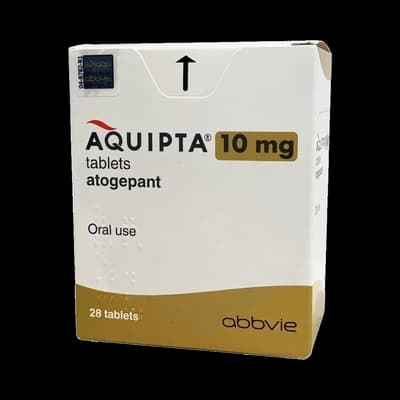

Select pack size & strength
Aquipta
Select pack size & strength
*Your clinician will recommend the right strength and quantity for you during the consultation.
Treatment$437.40
Shipping & import duties$20.00
Total if approved$457.40
How it works
Similar Treatments
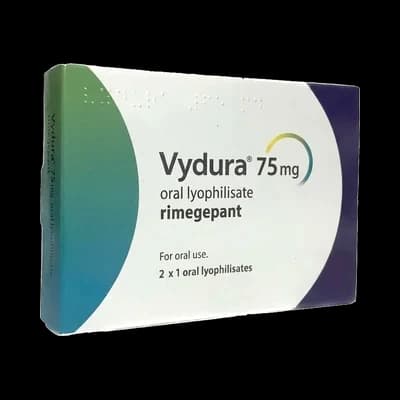
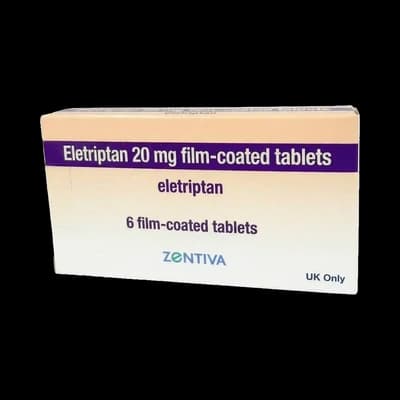
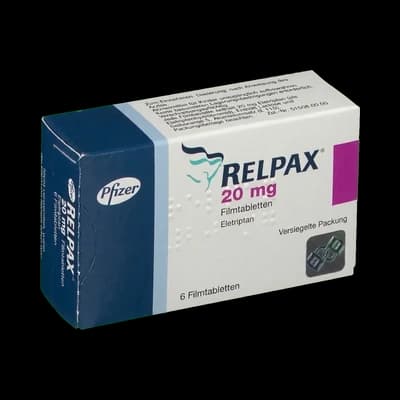
Aquipta Alternatives
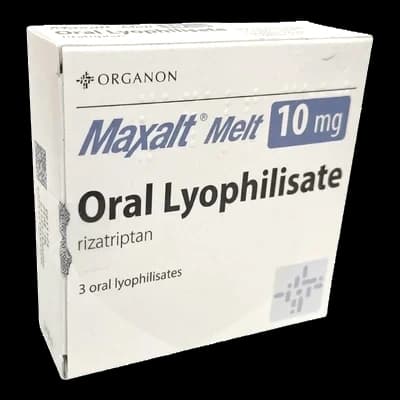
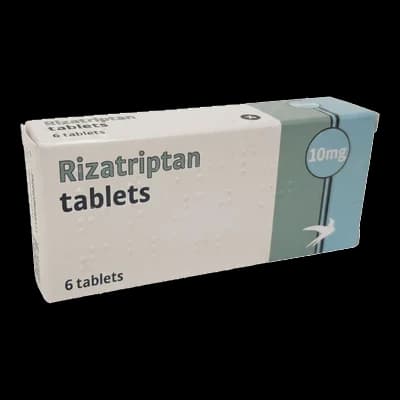
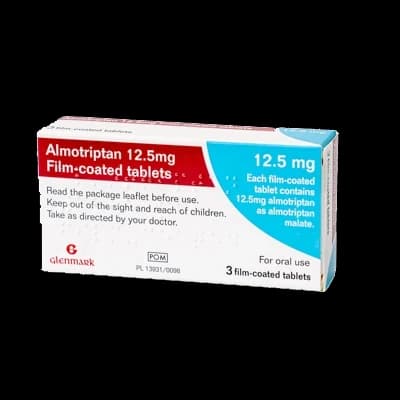
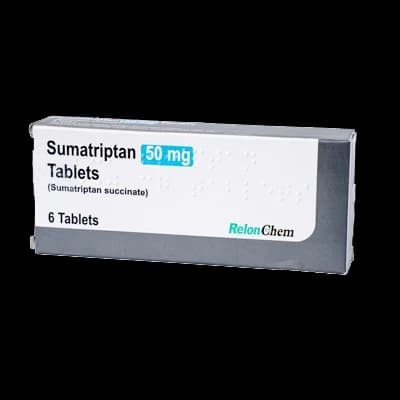
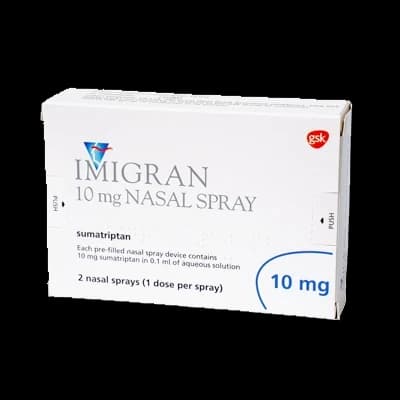
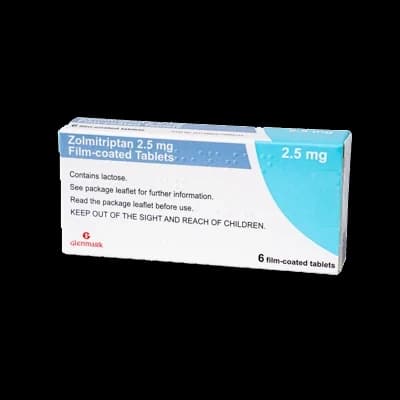
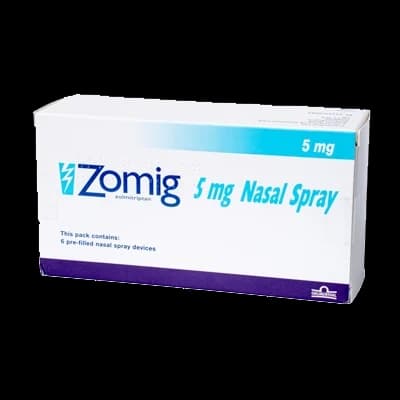
Order Online
Aquipta Prices
| Brand/Generic | Form | Dosage | Quantity | Price | Delivery Cost | Consultation Cost |
|---|---|---|---|---|---|---|
| AquiptaBrand | Tablets | 10mg | 28 | $437.40 | $0.00*(with Core+ Plan) | $0.00 |
| AquiptaBrand | Tablets | 60mg | 28 | $437.40 | $0.00*(with Core+ Plan) | $0.00 |
| AquiptaBrand | Tablets | 10mg | 2 | $61.20 | $0.00*(with Core+ Plan) | $0.00 |
| AquiptaBrand | Tablets | 60mg | 2 | $61.20 | $0.00*(with Core+ Plan) | $0.00 |
| AquiptaBrand | Tablets | 10mg | 7 | $216.00 | $0.00*(with Core+ Plan) | $0.00 |
| AquiptaBrand | Tablets | 60mg | 7 | $216.00 | $0.00*(with Core+ Plan) | $0.00 |
Key facts about Aquipta
Other Related Names or Treatments
About Aquipta
Atogepant is a calcitonin gene-related peptide (CGRP) receptor antagonist, also known as a gepant. It works by blocking the activity of CGRP, a molecule involved in migraine. By blocking the CGRP receptor, Aquipta can help reduce migraine symptoms and prevent migraine attacks.
Aquipta is now used for both the acute treatment of migraine attacks and the preventive treatment of migraine in adults. It is available on prescription only. NowPatient offers Aquipta following an online consultation with a prescribing clinician to assess whether it is a suitable treatment option for you.
Key facts about Aquipta
- For the acute treatment of migraine with or without aura in adults
- For the preventive treatment (prophylaxis) of migraine in adults who have at least 4 migraine days per month
- For acute treatment, Aquipta is taken when a migraine attack occurs, rather than every day
- For migraine prevention, Aquipta is taken once daily
- The recommended dose for acute treatment is 60 mg as needed, with a maximum of 60 mg in a 24-hour period
- Aquipta has some common side effects, including nausea, constipation, fatigue or sleepiness, decreased appetite and weight loss
- Aquipta can interact with certain medicines, including strong CYP3A4 inhibitors and strong OATP inhibitors, which may require a lower dose
Who is Aquipta suitable for?
Aquipta is suitable for adults aged 18 years and over.
For the prevention of migraine, it is intended for adults who have at least 4 migraine days per month and only if at least 3 preventive medicines have not worked, or are not tolerated or are unsuitable because of safety concerns.
For acute treatment of migraine, NICE recommends atogepant as an option for adults when, for previous migraine attacks:
- At least 2 triptans have been tried and have not worked well enough, or
- Triptans are contraindicated or not tolerated, and
- NSAIDs and paracetamol have been tried but have not worked well enough.
Who is Aquipta not suitable for?
Aquipta may not be suitable for some people. To make sure it is safe for you, speak to the prescribing clinician before taking Aquipta if you:
- Have ever had an allergic reaction to atogepant or any of the ingredients in Aquipta
- Have severe liver disease
- Have severe kidney disease or end-stage renal disease
- Are taking certain strong CYP3A4 inhibitors, such as ketoconazole, itraconazole, voriconazole or clarithromycin
- Are taking strong OATP inhibitors, such as rifampicin or ciclosporin
- Are pregnant or planning to become pregnant
- Are breastfeeding
- Are under 18 years of age
- Are 80 years of age or above
How and where to get Aquipta?
You can buy Aquipta safely and securely from NowPatient. You can start a consultation today for free and, if you qualify for treatment, you only pay for the cost of the medication. Delivery is made to your home or office from our registered pharmacy.
Our service is designed to provide access to treatment following an online clinical consultation. If you book a consultation for migraine treatment, you can discuss whether Aquipta is a suitable treatment option for you.
At the end of the consultation, the prescribing clinician will decide whether treatment is appropriate. If it is, the clinician will issue a prescription which can then be ordered, paid for and delivered directly to your chosen address by NowPatient.
Dosage and strength for Aquipta for migraines
Aquipta is available as tablets containing 10 mg or 60 mg of atogepant.
For acute treatment of migraine, the recommended dose is 60 mg taken as needed, with a maximum dose of 60 mg in 24 hours.
For preventive treatment of migraine, the recommended dose is 60 mg once daily.
However, a lower dose of 10 mg is recommended when Aquipta is taken with certain strong CYP3A4 inhibitors or strong OATP inhibitors, and in patients with severe renal impairment or end-stage renal disease.
Information about how to take Aquipta for migraines
Aquipta is taken orally and can be taken with or without food.
For acute migraine treatment
Take Aquipta when you have a migraine attack, as directed by your prescribing clinician. Do not exceed one tablet in 24 hours. For acute treatment, Aquipta is available in pack sizes of 2 and 7.
For migraine prevention
Take Aquipta once daily, preferably at approximately the same time each day. Do not exceed one tablet in 24 hours.
If you miss a preventive dose, take it as soon as you remember. If it is almost time for your next dose, skip the missed dose and take the next dose as scheduled. Do not take a double dose to make up for a forgotten tablet.
Do not change your dose or stop preventive treatment without speaking to your prescribing clinician.
Read the patient information leaflet supplied with your medication or speak to a healthcare professional if you need further advice.
What happens if you take too much Aquipta?
There is no known antidote for Aquipta. If you take more than prescribed, you should seek medical attention immediately. Treatment of an overdose should consist of general supportive measures including monitoring of vital signs and observation of the clinical status.
What are the side effects of Aquipta?
Side effects of Aquipta include common, uncommon and serious adverse reactions.
Common side effects (may affect up to 1 in 10 people) include:
- Nausea
- Constipation
- Fatigue
- Somnolence (sleepiness)
- Decreased appetite
- Weight decreased
Uncommon side effects (may affect up to 1 in 100 people) include:
- Increased liver enzymes (ALT/AST)
Rare side effects include:
- Anaphylaxis (a severe allergic reaction)
Most reported gastrointestinal side effects in preventive-treatment studies were mild, and nausea, constipation and fatigue/sleepiness were among the most commonly reported adverse reactions.
If you experience troublesome or persistent side effects, contact your prescribing clinician or pharmacist for advice.
If you experience signs of a serious allergic reaction, stop taking Aquipta and seek emergency medical attention by calling 999.
Signs can include:
- Swelling of the face, lips, tongue or throat
- Difficulty breathing or swallowing
- Severe rash, itching or hives
- Feeling faint or dizzy
- Rapid heartbeat
Some hypersensitivity reactions can occur several days after taking Aquipta, so remain alert for delayed symptoms.
Always report adverse effects to the MHRA Yellow Card reporting system. You can read more about this here: How and where do I report side effects of my medication?
Information about taking Aquipta at the same time as other medications or herbal supplements
Aquipta can interact with certain medicines. Tell your prescribing clinician about all medicines, supplements and herbal products you take.
Strong CYP3A4 inhibitors may require the Aquipta dose to be reduced to 10 mg once daily. Examples include:
- Ketoconazole
- Itraconazole
- Voriconazole
- Clarithromycin
- Telithromycin
- HIV protease inhibitors (indinavir, nelfinavir, ritonavir, saquinavir)
Strong OATP inhibitors may also require a dose of 10 mg once daily.
Examples include:
- Rifampicin
- Atazanavir
- Ritonavir
- Tipranavir
- Ciclosporin
- Telmisartan
Strong or moderate CYP3A4 inducers may reduce exposure to atogepant and potentially reduce its effectiveness. Examples include:
- Rifampicin with repeated dosing
- Carbamazepine
- Phenytoin
- Phenobarbital
- St John’s wort
Aquipta has not shown clinically significant interactions with medicines including oral contraceptives, paracetamol, naproxen, sumatriptan, topiramate, famotidine or esomeprazole.
Can Aquipta be taken for migraines long term?
Aquipta can be used as a long-term preventive treatment for migraine, but treatment should be reviewed regularly to assess whether it remains appropriate.
For preventive treatment, NICE recommends stopping atogepant after 12 weeks if the frequency of migraine does not reduce by:
- At least 50% for episodic migraine (fewer than 15 headache days per month), or
- At least 30% for chronic migraine (15 or more headache days per month).
For acute treatment, Aquipta is taken only when needed for a migraine attack rather than as a daily preventive treatment. NICE’s recommendation for acute treatment applies to adults who meet the specific previous-treatment criteria described above.
Is there a herbal Aquipta?
No. There is no herbal version of Aquipta. If you have been offered a product described as “herbal Aquipta” or a herbal version of atogepant, it may not be a genuine licensed medicine.
Can women use Aquipta?
Women can take Aquipta where it has been assessed as appropriate for migraine treatment.
Aquipta is not recommended during pregnancy because there are limited data on its use in pregnant women and animal studies have shown reproductive toxicity.
Atogepant passes into breast milk in small amounts, but there are currently limited data about its effects on breastfed infants or milk production. If you are breastfeeding, speak to your doctor or prescribing clinician before taking Aquipta.
If you are pregnant, breastfeeding or planning to become pregnant, discuss this with your healthcare professional before taking Aquipta.
Should I avoid any particular food or drink when taking Aquipta?
Aquipta can be taken with or without food and there are no specific dietary restrictions associated with its use.
However, you should tell your prescribing clinician about any supplements or herbal products you take, including St John’s wort, because it can interact with atogepant.
What are the non-active ingredients in Aquipta?
Aquipta contains the following non-active ingredients (excipients):
- Polyvinylpyrrolidone/vinyl acetate copolymer
- Vitamin E polyethylene glycol succinate
- Mannitol
- Microcrystalline cellulose
- Sodium chloride
- Croscarmellose sodium
- Colloidal silicon dioxide
- Sodium stearyl fumarate
- While lactose-free, Aquipta 60 mg tablets contain 31.5 mg of sodium per tablet.
What lifestyle changes can I make to help me with migraines?
- Maintain regular sleep patterns
- Exercise regularly
- Eat regular, healthy meals
- Stay well hydrated
- Reduce stress through relaxation techniques such as mindfulness or meditation
- Avoid known migraine triggers
- Keep a headache diary to identify patterns and triggers
Lifestyle measures can be useful alongside prescribed migraine treatment.
Alternatives to Aquipta
The most appropriate alternative depends on whether treatment is required for acute migraine attacks or migraine prevention.
For acute migraine treatment, options may include triptans, NSAIDs and paracetamol. NICE recommends atogepant as an option for adults whose previous migraine treatment meets the specific criteria outlined in NICE TA1172. Another CGRP receptor antagonist, rimegepant, may also be an option in appropriate patients.
For preventive treatment, alternatives include other CGRP-targeting medicines such as erenumab (Aimovig), fremanezumab (Ajovy), galcanezumab (Emgality) and eptinezumab (Vyepti), as well as oral preventive medicines such as propranolol, topiramate and amitriptyline. NICE recommends CGRP-targeting preventive treatments in appropriate adults who have at least 4 migraine days per month and for whom at least 3 preventive medicines have not worked, are not tolerated or are unsuitable because of safety concerns.
Sources
FAQs
Answers to Popular Questions About Aquipta
What is Aquipta?
Aquipta is a brand name for atogepant, an oral CGRP (calcitonin gene-related peptide) receptor antagonist (gepant) used for the preventive treatment of episodic and chronic migraine in adults. It is available as 10 mg and 60 mg film-coated tablets. Aquipta is manufactured by AbbVie and represents a new class of preventive migraine therapy. Unlike anti-CGRP monoclonal antibodies (such as erenumab and fremanezumab which are injections), Aquipta is a small-molecule oral tablet taken daily, offering a convenient non-injection preventive option.
How does Aquipta work?
Aquipta blocks the CGRP receptor. CGRP is a neuropeptide released during migraine attacks that promotes vasodilation, neurogenic inflammation, and pain signal transmission in the trigeminal system. Elevated CGRP levels are found between and during migraine attacks in people with migraine. By continuously blocking CGRP receptors with daily dosing, Aquipta reduces the frequency, severity, and duration of migraine attacks. Unlike triptans (which are used to treat individual attacks), Aquipta is taken daily as a preventive.
How effective is Aquipta for migraine prevention?
In clinical trials (ADVANCE and PROGRESS), Aquipta significantly reduced monthly migraine days compared to placebo. Patients with episodic migraine experienced a reduction of approximately 3.7–4.2 monthly migraine days (vs 2.5 with placebo). For chronic migraine, reductions of approximately 7.5 days per month were seen. Approximately 55–60% of episodic migraine patients achieved at least 50% reduction in monthly migraine days.
How do I take Aquipta?
Take one Aquipta 60 mg tablet once daily with or without food. Swallow whole with water. Take at the same time each day for consistent preventive effect. A lower dose of 10 mg may be used for patients taking strong CYP3A4 inhibitors. Preventive benefit builds over the first 4 weeks, with maximum effect typically seen by 12 weeks. Continue treatment as directed by your prescriber even if no immediate benefit is felt.
Can I take Aquipta with a triptan for acute migraine?
Yes, Aquipta (preventive) can be used alongside triptans or other acute migraine treatments for breakthrough attacks. There is no contraindication to combining daily Aquipta with as-needed triptan use. This is an important advantage, as some injectable anti-CGRP preventives may theoretically reduce triptan efficacy (though this is debated). Aquipta can also be combined with rimegepant (Vydura) for acute treatment, though both target the CGRP pathway.
What are the side effects of Aquipta?
Common side effects include constipation, nausea, fatigue, and decreased appetite. These are generally mild. In clinical trials, the side effect profile was close to placebo, making Aquipta very well-tolerated compared to many traditional migraine preventives (such as topiramate, amitriptyline, or propranolol) which often have significant side effect burdens. Liver function monitoring may be recommended, as mild liver enzyme elevations have been reported.
Who is Aquipta suitable for?
Aquipta is suitable for adults with episodic migraine (4–14 migraine days per month) or chronic migraine (15+ headache days per month) who need preventive treatment. It is particularly useful for patients who have not responded to or cannot tolerate traditional preventives (beta-blockers, topiramate, amitriptyline, candesartan), those who prefer oral medication over monthly injections (anti-CGRP monoclonal antibodies), and those with cardiovascular risk factors who need to avoid beta-blockers.
Who should not take Aquipta?
Aquipta is contraindicated in patients with severe hepatic impairment. Caution is needed with strong CYP3A4 inhibitors (use 10 mg dose) and strong CYP3A4 inducers (may reduce efficacy). Aquipta should not be used during pregnancy or breastfeeding. It is not intended for acute migraine treatment — it is a daily preventive only.
How can I get Aquipta?
Aquipta requires a prescription from your GP, neurologist, or online prescriber such as NowPatient. NHS availability depends on NICE recommendations and local formulary decisions. For patients who have tried and failed at least three preventive treatments, access through specialist headache services may be possible. NowPatient can advise on current availability and prescribing options.
Related Articles




Your health shouldn’t wait.
Consultations, prescriptions, medication delivery, health monitoring – all in one place.

Rated excellent on Trustpilot
Wow! Excellent customer service. I submitted an email query, had a call…
Alison Hurst
I do not leave reviews, due to time and a rare condition I have. I…
Sherry M
Great experience getting the med. Clinician was very thorough.
Barbara Hill
Cannot speak highly enough of the service and assistance I have…
CJH
Very good experience - the clinician asked intelligent questions about…
Phil Daoust
Really excellent. Very thorough and professional pharmacist who guided…
Colin Glass
Meet our medical team
We are a broad skilled and passionate group of clinicians with experience of operating in regulated health systems in the United Kingdom & United States. Providing excellent care and advice is at the heart of everything we do.