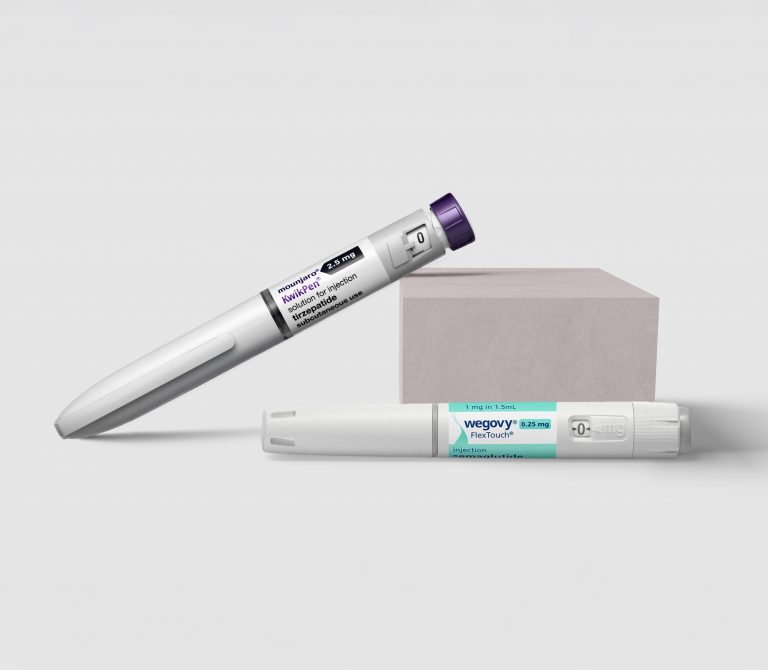
The UK’s Medicines and Healthcare products Regulatory Agency (MHRA) has issued a Drug Safety Update warning that semaglutide, which is the active ingredient found in Wegovy, Ozempic and Rybelsus may be very rarely associated with non-arteritic anterior ischemic optic neuropathy (NAION), a serious eye condition that can cause sudden vision loss. A new health warning and urgent warning have been issued by health officials regarding rare but serious side effects, including vision loss, associated with these licensed medications.
Patients experiencing any sudden change in eyesight while taking semaglutide should urgently attend eye casualty or A&E. The alert advised patients to be vigilant for further issues, such as sudden vision changes, and to seek urgent care if symptoms occur.
Ozempic and Wegovy are generally considered safe and effective medicines, and the vast majority of patients benefit from their use without experiencing serious side effects.
What Has the MHRA Announced?
On 5 February 2026, the MHRA published a Drug Safety Update alerting healthcare professionals and patients to a very rare risk of NAION in people taking semaglutide. The update follows a European review of clinical evidence, post-authorisation reports and published literature, which concluded that semaglutide use in adults with type 2 diabetes may be associated with an approximately two-fold increase in the relative risk of developing NAION.
According to the MHRA, this corresponds to approximately one additional person affected out of every 10,000 treated per year. The findings were considered by the Pharmacovigilance Expert Advisory Group (PEAG) of the Commission on Human Medicines (CHM), which agreed with recommendations to update UK product information for all semaglutide products.
Dr Alison Cave, the MHRA’s Chief Safety Officer, emphasized the importance of patient safety and monitoring for rare but serious side effects. Ms Cave stated that while the potential risk is extremely small, it is important that patients and healthcare professionals remain alert to the associated symptoms.
The Summary of Product Characteristics (SmPC) and Patient Information Leaflet (PIL) for semaglutide products will be updated in the coming months to describe this risk.
What Is NAION and How Does It Affect the Optic Nerve?
Non-arteritic anterior ischemic optic neuropathy (NAION) is a condition affecting the optic nerve head. NAION occurs due to reduced blood flow to the front portion of the optic nerve without inflammation of the blood vessels, and typically causes sudden, painless vision loss in one eye. Patients often describe the vision loss as a blurring or cloudiness of vision. Some patients who have experienced NAION describe their vision loss as sudden blindness or a rapid, dramatic change in sight.
The condition is termed “non-arteritic” because the reduction in blood flow occurs without inflammation of the blood vessels, distinguishing it from arteritic causes such as giant cell arteritis.
NAION is the second most common optic neuropathy after glaucoma. The vision loss is generally irreversible, and there is currently no effective treatment available. Risk factors for developing NAION include type 2 diabetes, smoking, hypertension and high cholesterol. There is a vision loss risk associated with semaglutide medications like Ozempic and Wegovy, making it crucial for patients to notice sudden loss of vision and seek immediate medical attention.
Symptoms and Warning Signs to Watch For
Patients prescribed semaglutide, including those taking the brand names Ozempic and Wegovy, should be vigilant for any changes in their vision that could signal Non-Arteritic Anterior Ischemic Optic Neuropathy (NAION). This condition involves reduced blood flow and, in some cases, inflammation affecting the optic nerve, which can result in sudden, painless vision loss in one or both eyes. Healthcare professionals stress the importance of seeking urgent medical assistance if you notice any sudden sight problems, such as blurring, cloudiness, or a sudden impairment of vision.

















If you experience a sudden loss of vision, whether partial or complete, in one or both eyes, it is essential to urgently attend an eye casualty department or A&E. Prompt evaluation and treatment can help prevent more severe complications, including permanent vision loss. The Medicines and Healthcare products Regulatory Agency (MHRA) highlights that while NAION is an extremely rare ischemic event, patients taking semaglutide should continually monitor for associated symptoms and be aware of the potential risk. Early recognition and immediate action are key to protecting your eyesight and minimizing the risk of more severe complications.
How Common Is NAION in Semaglutide Users?
The MHRA classifies the risk as “very rare,” meaning it may affect up to 1 in 10,000 people taking semaglutide. To put this in context, in the UK since semaglutide was first authorised in 2018 up to 1 August 2025, the MHRA’s Yellow Card scheme received just three spontaneous reports suggestive of NAION associated with semaglutide. During that same period, an estimated 10.2 million packs of semaglutide were dispensed across the UK.
Estimates of the background incidence of NAION in the general population range from approximately 7.73 to 11.35 per 100,000 person-years among individuals aged 40 and older, rising to 14.79 per 100,000 person-years in those aged 60 and above. In patients with type 2 diabetes, the background incidence is higher, ranging from 11.4 to 82 per 100,000 person-years.
Recent research indicates an increased risk of NAION in patients prescribed semaglutide. Patients with diabetes who are prescribed semaglutide are more than 4 times more likely to be diagnosed with NAION compared to those not taking the drug. For patients with obesity, the increased risk is even higher; those prescribed semaglutide are more than 7 times more likely to receive a diagnosis of NAION than similar patients who do not take the drug.
It is important to note that the reporting of a case to the MHRA does not confirm a definitive link to the medicine but only that the reporter suspected there may have been an association.
What About Other GLP-1 Medications?
The MHRA has stated that it is currently reviewing any evidence for an association between NAION and other GLP-1 receptor agonists. The European review that prompted this update focused specifically on semaglutide, and other GLP-1 agonists were not included.
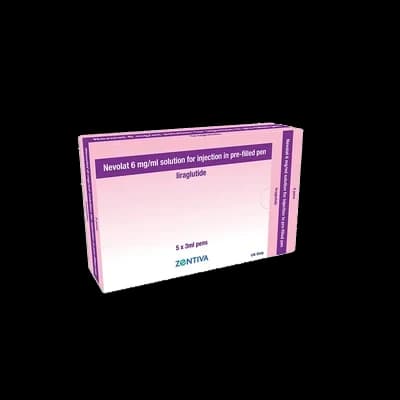
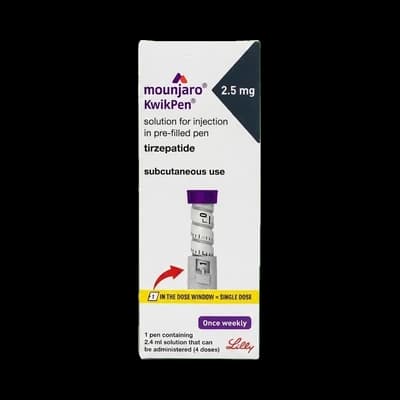
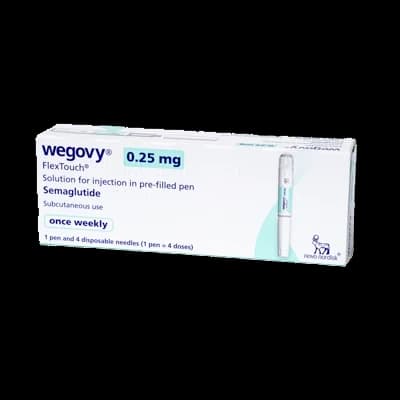
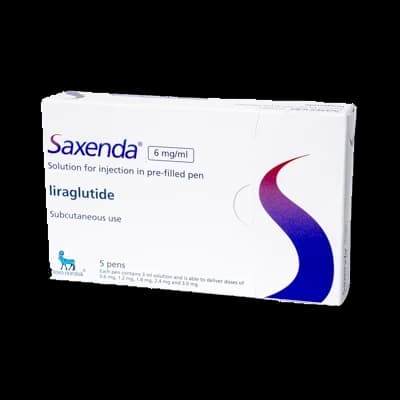
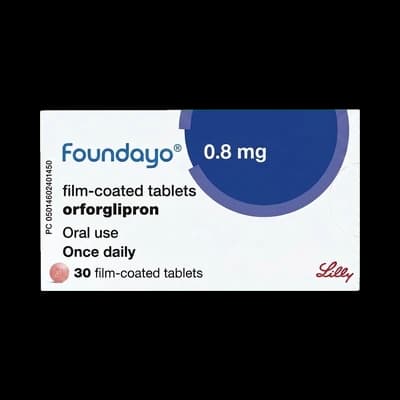
As Community Pharmacy England has highlighted, pharmacists play a key role in counselling patients on this newly identified risk during medication reviews and when dispensing semaglutide products.
Patients taking medication such as GLP-1 receptor agonists should remain vigilant for any sudden vision changes and report them promptly to a healthcare professional.
What Should Patients Prescribed Semaglutide Do?
If you are currently taking semaglutide (Wegovy, Ozempic or Rybelsus) and notice sudden loss of vision or other vision changes, you should seek urgent medical assistance and urgently attend eye casualty or A&E. These symptoms require urgent treatment to prevent permanent damage.
- Sudden loss of vision or blindness in one or both eyes
- Rapidly worsening eyesight
- Blurring or cloudiness of vision that comes on suddenly
Users should report sudden vision loss, shadows, or blurry vision to a doctor immediately, as these symptoms require urgent treatment.
Before starting semaglutide treatment, individuals with a history of diabetes or existing eye disease are recommended to have a comprehensive dilated eye exam.
NAION usually affects one eye at a time. You may be referred for an eye examination by an ophthalmologist.
The MHRA advises that if NAION is confirmed following specialist examination, semaglutide treatment should be discontinued.
Patients should not stop taking semaglutide without consulting their healthcare provider. The benefits of the medication for managing type 2 diabetes, weight management and cardiovascular risk reduction remain well established, and the risk of NAION is extremely rare.
Advice for Healthcare Professionals
The MHRA Drug Safety Update provides the following key guidance for healthcare professionals:
- Semaglutide treatment may be very rarely associated with NAION, which can cause vision loss, typically in one eye
- NAION typically presents as sudden, painless vision loss described as blurring or cloudiness
- Privately prescribed semaglutide may not appear on a patient’s medical record — if a patient presents with these symptoms, enquire about semaglutide use
- Patients reporting sudden loss of vision (including partial loss) should be urgently referred for specialist examination by an ophthalmologist
- Discontinue semaglutide treatment if NAION is confirmed
- Advise new patients, or existing patients during medication reviews, to urgently attend eye casualty or A&E if they experience sudden vision loss or rapidly worsening eyesight
- An alert advised healthcare professionals to be vigilant for further issues, including rare but serious side effects such as acute pancreatitis.
- Acute pancreatitis is a condition that involves inflammation of the small organ located behind the stomach (the pancreas), and it can present with severe pain in the stomach and back.
- Healthcare professionals should educate patients about the symptoms of acute pancreatitis and advise them to seek urgent care if they experience severe pain.
- Report suspected adverse drug reactions associated with semaglutide, including NAION, via the Yellow Card scheme. Patients in the United States can report any adverse reactions to FDA Medwatch.
Prevention and Future Research
Preventing NAION and other severe side effects in patients taking semaglutide requires a collaborative approach between patients and healthcare professionals. Those with high blood pressure, diabetic retinopathy, or other conditions affecting blood vessels should be especially cautious, as these factors may increase the risk of vision loss. Dr. Alison Cave, the MHRA’s Chief Safety Officer, underscores the importance of patient safety and encourages both patients and healthcare professionals to report any sudden loss of vision or other adverse reactions through the Yellow Card scheme.
Ongoing research is crucial to better understand the relationship between semaglutide and anterior ischemic optic neuropathy, as well as to develop strategies that reduce the risk of vision loss in patients using weight loss drugs. By prioritizing patient safety, continually monitoring for associated symptoms, and promptly addressing any sudden loss of vision, healthcare professionals can help deliver significant health benefits from semaglutide while minimizing the risk of severe complications. Future advancements may include new therapies targeting the optic nerve and blood vessels, offering hope for preventing or even reversing vision loss in those affected by NAION.
About Semaglutide
Semaglutide is a glucagon-like peptide-1 receptor agonist (GLP-1RA) that works by mimicking the natural hormone GLP-1 in the body. It increases insulin release in response to food, helping control blood sugar levels, while also regulating appetite by increasing feelings of fullness and reducing food intake.
It is available under three brand names in the UK & US:
- Ozempic – a subcutaneous injection indicated for the treatment of type 2 diabetes
- Rybelsus – an oral tablet indicated for the treatment of type 2 diabetes
- Wegovy Injection – a subcutaneous injection indicated for weight management and cardiovascular risk reduction in patients with overweight or obesity
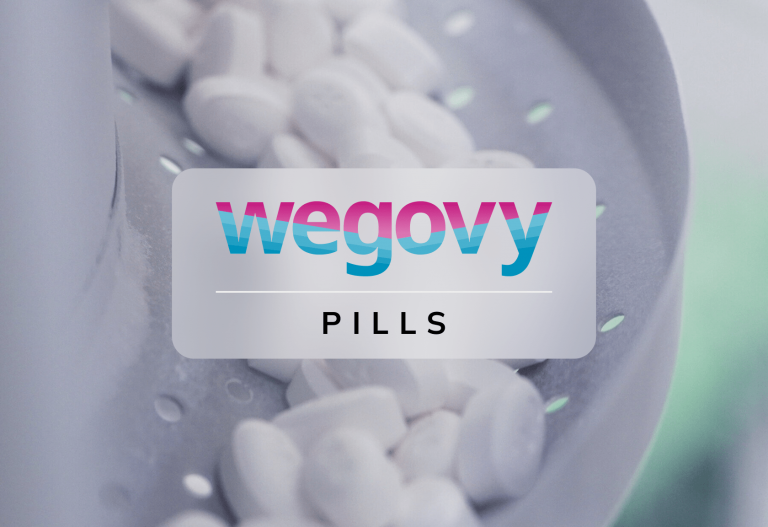
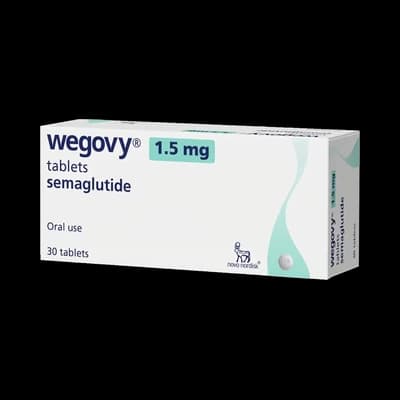
- Wegovy Pills – a tablet licensed currently in the United States and indicated for weight management and cardiovascular risk reduction in patients with overweight or obesity
Semaglutide products are licensed medicines that have undergone rigorous safety and efficacy evaluation by regulatory authorities. They are considered effective medicines for their approved uses, with most patients experiencing significant health benefits when used as directed.
How to Report Side Effects
Healthcare professionals, patients and caregivers are encouraged to report any suspected adverse reactions to semaglutide, including NAION, via the MHRA Yellow Card scheme:
- Online at MHRA Yellow Card Reporting, if you are in the United Kingdom
- Online at FDA MedWatch if you are in the United States
- Via the Yellow Card app, available on the Apple App Store and Google Play Store
- Via the NowPatient app
When reporting, provide as much information as possible, including medical history, any other medications being taken, when symptoms started and treatment dates.
Sources
- MHRA Drug Safety Update – Semaglutide (Wegovy, Ozempic and Rybelsus): risk of Non-arteritic Anterior Ischemic Optic Neuropathy (NAION), 5 February 2026
- BMJ – Semaglutide and NAION, February 2026
- Community Pharmacy England – MHRA Drug Safety Update: Semaglutide and NAION, 5 February 2026
About NowPatient's Editorial Process
- Written by clinical authors
- Reviewed every 2 years
- Conflicts of interest declared
NowPatient's medical content is selected by a panel of practising clinicians (pharmacists, doctors and allied healthcare professionals) and researched by an in-house team of writers who all hold scientific or clinical backgrounds. Sponsorship and conflicts of interest are openly declared.
Every article is peer-reviewed by a clinician for clinical accuracy, evidence base and accessibility, including consideration of the particular characteristics set out in the UK Equality Act 2010. Only then is it released for publication against fixed placement guidelines.
All content is cycle reviewed (typically every two years) and updated sooner if evidence, guidelines or a complaint require it. Changes follow a formal change control procedure and are reflected in the "last updated" date on each article. NowPatient is governed by MiHealth; UK pharmacy services are provided by MiHealth Pharmacy (GPhC 1036487).