Buy Cytisine Online
Book a quick face-to-face video consultation with a certified prescribing pharmacist, nurse, or doctor. If approved, your Cytisine will be prescribed* and delivered straight to your door with tracked delivery. No hidden fees. No delays. Just expert care.
Cytisine is indicated for the treatment of Smoking Cessation.
*Includes Free Private Prescription & Consultation.
Manufactured by Aflofarm.
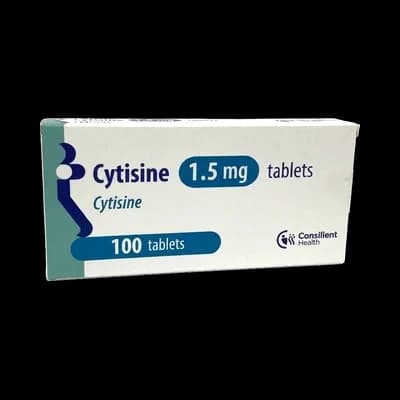

Select pack size & strength
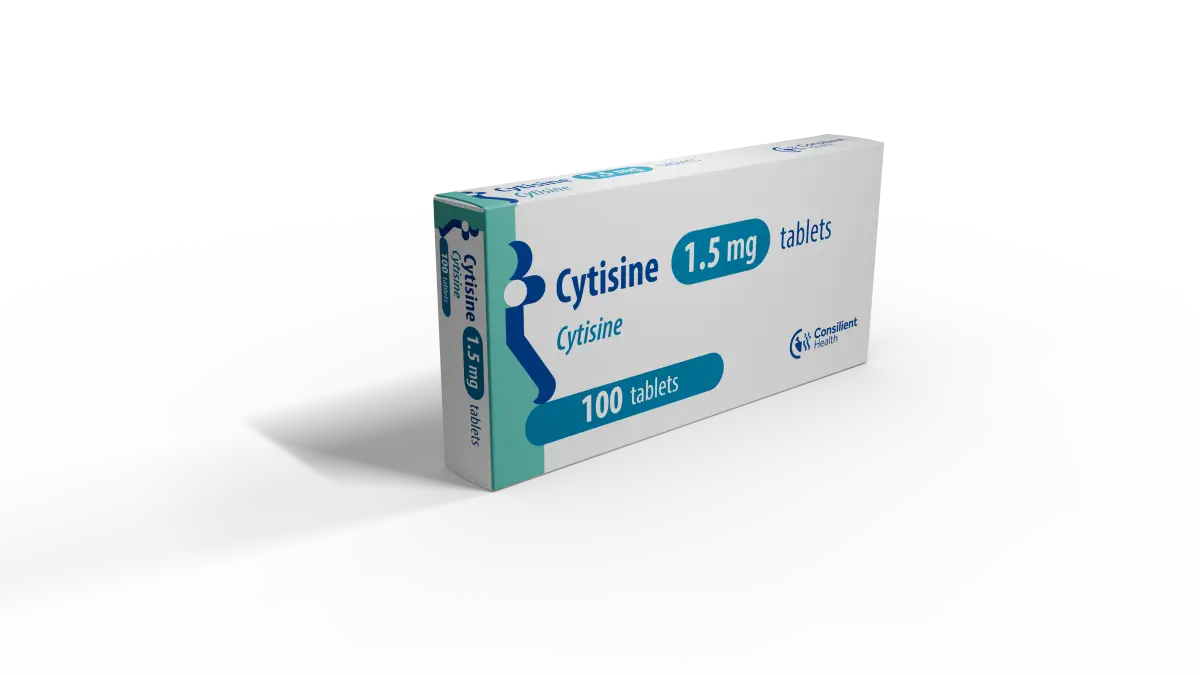
Cytisine
Select pack size & strength
*Your clinician will recommend the right strength and quantity for you during the consultation.
Treatment$331.20
Shipping & import duties$20.00
Total if approved$351.20
How it works
Similar Treatments
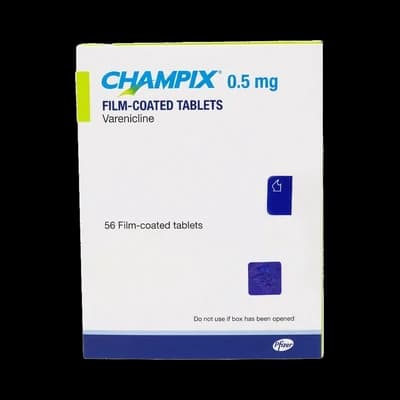
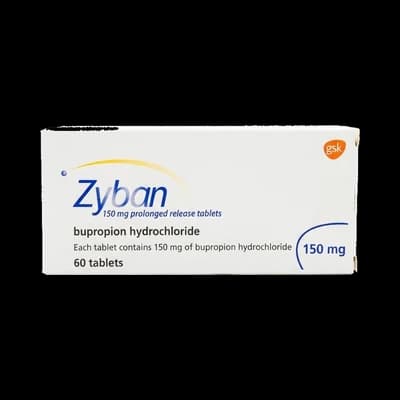
Cytisine Alternatives
Order Online
Cytisine Prices
| Brand/Generic | Form | Dosage | Quantity | Price | Delivery Cost | Consultation Cost |
|---|---|---|---|---|---|---|
| CytisineGeneric | Tablets | 1.5mg | 100 | $331.20 | $0.00*(with Core+ Plan) | $0.00 |
Key facts about Cytisine
Other Related Names or Treatments
Tabex, Desmoxan
About Cytisine
Cytisine is an effective nicotine replacement therapy (NRT) for smoking cessation and the reduction of nicotine cravings. It has historically been used medically in Eastern Europe with studies going back to the 1960s. It became available on prescription through the National Health Service (NHS), as of January 22nd 2024.
Cytisine is derived from a plant alkaloid (Laburnum, Cytisus, Retama) with a structure similar to nicotine. It works in a similar way to varenicline by acting as a nicotine receptor partial agonist of ⍺4-β2 nicotinic acetylcholine receptors, stimulating the release of dopamine while also preventing nicotine from binding to the receptor. (This is believed to be central to nicotines addictive effect). This dual action helps alleviate nicotine withdrawal symptoms and reduce the rewarding effects of tobacco.
NowPatient offers Cytisine as a smoking cessation aid, following an online consultation with a prescribing clinician.
Key facts about Cytisine
- For the treatment of smoking cessation
- Cytisine reaches peak levels in the body after two hours. It is excreted from the body unchanged, reducing the risks of drug interactions
- Cytisine has some common side effects which include constipation, vomiting and abdominal pain
- It can be dangerous if you take Cytisine with certain medications. If you’re not sure if it is safe, discuss this with the prescribing clinician
Who is Cytisine not suitable for?
Cytisine may not be suitable for some people. To make sure it’s safe for you, speak to the prescribing clinician before taking Cytisine if you:
- Have had an allergic reaction to Cytisine or any of the non-active ingredients in the past
- Have unstable angina, recently had a heart attack or stroke, an irregular heart rhythm, ischemic heart disease, heart failure, hypertension, or atherosclerosis
- Have a tumour in the adrenal glands
- Have gastric, duodenal ulcers or gastroesophageal reflux disease
- Have an overactive thyroid
- Have diabetes
- Have kidney or liver problems
- Have schizophrenia
- Are pregnant or breastfeeding
- Are under 18 or over 65 years of age
How and where to get Cytisine?
You can buy Cytisine safely and securely from NowPatient. You can start a consultation today for free and if you qualify for treatment, you only pay for the cost of the medication. Delivery is made to your home or office from our registered pharmacy.
Our service is certified, safe and effective, and we only ever treat conditions. If you book a consultation with a prescribing clinician for smoking cessation, you can discuss if Cytisine is a suitable treatment option for you.
At the end of the consultation, the clinician will decide if a treatment plan is suitable for you. If it is, the clinician will issue you with a prescription which can then be ordered, paid for and delivered directly to your chosen address by NowPatient.
Dosage and strength for Cytisine for smoking cessation
Cytisine is available as 1.5 mg tablets when used for smoking cessation.
Information about how to take Cytisine for smoking cessation
Cytisine tablets are taken orally, following a reducing dosing schedule over 25 days. Continuous abstinence rates from smoking are greater in those also receiving behavioural support.
It is important for those using Cytisine intervention to complete the course of treatment by following the dosing regimen, to successfully quit smoking. Please speak to a healthcare professional at NowPatient for further medical advice.
What happens if you take too much Cytisine?
If you take more than prescribed, then it can lead to some unpleasant side effects.
You should talk to your doctor or reach out to one of our prescribing clinicians, if you have taken too much Cytisine and you experience any of the following side effects:
- Tiredness
- Nausea, vomiting
- Increased heart rate
- Changes in your blood pressure
- Problems breathing
- Changes in vision
- Seizures
What are the side effects of Cytisine?
Side effects of Cytisine are split into common and serious.
Common side effects include:
- Weight gain, changes in appetite
- Dizziness, nausea, headaches
- Irritability, changes in mood, anxiety
- Hypertension
- Dry mouth
- Diarrhoea, constipation, abdominal pain, heartburn
- Skin rash
- Insomnia, drowsiness, abnormal dreams
If you experience any serious adverse events, you should contact NHS 111.
If you experience a serious allergic reaction with the signs shown below you should contact emergency services on 999.
- Your lips, mouth, throat or tongue suddenly become swollen
- You’re breathing very fast or struggling to breathe (you may become very wheezy or feel like you’re choking or gasping for air)
- Your throat feels tight or you’re struggling to swallow
- Your skin, tongue or lips turn blue, grey or pale (if you have black or brown skin, this may be easier to see on the palms of your hands or soles of your feet)
- You suddenly become very confused, drowsy or dizzy
- Someone faints and cannot be woken up
Information about taking Cytisine at the same time as other medications or herbal supplements
There is not enough evidence to suggest there are any drug interactions between herbal supplements and Cytisine. In any event, you should let your prescribing clinician know if you are taking any herbal supplements.
Why might Cytisine not work for smoking cessation?
It is important to take Cytisine as directed by your doctor. Failure to complete the course of treatment as directed, by following the dosing schedule, may reduce quit rates and cause you to not be successful in quitting smoking.
Can Cytisine taken for smoking cessation be taken long term?
Cytisine tablets are taken orally, following a reducing dosing schedule over 25 days.
Is there a herbal Cytisine?
No. Herbal Cytisine does not exist. If you have been marketed such a formulation, it may be fake.
Can women use Cytisine?
Women can take Cytisine to help them quit smoking. However, Cytisine is not recommended for use in pregnant or breastfeeding women, as clinical trials for the effects of Cytisine on pregnant women, or those who are breastfeeding have been conducted.
Should I avoid any particular food or drink when taking Cytisine?
You can eat and drink normally when taking Cytisine.
What lifestyle changes can I make to help me with smoking cessation?
You may modify your lifestyle in a number of ways, these may include:
- Telling people you’re quitting smoking
- Use stop smoking aids
- Make a plan
- Avoid your smoking triggers
- Keeping busy to prevent urges
- Exercise away the urge
Alternatives to Cytisine
Alternative smoking cessation treatments include nicotine patches, nicotine lozenges, nicotine gum, bupropion, varenicline and e-cigarettes.
Sources
Peter Hajek, Hayden McRobbie, Katie Myers – Efficacy of Cytisine in helping smokers quit
FAQs
Answers to Popular Questions About Cytisine
What is Cytisine?
Cytisine is a plant-based smoking cessation medication derived from the seeds of the golden rain tree (Cytisus laburnum). It is a partial agonist at nicotinic acetylcholine receptors, working similarly to varenicline (Champix). Cytisine has been used for decades in Eastern Europe under the brand name Tabex and has more recently become available in the UK. It offers an effective, lower-cost alternative to other smoking cessation medications. Cytisine is taken as a 25-day course of tablets.
How does Cytisine work?
Cytisine is a partial agonist at the alpha-4 beta-2 nicotinic acetylcholine receptor — the same receptor targeted by nicotine and varenicline. As a partial agonist, it provides a low level of receptor stimulation that reduces nicotine cravings and withdrawal symptoms, while simultaneously blocking nicotine from binding to these receptors, reducing the rewarding effects of smoking. This dual action helps people quit by both easing withdrawal and making smoking less satisfying.
How effective is Cytisine for quitting smoking?
Clinical trials show that cytisine approximately doubles the chance of quitting compared to placebo, with quit rates similar to or slightly below those achieved with varenicline. A large New Zealand trial found 12-month continuous abstinence rates of approximately 15% with cytisine compared to 8% with placebo. Cytisine is significantly cheaper than varenicline, making it an important cost-effective option for smoking cessation.
How do I take Cytisine?
Cytisine follows a 25-day tapering schedule: Days 1–3: 1 tablet (1.5 mg) every 2 hours (6 tablets daily). Days 4–12: 1 tablet every 2.5 hours (5 tablets daily). Days 13–16: 1 tablet every 3 hours (4 tablets daily). Days 17–20: 1 tablet every 5 hours (3 tablets daily). Days 21–25: 1–2 tablets daily. Set a quit date between days 3 and 5 of treatment. Take tablets between waking hours only — do not wake up to take a dose. Swallow with water.
When should I stop smoking while taking Cytisine?
Your quit date should be set between day 3 and day 5 of the cytisine course. You should stop smoking completely by day 5 at the latest. Continuing to smoke beyond day 5 significantly reduces the chance of a successful quit attempt. The first few days of treatment allow cytisine to build up in your system and begin reducing the rewarding effects of nicotine.
What are the side effects of Cytisine?
Common side effects include nausea, dry mouth, dyspepsia, and changes in appetite. Gastrointestinal symptoms are the most frequently reported. Headache, dizziness, and sleep disturbances may also occur. Cytisine is generally well-tolerated with a milder side effect profile than varenicline. Taking cytisine after food can help reduce nausea.
Who should not take Cytisine?
Cytisine should be used with caution in patients with cardiovascular disease, including recent myocardial infarction, unstable angina, severe arrhythmias, and recent stroke. It is not recommended during pregnancy or breastfeeding. Caution is advised in patients with significant renal impairment, peptic ulcer disease, and uncontrolled hypertension. Discuss your medical history with your prescriber.
How can I get Cytisine?
Cytisine availability in the UK may vary. It can be prescribed by GPs and through stop smoking services. Online prescribing services like NowPatient may also be able to provide access. For the best results, combine cytisine with behavioural support from your local NHS stop smoking service.
Related Articles






Your health shouldn’t wait.
Consultations, prescriptions, medication delivery, health monitoring – all in one place.

Don’t take our word for it
Wow! Excellent customer service. I submitted an email query, had a call…
Alison Hurst
I do not leave reviews, due to time and a rare condition I have. I…
Sherry M
Great experience getting the med. Clinician was very thorough.
Barbara Hill
Cannot speak highly enough of the service and assistance I have…
CJH
Very good experience - the clinician asked intelligent questions about…
Phil Daoust
Really excellent. Very thorough and professional pharmacist who guided…
Colin Glass
Meet our medical team
We are a broad skilled and passionate group of clinicians with experience of operating in regulated health systems in the United Kingdom & United States. Providing excellent care and advice is at the heart of everything we do.