What Are The Cons Of Taking Mounjaro: An Introduction
Mounjaro (tirzepatide) has quickly become one of the most talked-about medications for weight loss and type 2 diabetes management. This guide is intended for adults considering Mounjaro for weight loss or diabetes management. While the results can be impressive, understanding what are the cons of taking Mounjaro is essential before starting treatment. Knowing the potential drawbacks can help you and your healthcare provider make the best treatment decision. Like any medication, tirzepatide comes with potential drawbacks that deserve careful consideration. This article will cover the main disadvantages and risks of taking Mounjaro, including side effects, health warnings, and practical challenges. In this guide, we’ll explore the disadvantages of Mounjaro, from common side effects to practical challenges, helping you make an informed decision about whether this treatment is right for you.
What is Mounjaro?
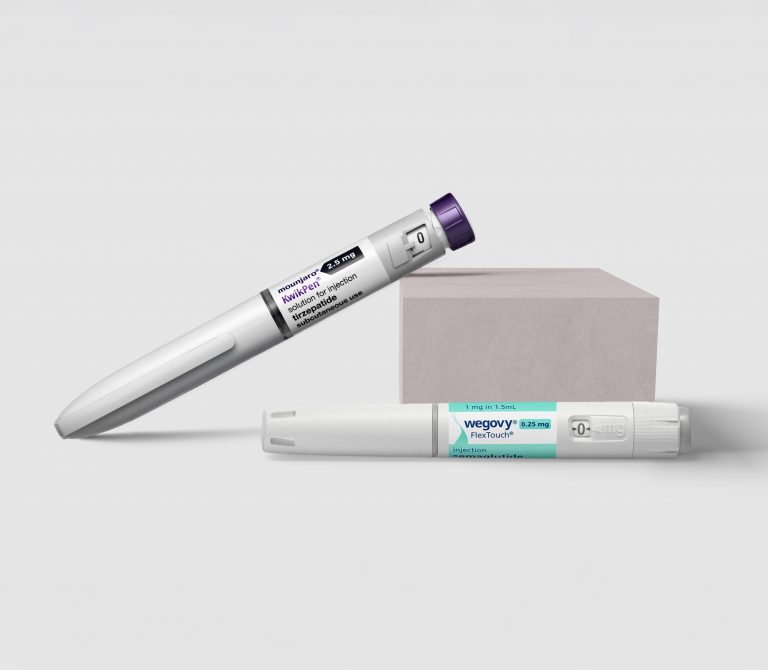
Mounjaro (tirzepatide) is a once-weekly injectable medication designed to help adults manage type 2 diabetes and support weight loss in those with obesity or weight-related health concerns. Mounjaro is primarily indicated for type 2 diabetes management and is used off-label for weight loss, while primarily being indicated for type 2 diabetes management. Unlike traditional diabetes medications, Mounjaro works by targeting two key hormones: glucagon-like peptide-1 (GLP-1) and glucose-dependent insulinotropic polypeptide (GIP). By activating these hormones, Mounjaro helps lower blood sugar levels after meals and increases feelings of fullness, making it easier to eat less and lose weight. This dual action not only improves blood sugar control but also supports sustainable weight loss, making Mounjaro a unique option among weight loss medications and diabetes treatments.
Understanding how Mounjaro works and its approved uses is important before considering its potential drawbacks. Next, we’ll look at the most common side effects associated with this medication.
Common Side Effects of Mounjaro
One of the most significant cons of taking Mounjaro is the range of side effects that many users experience. These symptoms occur because tirzepatide works by slowing gastric emptying and affecting how your body processes food.


























Gastrointestinal Side Effects
Mounjaro (tirzepatide) primarily causes gastrointestinal side effects such as nausea, vomiting, diarrhea, and constipation. The most common side effects, as reported in Mounjaro clinical trials, include:
- Nausea – Often most pronounced during the first few weeks of treatment or after dose increases
- Diarrhea – Can range from mild to moderate and may come and go
- Vomiting – Particularly common when eating large meals or high-fat foods
- Constipation – Some users experience the opposite of diarrhea
- Abdominal pain – Cramping or discomfort in the stomach area
- Decreased appetite – While this aids weight loss, it can sometimes feel uncomfortable
Stomach problems are among the most common side effects of Mounjaro, primarily causing gastrointestinal symptoms such as nausea, vomiting, diarrhea, and constipation.
For most people, these side effects diminish over time as the body adjusts to the medication. Gradually increasing the dose (dosage adjustment) can help minimize gastrointestinal side effects, and consulting your doctor for possible dose adjustment or over-the-counter remedies is advisable if symptoms persist. Making dietary changes, such as eating smaller, more frequent meals, can also help manage nausea and other stomach problems. However, some individuals find these side effects persistent enough to discontinue treatment altogether. Starting at a lower dose and gradually increasing can help minimize these issues, but they remain a notable disadvantage of Mounjaro therapy.
Other Common Side Effects
- Injection site reactions – Just over 3% of people in clinical trials experienced redness, pain, or irritation at the injection site
- Blurred vision – Some users may experience blurred vision; contact your doctor if you notice any changes in vision
- Abnormal behaviors and mood changes – Mood changes, depression, anxiety, agitation, or irritability have been reported; it’s important to monitor for these symptoms and seek medical advice if they occur
- Dizziness or lightheadedness – Some users reported these symptoms, which could indicate low blood sugar or an allergic reaction
Beyond these common side effects, there are also significant financial and practical considerations to be aware of.
The High Cost of Mounjaro Treatment
Perhaps one of the biggest practical drawbacks of Mounjaro is its significant expense. Without insurance coverage, Mounjaro can cost over $1,000 to $1,500 per month, making it financially inaccessible for many people seeking weight loss treatment.
Insurance and Cost Challenges
- Insurance coverage is not guaranteed: Many insurance plans consider it a lifestyle medication when prescribed for weight loss, excluding it from coverage entirely.
- Approval for diabetes is more likely: Those with type 2 diabetes may have better luck getting approval, but prior authorizations and step therapy requirements can create delays and frustrations.
- Long-term financial commitment: Research suggests that stopping the medication often leads to weight regain, meaning users may need to continue treatment indefinitely to maintain results. This ongoing expense can add up to thousands of pounds over the years.
After considering the financial aspects, it’s important to understand the potential serious health risks associated with Mounjaro.
Potential Serious Health Risks
While rare, there are more serious Mounjaro risks and warnings that users should understand before beginning treatment. Long-term effects of Mounjaro use are still being studied.






Allergic Reactions
Mounjaro can cause life-threatening side effects, including severe allergic reactions and anaphylaxis (a severe allergic reaction). Symptoms of a serious allergic reaction may include trouble breathing, trouble swallowing, swelling of the face or throat, or severe pain. If you experience any of these symptoms, seek immediate medical attention, as these reactions can be life-threatening. It is important to seek medical help or immediate medical attention in the event of a medical emergency, such as severe allergic reactions or severe pain.
Thyroid Tumor Risk
Mounjaro carries a boxed warning from the FDA about the possible risk of thyroid cancer, often referred to as ‘thyroid cancer Mounjaro.’ The active ingredient, tirzepatide, has been shown in animal studies to cause thyroid tumors in rodents, but it is not known if this increased risk applies to humans. Because of this, patients treated with similar drugs or those with a personal or family history of medullary thyroid carcinoma (MTC) or multiple endocrine neoplasia syndrome type 2 (MEN2) should avoid Mounjaro. The boxed warning emphasizes the importance of monitoring for symptoms of thyroid tumors, such as a lump in the neck, hoarseness, trouble swallowing, or shortness of breath.
Pancreatitis Risk
Mounjaro can cause pancreatitis, which is inflammation of the pancreas and can be life-threatening. In clinical trials, pancreatitis was reported in a small number of patients taking Mounjaro, with about 23 cases per 1,000 new users per year.
There have been reports of acute pancreatitis in patients taking GLP-1 receptor agonists like Mounjaro. Symptoms include severe abdominal pain that may radiate to the back, often accompanied by nausea and vomiting. Anyone with a history of pancreatitis should discuss this risk carefully with their healthcare provider.
Gallbladder and Kidney Issues
Additional serious but uncommon risks include:
- Gallbladder problems – Rapid weight loss can increase the risk of gallstones. Mounjaro may cause gallbladder disease, including acute gallbladder disease, such as gallstones and inflammation, which may require surgical intervention. Gallbladder problems, including gallstones, occurred in about 1 in 200 people taking Mounjaro in clinical trials.
- Kidney issues – Dehydration from vomiting or diarrhea can affect kidney function. Mounjaro can lead to acute kidney injury due to dehydration caused by gastrointestinal side effects like nausea, vomiting, and diarrhea. Severe digestive problems from Mounjaro can result in acute kidney injury, so it is important to monitor for symptoms of kidney problems and seek medical attention if they occur.
- Hypoglycemia – Particularly when combined with insulin or sulfonylureas
- Allergic reactions – Though rare, severe allergic responses can occur
Understanding these health risks is crucial before starting Mounjaro. Next, let’s look at the lifestyle adjustments and practical challenges that come with this medication.
Lifestyle Adjustments and Practical Challenges
Beyond the physical side effects, taking Mounjaro requires certain lifestyle modifications and comes with practical inconveniences that some users find challenging.
Mounjaro is a diabetes medication primarily indicated for type 2 diabetes management, but it is also used off-label for weight loss. When taking Mounjaro, it is important to implement diet and lifestyle changes to help manage side effects and improve overall health outcomes. Monitoring blood glucose levels is essential, especially if you are taking other diabetes medications, to avoid complications such as hypoglycemia. Drinking alcohol while on Mounjaro can increase the risk of both high blood sugar and low blood sugar, so it is important to consult your healthcare provider before consuming alcohol. If you experience low blood sugar, quick-acting carbohydrates like fruit juice can help rapidly raise your blood glucose levels.
Weekly Injections
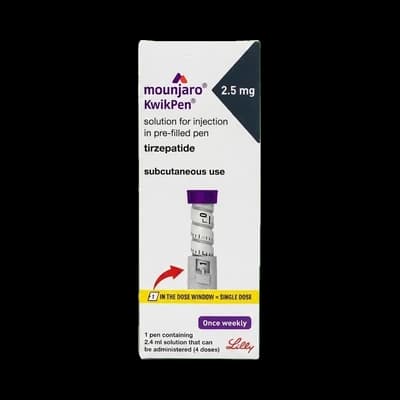
Mounjaro is administered as a weekly subcutaneous injection. While many people adapt to self-injecting, others find the process uncomfortable or anxiety-inducing. The injection site can occasionally become red, itchy, or irritated, adding to the discomfort.
Dietary Changes Required
The medication works best alongside healthy eating habits, but the appetite suppression and slowed digestion mean users often need to completely rethink their relationship with food. Eating too much or consuming high-fat meals can trigger severe nausea and vomiting. Many users report:
- Needing to eat much smaller portions
- Avoiding previously enjoyed foods
- Experiencing food aversions
- Finding social eating situations challenging
Supply and Availability Issues
Mounjaro has faced significant supply shortages since its launch, with demand far outstripping production capacity. This means users may experience frustrating gaps in their treatment, potentially affecting their progress and requiring them to restart at lower doses.
Mounjaro and Missed Dose
If you miss a dose of Mounjaro, it’s important to act promptly to maintain stable blood sugar levels and reduce the risk of side effects. Take the missed dose as soon as you remember, unless it’s within four days of your next scheduled injection. If it’s close to your next dose, simply skip the missed one and continue with your regular dosing schedule—never take two doses at once. Missing doses can affect your blood sugar control and may increase health risks, especially if you are also taking other diabetes medicines.
Always inform your healthcare professional about any other medications you are using, as combining Mounjaro with certain drugs can increase the risk of low blood sugar or other side effects. If you’re unsure about what to do after a missed dose, or if you experience symptoms of low blood sugar such as shakiness, sweating, or confusion, seek medical advice promptly. Consistently following your prescribed schedule is key to minimizing side effects and achieving the best results from your Mounjaro treatment.
With these practical challenges in mind, it’s also important to consider how Mounjaro may affect your body composition and nutritional status.
Muscle Loss and Nutritional Concerns
A less discussed but important disadvantage of Mounjaro relates to body composition changes during rapid weight loss.
The Muscle Mass Problem
Studies indicate that a portion of weight lost on GLP-1 medications like Mounjaro comes from lean muscle mass rather than fat alone. This can be problematic because muscle is a metabolically active tissue that helps maintain a healthy metabolism. Losing too much muscle may:
- Reduce overall strength and physical function
- Lower resting metabolic rate
- Make weight maintenance harder long-term
- Affect bone density over time
Nutritional Deficiencies
The significantly reduced appetite that makes Mounjaro effective for weight loss can also make it difficult to consume adequate nutrition. Users may struggle to eat enough protein, vitamins, and minerals, potentially leading to deficiencies that require supplementation and careful dietary planning.
If you are considering Mounjaro, it’s important to know who should avoid this medication due to specific health risks.
Who Should Avoid Mounjaro?
Given these potential drawbacks, Mounjaro isn’t suitable for everyone. You should avoid or use extreme caution with this medication if you:
- Have a history of medullary thyroid carcinoma or MEN 2
- Have had pancreatitis
- Are pregnant, planning pregnancy, or breastfeeding
- Are taking birth control pills, as Mounjaro may reduce the effectiveness of oral birth control pills, particularly in the first four weeks of treatment. Women should discuss alternative birth control methods with their healthcare provider and inform their provider if they are using birth control pills before starting Mounjaro.
- Have severe gastrointestinal conditions
- Have a history of eating disorders
- Have diabetic retinopathy, as people with this condition should be monitored closely since Mounjaro may temporarily worsen vision
- Cannot commit to the required monitoring and follow-up appointments
If you experience any persistent or severe side effects while taking Mounjaro, consult your healthcare provider promptly.
Conclusion: Weighing the Pros and Cons
Understanding the cons of taking Mounjaro is crucial for making an informed healthcare decision. While many users achieve remarkable results with tirzepatide, the medication comes with genuine drawbacks, including gastrointestinal side effects, high costs, potential health risks, and practical lifestyle challenges.
The key is working closely with a qualified healthcare provider who can assess your individual circumstances, monitor your progress, and help you manage any side effects that arise. For many people, the benefits of Mounjaro outweigh these disadvantages, but that’s a personal decision that should be made with complete information.
Ready to learn more about whether Mounjaro is right for you? Book a consultation with a NowPatient Weight Loss Clinician who can review your medical history, discuss your weight loss goals, and help you understand all your treatment options.
About NowPatient's Editorial Process
- Written by clinical authors
- Reviewed every 2 years
- Conflicts of interest declared
NowPatient's medical content is selected by a panel of practising clinicians (pharmacists, doctors and allied healthcare professionals) and researched by an in-house team of writers who all hold scientific or clinical backgrounds. Sponsorship and conflicts of interest are openly declared.
Every article is peer-reviewed by a clinician for clinical accuracy, evidence base and accessibility, including consideration of the particular characteristics set out in the UK Equality Act 2010. Only then is it released for publication against fixed placement guidelines.
All content is cycle reviewed (typically every two years) and updated sooner if evidence, guidelines or a complaint require it. Changes follow a formal change control procedure and are reflected in the "last updated" date on each article. NowPatient is governed by MiHealth; UK pharmacy services are provided by MiHealth Pharmacy (GPhC 1036487).