Retatrutide Trial: 45% of Patients Lost Over 30% of Their Body Weight

A new injectable weight loss treatment, in evaluation phase, called retatrutide has delivered some of the most striking results yet seen in a clinical trial for obesity.
Eli Lilly, the drug’s manufacturer, announced the findings from its large Triumph-1 study on 21 May 2026. Patients on the highest dose lost close to a third of their body weight over around 18 months, a level of weight reduction that until now has typically only been seen with surgery.
What is retatrutide?
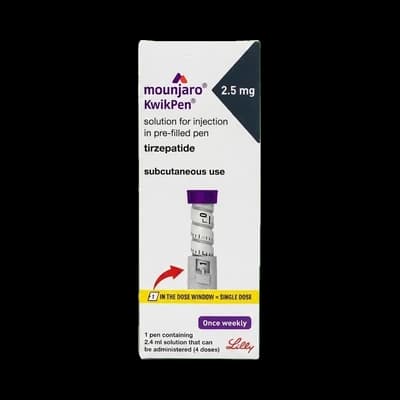
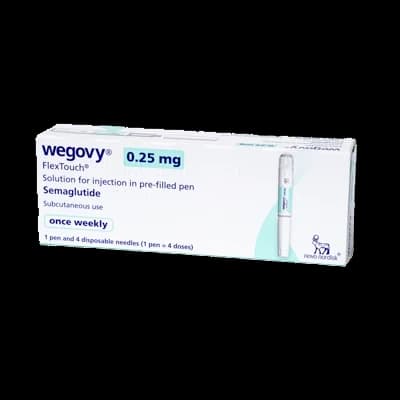
Retatrutide is a once-weekly injection being developed by Eli Lilly to treat obesity. It belongs to a newer generation of weight loss medicines that act on more than one of the body’s appetite and metabolism pathways at the same time. Where Wegovy or Semaglutide works on one hormone pathway (GLP-1) and Mounjaro works on two (GLP-1 and GIP), retatrutide works on three, adding a third pathway called glucagon. This is thought to be the reason it appears to produce greater weight loss than the medicines currently licensed.
It is important to note that retatrutide is not yet licensed in the UK, the US, or anywhere else in the world. It is still being studied in clinical trials and cannot be legally prescribed or supplied at this time.
What did the trial find?
The Triumph-1 study looked at adults living with obesity who also had at least one weight-related health condition, such as high blood pressure or obstructive sleep apnoea, but who did not have type 2 diabetes. Participants were given one of three doses of retatrutide, or a placebo (a dummy injection), and followed for 80 weeks (around 18 months).
The results across the three doses were:
- 12 mg dose: average weight loss of 70.3 lbs (28.3% of starting body weight)
- 9 mg dose: average weight loss of 64.4 lbs (25.9%)
- 4 mg dose: average weight loss of 47.2 lbs (19.0%), with fewer people stopping treatment because of side effects
Among those on the highest dose, almost two-thirds (65.3%) finished the trial with a BMI under 30, meaning they were no longer classed as living with obesity by the standard medical definition.
Perhaps the most striking finding was that 45.3% of patients on the highest dose lost 30% or more of their starting body weight. Eli Lilly noted that this level of weight loss has historically only been associated with bariatric (weight loss) surgery, not with medication.
In a longer two-year extension of the study, people who started with a BMI of 35 or higher lost an average of 85 lbs (30.3% of their body weight) by the 104-week point. This suggests that weight loss with retatrutide may continue beyond the first 18 months of treatment, rather than plateauing early.
What about side effects and safety?
As with other GLP-1 based medicines, the most common side effects reported in trials of retatrutide have been gastrointestinal, including nausea, diarrhoea, constipation, and vomiting. These tend to be more common when the dose is being increased and often settle over time. Eli Lilly reported that the 4 mg dose had a lower rate of people stopping treatment due to side effects, which may be relevant for patients who are more sensitive to these effects.

Full safety data, including any rarer or longer-term effects, will be reviewed in detail by regulators such as the MHRA in the UK and the FDA in the US before any decision is made on licensing.
Expert reaction
Professor Ania Jastreboff, who directs the Yale Obesity Research Center, said the trial showed not just significant weight reduction but also improvements in markers of heart and metabolic health, such as blood pressure, cholesterol, and blood sugar control. She suggested retatrutide could become an important future option for patients seeking treatment for obesity, and could meaningfully change long-term health outcomes for the people she sees in her clinic.
Can I get retatrutide now?
No. Retatrutide is still in clinical trials and has not been approved by any medicines regulator anywhere in the world. It cannot be legally prescribed or supplied in the UK or US at this time.
Following the positive Triumph-1 results, it is expected that Eli Lilly will submit the data to regulators for review. Even so, approval typically takes many months, and a licence in the UK or US would only come after a separate assessment by the relevant competent authority such as MHRA in UK or FDA in US. For the UK, any NHS availability would then depend on a further review by NICE (the National Institute for Health and Care Excellence).
A warning about counterfeit and unlicensed retatrutide
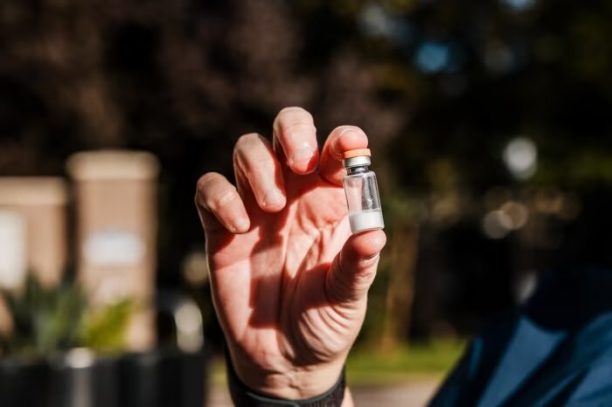
Despite not being licensed, retatrutide is already being sold illegally online and, in some cases, through pharmacies operating outside the rules.
In 2025, the Medicines and Healthcare products Regulatory Agency (MHRA) seized 5,851 counterfeit or unlicensed weight loss injections in the UK, and around 4,000 of those were retatrutide. The Committee of Advertising Practice (CAP) also confirmed late last year that it was investigating UK pharmacies suspected of supplying it.
Buying unlicensed weight loss injections carries serious risks:
- There is no way to be certain what is actually in the vial
- The dose may be wrong, contaminated, or unsafe
- There is no clinical oversight or follow-up if something goes wrong
- Counterfeit pens have been linked to hospital admissions
If you have already bought what you believe to be retatrutide, you should stop using it and speak to a healthcare professional. You can also report suspected counterfeit medicines to the MHRA through its Yellow Card scheme or FDA through MedWatch.
What weight loss treatments are available right now?
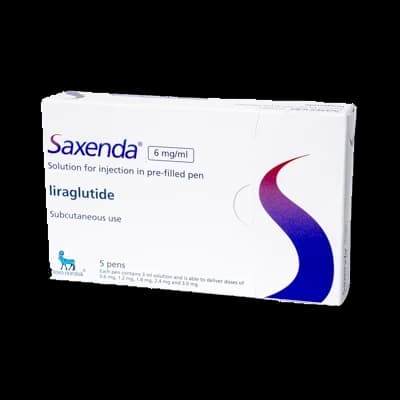
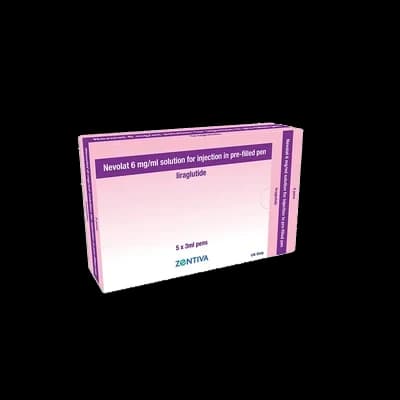
If you are thinking about obesity treatment, several licensed weight loss injections are already available in the UK, including Wegovy (semaglutide) and Mounjaro (tirzepatide). Both have strong evidence behind them and can produce meaningful weight loss when used alongside diet and lifestyle changes.
These can be prescribed through the NHS for eligible patients meeting specific BMI and health criteria, or accessed privately through a GPhC-registered weight loss services like NowPatient, following a proper clinical consultation. The right option for you will depend on your medical history, your weight, any other conditions you have, and the medicines you currently take.
Always speak to your doctor or a registered pharmacist before starting any weight loss medication, and never source injections from unverified online sellers or social media accounts. A licensed pharmacy will always require a consultation, will provide ongoing support, and will be registered with the General Pharmaceutical Council (GPhC).
NowPatient has taken all reasonable steps to ensure that all material is factually accurate, complete, and current. However, the knowledge and experience of a qualified healthcare professional should always be sought after instead of using the information on this page. Before taking any drug, you should always speak to your doctor or another qualified healthcare provider.
The information provided here about medications is subject to change and is not meant to include all uses, precautions, warnings, directions, drug interactions, allergic reactions, or negative effects. The absence of warnings or other information for a particular medication does not imply that the medication or medication combination is appropriate for all patients or for all possible purposes.