Buy Doxycycline online
Book a quick face-to-face video consultation with a certified prescribing pharmacist, nurse, or doctor. If approved, your Doxycycline will be prescribed* and delivered straight to your door with tracked delivery. No hidden fees. No delays. Just expert care.
Doxycycline is indicated for the treatment of Chlamydia & Malaria.
*Includes Free Private Prescription & Consultation.
Manufactured by Dawa Ltd.
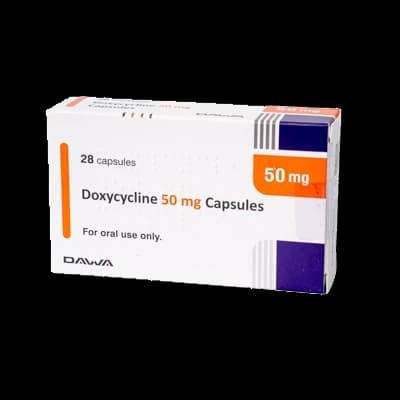

Select pack size & strength
Doxycycline
Select pack size & strength
*Your clinician will recommend the right strength and quantity for you during the consultation.
Treatment$21.58
Shipping & import duties$20.00
Total if approved$41.58
How it works
Similar Treatments
Doxycycline Alternatives
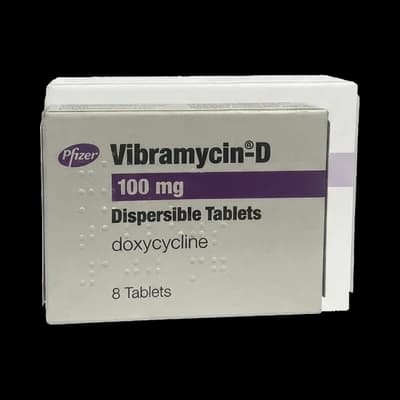
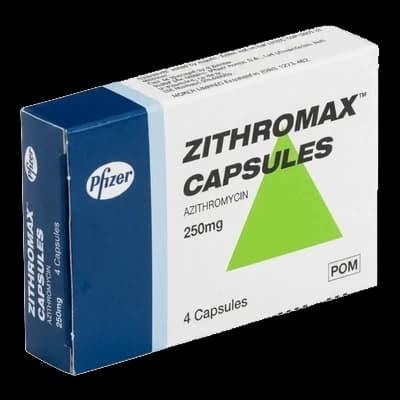
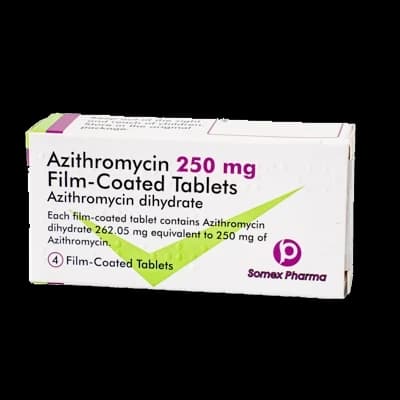

Order Online
Doxycycline Prices
| Brand/Generic | Form | Dosage | Quantity | Price | Delivery Cost | Consultation Cost |
|---|---|---|---|---|---|---|
| DoxycyclineGeneric | Capsules | 50mg | 28 | $21.58 | $0.00*(with Core+ Plan) | $0.00 |
| DoxycyclineGeneric | Capsules | 100mg | 8 | $21.58 | $0.00*(with Core+ Plan) | $0.00 |
Key facts about Doxycycline
Other Related Names or Treatments
Doxycycline, Vibramycin, Adoxa, Acticlate, Mondoxyne NL, Lymepak, Oracea
About Doxycycline
Doxycycline hyclate is classed as a tetracycline antibiotic and is used to treat bacterial infections such as:
- Respiratory tract infections
- Sexually transmitted infections
- Skin infections and conditions like rosacea
- Malaria when you are travelling abroad
- Anthrax or Rocky Mountain spotted fever
- Lyme disease
It is available with a prescription under brand names such as Vibramycin. NowPatient offers Doxycycline for the treatment of malaria and chlamydia only, following an online consultation with a prescribing clinician.
Key facts of Doxycycline
- You will start to see improvements within a few days for most infections, but you must complete the course of treatment
- Doxycycline takes longer to treat rosacea. A healthcare professional will review your progress after around 4 weeks
- Common side effects of Doxycycline include headaches, nausea or vomiting. Doxycycline can also make your skin more sensitive to sunlight
- You are advised to not consume alcohol while taking Doxycycline as it can prevent it from working
- Doxycycline may cause thrush. Speak to your doctor or pharmacist for medical advice if this happens
Who is Doxycycline suitable for?
Doxycycline is suitable for adults and children over the age of 12, but may be suitable for younger children for some infections.
Who is Doxycycline not suitable for?
Doxycycline may not be suitable for some people. To make sure it’s safe for you, speak to the prescribing clinician before taking Doxycycline if you:
- Have ever had an allergic reaction to Doxycycline or other tetracycline antibiotics such as minocycline, or tetracycline
- Have kidney or liver disease
- Have oesophagitis (an inflamed food pipe)
- Have an autoimmune disease such as lupus
- Have myasthenia gravis which causes severe muscle weakness
- Are pregnant – Doxycycline may cause permanent tooth discoloration
- Are breastfeeding, as Doxycycline passes into breast milk
How and where to get Doxycycline?
You can buy Doxycycline safely and securely from NowPatient. You can start a consultation today for free and if you qualify for treatment, you only pay for the cost of the medication. Delivery is made to your home or office from our registered pharmacy.
Our service is certified, safe and effective, and we only ever treat conditions. If you book a consultation with a prescribing clinician for the treatment of chlamydia or the prevention of malaria, you can discuss if Doxycycline is a suitable treatment option for you.
At the end of the consultation, the clinician will decide if a treatment plan is suitable for you. If it is, the clinician will issue you with a prescription which can then be ordered, paid for and delivered directly to your chosen address by NowPatient.
Dosage and strength for Doxycycline for malaria
Doxycycline is available as capsules, tablets, delayed release tablets, or as a suspension, which you take orally. Your dose of Doxycycline will depend on the condition you are being treated for. The dose is usually 100mg to 200mg, once or twice a day.
For malaria you will normally take 100mg once daily in the morning. For skin conditions you may take a lower dose of 40mg once a day or 20mg twice a day. If you are prescribed to take Doxycycline more than once a day, you should take your doses evenly through the day.
Information about how to take Doxycycline for malaria or chlamydia
Doxycycline capsules should be taken orally on an empty stomach 1 hour before or 2 hours after food. If you are taking a high dose of Doxycycline you may take it with food to prevent the feeling of sickness. Take Doxycycline in an upright position to prevent it from causing irritation to your stomach, and avoid lying down for at least 30 minutes after.
If you are prescribed Doxycycline for the prevention of malaria, begin your treatment 1 or 2 days before travelling to the area with malaria, and stop taking it 4 weeks after you leave the area. Check with our clinician that Doxycycline is the best treatment for the prevention of malaria in the area you are visiting.
How to take capsules or standard tablets
Take Doxycycline capsules with a glass of water. You may experience swelling and irritation in your throat if you do not swallow them with enough water.
If you are taking dispersible tablets, dissolve them fully in a small amount of water before swallowing the drink.
What happens if you take too much Doxycycline?
If you take more than prescribed, then it can lead to some unpleasant side effects. You should talk to your doctor or reach out to one of our prescribing clinicians, if you have taken too much Doxycycline and you experience any of the following side effects:
- Headache
- Nausea
- Vomiting
What are the side effects of Doxycycline?
Possible side effects of Doxycycline are split into common and serious. Common side effects include:
- Headaches
- Feeling sick
- Being sick
- Photosensitivity to sunlight – Doxycycline may cause skin reactions such as skin rash, itching, blistering, or redness. You may sunburn more easily. Wear protective clothing and use sunscreen when outdoors
Serious side effects include:
- C difficile (a severe intestinal condition due to a bacteria). Symptoms include diarrhea that will not stop, abdominal pain, and blood in your stools
- Unexplained bruising or bleeding
- Dark urine, light coloured stools, yellowing of your eyes
- Muscle or joint pain
- Intracranial hypertension (severe headaches, vomiting and vision problems)
- Swollen mouth, lips or tongue
- Difficulty swallowing, sore throat, chest pain
If you experience any serious side effects, you should contact NHS 111.
If you experience a life-threatening allergic reaction with the signs shown below you should contact emergency services on 999.
- Hives
- Your lips, mouth, throat or tongue suddenly become swollen
- You’re breathing very fast or struggling to breathe (you may become very wheezy or feel like you’re choking or gasping for air)
- Your throat feels tight or you’re struggling to swallow
- Your skin, tongue or lips turn blue, grey or pale (if you have black or brown skin, this may be easier to see on the palms of your hands or soles of your feet)
- You suddenly become very confused, drowsy or dizzy
- Someone faints and cannot be woken up
Always report adverse effects to the MHRA yellow card reporting system. You can read more about this here: how and where do i report side effects of my medication
Information about taking Doxycycline at the same time as other medications or herbal supplements
There is not enough evidence to suggest there are any drug interactions between herbal supplements and Doxycycline. In any event, you should let your prescribing clinician know if you are taking any herbal supplements.
There are some medications that you should not take with Doxycycline. Tell your doctor if you are taking:
- Antacids
- Other antibiotics
- Isotretinoin for acne treatment
- Warfarin
- Phenytoin or carbamazepine for the treatment of seizures
- Supplements containing aluminium, bismuth, calcium, magnesium, iron or zinc
How will I know if Doxycycline is working?
You will start to see improvements within a few days for most infections, but you must complete the course of treatment. If you do not start to feel better after 3 days, speak to your doctor or pharmacist for medical advice.
If you are prescribed Doxycycline for the prevention of malaria, you will not feel any changes. Continue taking Doxycycline as prescribed for 4 weeks after leaving the malaria area.
Can Doxycycline stain teeth?
Doxycycline can stick to calcium in growing bones and teeth causing them to stain. This only happens in growing bones and is why Doxycycline is not normally given to children, or to pregnant or breastfeeding women.
Is there a herbal Doxycycline?
No. Herbal Doxycycline does not exist. If you have been marketed such a formulation, it may be fake.
Can women use Doxycycline?
Women can normally take Doxycycline, but it not recommended when women are pregnant or breastfeeding.
Should I avoid any particular food or drink when taking Doxycycline?
You can eat and drink normally when taking Doxycycline as long as you avoid alcohol.
Alternatives to Doxycycline
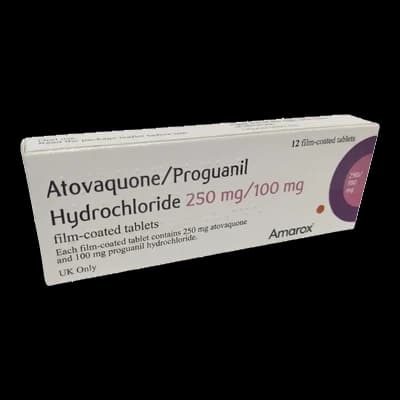
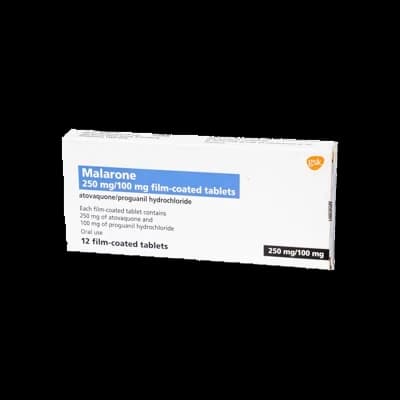
Alternatives for the treatment of Malaria include Malarone.
Sources
FAQs
Answers to Popular Questions About Doxycycline
What is Doxycycline?
Doxycycline is a tetracycline-type antibiotic used to treat a wide range of bacterial infections. It belongs to the broad-spectrum antibiotic class and works by stopping the growth of bacteria. Doxycycline is available as capsules, tablets, and dispersible tablets in the UK and is prescribed for conditions including acne, rosacea, chest infections, sexually transmitted infections, urinary tract infections, and as a preventative treatment for malaria. It is a prescription-only medicine (POM) and is widely available on the NHS.
What is Doxycycline used for?
Doxycycline is used to treat many bacterial infections including acne vulgaris, rosacea, chlamydia and other sexually transmitted infections, lower respiratory tract infections such as pneumonia, Lyme disease, sinusitis, and certain dental infections. It is also used as malaria prophylaxis for travellers visiting areas where Plasmodium falciparum malaria is present. Additionally, Doxycycline is sometimes prescribed off-label for chronic conditions like periodontitis at a sub-antimicrobial dose.
How does Doxycycline work?
Doxycycline works by inhibiting bacterial protein synthesis. It binds to the 30S ribosomal subunit of bacteria, preventing the attachment of transfer RNA (tRNA) to the messenger RNA–ribosome complex. This stops the bacteria from producing essential proteins needed for growth and reproduction, effectively halting the infection. Doxycycline is bacteriostatic, meaning it stops bacteria from multiplying rather than killing them directly, allowing the body’s immune system to clear the infection.
Is Doxycycline available on the NHS?
Yes, Doxycycline is readily available on the NHS and is one of the most commonly prescribed antibiotics in the UK. It is relatively inexpensive as a generic medication. Doxycycline can also be obtained through private prescriptions and online prescribing services such as NowPatient. For malaria prevention, it may sometimes need to be purchased privately as not all GP practices prescribe antimalarials on the NHS.
Who should not take Doxycycline?
Doxycycline should not be taken by children under 12 years of age as it can cause permanent tooth discolouration and affect bone development. It is contraindicated in pregnancy and breastfeeding. People with a known allergy to tetracycline antibiotics must avoid Doxycycline. Those with severe liver disease should use it with caution. Patients with lupus (SLE) may experience photosensitivity reactions. You should inform your prescriber about any kidney problems, myasthenia gravis, or porphyria before taking Doxycycline.
What is the usual dose of Doxycycline?
The usual dose of Doxycycline depends on the condition being treated. For most infections, the standard dose is 200 mg on the first day (given as a single dose or 100 mg twice daily), followed by 100 mg once daily. For acne, the typical dose is 100 mg daily for at least 6 to 12 weeks. For malaria prophylaxis, the dose is 100 mg once daily, starting 1–2 days before travel, continuing throughout the trip and for 4 weeks after returning. For chlamydia, the usual course is 100 mg twice daily for 7 days. Always follow your prescriber’s specific instructions.
Should I take Doxycycline with food?
Yes, Doxycycline capsules and tablets should be taken with or after food and with a full glass of water. Taking Doxycycline on an empty stomach is more likely to cause nausea and stomach irritation. You should swallow the capsule whole while sitting or standing upright and avoid lying down for at least 30 minutes afterwards to prevent oesophageal irritation and ulceration. Do not take Doxycycline with milk, antacids, iron supplements, or calcium products as these reduce its absorption.
What should I do if I miss a dose of Doxycycline?
If you miss a dose of Doxycycline, take it as soon as you remember unless it is nearly time for your next dose. Do not take a double dose to make up for a missed one. If you are using Doxycycline for malaria prevention and miss a dose, take it as soon as you remember and continue as normal. If you frequently forget doses, try setting a daily alarm. Missing doses of antibiotics can reduce their effectiveness and contribute to antibiotic resistance.
What are the common side effects of Doxycycline?
Common side effects of Doxycycline (affecting 1 in 10 to 1 in 100 people) include nausea, vomiting, diarrhoea, and abdominal pain, particularly if taken on an empty stomach. Photosensitivity (increased sensitivity to sunlight) is a well-known side effect — you may burn more easily. Oral thrush and vaginal thrush can occur due to disruption of normal bacterial flora. Headache is also commonly reported. These side effects are usually mild and temporary.
Can Doxycycline cause sun sensitivity?
Yes, photosensitivity is one of the most notable side effects of Doxycycline. You may develop an exaggerated sunburn reaction even with relatively brief sun exposure. To reduce this risk, use a high-factor sunscreen (SPF 30 or above), wear protective clothing, and avoid prolonged sun exposure or sunbeds while taking Doxycycline and for a few days after stopping. This is particularly important for those using Doxycycline for malaria prophylaxis in sunny destinations. If you develop a severe skin reaction, contact your doctor.
What serious side effects should I watch for with Doxycycline?
Rare but serious side effects of Doxycycline include severe headache with blurred vision, which could indicate raised intracranial pressure (benign intracranial hypertension) — seek urgent medical attention if this occurs. Severe allergic reactions (anaphylaxis) with swelling of the face, lips, or tongue require emergency help. Oesophageal ulceration can occur if the capsule gets stuck — symptoms include painful swallowing or chest pain. Liver damage (hepatotoxicity) is very rare but possible. Clostridioides difficile-associated diarrhoea (severe, watery or bloody diarrhoea) should be reported immediately.
What medications interact with Doxycycline?
Doxycycline has several important drug interactions. Antacids containing aluminium, calcium, or magnesium, and iron supplements significantly reduce Doxycycline absorption — leave at least 2–3 hours between doses. Warfarin’s anticoagulant effect may be enhanced by Doxycycline, requiring INR monitoring. Rifampicin, carbamazepine, phenytoin, and barbiturates can reduce Doxycycline levels through enzyme induction. Ciclosporin levels may be increased. Oral typhoid vaccine (Vivotif) should be completed at least 3 days before starting Doxycycline. Retinoids such as isotretinoin should not be used concurrently due to the risk of benign intracranial hypertension.
Can I drink alcohol while taking Doxycycline?
While there is no absolute contraindication, it is generally advisable to limit alcohol consumption while taking Doxycycline. Heavy alcohol use can increase the rate at which your body breaks down Doxycycline, potentially reducing its effectiveness. Alcohol can also worsen the gastrointestinal side effects of Doxycycline such as nausea and stomach upset. If you are taking Doxycycline for a serious infection, it is best to avoid alcohol until you have completed the course.
Does Doxycycline affect the contraceptive pill?
According to current FSRH and BNF guidance, standard antibiotic courses of Doxycycline do not reduce the effectiveness of combined or progestogen-only contraceptive pills, provided the antibiotic does not cause vomiting or severe diarrhoea. Additional contraceptive precautions are not routinely required. However, if Doxycycline causes vomiting within 2 hours of taking your pill, or severe diarrhoea, you should follow the missed pill rules in your contraceptive’s patient information leaflet. Enzyme-inducing antibiotics (such as rifampicin) do affect contraceptive efficacy, but Doxycycline is not enzyme-inducing.
Can I take Doxycycline if I am pregnant or breastfeeding?
No, Doxycycline should not be used during pregnancy. Tetracyclines can cause permanent discolouration of developing teeth and may affect bone growth in the foetus, particularly if taken during the second and third trimesters. Doxycycline is also excreted in breast milk and should be avoided while breastfeeding for the same reasons. If you discover you are pregnant while taking Doxycycline, stop the medication and contact your doctor immediately. Alternative antibiotics that are safe in pregnancy, such as amoxicillin or erythromycin, can usually be prescribed instead.
How can I get a prescription for Doxycycline?
You can obtain a prescription for Doxycycline from your GP, a sexual health clinic (GUM clinic), or through an online prescribing service such as NowPatient. For malaria prophylaxis, you can get a prescription from your GP, a travel clinic, or an online pharmacy. NowPatient offers a convenient online consultation where a qualified UK prescriber can assess your suitability and issue a prescription with home delivery. Some pharmacies also offer Doxycycline for malaria prevention through their travel health services.
How should I store Doxycycline?
Store Doxycycline capsules and tablets at room temperature below 25°C, in a dry place away from direct sunlight. Keep the medication in its original packaging and out of reach of children. Do not use Doxycycline after the expiry date printed on the packaging. Unlike many other medications, expired tetracyclines (including Doxycycline) can become toxic and cause a serious condition called Fanconi syndrome, so it is especially important to dispose of any out-of-date Doxycycline at a pharmacy.
Related Articles


Your health shouldn’t wait.
Consultations, prescriptions, medication delivery, health monitoring – all in one place.

Rated excellent on Trustpilot
Wow! Excellent customer service. I submitted an email query, had a call…
Alison Hurst
I do not leave reviews, due to time and a rare condition I have. I…
Sherry M
Great experience getting the med. Clinician was very thorough.
Barbara Hill
Cannot speak highly enough of the service and assistance I have…
CJH
Very good experience - the clinician asked intelligent questions about…
Phil Daoust
Really excellent. Very thorough and professional pharmacist who guided…
Colin Glass
Meet our medical team
We are a broad skilled and passionate group of clinicians with experience of operating in regulated health systems in the United Kingdom & United States. Providing excellent care and advice is at the heart of everything we do.