Buy Azithromycin Online with Free Consultation & Prescription
Book a quick face-to-face video consultation with a certified prescribing pharmacist, nurse, or doctor. If approved, your Azithromycin will be prescribed* and delivered straight to your door with tracked delivery and customs duties paid. No hidden fees. No delays. Just expert care.
Azithromycin is indicated for the treatment of Chlamydia.
*Includes Free Private Prescription & Consultation.
Manufactured by Somex.


Azithromycin doses and pack sizes
Azithromycin
Azithromycin doses and pack sizes
*Your clinician will recommend the right strength and quantity for you during the consultation.
Treatment$21.58
Shipping & import duties$20.00
Total if approved$41.58
How it works
Similar Treatments
Azithromycin Alternatives
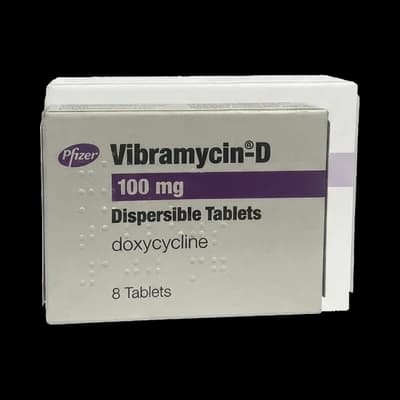
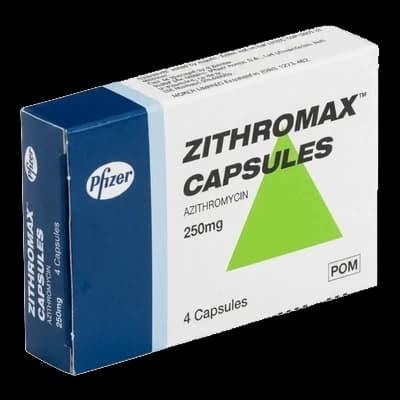
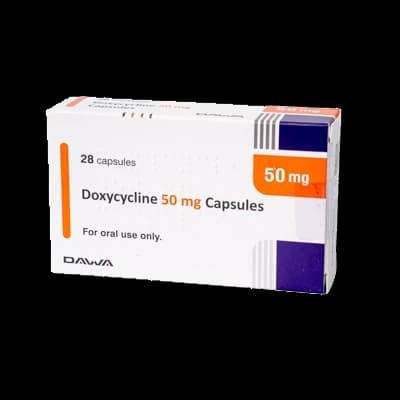
Order Online
Azithromycin Prices
| Brand/Generic | Form | Dosage | Quantity | Price | Delivery Cost | Consultation Cost |
|---|---|---|---|---|---|---|
| AzithromycinGeneric | Tablets | 250mg | 4 | $21.58 | $0.00*(with Core+ Plan) | $0.00 |
| AzithromycinGeneric | Tablets | 250mg | 6 | $21.58 | $0.00*(with Core+ Plan) | $0.00 |
| AzithromycinGeneric | Tablets | 500mg | 3 | $35.80 | $0.00*(with Core+ Plan) | $0.00 |
| AzithromycinGeneric | Capsules | 250mg | 4 | $21.58 | $0.00*(with Core+ Plan) | $0.00 |
| AzithromycinGeneric | Capsules | 250mg | 6 | $21.58 | $0.00*(with Core+ Plan) | $0.00 |
FAQs
Answers to Popular Questions About Azithromycin
What is Azithromycin?
Azithromycin is a macrolide antibiotic used to treat a range of bacterial infections. It is available as 250 mg and 500 mg tablets, capsules, and oral suspension in the UK. Common brand names include Zithromax. Azithromycin is a prescription-only medicine. It is widely prescribed for respiratory tract infections, sexually transmitted infections (particularly chlamydia), skin infections, and ear infections. One of its key advantages is its short course duration — many infections can be treated with just 3 days of azithromycin.
What is Azithromycin used for?
Azithromycin is used for lower respiratory tract infections (community-acquired pneumonia, acute bronchitis), upper respiratory tract infections (sinusitis, pharyngitis, tonsillitis), chlamydia (as a single-dose treatment), skin and soft tissue infections, otitis media (middle ear infection), and Lyme disease (in penicillin-allergic patients). It is also used off-label for traveller’s diarrhea and as long-term anti-inflammatory therapy in conditions such as bronchiectasis.
How does Azithromycin work?
Azithromycin inhibits bacterial protein synthesis by binding to the 50S ribosomal subunit. This prevents the bacteria from producing essential proteins needed for growth and reproduction. Azithromycin is bacteriostatic at normal concentrations but can be bactericidal at higher concentrations. Its unique pharmacokinetic property is tissue accumulation — azithromycin concentrates in tissues at levels 50–100 times higher than in the blood, and has a very long tissue half-life (2–4 days). This allows short treatment courses with sustained antibacterial activity.
What is the usual dose of Azithromycin?
Dosing depends on the infection. For chlamydia: a single dose of 1 g (two 500 mg tablets). For respiratory tract infections and skin infections: 500 mg on day 1, then 250 mg daily on days 2–5 (total 1.5 g over 5 days), or 500 mg daily for 3 days (total 1.5 g). For community-acquired pneumonia: 500 mg daily for 3 days. Azithromycin capsules should be taken on an empty stomach (1 hour before or 2 hours after food). Azithromycin tablets can be taken with or without food.
Do I need to take the full course?
Yes, always complete the prescribed course even if symptoms improve before the course finishes. Stopping antibiotics early can allow bacteria to survive and develop resistance. For chlamydia (single dose), the entire treatment is taken in one go. For longer courses, take all prescribed doses. If you experience severe side effects that prevent you from completing the course, contact your prescriber for advice.
What are the common side effects of Azithromycin?
Common side effects (1 in 10 to 1 in 100) include nausea, vomiting, diarrhea, and abdominal pain. Headache, dizziness, and altered taste are reported. Azithromycin can cause QT interval prolongation, a rare but potentially serious effect on heart rhythm. This is more significant in patients already taking QT-prolonging drugs or with pre-existing cardiac conditions. Liver enzyme elevations may occur. Hearing disturbance (reversible) has been reported rarely at high doses.
What medications interact with Azithromycin?
Azithromycin has fewer drug interactions than some other macrolides (erythromycin, clarithromycin), but important ones exist. It may increase the risk of QT prolongation when combined with other QT-prolonging drugs (amiodarone, certain antipsychotics, SSRIs). Antacids containing aluminium or magnesium reduce absorption — take 1 hour before or 2 hours after. Warfarin’s effect may be enhanced. Ciclosporin and digoxin levels may increase. Statins should be monitored for muscle-related side effects.
Can I drink alcohol with Azithromycin?
There is no direct interaction between azithromycin and alcohol, but it is sensible to limit alcohol while taking any antibiotic. Alcohol can worsen the gastrointestinal side effects (nausea, stomach upset) and impairs immune function. For the best recovery, moderate your alcohol intake until you have completed your antibiotic course.
Can I take Azithromycin during pregnancy?
Azithromycin is generally considered safe in pregnancy. It is the treatment of choice for chlamydia in pregnant women according to Clinical guidelines. Animal studies and human data have not shown evidence of teratogenicity. It is excreted in breast milk in small amounts and is generally considered compatible with breastfeeding. Always consult your prescriber before taking any medication during pregnancy.
How can I get Azithromycin?
You can request Azithromycin through NowPatient by completing a short online consultation with one of our prescribing clinicians. Your clinician will assess your symptoms and medical history to decide whether Azithromycin is the right antibiotic for your condition. If treatment is suitable, a prescription is issued and your medication is dispensed by our registered pharmacy and delivered to your door.
Related Articles



Your health shouldn’t wait.
Consultations, prescriptions, medication delivery, health monitoring – all in one place.

Rated excellent on Trustpilot
Wow! Excellent customer service. I submitted an email query, had a call…
Alison Hurst
I do not leave reviews, due to time and a rare condition I have. I…
Sherry M
Great experience getting the med. Clinician was very thorough.
Barbara Hill
Cannot speak highly enough of the service and assistance I have…
CJH
Very good experience - the clinician asked intelligent questions about…
Phil Daoust
Really excellent. Very thorough and professional pharmacist who guided…
Colin Glass
Meet our medical team
We are a broad skilled and passionate group of clinicians with experience of operating in regulated health systems in the United Kingdom & United States. Providing excellent care and advice is at the heart of everything we do.