


















The economic impact is substantial, too. Estimates suggest obesity costs the NHS £11.4 billion a year, with a wider economic impact of £74.3 billion due to lost productivity, unemployment, and increased demand for social care.
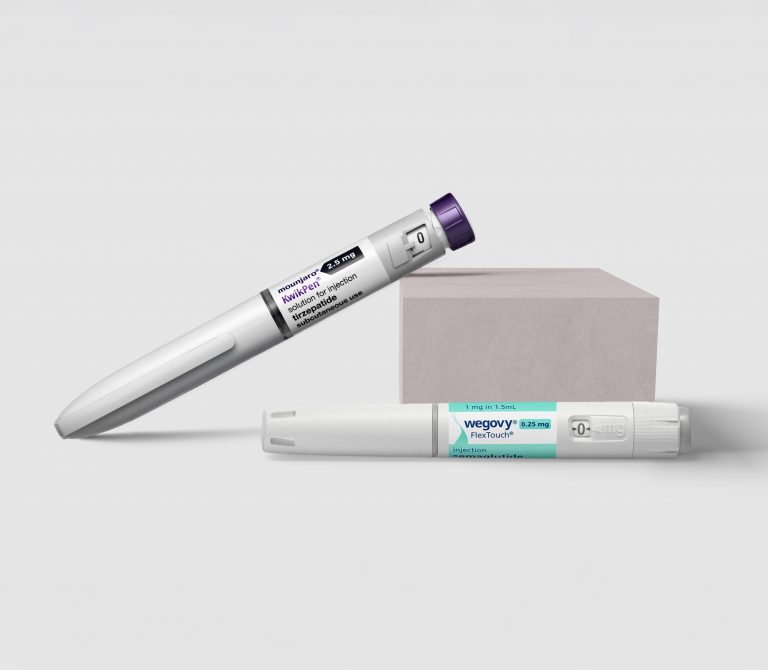
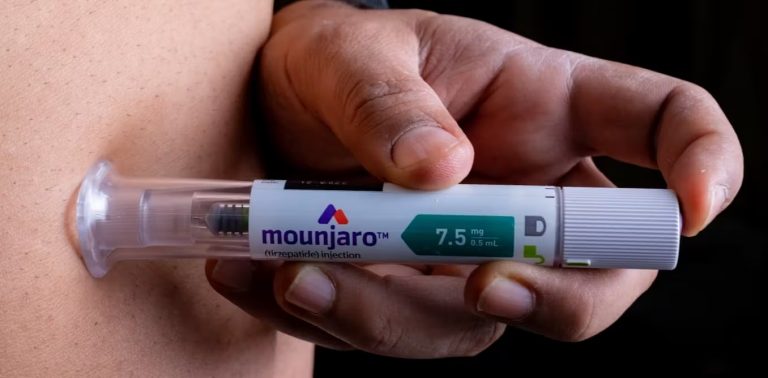
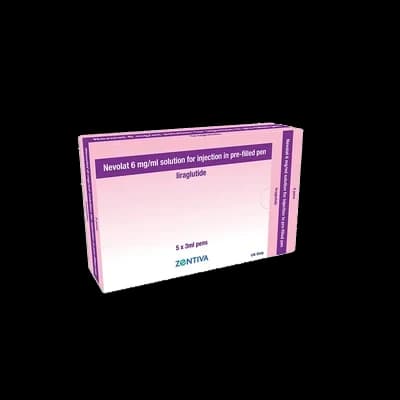
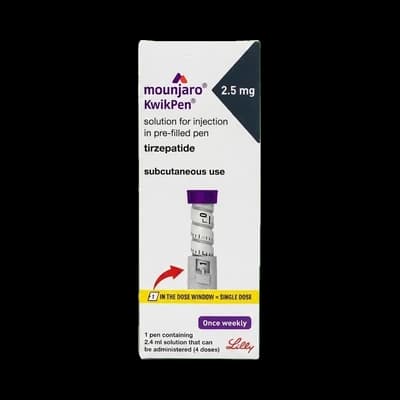
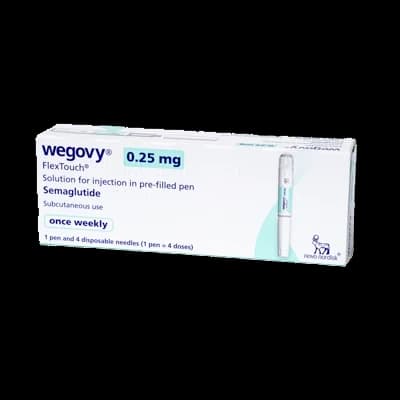
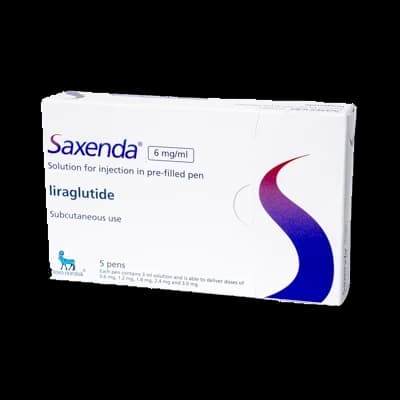
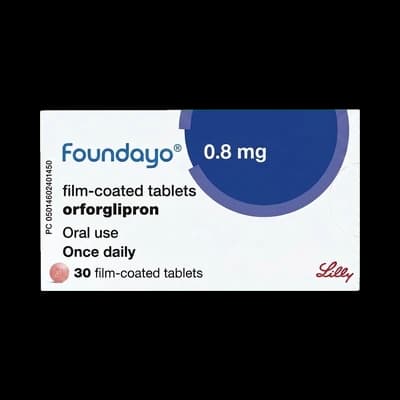
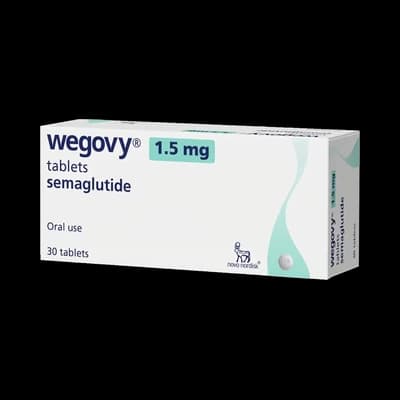
With new weight loss medications like semaglutide (Wegovy) and tirzepatide (Mounjaro or Zepbound) now available, around 240,000 people are expected to be offered tirzepatide over the next three years through the NHS alone and many more through private services. Ensuring these patients have support when they stop treatment is essential for achieving lasting public health benefits.
How NowPatient Supports You After Treatment
At NowPatient, we recognised early on that our responsibility to patients doesn’t end when their medication does. That’s why we’ve developed a comprehensive 12-month Weight Loss Treatment Cessation Support programme, fully aligned with NICE’s updated quality standard.
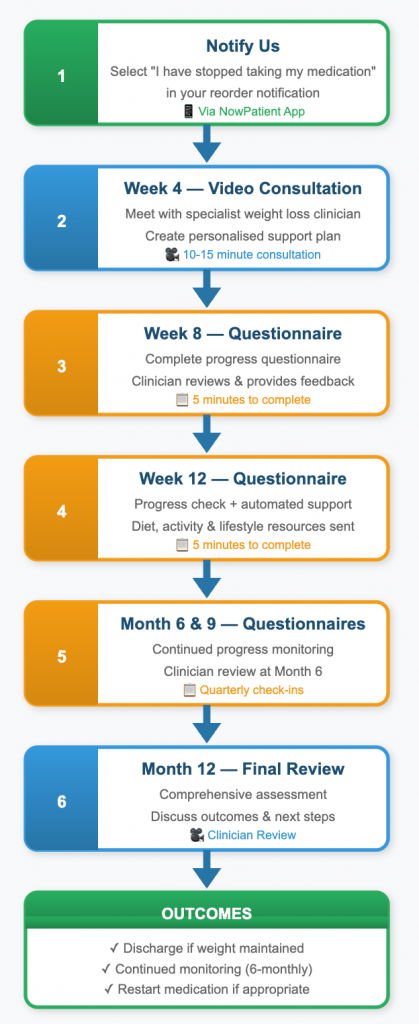
When you decide to stop your weight loss medication, you’re not left to navigate the transition alone. Here’s how our programme works:
Easy Enrolment
When you receive your medication reorder notification, you’ll see the option to let us know you’ve stopped treatment. Select this option, confirm your stop date and current weight, and you’re automatically enrolled in our 12-month support programme at no additional cost.
Structured Check-Ins
Our programme includes regular touchpoints throughout the 12 months:
- Week 4: Video consultation with a specialist weight loss clinician to assess how you’re adjusting and create a personalised support plan
- Week 8, 12, 24 & 36: Brief questionnaires to monitor your progress, with clinician review and personalised feedback
- Week 52: Comprehensive final review to assess your journey and discuss next steps
Dedicated App Dashboard
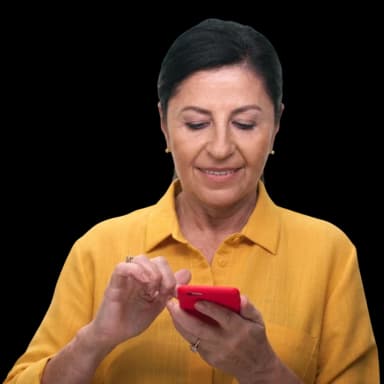
Once enrolled, you’ll see a dedicated cessation support section in your NowPatient app. This includes a visual progress dial showing where you are in the 12-month programme, notification icons for upcoming check-ins, a weight tracker to monitor your progress, and quick access to diet, activity, and lifestyle resources.
Proactive Intervention
If you experience significant weight regain (more than 5% of your baseline weight), our clinicians will proactively reach out to arrange a video consultation. We’ll work with you to understand what’s happening, provide enhanced support, and discuss whether restarting medication might be appropriate.
Flexibility to Restart Treatment
At any point during the programme, if you feel you would benefit from restarting medication, you can request a consultation. Our clinicians will assess whether this is clinically appropriate and help you get back on track.
What Does Success Look Like?
Success after stopping weight loss medication isn’t necessarily about maintaining every kilogram of weight loss. It’s about:
- Maintaining the healthy eating patterns you developed during treatment
- Continuing regular physical activity
- Keeping weight-related health conditions (like blood pressure and blood sugar) under control
- Feeling confident in your ability to manage your weight long-term
- Knowing you have support available if you need it
Some people maintain their full weight loss. Others may experience some regain but stabilise at a healthier weight than before treatment. And some may decide, with clinical support, that restarting medication is the right choice for them. All of these are valid outcomes, and our programme supports you whatever your journey looks like.
Practical Tips for Maintaining Your Weight Loss
While our programme provides structured support, there are steps you can take to give yourself the best chance of success:
- Continue self-monitoring: Regular weigh-ins (weekly or fortnightly) help you spot changes early before they become significant
- Plan for appetite changes: Expect your appetite to increase gradually. Having strategies in place like keeping healthy snacks available and planning meals, can help you manage this
- Stay active: Physical activity supports weight maintenance and has benefits for mood and overall health
- Build support networks: Whether it’s family, friends, online communities, or local groups, having people who understand your goals can make a real difference
- Be kind to yourself: Some fluctuation is normal. What matters is your overall trend and how you respond to setbacks
- Use available resources: The NowPatient platform offers free tools and advice for healthy eating, activity, and mental wellbeing
Looking Ahead
The publication of NICE’s updated quality standard marks an important shift in how we think about weight management. It recognises that effective treatment doesn’t end when medication stops and that ongoing support is essential for lasting success.
At NowPatient, we’re proud to offer a cessation support programme that meets these standards. We believe everyone who takes weight loss medication deserves support throughout their journey including the crucial period after treatment ends.
If you’re currently taking weight loss medication and thinking about stopping, or if you’ve already stopped and want support, we’re here to help. Our 12-month programme is free for all NowPatient weight loss patients and designed to give you the best chance of maintaining your results long-term.
Your weight loss journey doesn’t end when medication stops; and neither does our support.
Ready to Start Your Weight Loss Journey?
Check your eligibility for weight loss treatment at NowPatient. Our programme includes full cessation support to help you maintain your results long-term.
Sources
- NICE Quality Standard QS212: Overweight and obesity (August 2025)
- NICE News: People need support to keep weight off after treatment ends (5 August 2025)
- NHS Digital: Health Survey for England – Overweight and obesity statistics
- NHS England Long-Term Plan: How does the NHS promote public health?