Veoza (fezolinetant) Now Available on the NHS

A Woman reading an article

Created
(Current Version)

Veoza (Fezolinetant) Now Available on the NHS: What It Means for Women With Menopause

Breaking news — 11 March 2026: NICE has issued Final Draft Guidance recommending Veoza (fezolinetant) 45 mg once daily on the NHS in England for women with moderate to severe menopausal hot flushes and night sweats when HRT is unsuitable. Fezolinetant is the first neurokinin-targeted therapy to receive an NHS recommendation — a landmark moment for menopausal care in the UK.
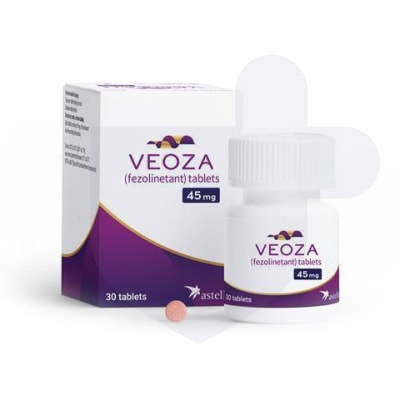
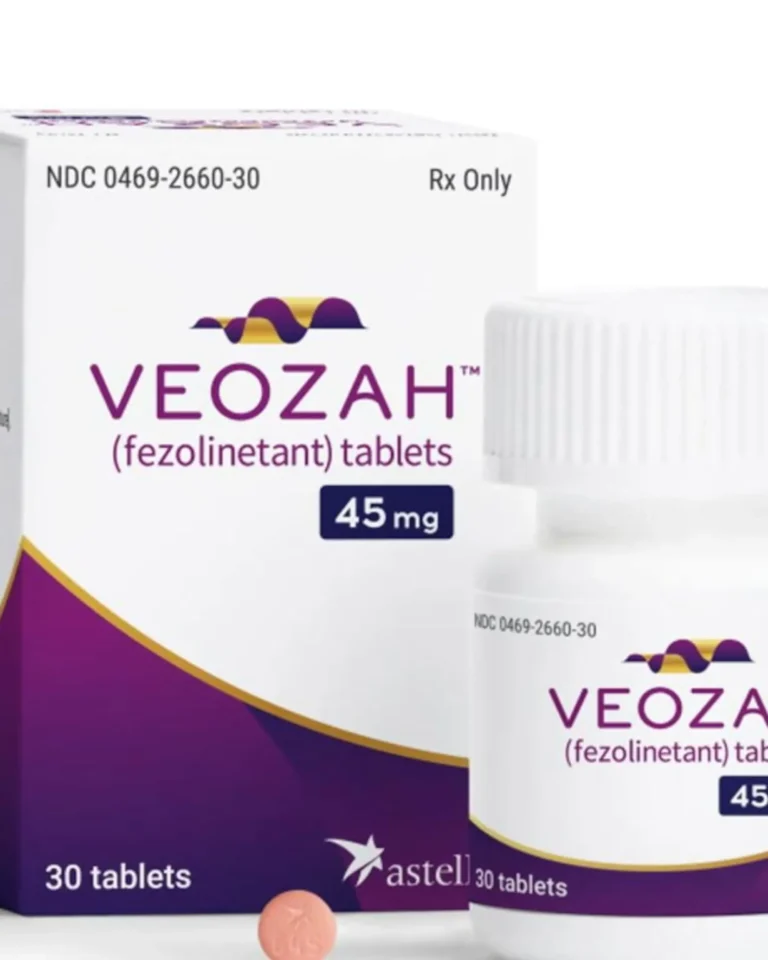
Vezoa packaging which is available to order online from NowPatient with free next day delivery

What Has NICE Decided?

On 11 March 2026, the National Institute for Health and Care Excellence (NICE) published its Final Draft Guidance (FDG) recommending Veoza (fezolinetant) 45 mg once daily as an NHS treatment option for moderate to severe vasomotor symptoms (VMS) — the clinical term for hot flushes and night sweats — caused by menopause, specifically when hormone replacement therapy (HRT) is unsuitable.

This recommendation was made by Astellas Pharma Ltd, the drug’s manufacturer, on the back of NICE’s thorough review of clinical effectiveness and cost effectiveness. NICE determined that fezolinetant offers value for the taxpayer and can meaningfully reduce symptoms for women who have been underserved by available options.

The guidance means NHS doctors in England can now prescribe Veoza as an alternative to HRT for eligible patients — removing the need for women to pay private prescription costs, which have run to around £71.68 per 28-tablet pack at list price since Veoza became available privately in January 2024.

Who Does This Affect?

The scale of unmet need is significant. According to Astellas, over 2 million women in the UK are affected by moderate to severe hot flushes and night sweats associated with menopause. Up to 80% of women experience vasomotor symptoms during the menopause transition, yet as NICE and patient advocates have consistently noted, many remain untreated, particularly those for whom HRT is not an option.


NICE estimates that around 500,000 women in England could be eligible to benefit from this recommendation. These are women for whom HRT is either medically contraindicated or personally unsuitable, including those with:

  • A history of deep vein thrombosis (DVT) or pulmonary embolism
  • Certain types of diabetes or heart disease (following individual clinical risk assessment)
  • Women who do not wish to take HRT for personal reasons
  • Women who have previously had breast cancer or other oestrogen-dependent cancers and have completed treatment (subject to individual risk assessment)

As the British Menopause Society (BMS) noted on welcoming the guidance: “Whilst hormonal treatment is appropriate for many women, it is not suitable for all — having NHS funded access to a new class of non-hormonal medication will offer the opportunity for symptom relief in these circumstances.”

What Is Veoza (Fezolinetant)?

Veoza is the brand name for fezolinetant, a prescription medicine developed by Astellas Pharma. It is a non-hormonal neurokinin 3 (NK3) receptor antagonist — the first treatment of its kind to reach the NHS in the UK.

Fezolinetant works by selectively blocking neurokinin B (NKB), a neurotransmitter in the brain’s temperature regulation centre (the hypothalamus). During menopause, declining oestrogen levels allow NKB activity in the hypothalamus to go unchecked, causing the thermoregulatory centre to become hyper-reactive. This triggers the sudden surges of heat, sweating, and flushing that characterise vasomotor symptoms.

By blocking the NK3 receptor — the primary target of NKB in this thermoregulatory pathway — fezolinetant damps down the neural signal that triggers hot flushes at source, rather than replacing the hormones whose absence creates the problem. This non-hormonal mechanism is what makes it suitable for women who cannot use HRT.

Veoza is taken as a single 45 mg tablet once daily. To explore the full treatment profile, visit the NowPatient Veoza treatment page.

The Clinical Evidence: The BRIGHT SKY Programme

NICE’s positive recommendation was built on the results of the BRIGHT SKY Phase III clinical development programme — three rigorous randomised controlled trials enrolling over 2,800 participants across Europe, the United States, and Canada.

SKYLIGHT 1 and SKYLIGHT 2

These two pivotal Phase III trials assessed fezolinetant versus placebo in postmenopausal women with moderate to severe vasomotor symptoms. Results were published in The Lancet and the Journal of Clinical Endocrinology & Metabolism in 2023. Key findings:

  • Fezolinetant produced statistically significant reductions in the frequency and severity of moderate-to-severe hot flushes versus placebo at both week 4 and week 12.
  • Improvements in sleep quality, work productivity, and daily functioning were also demonstrated — outcomes consistent with emerging real-world data.
  • Effects were observed rapidly, with measurable reductions in VMS frequency within the first weeks of treatment.

SKYLIGHT 4: Long-Term Safety

The SKYLIGHT 4 safety study, published in Obstetrics & Gynecology, further characterised the long-term safety profile of fezolinetant, providing the data NICE used to assess the medicine’s risk-benefit balance over extended use. This study underpinned confidence in the drug’s sustained tolerability.

The NICE Cost-Effectiveness Verdict

A pivotal element of NICE’s technology appraisal process is whether a medicine offers value for the NHS. Helen Knight, NICE’s Director of Medicines Evaluation, confirmed that fezolinetant “was found to be cost effective, offering value for the taxpayer” — a critical threshold that had previously led to the drug being rejected by NHS Scotland’s Scottish Medicines Consortium (SMC), which cited an insufficiently robust economic analysis.

What Are Clinical Experts and Patient Advocates Saying?

“We know that menopausal hot flushes and night sweats can have a profound impact on quality of life and significantly affect overall wellbeing. For those who are unable to take HRT for varying reasons, options have historically been limited, and we have heard clearly from patients how difficult that can be. The evidence shows fezolinetant can meaningfully reduce symptoms, and was found to be cost effective, offering value for the taxpayer. This decision will give much-needed relief to those for whom HRT is unsuitable.” — Helen Knight, Director of Medicines Evaluation, NICE

“Symptoms of menopause including hot flushes and night sweats can affect every part of a woman’s life, so this is very welcome news especially for women who are unable to or don’t wish to take hormone replacement therapy. It’s another vital treatment option which could help hundreds of thousands of women experiencing menopause to better manage their symptoms and feel more in control of their health.” — Dr Sue Mann, National Clinical Director in Women’s Health, NHS England

“Despite progress, the sad reality is that many women continue to suffer in silence as not all current treatments meet their specific needs. NICE’s decision means that NHS doctors now have an alternative treatment that was specifically designed and studied to improve particular symptoms of menopause. It is excellent news for the furtherment of women’s health in the UK and provides women with a wider choice of options.” — Dr Vikram Talaulikar, Associate Specialist, Reproductive Medicine, University College London Hospitals

“In community settings, I meet women every week who are struggling with debilitating menopausal symptoms and limited treatment options. NICE’s guidance recognises this reality. The next step must be ensuring that local services are equipped to deliver timely, informed care so women do not continue to fall through the gaps.” — Anita Powell, Founder, The Menopause Alliance

Who Can and Cannot Receive Fezolinetant on the NHS?

Eligible for NHS prescription:

  • Women with moderate to severe hot flushes and night sweats caused by menopause
  • Women for whom HRT is medically contraindicated — including those with a history of DVT or pulmonary embolism
  • Women with certain cardiovascular or metabolic conditions (following individual clinical risk assessment)
  • Women who choose not to take HRT for personal reasons
  • Women who have previously had breast cancer or other oestrogen-dependent cancers and completed treatment — following individual risk assessment

NOT recommended for:

  • Women with current breast cancer or other oestrogen-dependent cancers
  • Women with liver disease
  • Women taking certain medications that inhibit CYP1A2 (an enzyme involved in processing fezolinetant) — including ciprofloxacin, fluvoxamine, and oestrogen-containing contraceptives
  • Women who are pregnant or breastfeeding

Liver function monitoring is required before starting treatment and regularly thereafter. This is an important consideration for prescribers and patients, and should form part of the initial clinical discussion.

HRT Remains the Gold Standard — So Where Does Veoza Fit?

NICE and the British Menopause Society are clear that HRT remains the first-line treatment for menopausal hot flushes and night sweats in women for whom it is safe. With greater awareness of HRT’s benefits, a more nuanced understanding of its risks, and a wider range of formulations — including transdermal patches, gels, and sprays — the majority of women experiencing moderate to severe VMS are likely to continue on HRT.

Fezolinetant’s NHS approval therefore represents a targeted, complementary option rather than a competitor to HRT. It addresses a real clinical gap for a specific population that has historically been left with limited, less effective alternatives — such as certain antidepressants or clonidine — that were not designed for VMS and carry their own side-effect profiles.

It is important to note that fezolinetant, like HRT, treats vasomotor symptoms specifically. It does not address other menopausal symptoms such as vaginal dryness, mood changes, brain fog, or joint pain, and it has not been directly compared against HRT in a head-to-head clinical trial. Read more on the NowPatient blog about whether HRT is safe for a full breakdown of HRT’s benefits and risk profile.

Veoza vs Lynkuet: Two Non-Hormonal Options Compared

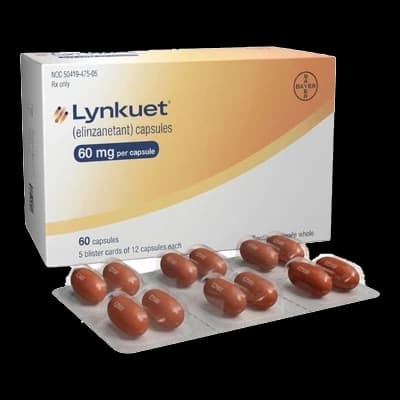
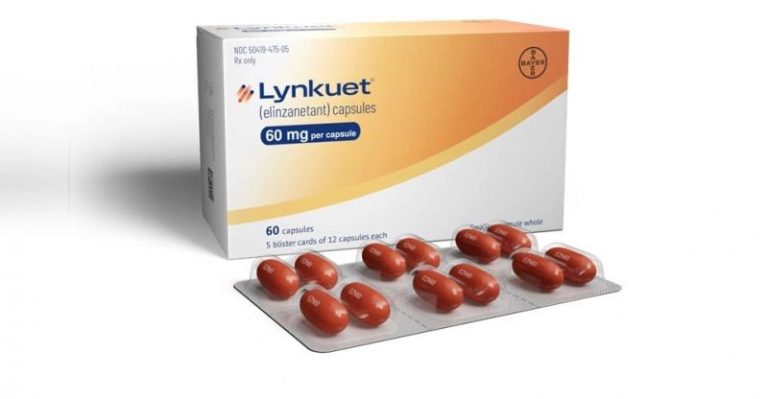
The NHS approval of Veoza coincides with growing awareness of Lynkuet (elinzanetant), the second non-hormonal menopause treatment from Bayer, which gained MHRA approval in July 2025 and FDA approval in October 2025. While Lynkuet remains private prescription only in the UK, the two drugs are often compared:

  • Veoza: NK3 receptor antagonist only; NHS-approved (England) from March 2026; 45 mg tablet once daily; requires liver function monitoring.
  • Lynkuet: Dual NK1 and NK3 receptor antagonist; private prescription only in UK; 60 mg capsule at bedtime; additional sleep benefit from NK1 blockade; also approved for endocrine-therapy-induced VMS in breast cancer.

For women who are eligible for NHS prescribing, Veoza now represents the most accessible non-hormonal option. For women whose primary concern is sleep disruption alongside hot flushes, or who are on endocrine therapy for breast cancer, a conversation about Lynkuet on private prescription may be worth having with a clinician. Read our full Lynkuet article on NowPatient for a detailed comparison.
What Happens Next? Implementation on the NHS

The publication of Final Draft Guidance is the penultimate step in NICE’s approval process. Following a short consultation period, Final Guidance is expected to follow shortly, at which point NHS commissioners and clinical commissioning groups will be required to fund the treatment within 90 days.

The British Menopause Society has emphasised that the “next steps are to integrate this medication into primary and secondary care settings through our local formularies and care pathways” — a process that will require GP education, local formulary inclusion, and updated prescribing guidelines across England.

In practical terms, women should be able to discuss Veoza with their GP once the guidance is finalised. Women currently paying for Veoza on private prescription may wish to speak with their GP about transitioning to NHS prescribing.

Scotland’s SMC has not yet recommended fezolinetant for NHSScotland, citing a previous submission that did not pass its economic analysis threshold. Astellas has indicated its intention to make a resubmission. Patients in Scotland should speak with their GP about what options are currently available. Wales and Northern Ireland follow separate appraisal pathways.
Access Menopause Care Through NowPatient

Whether you are exploring Veoza, HRT options, or want to understand which menopause treatment is right for you, NowPatient’s specialist prescribing clinicians are available via a free video consultation — with treatments delivered directly to your door from our registered pharmacy.

Explore our menopause care range:

Medical Disclaimer

NowPatient has taken all reasonable steps to ensure that all material is factually accurate, complete, and current. However, the knowledge and experience of a qualified healthcare professional should always be sought after instead of using the information on this page. Before taking any drug, you should always speak to your doctor or another qualified healthcare provider.

The information provided here about medications is subject to change and is not meant to include all uses, precautions, warnings, directions, drug interactions, allergic reactions, or negative effects. The absence of warnings or other information for a particular medication does not imply that the medication or medication combination is appropriate for all patients or for all possible purposes.

Related Articles