Buy Terbinafine Online
Book a quick face-to-face video consultation with a certified prescribing pharmacist, nurse, or doctor. If approved, your Terbinafine will be prescribed* and delivered straight to your door with tracked delivery. No hidden fees. No delays. Just expert care.
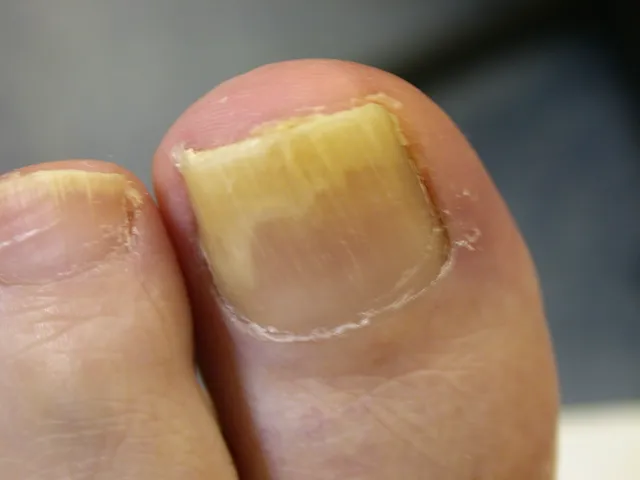
Terbinafine is indicated for the treatment of Fungal Nail Infections.
*Includes Free Private Prescription & Consultation.
Manufactured by MHRA Approved Generic Manufacturer.


Select pack size & strength
Terbinafine
Select pack size & strength
*Your clinician will recommend the right strength and quantity for you during the consultation.
Treatment$17.98
Shipping & import duties$20.00
Total if approved$37.98
How it works
Similar Treatments
Terbinafine Alternatives

Order Online
Terbinafine Prices
| Brand/Generic | Form | Dosage | Quantity | Price | Delivery Cost | Consultation Cost |
|---|---|---|---|---|---|---|
| TerbinafineGeneric | Tablets | 250mg | 14 | $17.98 | $0.00*(with Core+ Plan) | $0.00 |
Key facts about Terbinafine
Other Related Names or Treatments
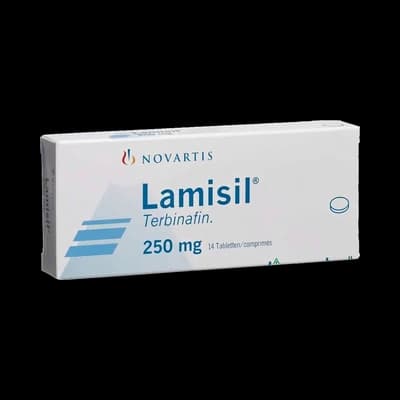
Terbinafine, Lamisil, Lamisil AT
About Terbinafine
Terbinafine hydrochloride is an antifungal medication used to treat fungal skin infections, including:
- Athlete’s foot (tinea pedis)
- Fungal nail infections
- Ringworm (tinea capitis)
- Jock itch (tinea cruris)
Terbinafine is available with a prescription and over the counter as Lamisil. NowPatient offers Terbinafine as a treatment for fungal nail infections only, following an online consultation with a prescribing clinician.
Key facts of Terbinafine
- For the treatment of fungal infections
- Terbinafine can take up to 3 months to work for nail infections
- Terbinafine has some common side effects which include skin irritation when used topically and stomach pain when taken by mouth
- It can be dangerous if you take Terbinafine with certain medications. If you’re not sure if it is safe, discuss this with the prescribing clinician
- Make sure you finish the course of Terbinafine. Stopping treatment too soon may allow the fungal infection to come back
Who is Terbinafine suitable for?
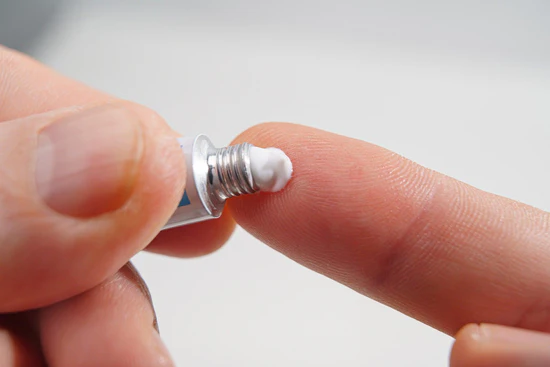
Terbinafine tablets, cream and gel are suitable for adults and children aged 1 and over. Creams, gels and sprays available to buy in pharmacies are suitable for patients aged 16 years and over. Terbinafine in solution form is only suitable for adults 18 years of age and over.
Who is Terbinafine not suitable for?
Terbinafine may not be suitable for some people. To make sure it’s safe for you, speak to the prescribing clinician before taking Terbinafine if you:
- Have had an allergic reaction to Terbinafine in the past
- Have ever had liver disease
- Have kidney problems
- Are pregnant, trying to get pregnant or are breastfeeding
How and where to get Terbinafine?
You can buy Terbinafine safely and securely from NowPatient. You can start a consultation today for free and if you qualify for treatment, you only pay for the cost of the medication. Delivery is made to your home or office from our registered pharmacy.
Our service is certified, safe and effective, and we only ever treat conditions. If you book a consultation with a prescribing clinician for the treatment of a fungal nail infection, you can discuss if Terbinafine is a suitable treatment option for you.
At the end of the consultation, the clinician will decide if a treatment plan is suitable for you. If it is, the clinician will issue you with a prescription which can then be ordered, paid for and delivered directly to your chosen address by NowPatient.
Dosage and strength for Terbinafine for fungal toenail infections
Terbinafine is available as 250 mg tablets and in solution form when used for fungal nail infections.
Information about how to take Terbinafine for fungal nail infections
The typical dose of Terbinafine tablets is 250 mg once daily for up to 3 months. Swallow the tablet whole with a glass of water. Take oral Terbinafine with or without food at the same time each day. If you’re using the solution, you will only use it once daily.
Continue taking Terbinafine until the course is finished. If you stop using your Terbinafine too early, the fungal infection may come back.
What happens if you take too much Terbinafine?
If you take more than prescribed, then it can lead to some unpleasant side effects. You should talk to your doctor or reach out to one of our prescribing clinicians, if you have taken too much Terbinafine and you experience any side effects.
What are the side effects of Terbinafine?
Side effects of Terbinafine are split into common and serious.
Common side effects include:
- Skin Rash
- Skin reactions
- Headache
- Diarrhoea
- Nausea or vomiting
- Loss of appetite
- Losing your sense of taste
- Abdominal pain
- Indigestion
- Muscle or joint pain
- Changes in vision
Serious side effects include:
- Liver problems – symptoms include yellowing of the whites of your eyes and/or skin, pale stools and dark urine. These can be signs of a change in your liver function
- Bruising more easily
- Unusual tiredness
- Inflamed pancreas
- Muscles weakness or pain
If you experience any serious side effects, you should contact NHS 111.
If you experience a serious allergic reaction with the signs shown below you should contact emergency services on 999.
- Hives
- Your lips, mouth, throat or tongue suddenly become swollen
- You’re breathing very fast or struggling to breathe (you may become very wheezy or feel like you’re choking or gasping for air)
- Your throat feels tight or you’re struggling to swallow
- Your skin, tongue or lips turn blue, grey or pale (if you have black or brown skin, this may be easier to see on the palms of your hands or soles of your feet)
- You suddenly become very confused, drowsy or dizzy
- Someone faints and cannot be woken up
Always report adverse effects to the MHRA yellow card reporting system. You can read more about this here: how and where do i report side effects of my medication
Information about taking Terbinafine at the same time as other medications or herbal supplements
There is not enough evidence to suggest there are any drug interactions between herbal supplements and Terbinafine. In any event, you should let your prescribing clinician know if you are taking any herbal supplements.
Tell your doctor or pharmacist if you are taking any of the following medications when starting treatment with Terbinafine.
- Cimetidine
- Cyclosporine
- Fluconazole, kketoconazole
- Monoamine oxidase type B (MAO-B) inhibitors such as rasagiline
- Selective serotonin reuptake inhibitors (SSRIs) such as citalopram
- Blood thinners such as warfarin
- Codeine or tramadol
Why might Terbinafine not work for fungal nail infections?
Terbinafine may not work for you if the fungal infection has become resistant to Terbinafine. Speak to your doctor if Terbinafine has stopped working for you.
Can Terbinafine taken for fungal nail infections be taken long term?
Terbinafine tablets or solution are normally taken or used for up to 3 months when treating fungal nail infections. You should speak to your doctor if your need to use this medication for longer.
Is there a herbal Terbinafine?
No. Herbal Terbinafine does not exist. If you have been marketed such a formulation, it may be fake.
Should I avoid any particular food or drink when taking Terbinafine?
Terbinafine tablets may increase the effects of caffeine, so it’s a good idea to not have too much caffeine while taking these tablets. Caffeine is found in coffee, tea, energy drinks and chocolate. Otherwise, you can eat and drink as normal while using or taking Terbinafine.
What lifestyle changes can I make to help me with fungal nail infections?
To prevent fungal nail infections:
- Treat athlete’s foot immediately, to avoid it spreading to nails
- Keep your feet clean and dry
- Wear clean socks
- Do not share nail clippers or scissors
Alternatives to Terbinafine
Alternatives for the treatment of fungal nail infections include Loceryl nail lacquer.
Sources
FAQs
Answers to Popular Questions About Terbinafine
What is Terbinafine?
Terbinafine is an antifungal medication belonging to the allylamine class. It is available as tablets (250 mg), cream (1%), and gel for the treatment of fungal infections of the skin and nails. In the UK, terbinafine tablets are prescription-only and are the most effective oral treatment for dermatophyte fungal nail infections (onychomycosis). Terbinafine cream is available over the counter from pharmacies for fungal skin infections such as athlete’s foot, ringworm, and jock itch. Common brand names include Lamisil.
What is Terbinafine used for?
Terbinafine tablets are primarily used for fungal nail infections (onychomycosis) caused by dermatophyte fungi, which are the most common cause of nail fungus. Tablets are also used for severe or widespread fungal skin infections such as tinea corporis (ringworm), tinea pedis (athlete’s foot), and tinea cruris (jock itch) when topical treatment alone is insufficient. Terbinafine cream is used for mild to moderate fungal skin infections including athlete’s foot, ringworm, and pityriasis versicolor.
How does Terbinafine work?
Terbinafine works by inhibiting squalene epoxidase, an enzyme essential for the synthesis of ergosterol in the fungal cell membrane. Without ergosterol, the cell membrane becomes unstable, and the fungal cell dies. Terbinafine is fungicidal (kills fungi) rather than just fungistatic (stopping growth), making it highly effective. When taken orally, terbinafine accumulates in the skin, nails, and hair at concentrations far above the minimum needed to kill dermatophyte fungi, and it persists in nails for months after treatment has stopped.
What is the usual dose of Terbinafine for nail fungus?
The standard dose of terbinafine tablets for fungal nail infections is 250 mg once daily. For fingernail infections, the usual treatment duration is 6 weeks to 3 months. For toenail infections, treatment typically lasts 3–6 months. The nails will continue to improve for several months after completing the course as the healthy nail grows out. Your prescriber may arrange a liver function test before starting and during treatment, as terbinafine tablets can occasionally affect the liver.
Can I take Terbinafine with food?
Yes, terbinafine tablets can be taken with or without food. Some people find that taking them with a meal helps reduce stomach discomfort. Take the tablet at the same time each day with a glass of water. Terbinafine absorption is not significantly affected by food, so timing with meals is a matter of personal comfort rather than clinical necessity.
What are the common side effects of Terbinafine tablets?
Common side effects (affecting 1 in 10 to 1 in 100 people) include headache, gastrointestinal symptoms (nausea, diarrhoea, abdominal pain, indigestion, feeling full), rash, urticaria (hives), and muscle or joint pain. Altered taste or loss of taste (dysgeusia/ageusia) is a well-recognised side effect that occurs in about 1 in 100 patients — it usually resolves within weeks of stopping the medication but can occasionally persist for longer. Mild, transient elevation of liver enzymes is common.
Can Terbinafine affect my liver?
Yes, terbinafine can occasionally cause hepatotoxicity (liver damage). This is rare but can be serious. Your prescriber may check your liver function before starting treatment and may repeat the test during treatment, particularly if the course is prolonged. Seek immediate medical advice if you develop symptoms of liver problems such as persistent nausea, vomiting, dark urine, pale stools, unexplained fatigue, or yellowing of the skin or eyes (jaundice). Terbinafine should be avoided in people with pre-existing chronic liver disease.
Can Terbinafine cause taste changes?
Yes, taste disturbance (dysgeusia) or complete loss of taste (ageusia) is a recognised side effect affecting approximately 1 in 100 users. It usually resolves within several weeks to months after stopping terbinafine, but prolonged or permanent taste alteration has been reported very rarely. If you experience taste changes, inform your prescriber. In some cases, it may be appropriate to stop treatment and consider alternative antifungal options.
What medications interact with Terbinafine?
Terbinafine is a potent inhibitor of the CYP2D6 enzyme and can increase levels of drugs metabolised by this pathway, including tamoxifen (use should be avoided), codeine (reduced activation), dextromethorphan, certain antidepressants (tricyclics, SSRIs such as paroxetine), and beta-blockers (metoprolol, propranolol). Terbinafine levels may be reduced by rifampicin and increased by cimetidine. Terbinafine may enhance or reduce warfarin’s effect, so INR monitoring is advised. Ciclosporin levels may be reduced. Always inform your prescriber of all current medications.
Can I drink alcohol with Terbinafine?
There is no absolute contraindication, but given that terbinafine can affect liver function, it is advisable to moderate alcohol intake during treatment. Excessive alcohol consumption alongside terbinafine could theoretically increase the risk of liver toxicity. If you normally drink alcohol regularly, discuss this with your prescriber. Limiting alcohol during the treatment course is a sensible precaution.
Can Terbinafine be used during pregnancy?
Terbinafine tablets are not recommended during pregnancy. Although animal studies have not shown teratogenic effects, human data are limited. Fungal nail infections are not life-threatening and treatment can usually be delayed until after pregnancy and breastfeeding. Terbinafine is excreted in breast milk and should not be used during breastfeeding. Topical terbinafine (cream) has minimal systemic absorption and may be considered for fungal skin infections in pregnancy after medical advice.
How can I get a prescription for Terbinafine?
Terbinafine tablets require a prescription from a GP or dermatologist, or through online services like NowPatient. Before prescribing, your doctor may take a nail clipping for fungal culture to confirm the diagnosis, as not all abnormal nails are caused by fungus. Terbinafine cream (1%) is available over the counter from pharmacies for fungal skin infections without a prescription. NowPatient offers online consultations with qualified UK prescribers for both assessment and prescribing.
Related Articles

Your health shouldn’t wait.
Consultations, prescriptions, medication delivery, health monitoring – all in one place.

Don’t take our word for it
Wow! Excellent customer service. I submitted an email query, had a call…
Alison Hurst
I do not leave reviews, due to time and a rare condition I have. I…
Sherry M
Great experience getting the med. Clinician was very thorough.
Barbara Hill
Cannot speak highly enough of the service and assistance I have…
CJH
Very good experience - the clinician asked intelligent questions about…
Phil Daoust
Really excellent. Very thorough and professional pharmacist who guided…
Colin Glass
Meet our medical team
We are a broad skilled and passionate group of clinicians with experience of operating in regulated health systems in the United Kingdom & United States. Providing excellent care and advice is at the heart of everything we do.