Home
/
Blog
/
NHS Offers Doctors Up to £3,000 to Expand Weight Loss Drug Prescribing

NHS Offers Doctors Up to £3,000 to Expand Weight Loss Drug Prescribing

Rajive Patel NowPatientGreen tick
Medically reviewed by Rajive Patel, B.Pharm
Written by

Created
February 24, 2026 (Current Version)

The NHS is set to significantly expand access to weight loss drugs in England after the government announced on 23 February 2026 that GPs will be financially incentivised to prescribe obesity medications, including the weekly injection Mounjaro (tirzepatide), as part of the 2026/27 GP contract. This expansion is part of a wider public health package, representing a comprehensive government strategy to tackle obesity and improve access to effective treatments.

The government has unveiled fresh financial incentives as part of efforts to improve access and ensure equitable patient access to weight loss drugs. With £25 million in ring-fenced funding and new Quality and Outcomes Framework (QOF) indicators, the move represents the most significant shift in NHS obesity treatment in years. The Department of Health and Social Care confirmed that not all practices prescribe weight-loss drugs, highlighting a significant gap in the programme.
Free help and support to lose weight with the NHS

What Has the Government Announced?

The Department of Health and Social Care (DHSC) confirmed on 23 February 2026 that, from April 2026, GP practices in England will be offered fresh financial incentives as part of a wider public health package. These incentives are aimed at encouraging GPs to prescribe and manage patients on NHS weight loss medications. The package includes:

  • £25 million in additional QOF funding for 2026/27 to support obesity care in primary care.
  • Up to £3,000 bonus per GP practice actively managing patients on weight loss injections, such as tirzepatide (Mounjaro).
  • Two new QOF indicators tracking the identification and management of adults living with obesity, including BMI recording and appropriate referral into structured weight management programmes.
  • Mandatory ‘wraparound care’ including nutritional and behavioural support that must accompany the medication to ensure patients build long-term healthy habits.

The new indicators, backed by £25m of ring-fenced funding, will mean adults living with obesity are more consistently identified and supported by GPs across England.

Health Secretary Wes Streeting said: “Weight loss drugs can be a real game changer for those who need them. I’m determined that access should be based on need, not ability to pay. Outside the NHS, we’ve seen those who can spare the cash buying privately, and the proliferation of rogue prescribers peddling dangerous unlicensed drugs that are putting patients at risk. Investing in general practice will help bring this modern medicine to the many, not just the few.”

Which Weight Loss Injections Are Involved?

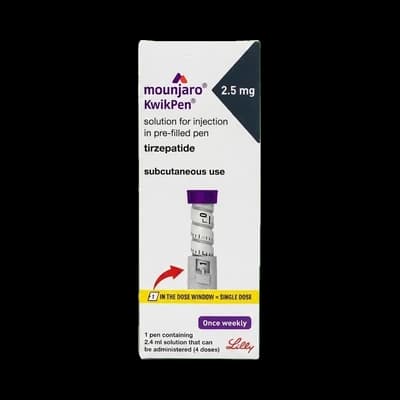
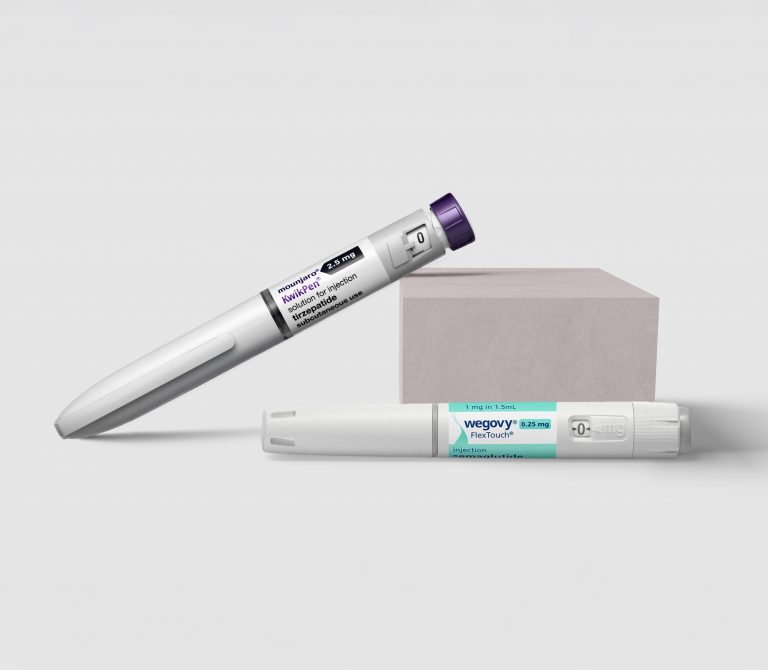
The main drug at the centre of this expansion is tirzepatide, sold under the brand name Mounjaro and manufactured by Eli Lilly. Wegovy was introduced in 2023, followed by Mounjaro in early 2025. Mounjaro was made available in NHS primary care from June 2025 on a phased basis as part of a national rollout aiming to reach up to 220,000 patients over the first three years.

Mounjaro works as a dual GLP-1 and GIP receptor agonist, meaning it mimics two gut hormones that signal fullness to the brain, slows gastric emptying, and helps regulate blood sugar. It is given as a once-weekly self-administered injection, making it a once weekly injection and considered both a weight loss jab and an obesity jab. Mounjaro is often preferred for its higher average weight loss results of up to 21% in trials compared to older treatments. The NHS rolled out prescribing of tirzepatide (Mounjaro) in general practice in June last year on a phased basis. The once-weekly injection of Mounjaro is initially only available for severely obese people who also suffer from a range of other health problems. The introduction of Mounjaro allows for digital delivery of specialist support, including prescribed anti-obesity medications.

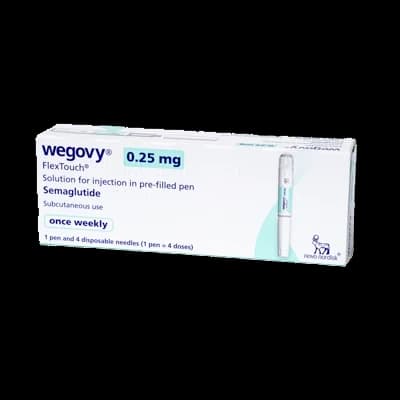
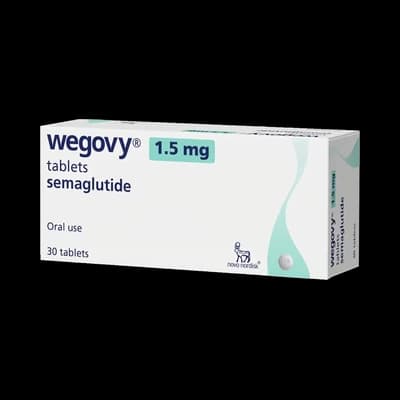
Wegovy (semaglutide, by Novo Nordisk) is also NHS-approved for weight management but currently remains available only through specialist private weight management services, not in general practice. NHS England previously limited access to these weight loss jabs, but current data suggests uptake is increasing as phased rollout continues. Research published earlier highlights trends in demographics and access, supporting the need for expanded prescribing. Taking weight loss drugs under NHS supervision is now a key part of the new initiative to improve public health outcomes.

Who Is Eligible for NHS Weight Loss Drugs in 2026?

One of the most significant aspects of this announcement is the expansion of strict eligibility criteria for NHS tirzepatide prescribing. Under the previous Cohort 1 criteria (introduced in June 2025), patients needed to meet all of the following:

  • Be aged 18 or over
  • Have a body mass index (BMI) of 40 kg/m² or above (or 37.5 kg/m² for certain ethnic groups, including South Asian, Black African, Caribbean, Chinese, or Middle Eastern backgrounds). Patients from specific ethnic backgrounds qualify for weight loss drugs at lower BMI thresholds due to higher health risks.
  • Have at least four weight-related comorbidities (e.g. type 2 diabetes, hypertension, dyslipidaemia, cardiovascular disease, obstructive sleep apnoea)


From 2026/27, the eligibility criteria are being expanded. The new thresholds will allow access for patients who meet either of the following:

  • Body mass index (BMI) of 35 kg/m² or above with at least four weight-related comorbidities, or

  • BMI of 40 kg/m² or above with at least three weight-related comorbidities.

The threshold for eligibility for weight-loss drugs is due to drop to a BMI of 35+4 comorbidities; or 40+3 comorbidities from 2026/27.

This lowering of the BMI threshold means hundreds of thousands of additional patients across England will now become eligible for NHS-funded treatment for the first time. You can check your BMI here

Current NHS guidelines for weight loss medications include a maximum prescription limit of two years as per NICE guidelines.

How Do QOF Indicators Work and What Does This Mean for GPs?

The Quality and Outcomes Framework (QOF) is a voluntary annual incentive programme for GP practices in England. Practices earn points and corresponding payments by meeting specific clinical targets. Adding obesity care indicators to QOF is a powerful signal from the government that weight management is now a core primary care responsibility, not an optional add-on.

The two new obesity QOF indicators for 2026/27 will track:

  1. The identification of eligible adults living with obesity, including improved recording of BMI; and
  2. The appropriate provision of support in line with NICE guidance, ensuring that GPs provide appropriate support by referring eligible patients into structured weight management programmes and medicines optimisation for eligible patients.

In practical terms, a practice actively managing patients on weight loss injections could earn a bonus of up to £3,000, which is a meaningful incentive given that, prior to this contract, not all practices prescribe weight loss drugs at all.

Even if patients meet the eligibility criteria for weight loss drugs, they may face long waiting lists due to local Integrated Care Boards setting up new services.

Why Are There Still Gaps in Ensuring Equitable Patient Access?

Despite the June 2025 launch of tirzepatide prescribing in primary care, there remains a significant gap in access to weight-loss drugs across England. The Department of Health and Social Care confirmed that not all practices prescribe weight-loss drugs, leading to disparity in access across the country. A British Medical Journal investigation in January 2026 found that one in five local areas still lacked a functional NHS pathway for Mounjaro. These regional gaps, often described as a postcode lottery—the term “postcode lottery” refers to disparities in access to weight loss drugs across different regions within the NHS—are driven by differences in Integrated Care Board (ICB) readiness and capacity. As a result, only a handful of patients are being treated in some areas, with the NHS rollout of weight-loss treatments remaining very slow. This has forced many patients towards accessing treatment privately, with an estimated 2.4 million people in the UK taking weight-loss drugs, most of them accessing treatment privately through private providers or unregulated online sellers of GLP-1 drugs.

The 2026/27 contract changes are designed to address this postcode lottery by standardising the incentive structure nationally and making obesity care a funded QOF priority rather than a locally discretionary decision. These changes aim to ensure equitable patient access and prioritize those with the highest clinical need, reducing inequalities in prescribing and improving fairness in healthcare delivery.

What About Community Pharmacies?

While the new GP contract focuses incentives on general practice, pharmacy bodies have called for a greater role in NHS weight management services. Community pharmacies are well placed to deliver accessible, professional and effective weight-loss management services. Henry Gregg, Chief Executive of the National Pharmacy Association (NPA), noted that the NHS rollout of weight loss treatments “remains very slow” and that the vast majority of patients are currently receiving treatment through pharmacies, not GPs.

Others echoed this view, pointing to evidence that patients who receive weight management services through community pharmacy go on to achieve successful outcomes. Community pharmacies offer weight loss support as part of their services. A poll commissioned by the NPA in summer 2025 found that 44% of UK adults would support NHS weight loss services being delivered through community pharmacies.

Separately, the DHSC confirmed in August 2025 that community pharmacy weight management pilots which are jointly funded by the UK government and Eli Lilly, are expected to launch in summer 2026 as part of an £85 million programme. This pilot scheme is expected to test additional routes to access through both pharmacies and digital health platforms, and will integrate specialist weight management services and dedicated weight management services to provide comprehensive care.

The Bigger Picture: Why This Matters

Obesity currently costs the health service an estimated £11 billion per year, through its association with type 2 diabetes, cardiovascular disease, hypertension, obstructive sleep apnoea, and numerous other long-term health problems. By embedding weight management into the QOF and incentivising GPs to prescribe evidence-based treatments, the government is explicitly repositioning the NHS from a reactive treatment service to a proactive prevention-focused system.

Clinical trials have shown that tirzepatide can produce average weight loss of around 20% of body weight — a level of efficacy that, if replicated at population scale, could reduce the burden of obesity-related disease substantially. However, experts caution that approximately 80% of patients may regain weight after discontinuing medication, emphasizing the importance of ongoing management. The NHS emphasizes that weight loss medications like Wegovy and Mounjaro should be used under strict clinical oversight to manage potential side effects. NICE has estimated that up to 3.4 million people in England will ultimately become eligible for treatment across the phased 12-year rollout.

What Should Patients Do Next?

If you think you may be eligible for NHS weight loss medication, the best first step is to book an appointment with your family doctor (GP) to discuss your BMI and any weight-related health conditions. New NHS incentives are designed to encourage family doctors to proactively identify eligible patients and to prescribe weight loss drugs, including weight loss jabs, as part of the expanded rollout. If your GP has not already raised the topic, it is worth bringing it up directly, as these measures aim to improve equitable access to treatment.

It is important to note that NHS weight loss drugs must always be used alongside a structured programme of dietary, physical activity, and behavioural support — they are not a standalone solution. Anyone who is offered tirzepatide will be required to engage with a wraparound lifestyle support programme as a condition of receiving the medication.

Patients who do not yet meet the NHS eligibility criteria, or who are on long waiting lists, may wish to explore legitimate private prescription options like the NowPatient Weight Loss Programs. If considering this route, always ensure that any provider is regulated by the Care Quality Commission (CQC) and that prescribers are registered with the General Medical Council (GMC) or General Pharmaceutical Council (GPhC). Avoid dangerous unlicensed drugs and spare the cash buying privately from unregulated sources, as these can pose serious health risks.

Key Facts at a Glance

  • Date of announcement: 23 February 2026 (DHSC)
  • Contract period: 2026/27 GP contract, effective April 2026
  • Total funding: £25 million ring-fenced for obesity QOF
  • GP bonus: Up to £3,000 per practice for managing patients on weight loss injections
  • New QOF indicators: 2 new obesity indicators (BMI recording + obesity care provision)
  • Drugs in scope: Mounjaro (tirzepatide) in primary care; Wegovy (semaglutide) via specialist services
  • Expanded eligibility: BMI 35+ with 4 comorbidities OR BMI 40+ with 3 comorbidities (from 2026/27)
  • The once-weekly injection of Mounjaro is initially only available for severely obese people with additional health problems.
  • Target population: Up to 220,000 patients in first 3 years; 3.4 million eligible over 12-year rollout
  • An estimated 2.4 million people are taking weight-loss drugs in the UK, with most accessing treatment privately.
  • Community pharmacy pilots: Expected from summer 2026 (£85m co-funded with Eli Lilly)
  • The National Pharmacy Association is advocating for pharmacy-based weight management services.
  • Recent data from this month suggests women and middle-class individuals are more likely to obtain private prescriptions for weight-loss drugs, highlighting gender and social class disparities in access.

References

  • Department of Health and Social Care (23 Feb 2026)
  • The Pharmaceutical Journal (24 Feb 2026)
  • Pulse Today (23 Feb 2026)
  • NHS England
  • NICE TA1026

Medical Disclaimer

NowPatient has taken all reasonable steps to ensure that all material is factually accurate, complete, and current. However, the knowledge and experience of a qualified healthcare professional should always be sought after instead of using the information on this page. Before taking any drug, you should always speak to your doctor or another qualified healthcare provider.

The information provided here about medications is subject to change and is not meant to include all uses, precautions, warnings, directions, drug interactions, allergic reactions, or negative effects. The absence of warnings or other information for a particular medication does not imply that the medication or medication combination is appropriate for all patients or for all possible purposes.