









Treat Impetigo With Erythromycin Ethyl Succinate
Learn how Erythromycin Ethyl Succinate is used to treat Impetigo, including how it works, how to apply it safely, who it's suitable for, and what results you can expect. If you think you have Impetigo then you can check your eligibility for a free NHS funded video consultaton & treatment, without requiring a GP appointment.



MEDICAL INFORMATION
Erythromycin Ethyl Succinate Key Facts


(Current Version)
 Written by
 Medically Reviewed byWritten byMedically Reviewed by
Who Manufactures Erythromycin Ethyl Succinate?
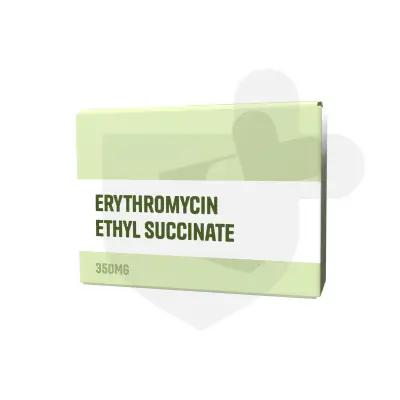
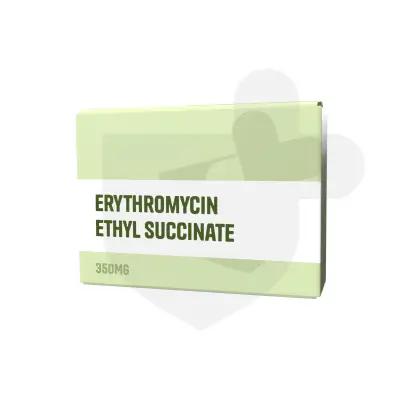
Erythromycin Ethyl Succinate is manufactured by Pinewood Healthcare and is approved by the MHRA.
What Form is Erythromycin Ethyl Succinate available in?
Erythromycin Ethyl Succinate is available in oral suspension form.
How do I store Erythromycin Ethyl Succinate?
Store Erythromycin Ethyl Succinate suspension in the fridge at temperatures between 2 and 8 degrees once made up, as specified by the manufacturer.
What is Erythromycin Ethyl Succinate used for?
Erythromycin Ethyl Succinate is used for the treatment of widespread non-bullous impetigo in pregnant individuals (aged 16 years and over) under the NHS England commissioned Pharmacy First.
How does Erythromycin Ethyl Succinate work?
Erythromycin Ethyl Succinate is an antibiotic that stops erythromycin-sensitive organisms from growing and spreading.
When will I feel better and what should I do if I do not get better?
You should start to feel better within a few days, but speak to your healthcare provider if you do not see an improvement after 3 days or if your symptoms worsen at any time.
Can I drink alcohol while taking Erythromycin Ethyl Succinate?
Drinking alcohol with Erythromycin Ethyl Succinate may reduce its benefits or delay it working.
Do I need to take Erythromycin Ethyl Succinate with food?
It's better to take Erythromycin Ethyl Succinate with food, so it does not upset your stomach.
Who can and cannot take Erythromycin Ethyl Succinate?
You may take Erythromycin Ethyl Succinate if you meet the inclusion criteria for impetigo for the Pharmacy First service, but may not take Erythromycin Ethyl Succinate if you do not meet the inclusion criteria for impetigo for the Pharmacy First service.
How often do I need to take Erythromycin Ethyl Succinate?
Young people and adults aged 16 years and over will need to take 500mg of Erythromycin Ethyl Succinate, four times daily for 5 days.
What are the side effects of Erythromycin Ethyl Succinate?
Side effects of Erythromycin Ethyl Succinate include gastrointestinal discomfort, such as diarrhoea, nausea and vomiting, decreased appetite, dizziness, headache, skin rashes and altered taste.
Are there any Interactions of Erythromycin Ethyl Succinate with other drugs?
Erythromycin Ethyl Succinate interacts with tolterodine, amisulpride, astemizole, mizolastine, domperidone, terfenadine, ergotamine or dihydroergotamine, chloroquine or hydroxychloroquine, ivabradine, Typhoid vaccine, medicines that are strong inducers of cytochrome P450 (CYP), direct oral anticoagulants (DOACs) such as apixaban, dabigatran, edoxaban, rivaroxaban, Calcium channel blockers (amlodipine, diltiazem, felodipine, lercanidipine, nifedipine or verapamil), diuretics, corticosteroids, or xanthines.
Other important information about Erythromycin Ethyl Succinate
Take Erythromycin Ethyl Succinate at regular intervals and finish the course even if your symptoms improve. If you experience dizziness or drowsiness, do not drive or operate machinery. Seek medical advice in the event of an adverse reaction or if any other new symptoms develop.
Does Erythromycin Ethyl Succinate interfere with conception and contraception?
Erythromycin Ethyl Succinate does not affect fertility in men or women and does not stop any type of contraception from working. If Erythromycin Ethyl Succinate makes you have severe diarrhoea for more than 24 hours, your contraceptive may not protect you from pregnancy.
Can I use Erythromycin Ethyl Succinate when breast feeding?
You must avoid direct contact between infants and impetigo lesion(s). Erythromycin Ethyl Succinate can be used in breastfeeding individuals, but you must monitor nursing infants for gastro-intestinal disturbances, oral candida infection, rashes, drowsiness, irritability, sweating and loss of appetite.
Can I use Erythromycin Ethyl Succinate if I am pregnant or planning to become pregnant?
Erythromycin Ethyl Succinate should only be used if the benefit of treatment outweighs any risks.
NowPatient has taken all reasonable steps to ensure that all material is factually accurate, complete, and current. However, the knowledge and experience of a qualified healthcare professional should always be sought after instead of using the information on this page. Before taking any drug, you should always speak to your doctor or another qualified healthcare provider.
The information provided here about medications is subject to change and is not meant to include all uses, precautions, warnings, directions, drug interactions, allergic reactions, or negative effects. The absence of warnings or other information for a particular medication does not imply that the medication or medication combination is appropriate for all patients or for all possible purposes.

FAQs
Answers to Popular Questions About How Erythromycin Ethyl Succinate Treats Impetigo
What is Erythromycin Ethyl Succinate and how is it used for acute sinusitis?
Erythromycin ethyl succinate is a macrolide antibiotic used to treat acute bacterial sinusitis when first-line antibiotics are unsuitable, typically in patients with penicillin allergy. It is taken with food for optimal absorption. Through the NHS Pharmacy First service, pharmacists can supply erythromycin ethyl succinate for sinusitis without a GP appointment.
What is the dose for sinusitis?
Adults: 400 mg four times daily or 800 mg twice daily for 5 days. Children: dose is weight-based. Take with or after food. Complete the full course. Your pharmacist will determine the correct dose.
Can I get this through Pharmacy First?
Yes, the Pharmacy First service allows pharmacists to assess sinusitis and supply appropriate antibiotics including erythromycin ethyl succinate. This is a free NHS service.
What are the side effects?
Common side effects include nausea, vomiting, abdominal cramps, and diarrhoea. Taking with food helps. Less common effects include taste disturbance and rash. Seek advice if symptoms do not improve within 2–3 days.
Experienced a Side Effect?
Report to Yellow Card (UK) or MedWatch (US)
Report to




OUR CUSTOMERS VIEW
What Customers Love About Our Service
We want everyone to be happy and healthy, that’s what keeps us going. Read what some of them have to say about us.

Medicines Experts
Meet Our Medical Team
We are a broad skilled and passionate group of clinicians with experience of operating in health systems in the United Kingdom & United States. Providing excellent care and advice is at the heart of everything we do. You can read more about our medical team by visiting the medical team page or learn more about how we curate content by visiting our editorial process

Navin Khosla
UK Responsible Person (UKRP), Pharmacist Independent Prescriber, Clinical Safety Officer (CSO), Pharmacist

DeLon Canterbury
US Board Certified Pharmacist/PGX & Deprescribing Specialist

Ihtesham Sabri
Medical Director

Jamie Winn
US Board Certified Pharmacist

Stefano Mirabello
Pharmacist Independent Prescriber, Clinical Safety Officer (CSO), Pharmacist

Ketan Patel
Pharmacist Independent Prescriber, Pharmacist

Monica Khosla
Medical Writer

Daniel Cheung
Pharmacist Independent Prescriber, Pharmacist

Aseel Hamoud Bedan
Hospital Consultant

Rajive Patel
Medical Writer

Amish Patel
Pharmacist Independent Prescriber, Superintendant Pharmacist, Pharmacist