


















What Is Leqselvi?

A Woman reading an article

Created
(Current Version)

Overview

Leqselvi™ (deuruxolitinib) is a prescription-only oral medicine approved in the United Kingdom by the Medicines and Healthcare products Regulatory Agency (MHRA) for the treatment of severe alopecia areata in adults. It is manufactured by Sun Pharma UK Limited and belongs to a class of medicines known as Janus kinase (JAK) inhibitors.

Leqselvi represents a significant development in the management of severe alopecia areata — a condition where the body’s immune system attacks its own hair follicles, causing inflammation and extensive hair loss. For many years, treatment options for severe alopecia areata in the UK were limited, unlicensed, or only modestly effective. Leqselvi is the second JAK inhibitor to receive a UK marketing authorisation for this indication, following ritlecitinib.

MHRA approval confirmed: Deuruxolitinib (Leqselvi) was approved in the UK on 10 March 2026 to Sun Pharma UK Limited, via the International Recognition Procedure (IRP). Source: MHRA, GOV.UK.

Leqselvi™ (deuruxolitinib) is already approved by FDA in the United States for the treatment of severe alopecia areata in adults

What is Alopecia Areata?

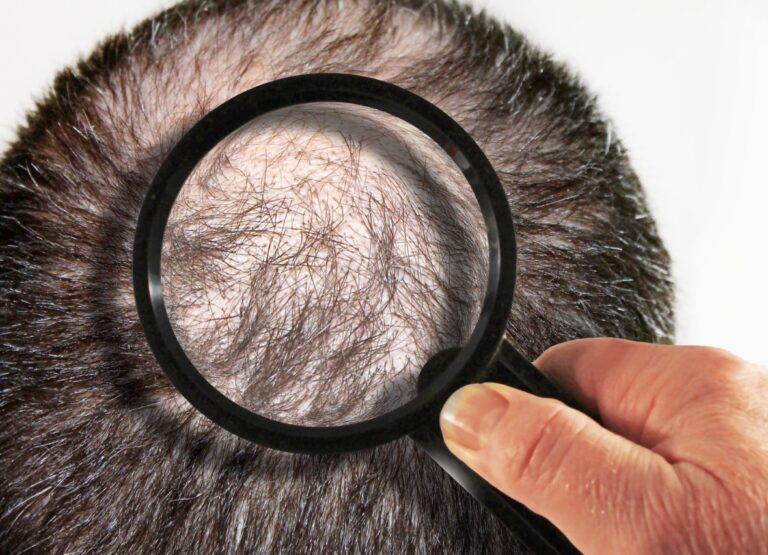
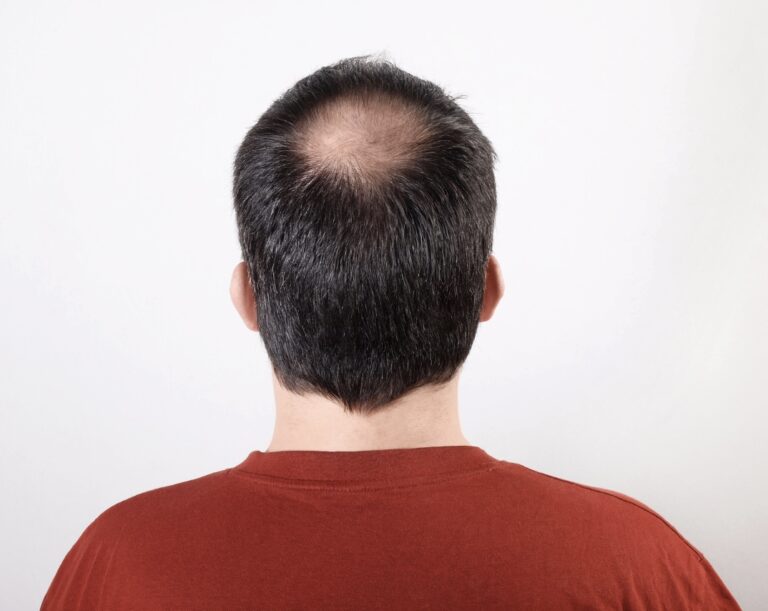
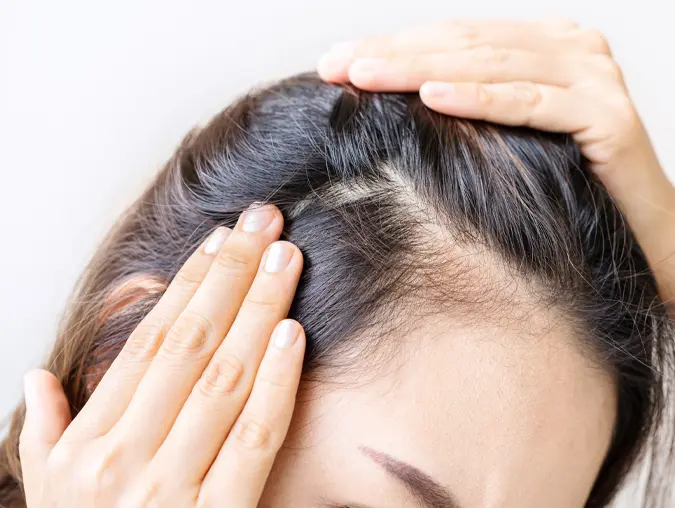
Alopecia areata is an autoimmune disease in which the body’s own immune system incorrectly targets hair follicles, triggering inflammation that leads to hair loss. Hair loss may occur on the scalp, face (including eyebrows, eyelashes, and beard), and other parts of the body. The condition can present in several forms:

  • Patchy alopecia areata — hair loss in isolated, round patches
  • Alopecia totalis — complete loss of scalp hair
  • Alopecia universalis — complete loss of hair across the entire body

Severe alopecia areata is defined clinically as 50% or more scalp hair loss, as measured using the Severity of Alopecia Tool (SALT) score. The condition carries a substantial psychosocial burden. As noted in the NICE appraisal consultation (December 2025), the British Association of Dermatologists highlighted that severe alopecia areata is associated with significant depression and anxiety, time off work, unemployment, and a considerable impact on quality of life — impacts that standard quality-of-life measures may not fully capture.

Alopecia areata affects approximately 2.1% of people over their lifetime, with a point prevalence of around 0.58% in the adult population in the UK. Evidence suggests the condition is more common in people of Asian background and those from more deprived or urban areas, though prevalence in these groups may be underestimated due to lower rates of healthcare presentation.

How Does Leqselvi Work?

Leqselvi works by reducing the activity of specific enzymes in the immune system called Janus kinases — specifically JAK1, JAK2, and TYK2 relative to JAK3. These enzymes play a key role in transmitting inflammatory signals at the hair follicle. In alopecia areata, an overactive immune response driven by JAK-STAT signalling pathways causes the immune system to attack hair follicles as if they were foreign tissue.

By selectively inhibiting JAK1, JAK2, and TYK2, deuruxolitinib damps down this inflammatory response, reducing the immune attack on hair follicles. This allows follicles to recover and resume normal hair growth.
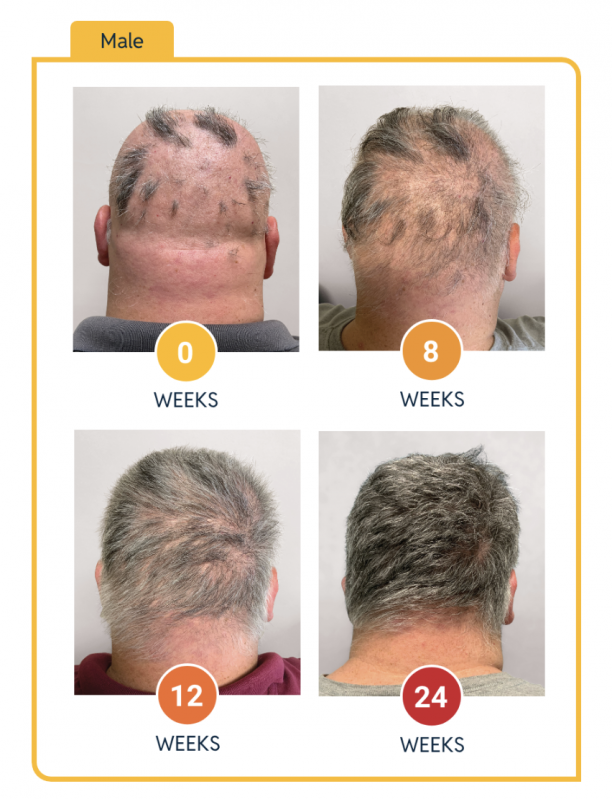
Leqselvi hair growth in a man over 24 weeks

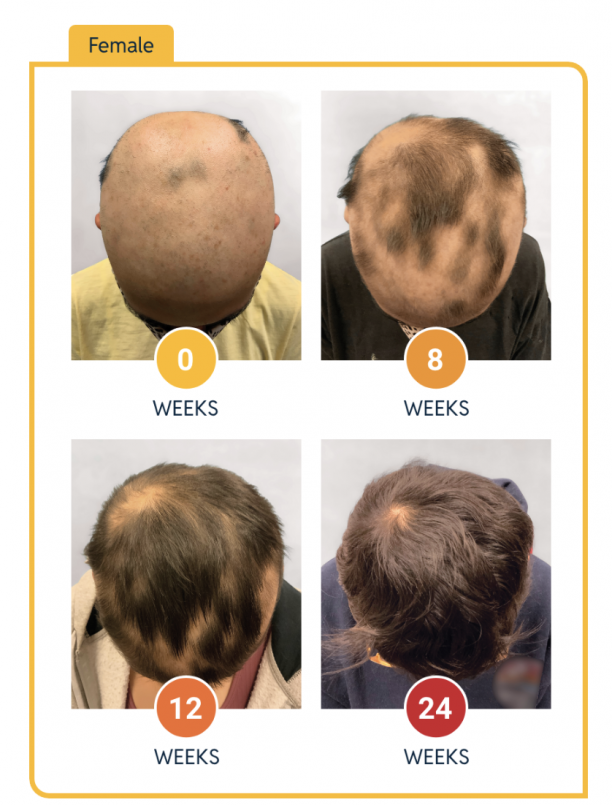
Leqselvi hair growth in a women over 24 weeks


How Leqselvi Differs from Ritlecitinib

The only other NICE-approved and licensed systemic treatment for severe alopecia areata in the NHS is ritlecitinib (Litfulo). While both are JAK inhibitors, they differ in their mechanism of action. Ritlecitinib primarily targets JAK3 and TEC kinases, whereas deuruxolitinib targets JAK1, JAK2, and TYK2 relative to JAK3.

This difference is clinically meaningful. As noted by the British Association of Dermatologists during the NICE scoping consultation (December 2025), approximately 40% of patients respond to ritlecitinib — meaning a significant proportion of people with severe alopecia areata do not achieve a meaningful response with the currently available NICE-approved treatment. A JAK inhibitor with a different mechanism and target profile, such as deuruxolitinib, may therefore benefit patients who have not responded adequately to ritlecitinib.

The British Association of Dermatologists told NICE: ‘Around 40% of patients respond to ritlecitinib so there is a large group of people who will not respond. Therefore, a different targeted therapy such as deuruxolitinib (JAK1/JAK2 inhibitor) will give patients more options.’ Source: NICE scope consultation comments [ID6597], December 2025.

How is Leqselvi Taken?

Leqselvi is taken orally as a tablet. The MHRA-approved recommended dose is 8 mg twice daily. It is a prescription-only medicine and cannot be obtained without a prescription from a qualified healthcare professional.

Leqselvi is intended for use in adults. Its safety and effectiveness have not been established in children or young people under 18 years of age.

Clinical Evidence: The THRIVE Trials

The MHRA’s approval of Leqselvi was based on evidence from two pivotal Phase 3 clinical trials: THRIVE-AA1 and THRIVE-AA2. Together, these trials enrolled 1,223 adult patients aged 18 to 65 years with severe alopecia areata — defined as at least 50% scalp hair loss (SALT score ≥50) for more than six months.
In both trials, patients received either Leqselvi 8 mg twice daily, deuruxolitinib 12 mg twice daily (a dose not approved), or a placebo twice daily for 24 weeks.

Key Efficacy Results (MHRA, 2026)

After 24 weeks of treatment, patients who received Leqselvi 8 mg scored significantly higher on the SALT scale — a validated measure of scalp hair coverage — compared with those who received placebo. Specifically:

  • Around 30% of subjects treated with Leqselvi 8 mg achieved 80% or more scalp hair coverage after 24 weeks
  • Around 23% of subjects treated with Leqselvi 8 mg achieved 90% or more scalp hair coverage after 24 weeks

These results were statistically significant and confirmed Leqselvi’s ability to promote clinically meaningful hair regrowth in patients with severe alopecia areata.

Source: MHRA press release, 12 March 2026 — ‘MHRA approves deuruxolitinib (Leqselvi) to treat severe alopecia areata in adults.’ Available at: gov.uk/government/news/mhra-approves-deuruxolitinib-leqselvi-to-treat-severe-alopecia-areata-in-adults

MHRA Approval — UK Regulatory Status

Leqselvi (deuruxolitinib) received its UK marketing authorisation on 10 March 2026, granted to Sun Pharma UK Limited by the Medicines and Healthcare products Regulatory Agency (MHRA).

The approval was granted via the International Recognition Procedure (IRP) — a post-Brexit pathway that allows the MHRA to recognise approvals already granted by trusted reference regulators, streamlining the time it takes for medicines to reach patients in the UK. This medicine is also subject to additional monitoring, denoted by a black triangle (▼) in its product information, which means that new safety information about the medicine will be closely tracked and reported.

Reporting Side Effects — Yellow Card Scheme

As with all medicines approved in the UK, patients, carers, and healthcare professionals are encouraged to report any suspected side effects from Leqselvi to the MHRA through the Yellow Card scheme. This ongoing post-marketing surveillance helps the MHRA maintain oversight of the medicine’s safety profile in real-world use.

Reports can be submitted online at yellowcard.mhra.gov.uk, or by searching for ‘MHRA Yellow Card’ in the Google Play or Apple App stores.

NICE Appraisal — NHS Availability

MHRA approval confirms that Leqselvi is safe and effective for use in adults with severe alopecia areata. However, MHRA approval alone does not automatically make a medicine available on the NHS in England. A separate health technology appraisal by the National Institute for Health and Care Excellence (NICE) is required to assess cost-effectiveness and make a recommendation on NHS funding.

NICE Technology Appraisal in Progress

At the time of publication, NICE is actively appraising deuruxolitinib for treating severe alopecia areata under reference ID6597 (GID-TA11804). The appraisal is proceeding as a cost-comparison evaluation against ritlecitinib (NICE TA958) — the only currently NICE-approved systemic treatment for severe alopecia areata in the NHS.

A scoping consultation was completed in December 2025, with responses from key stakeholders including Sun Pharma, the British Association of Dermatologists, and Alopecia UK. The scope confirms that deuruxolitinib is clinically comparable to ritlecitinib and that a cost-comparison approach is appropriate, given that ritlecitinib is already established in NHS practice for the same indication.

Ritlecitinib (Litfulo) is currently the only NICE-approved and licensed treatment for severe alopecia areata available on the NHS. Leqselvi will need a positive NICE appraisal recommendation before it becomes routinely available through NHS prescribing.

What the Stakeholders Said

During the NICE scoping consultation, the British Association of Dermatologists emphasised the unmet clinical need for additional treatment options, noting that a large proportion of patients do not respond to ritlecitinib and that the mental health burden of untreated severe alopecia areata is considerable. They also highlighted the importance of early access to effective treatment to minimise the long-term cumulative impact of the disease.

Alopecia UK noted that the patient pathway for alopecia areata management remains inadequate, with many patients waiting more than 12 months for a referral, and called for timely assessment and approval of new effective treatments. They expressed hope that the NICE appraisal would proceed to a positive recommendation enabling NHS access.

What Happens Next

Once the NICE appraisal is complete and a final guidance document is published, NHS organisations in England will be required to fund Leqselvi for eligible patients within 90 days of that guidance — if NICE recommends it. Until a NICE recommendation is issued, Leqselvi may be available privately in the UK for eligible adults with a private prescription from a qualified dermatologist or clinician.

Side Effects of Leqselvi

As with all JAK inhibitors, Leqselvi carries a range of potential side effects. Before starting treatment, patients should discuss the full benefit-risk profile with their prescribing clinician.

Very Common Side Effects (affecting more than 1 in 10 people)

The MHRA has confirmed that the most common side effects with deuruxolitinib are:

  • Headache
  • Acne

Important Safety Considerations

As a JAK inhibitor, Leqselvi is subject to class-level safety warnings that apply across medicines in this group. Patients and prescribers should be aware of the following risks, which are relevant to the JAK inhibitor class:

  • Serious infections, including reactivation of latent tuberculosis (TB) and herpes zoster (shingles)
  • Increased risk of cardiovascular events including heart attack and stroke, particularly in patients aged 50 and over with existing cardiovascular risk factors
  • Blood clots (venous thromboembolism), including deep vein thrombosis and pulmonary embolism
  • Malignancy risk
  • Gastrointestinal perforations
  • Haematological changes including anaemia, lymphopenia, and neutropenia

This medicine is subject to additional monitoring in the UK. The Summary of Product Characteristics (SmPC) and Patient Information Leaflet (PIL), published on the MHRA Products website, contain the full and up-to-date safety information for Leqselvi.

Important: Leqselvi is a prescription-only medicine and must be prescribed by a qualified healthcare professional. Always read the Patient Information Leaflet provided with your medicine, and report any suspected side effects to the MHRA Yellow Card scheme. This article is for informational purposes only and does not constitute medical advice.

Who is Leqselvi For?

Leqselvi is licensed by the MHRA for the treatment of severe alopecia areata in adults. Based on the pivotal clinical trials, the licensed population includes adults with a SALT score of 50 or above (representing 50% or more scalp hair loss) that has persisted for more than six months.

It is prescribed in secondary or tertiary care dermatology settings. As noted in the NICE scoping consultation, deuruxolitinib is expected to be prescribed and followed up in secondary or tertiary care dermatology clinics, in line with how ritlecitinib is managed. Patients will require pre-treatment screening and monitoring blood tests as part of their care pathway.

Leqselvi is not licensed for use in patients under 18 years of age.

Questions to Ask Your Dermatologist

  • Am I suitable for Leqselvi based on my SALT score and medical history?
  • Is Leqselvi available to me on the NHS, or would I need to pay privately?
  • How does Leqselvi compare to ritlecitinib for my type and duration of alopecia areata?
  • What pre-treatment tests will I need before starting Leqselvi?
  • What monitoring will be required during treatment?
  • What side effects should I watch for, and when should I contact the team?
  • What happens if I stop taking Leqselvi — will my hair loss return?

Access and Savings for US patients using NowPatient

NowPatient supports patients across the US with telehealth consultations, and drug savings tools. If you have been prescribed Leqselvi or are exploring treatment options for severe alopecia areata, NowPatient can help you:

  • Understand your prescription options and eligibility
  • Access telehealth consultations with qualified clinicians
  • Check drug savings eligibility for medications you are taking

Visit nowpatient.com or use the NowPatient Drug Savings Eligibility Checker to explore your options.

Sources

All clinical and regulatory information in this article is drawn exclusively from the following authoritative sources:

MHRA (Medicines and Healthcare products Regulatory Agency)

MHRA approves deuruxolitinib (Leqselvi) to treat severe alopecia areata in adults. Press release, 12 March 2026. Available at: gov.uk/government/news/mhra-approves-deuruxolitinib-leqselvi-to-treat-severe-alopecia-areata-in-adults

NICE (National Institute for Health and Care Excellence)

Consultation comments on the draft remit and draft scope for the technology appraisal of deuruxolitinib for treating severe alopecia areata [ID6597]. December 2025. Available at: nice.org.uk/guidance/gid-ta11804

Leqselvi.com

Official patient information website for Leqselvi™ (deuruxolitinib), Sun Pharma UK Limited. Available at: leqselvi.com

British National Formulary (BNF)

BNF monograph for deuruxolitinib — available to healthcare professionals via bnf.nice.org.uk. Please refer to the current BNF entry for up-to-date prescribing information, interactions, contraindications, and dosing guidance.

Medical Disclaimer

NowPatient has taken all reasonable steps to ensure that all material is factually accurate, complete, and current. However, the knowledge and experience of a qualified healthcare professional should always be sought after instead of using the information on this page. Before taking any drug, you should always speak to your doctor or another qualified healthcare provider.

The information provided here about medications is subject to change and is not meant to include all uses, precautions, warnings, directions, drug interactions, allergic reactions, or negative effects. The absence of warnings or other information for a particular medication does not imply that the medication or medication combination is appropriate for all patients or for all possible purposes.

Related Articles