























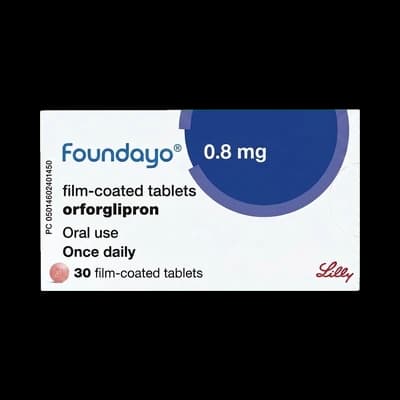

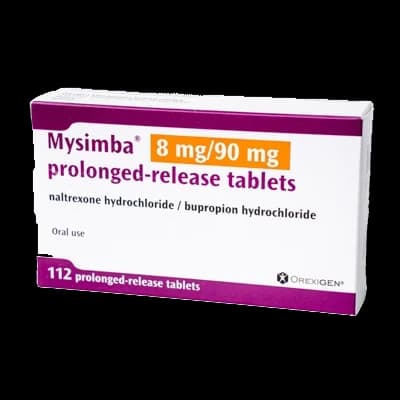

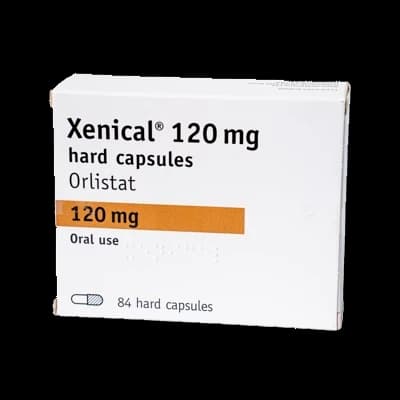
Your hair follows a natural growth cycle: the anagen phase (active growth), catagen phase (transition), and telogen phase (resting and eventual shedding). Normally, only about 5%–15% of your scalp hairs are in the resting phase at any given time.
When your body experiences a significant physiological stressor, such as rapid weight loss, a large calorie deficit, or illness, it can push a higher percentage of hairs prematurely into the telogen phase. Your body naturally releases these resting hairs over the following weeks, which is why shedding typically occurs a couple of months after significant weight loss begins, not immediately after taking your first pill.
A retrospective study of patients who developed telogen effluvium after dieting found that the average weight loss preceding the condition was around 15.2%, with shedding appearing 2–5 months after the trigger. With Foundayo, reduced appetite and a rapid calorie deficit create a form of physiological stress that can trigger telogen effluvium by re-prioritising energy and nutrients away from hair growth toward vital organs.
The shedding tends to be diffuse across the scalp rather than appearing as discrete bald patches, which helps distinguish it from conditions like alopecia areata.

Other Factors That Can Contribute to Hair Loss While on Foundayo
Foundayo is only one piece of the puzzle. Several overlapping factors can increase hair shedding risk during treatment:
- Nutritional gaps from reduced food intake can contribute to hair shedding during weight loss. When appetite is suppressed, it’s easy to fall short on protein, iron, zinc, vitamin D, and B12.
- Underlying conditions common among people taking weight loss medications, such as thyroid disease, polycystic ovary syndrome, or recent infections, can independently trigger or worsen hair loss.
- Other medicines, including certain antidepressants, blood thinners, acne treatments, and hormonal contraceptives, can also cause shedding. Hair changes may not be solely due to Foundayo.
- A healthcare professional may use blood tests (thyroid function, ferritin, full blood count, vitamin levels) to investigate persistent or severe hair loss and identify treatable contributors.
What Does Foundayo-Related Hair Loss Look and Feel Like?
There’s no single “look” to Foundayo-related hair loss, but most people with medication- or weight-loss-related shedding share common features:
- More strands than usual in the shower, on the pillow, or caught in the hairbrush
- Hair feeling thinner in a ponytail or bun
- Widening of the part line, but no sharply defined bald spots
The timing matters. Hair shedding typically begins a few weeks to a few months after starting Foundayo or after a period of rapid weight loss, rather than within the first few days.
This differs from genetic pattern hair loss, which develops gradually (receding hairline in men, progressive widening part in women). Foundayo-related shedding tends to be sudden and diffuse.
If you notice patchy bald areas, scalp redness, flaking, itching, or severe pain, these are warning signs that suggest a different condition and warrant assessment by a dermatologist.
Is Hair Loss on Foundayo Permanent?
In most cases, hair loss associated with Foundayo and rapid weight loss is temporary and reversible once the underlying trigger is addressed.
- Telogen effluvium typically lasts around 3–6 months. After that, shedding slows and new hair growth becomes more noticeable, though full density can take 6–12 months or longer.
- Hair regrowth often occurs after the body adjusts and weight stabilises. Clinical reports and product information describe Foundayo-related hair changes as transient and associated with weight reduction rather than scarring or permanent damage to hair follicles.
- Hair loss is often temporary and resolves with weight stabilisation, but if other causes coexist, like genetic pattern hair loss or uncontrolled thyroid disease, those may continue to progress unless specifically treated.
Consider tracking your shedding over time with diary notes or photos. If there’s no sign of improvement after several months, seek review by a healthcare professional or dermatologist.
How to Reduce the Risk of Hair Loss While Taking Foundayo
You can’t always prevent hair shedding entirely, but a few simple steps can lower the risk and support healthy hair growth:
- Even when eating smaller portions, prioritise nutrient-dense foods. Get enough protein at every meal from sources like eggs, fish, poultry, tofu, and beans. Include whole grains, fruits, and vegetables for micronutrient coverage.
- Adequate protein and nutrient intake is important for hair health during treatment with Foundayo. Key nutrients that support healthy hair include iron, zinc, omega-3 fatty acids, and vitamins A, C, D, E, and B-complex. A registered dietitian can help you design a balanced diet that works within a reduced appetite.
- Avoid extreme crash diets on top of Foundayo. Aim for steady, sustainable weight loss rather than the fastest possible rate.
- Use gentle hair care: avoid harsh chemical treatments, tight hairstyles, and excessive heat styling. These won’t stop telogen effluvium, but they reduce breakage and make hair thinning less noticeable during any shedding period.
- Over the counter treatments like minoxidil may be worth discussing with your doctor if shedding is persistent, but don’t start any over the counter products without professional guidance.

When Should You Speak to a Healthcare Professional About Hair Loss on Foundayo?
Some degree of hair shedding can be a normal response to weight reduction, but certain situations call for prompt medical advice:
- Sudden or dramatic hair loss, visible bald patches, or hair coming out in clumps
- Associated symptoms such as feeling tired persistently, dizziness, heavy periods, or scalp pain
- Experiencing other Foundayo side effects at the same time, such as severe abdominal pain, persistent vomiting or diarrhea, or signs of serious side effects requiring immediate medical attention
- Trouble swallowing, a rapid heartbeat, or signs of an allergic reaction (swelling, rash, breathing difficulty)
Do not stop or change your Foundayo dose on your own. Discuss options such as dose adjustment, slower titration following the recommended dosing schedule, or alternative treatments with your prescriber. A clinician may recommend blood tests, review of other medicines, dietary assessment, or referral to a specialist depending on the overall picture.
Other Common Foundayo Side Effects to Be Aware Of
Hair loss is only one of many possible Foundayo side effects. Common side effects of Foundayo primarily include gastrointestinal issues, and understanding the broader safety profile helps put hair concerns into context.
The most common side effects, commonly reported during dose escalation, include:
- Nausea, vomiting, diarrhea, constipation
- Indigestion, abdominal pain, bloating, gas, burping
- Gastroesophageal reflux disease (stomach acid backing up)
- Headache and fatigue
These effects tend to be worst during initiation and dose increases, and typically improve as the body adjusts. You can manage nausea and digestive discomfort by eating smaller, more frequent meals, choosing bland foods, avoiding greasy foods, and remembering to eat slowly. Stay hydrated and drink plenty of water throughout the day. Adjusting bowel movements issues may involve adding more fibre gradually.
Rare but important serious side effects include:
- Severe abdominal pain (possible acute pancreatitis or gallbladder problems)
- Signs of an allergic reaction
- Severe dehydration from vomiting or diarrhea, potentially causing kidney problems
- Symptoms of low blood sugar, especially if combined with other diabetes medicines
- Thyroid cancer risk: animal studies showed thyroid tumors, and the FDA requires a boxed warning about this
Read your specific patient information leaflet, follow the prescribing information, and maintain regular follow-up while taking Foundayo to monitor both progress and safety.
Balancing the Benefits of Losing Weight With the Risk of Hair Shedding
The prospect of hair loss can feel discouraging when you’re using Foundayo to improve your long-term health through weight management. It’s worth stepping back to consider the bigger picture.
For many people, the health benefits of effective obesity treatment, including reduced risk of type 2 diabetes, cardiovascular disease, and joint problems, can outweigh a period of temporary hair shedding, especially when managed proactively. But quality-of-life considerations matter too. Bring up appearance-related concerns openly with your clinical team so treatment can be tailored to your priorities.
Having realistic expectations helps. If you know that transient hair shedding is possible, that it usually starts a couple of months in, and that recovery follows once your digestive system and nutrition catch up to your new routine, you’re less likely to panic if you spot extra strands in the drain.
With appropriate monitoring, nutritional support from a balanced diet, and medical guidance, many people continue Foundayo safely while minimising both Foundayo side effects and distress around hair changes. Foundayo slows weight regain and supports long-term results, and for most users, healthy hair returns as part of that journey.

Frequently Asked Questions About Foundayo and Hair Loss
Can Foundayo cause hair loss even if I lose weight slowly?
Hair loss is more strongly associated with rapid weight loss, but some people may still experience shedding on Foundayo even with gradual weight reduction, especially if protein or key nutrients are inadequate. Individual sensitivity varies, as genetics, hormones, and other health conditions influence how hair follicles respond to any calorie deficit. If you’re aiming for slow, steady progress and still notice new or worsening hair shedding, consult a healthcare professional to rule out other causes and to support healthy hair regrowth.
Will taking vitamins stop Foundayo-related hair shedding?
Vitamins and supplements cannot guarantee prevention of hair loss from telogen effluvium. However, correcting a proven deficiency, such as low iron or vitamin D, can support healthy hair growth during recovery. Avoid taking high-dose supplements without testing or professional advice, as excessive levels of some nutrients (for example, vitamin A) can actually trigger hair loss. Talk with a healthcare professional or dietitian before starting supplements, ideally after appropriate blood work.
How long after stopping Foundayo will my hair start to grow back?
If Foundayo and rapid weight loss were the main triggers, shedding often begins to improve within a few weeks to a few months after the trigger is removed and weight and nutrition stabilise. Visible regrowth and thickening typically take several additional months because hair grows slowly, roughly 1–1.5 cm per month. If hair loss continues or worsens long after stopping Foundayo, a separate medical cause should be investigated.
Is hair loss more common in women than men taking Foundayo?
Hair loss is more common in women than men on Foundayo. Early trial data suggest that around 7% of women reported hair loss compared to under 1% of men, though reporting biases may play a role. Women are also more likely to have iron deficiency and hormonal fluctuations that can contribute to telogen effluvium, which may partly explain higher rates. Regardless of sex, anyone noticing significant hair changes should seek personalised medical assessment.
Should I switch to another GLP-1 medicine if I’m worried about hair loss?
Hair shedding has been reported across the GLP-1 medication class, so switching may not eliminate the risk if rapid weight loss continues. Decisions about switching should factor in your overall side-effect pattern, weight-loss response, and medical history, made together with a healthcare professional. Rather than switching or stopping on your own, discuss options such as slower titration, dose changes, eating smaller meals with frequent meals throughout the day, nutritional support to support healthy hair, or alternative weight loss treatment strategies.