
Key facts about Ozempic Pill
What is Ozempic Pill?
The Ozempic Pill is a once-daily tablet containing semaglutide, a GLP-1 receptor agonist made by Novo Nordisk. It is the only FDA-approved oral peptide GLP-1 medication for adults with type 2 diabetes.
It contains the same active ingredient as the once-weekly Ozempic injection, but it is a different product with its own strengths, its own dosing schedule and its own set of approved uses.
What dosages is Ozempic Pill available in?
Ozempic tablets are available in three strengths, all supplied in bottles of 30 tablets:
Strengths and appearance
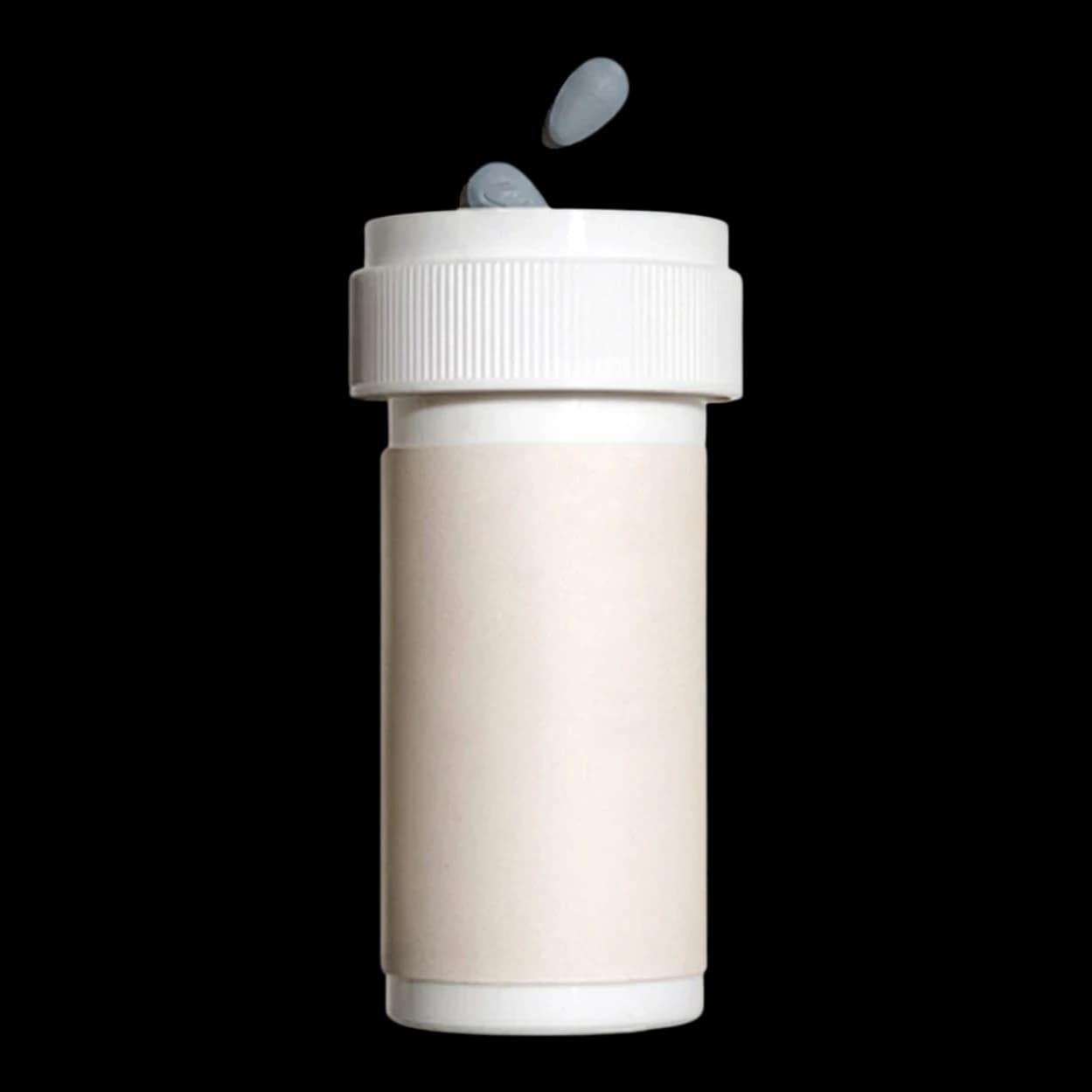
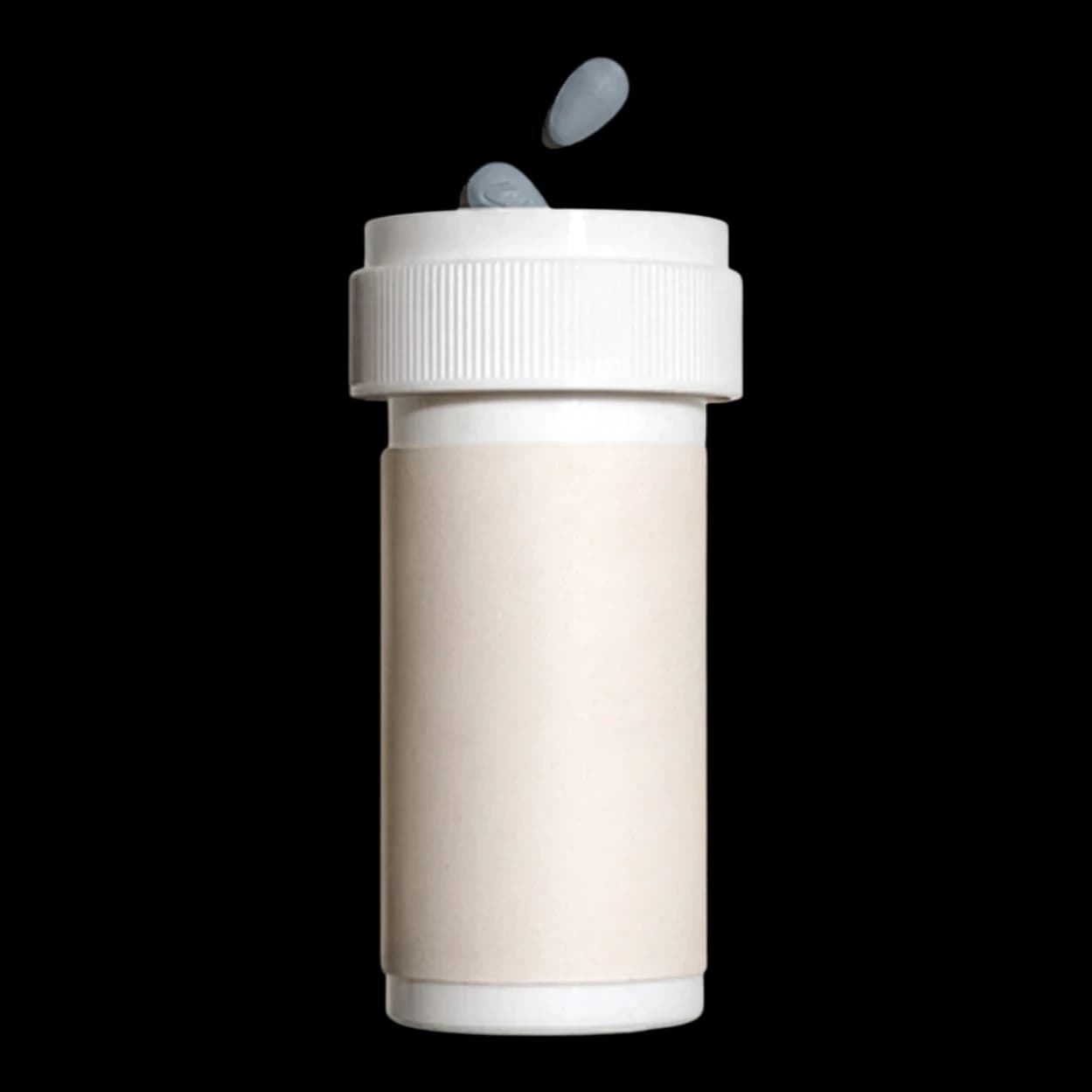
- 1.5 mg: white to light yellow, round tablet, debossed 1.5 on one side and novo on the other
- 4 mg: white to light yellow, round tablet, debossed 4 on one side and novo on the other
- 9 mg: white to light yellow, round tablet, debossed 9 on one side and novo on the other
What is Ozempic Pill used for?
Ozempic tablets are used, alongside diet and exercise, to:
- Improve blood sugar control in adults with type 2 diabetes
- Lower the risk of major cardiovascular events, meaning heart attack, stroke or cardiovascular death, in adults with type 2 diabetes who are at high risk of these events
The Ozempic Pill is not approved for weight loss. It is not approved for type 1 diabetes. It is not approved for use in children.
Note that the tablet does not carry the chronic kidney disease indication that appears on the Ozempic injection label. If you are taking semaglutide specifically for kidney protection, speak to your prescriber before switching forms.
How does Ozempic Pill work?
Semaglutide is a glucagon-like peptide-1 (GLP-1) receptor agonist, meaning it acts like the natural GLP-1 hormone in the body. It lowers blood sugar by prompting the pancreas to release more insulin when blood sugar is high, reducing the amount of sugar the liver releases, and slowing digestion. Because it works in a glucose-dependent way, it stimulates insulin only when blood sugar is elevated.
Semaglutide is a peptide, and peptides are normally broken down in the stomach before they can be absorbed. The Ozempic tablet solves this with an absorption enhancer called SNAC, which allows semaglutide to be absorbed through the stomach lining. Absorption is still low and highly sensitive to what else is in your stomach, which is why the timing instructions below matter more than they would for most tablets.
How do I take Ozempic Pill?
Taking the tablet with food, with coffee, or with a large glass of water can substantially reduce how much medicine your body absorbs. The instructions below are not optional refinements. They are how the tablet works.
- Take one tablet by mouth first thing in the morning, on an empty stomach, as soon as you wake up
- Take it with a sip of plain water only, no more than 4 ounces. Do not take it with coffee, tea, juice, milk or any other drink
- Swallow the tablet whole. Do not split, crush, chew or dissolve it
- Wait at least 30 minutes before eating, before drinking anything else, and before taking any other oral medicine
- Take no more than one tablet per day
- If you miss a dose, skip it and take your next dose the following morning. Do not take two tablets to make up for a missed one
What is the dosing schedule for the Ozempic Pill?
Your prescriber will start you on the lowest strength and step you up. Each step is timed to reduce the risk of stomach side effects.
Dosing schedule
- Days 1 to 30: 1.5 mg once daily. This is the starting dose. It is not effective for blood sugar control on its own and is there to let your body adjust.
- Days 31 to 60: 4 mg once daily. This is the first maintenance dose.
- Day 61 onward: 4 mg or 9 mg once daily. Stay at 4 mg, or step up to 9 mg if more blood sugar control is needed. 9 mg is the maximum approved dose.
Whether you move to 9 mg is a decision based on your blood sugar control and how you are tolerating the medicine. It is not automatic and it is not based on weight.
How do I switch from Rybelsus to the Ozempic Pill?
Rybelsus and Ozempic tablets are not substitutable milligram for milligram. Do not assume the number on your old bottle carries across.
- Do not switch during the first 30 days of treatment. If you are still in your initiation phase, finish it first
- After 30 days you may switch. Start the Ozempic tablet the day after you take your last Rybelsus tablet
Corresponding doses:
- Rybelsus 7 mg once daily becomes Ozempic tablets 4 mg once daily
- Rybelsus 14 mg once daily becomes Ozempic tablets 9 mg once daily
The administration instructions are the same for both. Speak to your prescriber or pharmacist before making the change.
Can I switch from the Ozempic injection to the Ozempic Pill?
Yes, from one specific dose. If you take the 0.5 mg weekly injection, you may switch to tablets. Wait one week after your last 0.5 mg injection, then start either 4 mg or 9 mg tablets once daily.
If you take the 1 mg or 2 mg injection dose, there is no direct switch published on the label. Your prescriber will advise.
Is it safe for me to take Ozempic Pill?
The Ozempic Pill is a safe and effective treatment when used for FDA licensed indications. However, like all medications, it may give you unwanted side effects. You should always discuss potential side effects with your physician to ensure the medication is suitable and right for you. You should not take this medication if you have any of the following:
- A personal or family history of medullary thyroid cancer (MTC)
- Multiple Endocrine Neoplasia syndrome type 2 (MEN 2)
- A previous serious allergic reaction to semaglutide or to any of the ingredients in Ozempic tablets
Ozempic tablets are not recommended if you have severe gastroparesis.
Tell your healthcare team you are taking the Ozempic Pill before any surgery or procedure involving anaesthesia or deep sedation. Semaglutide slows how quickly your stomach empties, which can raise the risk of food or liquid entering the lungs during these procedures.
Ozempic Pill Common Side Effects
The most common side effects, each reported in at least 5% of people in clinical trials, are:
- Nausea
- Stomach pain
- Diarrhea
- Reduced appetite
- Vomiting
- Constipation
Nausea, vomiting and diarrhea are most common when you first start treatment and when your dose is stepped up. Most people find these settle.
Ozempic Pill Serious Side Effects
Serious side effects are rare. Contact your healthcare provider immediately if you experience any of the following.
- Thyroid tumors: a lump or swelling in the neck, trouble breathing or swallowing, persistent hoarseness
- Inflammation of the pancreas (pancreatitis): severe stomach pain that will not go away and may spread to your back, with or without vomiting
- Low blood sugar: shaking, sweating, dizziness, confusion, blurred vision, fast heartbeat
- Kidney problems from dehydration: changes in urination, swollen feet or ankles, muscle cramping, or nausea, vomiting and diarrhea that will not settle
- Gallbladder problems: pain in the upper stomach, fever, yellowing of the skin or the whites of the eyes, clay-colored stools
- Changes in vision
- Severe stomach problems: stomach symptoms that are severe or will not go away
- Serious allergic reactions: trouble breathing or swallowing, hives, severe rash or itching, swelling of your face, lips, tongue or throat, fainting or feeling dizzy
Effects of other drugs, drug classes and over-the-counter products on Ozempic Pill
- Other oral medicines: semaglutide delays gastric emptying and can change how other oral medicines are absorbed. If you take a medicine with a narrow therapeutic index or one that needs monitoring, your provider may check you more closely. Remember that the 30 minute wait after your tablet applies to other oral medicines, not just to food and drink
- Levothyroxine: taking levothyroxine alongside semaglutide tablets increased thyroxine exposure by around a third in a drug interaction study. Your thyroid levels may need monitoring
- Insulin and sulfonylureas: taking these with the Ozempic Pill raises the risk of low blood sugar, including severe low blood sugar. Your provider may reduce your insulin or sulfonylurea dose when you start
How do I store the Ozempic Pill?
- Store at room temperature, between 68F and 77F
- Keep tablets in their original closed bottle until you are ready to take one. Do not transfer them to a pill organiser or any other container
- Store in a dry place, away from moisture
- Keep out of the reach of children
Unlike the injection, the Ozempic Pill does not need refrigeration.
Who makes Ozempic Pill?
Novo Nordisk Inc.
Is Ozempic Pill safe in pregnancy?
Stop taking the Ozempic Pill at least 2 months before a planned pregnancy, because semaglutide takes a long time to clear from the body. Breastfeeding is not recommended during treatment with Ozempic tablets.
What is the generic name for the Ozempic Pill?
Semaglutide
Is there a generic version of the Ozempic Pill?
No. There is no FDA-approved generic oral semaglutide. Compounded semaglutide is not an FDA-approved generic and is not the same product. If cost is the barrier, the savings options above are the route worth checking first.
Is the Ozempic Pill the same as Rybelsus?
Both contain semaglutide, but they are not the same product. Ozempic tablets are a reformulated version with different strengths and a different inactive ingredient list. Rybelsus came in 3 mg, 7 mg and 14 mg. Ozempic tablets come in 1.5 mg, 4 mg and 9 mg. The label states they are not substitutable on a milligram-for-milligram basis. Rybelsus is still sold outside the United States.
Is the Ozempic Pill as good as the injection?
They have not been compared head to head at every dose, and they are approved for slightly different things. The tablet is approved for blood sugar control and for reducing cardiovascular risk in people with type 2 diabetes at high risk. The injection additionally carries an approved use in chronic kidney disease.
Which form suits you is a decision for you and your prescriber. A daily tablet avoids injections, but it comes with a morning fasting routine that some people find harder to keep to than a weekly injection. Consistency matters more than form.