Buy Malarone online with free consultation & prescription
Book a quick face-to-face video consultation with a UK certified prescribing pharmacist, nurse, or doctor. If approved, your Malarone will be prescribed* and delivered straight to your door with next working day tracked delivery†. Avoid GP waiting lists. No delays. Just expert care.
Malarone is indicated for the treatment of Malaria.
*Includes Free Private Prescription & Consultation.
†Applies to UK only.
Manufactured by GSK.
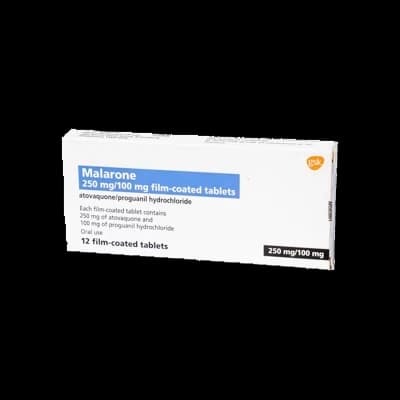

Malarone doses and pack sizes
Malarone
Malarone doses and pack sizes
*Your clinician will recommend the right strength and quantity for you during the consultation.
Treatment£32.54
Shipping£5.94
Total if approved£38.48
How it works
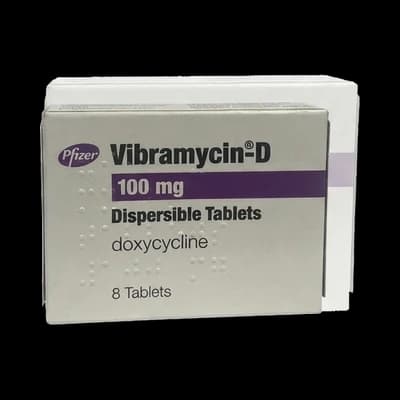
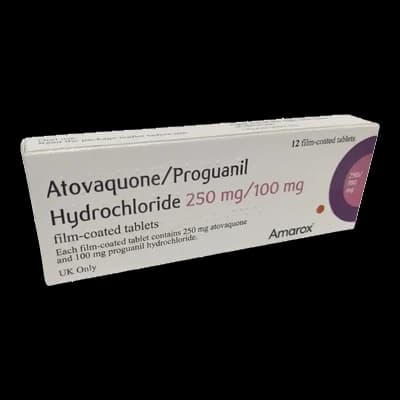
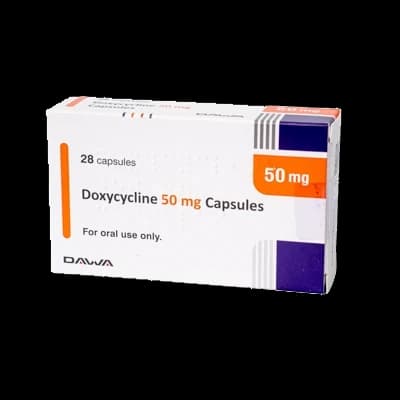
Similar treatments
Malarone alternatives
Order online
Malarone prices
| Brand/Generic | Form | Dosage | Quantity | Price | Delivery Cost | Consultation Cost |
|---|---|---|---|---|---|---|
| MalaroneBrand | Tablets | 12 | £32.54 | £0.00*(with Core+ Plan) | £0.00 |
FAQs
Answers to popular questions about Malarone
What is Malarone?
Malarone is a brand-name antimalarial medication containing two active ingredients: atovaquone (250 mg) and proguanil hydrochloride (100 mg). It is manufactured by GlaxoSmithKline and is one of the most widely prescribed antimalarial tablets in the UK. Malarone is used to prevent malaria in travellers visiting areas where Plasmodium falciparum malaria is present, and it can also be used to treat acute, uncomplicated malaria. It is a prescription-only medicine (POM) in the UK.
How does Malarone work to prevent malaria?
Malarone works through a dual mechanism of action. Atovaquone inhibits the mitochondrial electron transport chain in the malaria parasite, specifically targeting the cytochrome bc1 complex, which disrupts the parasite’s energy production. Proguanil (via its active metabolite cycloguanil) inhibits dihydrofolate reductase, an enzyme essential for the parasite’s DNA synthesis. Together, these two actions provide a highly effective causal prophylaxis — meaning Malarone kills the parasite early in the liver stage before it can enter the bloodstream, which is why it can be stopped just 7 days after leaving a malarious area, unlike other antimalarials.
Is Malarone better than Doxycycline for malaria prevention?
Both Malarone and Doxycycline are highly effective antimalarials recommended by UK travel health guidelines. Malarone has several advantages: shorter post-travel course (7 days versus 4 weeks for Doxycycline), fewer gastrointestinal side effects, and no sun sensitivity. However, Malarone is significantly more expensive — a two-week course can cost £30–£60 compared to £5–£10 for Doxycycline. Doxycycline also has the advantage of helping prevent traveller’s diarrhoea and certain other infections. The choice depends on destination, trip length, budget, and individual tolerance. Your prescriber can advise on the best option for your circumstances.
Can children take Malarone?
Yes, Malarone can be prescribed for children weighing 11 kg or more. A paediatric formulation (Malarone Paediatric) is available containing lower doses of atovaquone (62.5 mg) and proguanil (25 mg) per tablet. The dose depends on the child’s body weight: children 11–20 kg take one paediatric tablet daily, 21–30 kg take two paediatric tablets daily, 31–40 kg take three paediatric tablets daily, and children over 40 kg take the standard adult tablet. Malarone is not licensed for children under 11 kg for prophylaxis.
How do I take Malarone for malaria prevention?
For malaria prevention, take one Malarone tablet once daily with food or a milky drink. Start taking Malarone 1–2 days before entering a malarious area, continue taking it daily throughout your stay, and continue for 7 days after leaving the malarious area. Take the tablet at the same time each day. The food helps the body absorb atovaquone properly — without food, absorption can be reduced by up to 40%, significantly decreasing the medication’s effectiveness.
What should I do if I miss a dose of Malarone?
If you miss a dose of Malarone, take it as soon as you remember on the same day, ideally with food. Then continue taking Malarone at the usual time the next day. Do not take a double dose to make up for a forgotten one. If you vomit within 1 hour of taking Malarone, you should take a replacement dose with food. Consistently missing doses can significantly reduce Malarone’s ability to prevent malaria, so set a daily reminder if needed.
How long can I take Malarone for?
Malarone is licensed for malaria prophylaxis for up to 28 consecutive days in the UK. However, in practice, and in line with Public Health England guidance, it is often prescribed for longer trips of several months. Studies have shown it to be safe and well-tolerated for extended use. If your trip exceeds 28 days, your prescriber can advise whether Malarone remains the best choice or whether an alternative such as mefloquine (which is licensed for long-term use) would be more suitable.
What are the common side effects of Malarone?
Malarone is generally well-tolerated compared to other antimalarials. Common side effects (affecting 1 in 10 to 1 in 100 people) include headache, nausea, vomiting, abdominal pain, and diarrhoea. These are usually mild and often settle within the first few days of treatment. Abnormal dreams and insomnia are reported uncommonly. Taking Malarone with food helps minimise nausea and stomach discomfort. Most people find Malarone has fewer side effects than Doxycycline or mefloquine.
Does Malarone cause vivid dreams or psychiatric side effects?
Vivid or abnormal dreams are an uncommon side effect of Malarone but are reported less frequently than with mefloquine (Lariam). Serious psychiatric side effects such as anxiety, depression, or hallucinations are rare with Malarone. If you have a history of psychiatric conditions, Malarone is generally considered a safer choice than mefloquine. If you experience disturbing dreams or mood changes while taking Malarone, speak to your prescriber about whether an alternative antimalarial would be more suitable.
What medications interact with Malarone?
Key drug interactions with Malarone include: metoclopramide and tetracycline, which can reduce atovaquone plasma concentrations; rifampicin and rifabutin, which significantly reduce atovaquone levels and should not be used together; efavirenz and certain other antiretrovirals, which may reduce Malarone’s effectiveness. Warfarin’s anticoagulant effect may be enhanced, so INR monitoring is advised. Malarone should not be taken with other proguanil-containing products. Always inform your prescriber of all current medications before starting Malarone.
Can I drink alcohol while taking Malarone?
There is no specific interaction between Malarone and alcohol. Moderate alcohol consumption is unlikely to affect the medication’s effectiveness. However, excessive alcohol can worsen nausea and stomach upset, which are potential side effects of Malarone. It is also sensible to drink alcohol in moderation while travelling in tropical climates, as alcohol can contribute to dehydration and impaired judgement regarding malaria prevention measures such as using insect repellent and mosquito nets.
Can I take Malarone during pregnancy?
Malarone is not generally recommended during pregnancy due to limited safety data. Animal studies have not shown harmful effects, but there are insufficient human studies to confirm safety. If you are pregnant or planning to become pregnant and need malaria prophylaxis, your doctor may recommend alternative options. However, the risk of malaria in pregnancy can be severe, and in some cases the benefits of taking Malarone may outweigh the risks. Breastfeeding mothers should also seek advice, as both atovaquone and proguanil are excreted in breast milk.
How much does Malarone cost in the UK?
Malarone is one of the more expensive antimalarial options. The brand-name Malarone tablets typically cost around £2.50–£4 per tablet, meaning a two-week trip can cost £40–£70. Generic atovaquone/proguanil is usually less expensive at around £1.50–£3 per tablet. Costs vary between pharmacies and online providers. Malarone is not routinely available on the NHS for malaria prevention — most travellers need a private prescription. NowPatient offers competitive pricing for generic atovaquone/proguanil with the convenience of online consultation and home delivery.
How should I store Malarone?
Store Malarone tablets in their original blister pack below 30°C. Keep them in a dry place away from direct sunlight and out of the reach of children. When travelling, keep Malarone in your hand luggage to avoid temperature extremes in aircraft holds. Do not use Malarone after the expiry date shown on the packaging. Return any unused tablets to a pharmacy for safe disposal.
Your health shouldn’t wait.
Consultations, prescriptions, medication delivery, health monitoring – all in one place.

Rated excellent on Trustpilot
Wow! Excellent customer service. I submitted an email query, had a call…
Alison Hurst
I do not leave reviews, due to time and a rare condition I have. I…
Sherry M
Great experience getting the med. Clinician was very thorough.
Barbara Hill
Cannot speak highly enough of the service and assistance I have…
CJH
Very good experience - the clinician asked intelligent questions about…
Phil Daoust
Really excellent. Very thorough and professional pharmacist who guided…
Colin Glass
Meet our medical team
We are a broad skilled and passionate group of clinicians with experience of operating in regulated health systems in the United Kingdom & United States. Providing excellent care and advice is at the heart of everything we do.