
Online Urinary Incontinence Treatments & Prescriptions

Book a quick face-to-face video consultation with a certified prescribing pharmacist, nurse, or doctor. If approved, your Urinary Incontinence treatment will be prescribed* and delivered straight to your door with free next-day delivery†. No hidden fees. No delays. Just expert care.

* Includes Free Private Prescription & Consultation.

† Applies to UK only.

Start Your Treatment Today

Available Treatments for Urinary Incontinence
Obgemsa packaging which is available to order online from NowPatient with free next day delivery

Obgemsa

  • FREE secure consultation service
  • Fast and effective treatment
From £42.69
Oxybutinin packaging which is available to order online from NowPatient with free next day delivery

Oxybutinin

  • FREE secure consultation service
  • Fast and effective treatment
From £11.99
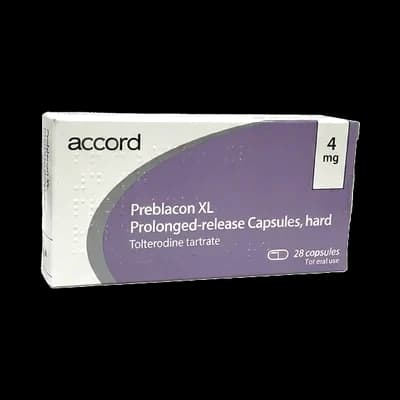
Preblacon packaging which is available to order online from NowPatient with free next day delivery

Preblacon

  • FREE secure consultation service
  • Fast and effective treatment
From £41.25
Tolthen packaging which is available to order online from NowPatient with free next day delivery

Tolthen

  • FREE secure consultation service
  • Fast and effective treatment
From £11.99
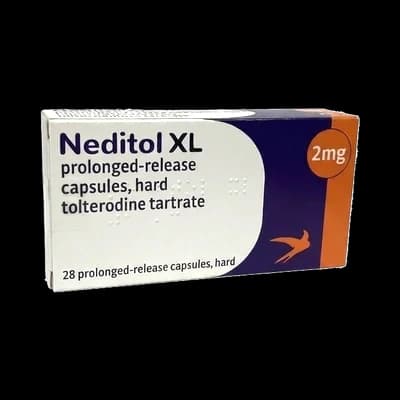
Neditol packaging which is available to order online from NowPatient with free next day delivery

Neditol

  • FREE secure consultation service
  • Fast and effective treatment
From £18.56
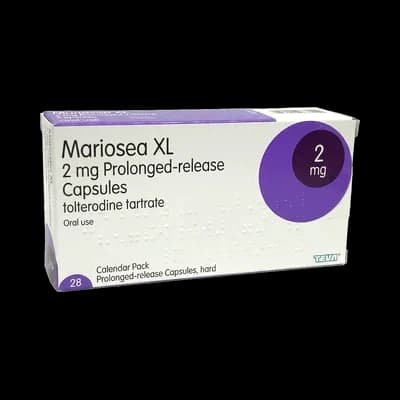
Mariosea packaging which is available to order online from NowPatient with free next day delivery

Mariosea

  • FREE secure consultation service
  • FREE secure consultation service
From £18.54
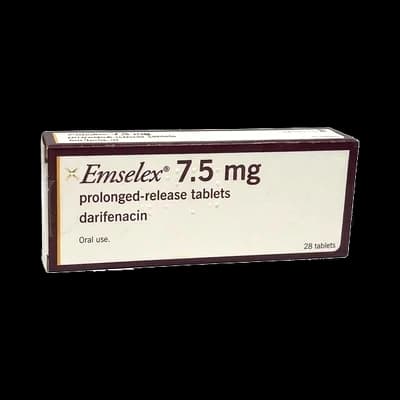
Emselex packaging which is available to order online from NowPatient with free next day delivery

Emselex

  • FREE secure consultation service
  • Fast and effective treatment
From £40.77
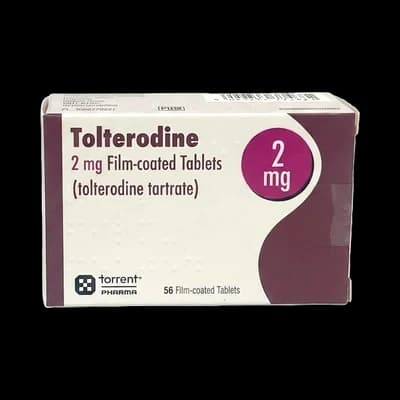
Tolterodine packaging which is available to order online from NowPatient with free next day delivery

Tolterodine

  • FREE secure consultation service
  • Fast and effective treatment
From £11.99
Yentreve packaging which is available to order online from NowPatient with free next day delivery

Yentreve

  • FREE secure consultation service
  • Fast and effective treatment
From £29.57
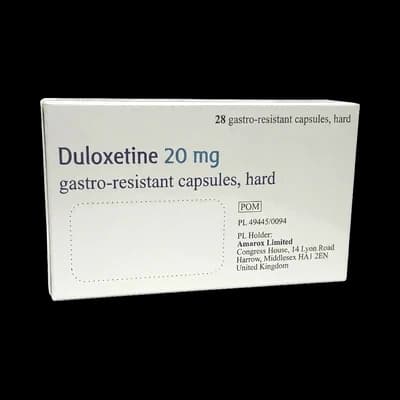
Duloxetine packaging which is available to order online from NowPatient with free next day delivery

Duloxetine

  • FREE secure consultation service
  • Fast and effective treatment
From £11.99
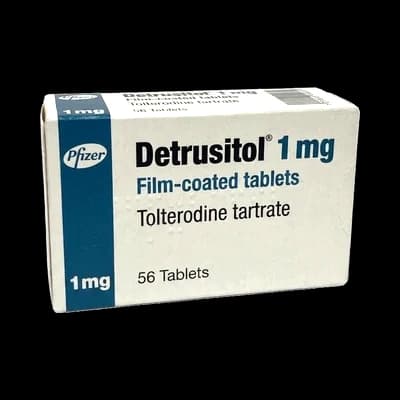
Detrusitol packaging which is available to order online from NowPatient with free next day delivery

Detrusitol

  • FREE secure consultation service
  • Fast and effective treatment
From £41.25
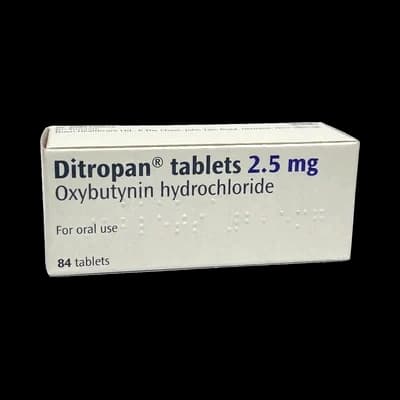
Ditropan packaging which is available to order online from NowPatient with free next day delivery

Ditropan

  • FREE secure consultation service
  • Fast and effective treatment
From £11.99
Blerone packaging which is available to order online from NowPatient with free next day delivery

Blerone

  • FREE secure consultation service
  • Fast and effective treatment
From £15.36
Betmiga packaging which is available to order online from NowPatient with free next day delivery

Betmiga

  • FREE secure consultation service
  • Fast and effective treatment
From £42.69

Safe Prescribing

Get Started With the Right Treatment for You

No need to visit a doctor or wait for an appointment. With our virtual consultation service, you can see a clinician online from the comfort of your home. Start your free assessment and get a treatment recommendation tailored to you. You only pay if medication is prescribed.

Key facts about Urinary Incontinence

Urinary Incontinence is the unintentional passing of urine. It is more common in women and the elderly. Urinary Incontinence can be distressing and can impact on an individuals quality of life and mental well-being. There are various types, such as stress, urge, overflow, functional, mixed, reflex, and total incontinence, each with its own challenges.

Here, we will take a closer look at its causes, symptoms, diagnosis, management strategies and treatment options, as well as strategies for managing daily life, when living with Urinary Incontinence.

Understanding Urinary Incontinence

To manage the condition effectively, we need to understand the various types of Urinary Incontinence:

  • Stress Incontinence (stress Urinary Incontinence):
    • This occurs when physical activities such as coughing, sneezing, or exercise put pressure on the bladder, causing involuntary urine leakage
    • Common in women, especially those who have experienced childbirth or menopause
    • Management includes pelvic floor exercises and lifestyle modifications
  • Urge Incontinence:
    • Symptoms include a sudden, intense urge to urinate followed by urine leakage, with little warning
    • Associated with conditions such as urinary tract infections or neurological disorders, which affect the bladder’s ability to hold urine
    • Treatment may include bladder training, medication, or nerve stimulation techniques to help improve bladder control
  • Overflow Incontinence:
    • Caused by the bladder’s inability to empty completely, causing constant or frequent dribbling of urine
    • Often caused by an obstruction in the bladder or urethra, or nerve damage, which can cause bladder problems
    • Catheterization or surgery may be necessary
  • Total Incontinence:
    • Continuous urine leakage or frequent uncontrolled urination
    • Caused by abnormalities in anatomy or damage to the urinary system
    • Management includes surgical interventions or special containment devices
  • Mixed incontinence:
    • When you may have both urge and stress incontinence symptoms

By understanding which type of incontinence a person has, healthcare providers can tailor treatment strategies to improve bladder control and enhance quality of life.

Causes of Urinary Incontinence

The causes of Urinary Incontinence range from physiological to lifestyle:

  • Age-related changes: Muscles supporting bladder control may weaken, and nerves that signal the need to urinate may not work as well as we age. This can cause the involuntary leakage of urine
  • Pregnancy and childbirth place extra pressure on the bladder and pelvic floor muscles, potentially causing stress incontinence. Childbirth can lead to a dropped (prolapse) pelvic floor. With prolapse, the bladder, uterus, rectum or small intestine can get pushed down into the vagina
  • A decline in estrogen during menopause can weaken the urinary tract muscles
  • Excess weight and obesity increases pressure on the bladder, and may lead to stress incontinence
  • Family history may play a role in predisposing individuals to Urinary Incontinence
  • Underlying medical conditions, such as multiple sclerosis, diabetes, an enlarged prostate gland and urinary tract infections (UTIs) can impair bladder function
  • Certain medications, such as diuretics, sedatives, and muscle relaxants, may increase the risk of Urinary Incontinence
  • Alcohol, caffeine, and certain foods can irritate the bladder, making the symptoms of Urinary Incontinence worse
  • Neural and structural damage to the bladder, sphincters, supporting structures, or pelvic floor can result in Urinary Incontinence
  • Men who have had prostate surgery may develop stress incontinence

Addressing underlying causes is critical when receiving medical advice and treatment for Urinary Incontinence.

Symptoms and diagnosis

Diagnosis includes:

  • Initial consultation to gather information about your symptoms and medical history
  • Physical exam, including a stress test, where you are asked to perform activities that typically trigger urine leakage
  • Diagnostic tests such as:
    • Urinalysis, to check for signs of infection
    • A record of your bladder activity
    • Measurements of the amount of urine left in the bladder after urination
    • Urodynamic testing, to test how well the bladder, sphincter muscles, and urethra are storing and releasing urine
    • Cystoscopy
    • Pelvic ultrasound, to check for abnormalities

These tests help to rule out other conditions that may cause Urinary Incontinence, such as urinary retention, which can lead to overflow incontinence.

Managing and treating Urinary Incontinence

Management of Urinary Incontinence involves non-invasive strategies to surgical interventions:

Lifestyle modifications and behavioural therapies:

  • Maintaining a healthy weight to reduce pressure on the bladder
  • Managing fluid intake and reducing bladder irritants like caffeine
  • Performing pelvic floor exercises, such as Kegels, to strengthen the pelvic muscles
  • Bladder training techniques to delay urination, increase bladder capacity and improve bladder control
  • Using absorbent pads or catheters to manage leaks

Pharmacological treatments:

  • Duloxetine, to boost muscle tone in the urethra
  • Antimuscarinics, such as oxybutynin to control an overactive bladder
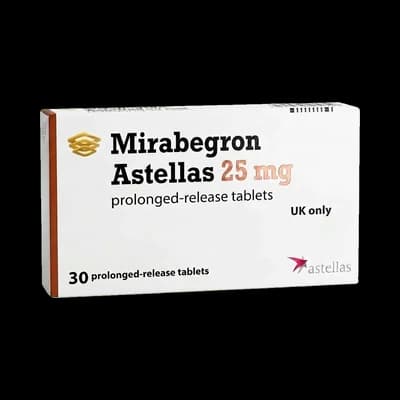
  • Mirabegron, to relax bladder muscle, enhancing its ability to store urine

Be aware, the medications listed above cause side effects.

Surgical options:

  • Colposuspension and sling procedures
  • Urethral bulking agents
  • Artificial urinary sphincter
  • Botulinum toxin A injections
  • Nerve stimulation therapies

Specialist services and support:

  • NHS continence services

A combination of lifestyle changes, medical treatments and surgery, is often necessary, depending on the type and severity of the condition, with 80% of individuals affected by Urinary Incontinence seeing improvements with these treatments.

Living with Urinary Incontinence

Here are some practical tips for day-to-day management of Urinary Incontinence:

  • Pelvic floor muscle training to strengthen the pelvic floor muscles and reduce urine leaks
  • Lifestyle changes, including weight management, dietary changes, increasing fluid intake, stopping smoking and exercise modifications
  • Being mindful of personal triggers
  • Knowing the locations of bathrooms
  • Discussing concerns with partners, family, or friends and seeking professional help if needed
  • Caregivers are encouraged to seek support, including referrals to local continence services

These strategies can significantly reduce the impact of Urinary Incontinence on daily activities. For further information consult NHS Inform for comprehensive guidance.

Conclusion

Embracing strategies such as lifestyle changes, tailored therapies, and seeking professional support can lead to significant enhancements in quality of life.

Frequently asked questions about Urinary Incontinence

What can be done to treat Urinary Incontinence?

Self-help strategies and lifestyle modifications, include:

  • Pelvic floor exercises
  • Stopping smoking
  • Exercising appropriately
  • Avoiding heavy lifting
  • Weight management
  • Addressing constipation promptly
  • Reducing caffeine and alcohol consumption

What are the different types of Urinary Incontinence?

There are 4 main types of Urinary Incontinence:

  • Urgency incontinence
  • Stress incontinence
  • Functional incontinence
  • Overflow incontinence

How can I improve my bladder control?

Performing pelvic floor muscle exercises (Kegel exercises) helps to strengthen muscles that support the bladder, helping to prevent urine leakage during activities.

Sources

Related Articles

Your health shouldn’t wait.

Consultations, prescriptions, medication delivery, health monitoring – all in one place.

What customers love about NowPatient

Wow! Excellent customer service. I submitted an email query, had a call…

Alison Hurst

I do not leave reviews, due to time and a rare condition I have. I…

Sherry M

Great experience getting the med. Clinician was very thorough.

Barbara Hill

Cannot speak highly enough of the service and assistance I have…

CJH

Very good experience - the clinician asked intelligent questions about…

Phil Daoust

Really excellent. Very thorough and professional pharmacist who guided…

Colin Glass

Excellent4.9 out of 5Trustpilot

Meet our medical team

We are a broad skilled and passionate group of clinicians with experience of operating in regulated health systems in the United Kingdom & United States. Providing excellent care and advice is at the heart of everything we do.