If you are in your 40s or 50s and feel like your body has changed despite eating and moving much the same as before, you are not alone. Many women notice weight creeping up, clothes fitting differently around the waist and a general sense that their metabolism has slowed down. At the same time, there is a swirl of conflicting advice about whether hormone replacement therapy helps, hinders or has no effect on weight at all.
This article sets out the evidence clearly, explains what is actually happening inside your body during the menopause transition and outlines what you can do about it, from hormone therapy to nutrition, movement and medical weight loss options.
Key takeaways
- Hormone replacement therapy does not directly make you lose weight, and strong evidence from NICE NG23, the British Menopause Society and Cochrane reviews shows it does not cause weight gain either.
- Most midlife weight gain and changing fat distribution around the middle are driven by age, falling oestrogen, muscle loss, slower metabolic rate, poor sleep and stress, not by HRT itself.
- HRT can indirectly support weight management by improving symptoms such as hot flushes, sleep problems, joint pain and mood swings, which makes it easier to be active and eat well.
- GLP-1 weight loss treatments (for example Wegovy and Mounjaro) are separate, medical weight loss options that can sometimes be used alongside HRT under clinical supervision. Postmenopausal women using both therapies have lost up to 16% body weight in clinical settings.
- NowPatient’s UK clinicians and GPhC-registered pharmacists can review your symptoms, medicines and goals and create a personalised plan. This article provides general information and is not a substitute for individual medical advice.
How menopause changes weight and body composition
You step on the scales and see a number that is 5 to 7 pounds higher than it was two years ago. Your jeans sit differently around your waist. You feel puffier in the morning. None of this is imagined. Women gain an average of 5 to 7 pounds during menopause, and menopausal women gain an average of 5 to 7 pounds during the transition even when food intake has not changed noticeably.
From the mid-40s onwards, women typically lose lean muscle mass and gain fat mass. The overall body weight number on the scale might stay similar for a while, but body composition shifts underneath. Menopause can cause shifts in fat storage patterns toward the abdomen; where fat once sat around hips and thighs, it migrates towards the belly and internal organs, increasing waist circumference.
A meta-analysis of 11 longitudinal studies tracking 2,472 women found that from pre- to post-menopause, body weight rose by about 1.0 kg on average, body fat percentage increased by roughly 2.9%, and waist circumference grew by around 4.6 cm. Visceral fat area rose by approximately 26.9 cm². The British Menopause Society reports that at least 50% of women notice weight gain during perimenopause and menopause.
These changes are linked to reduced insulin sensitivity, a higher risk of type 2 diabetes and cardiovascular disease. Belly fat and abdominal fat accumulation are more than cosmetic concerns; they are metabolic warning signs.

Does HRT make you gain weight? What the evidence says
The short answer: no. High-quality data, including Cochrane reviews of more than 20 randomised trials, show that menopausal hormone therapy does not cause women to gain weight. The combined HRT versus placebo effect on BMI was -0.10, with a 95% confidence interval of -0.27 to 0.07; in plain terms, no meaningful difference.










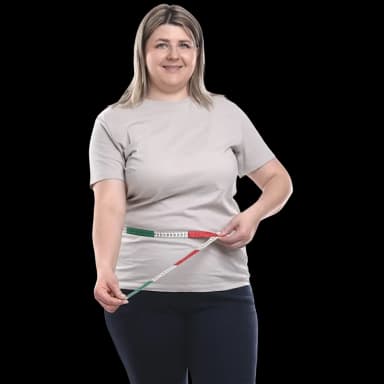








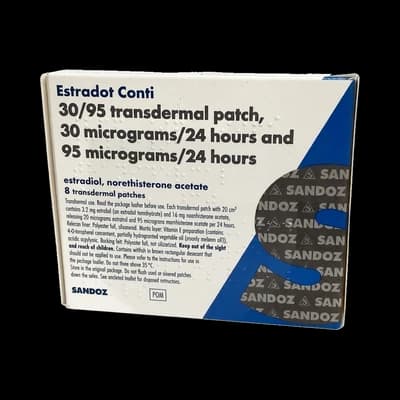

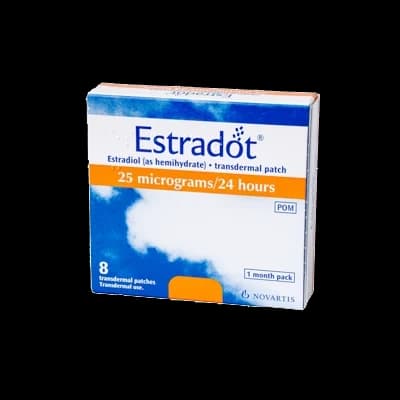
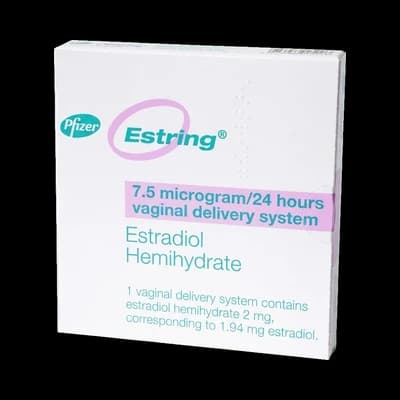
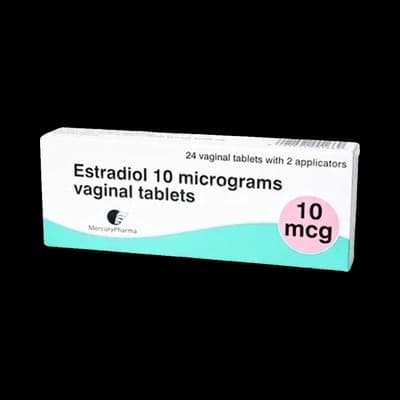

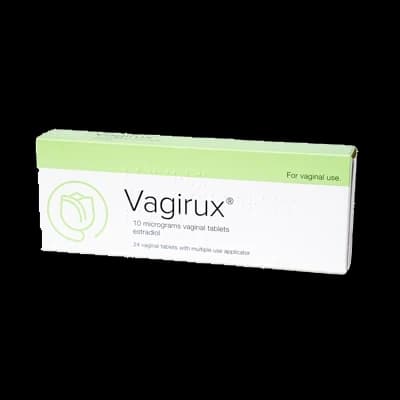
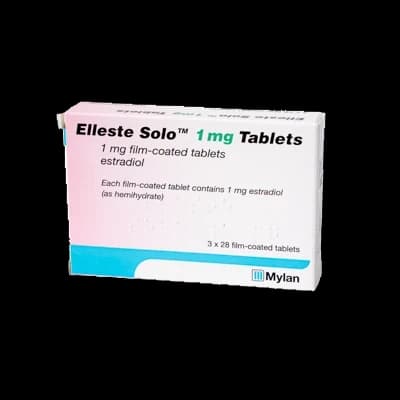
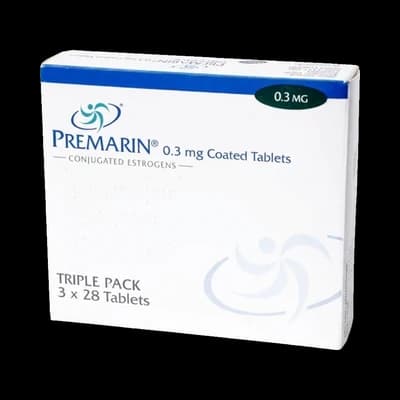
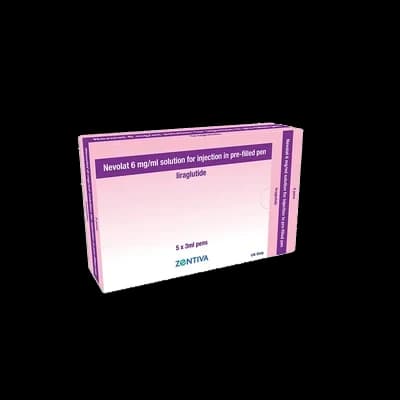
Menopause alters metabolism and body composition due to hormonal changes. Estrogen deficiency during menopause accelerates central fat accumulation, redirecting fat storage from the hips and thighs to the abdomen and around internal organs. Declining estrogen levels lead to increased abdominal fat accumulation even if your energy intake has not gone up.
A simple way to picture it: oestrogen acts like both a thermostat and a fuel-routing system. Without enough of it, your body becomes less efficient at burning stored fat, more prone to storing calories as visceral fat, and less responsive to insulin. That combination makes gaining weight easier and losing weight harder, even when you have not changed what or how much you eat.
These changes are common. They are not a personal failing, and they can be improved with a combination of HRT (where appropriate), physical activity and dietary adjustments.
Other reasons weight changes during menopause
Hormonal changes are only part of the picture. Several other factors pile up during midlife:
- Age-related muscle loss. From around age 30, adults lose roughly 3 to 8% of muscle mass per decade. Less muscle mass means a slower resting metabolic rate, so you burn fewer calories at rest.
- Poor sleep. Night sweats, urinary frequency and anxiety fragment sleep. Reduced sleep quality increases hunger hormones and sugar cravings, driving late-night snacking and higher cortisol. Sleep issues are one of the most common complaints during menopause.
- Mood and motivation. Mood changes, low energy and joint or muscle pain can make regular exercise feel harder to sustain. Many women scale back activity without realising it.
- Sedentary time. Caring responsibilities, desk work and fatigue lead to more hours sitting.
- Medications. Some antidepressants, pain medicines and corticosteroids can influence body weight independently of menopause.
- Thyroid function. Undiagnosed thyroid disorders become more common in midlife and can slow metabolism or cause fluid retention. A simple blood test can check this.
- Undiagnosed sleep apnoea. Obstructive sleep apnoea increases after menopause and is associated with weight gain and insulin resistance.
None of these factors are your fault, and most of them are treatable or manageable once identified.
What HRT can help with that indirectly supports Weight Loss
HRT can alleviate symptoms that disrupt sleep and improve energy for exercise. That indirect pathway matters more than any direct effect on the scales.
By easing hot flashes, vasomotor symptoms and night sweats, HRT can help restore more regular, deeper sleep. Better sleep quality supports appetite control and insulin sensitivity; you are less likely to reach for biscuits at 10 p.m. if you slept well the night before.
Improvements in mood, anxiety, brain fog and joint pain can increase energy and confidence to take up strength training, walking or structured exercise. Emerging research on oestrogen and metabolic flexibility found that HRT users had higher mitochondrial respiratory capacity, suggesting their muscles used fuel more efficiently.
Estrogen therapy may also improve insulin sensitivity and reduce visceral fat, which in turn supports long-term metabolic health. HRT is linked to reduced visceral fat accumulation in observational data and in the European endocrinology guidance.
These indirect benefits vary between individuals. Some women notice the change most in how their clothes fit rather than as a shift in body weight. That is a real and meaningful improvement, even if the scale does not move.
Types of HRT and whether route affects weight
The main forms of oestrogen replacement are:
| Route | Examples | Notes |
|---|---|---|
| Transdermal | Patches, gels, sprays | Absorbed through the skin; avoids first-pass liver metabolism |
| Oral | Tablets | Passes through the liver; higher VTE risk in women with BMI over 30 |
If you still have a womb, you also need a progestogen to protect the lining from endometrial cancer. Options include body-identical micronised progesterone (for example Utrogestan), synthetic progestogens or a levonorgestrel-releasing intrauterine system.
Current evidence does not show meaningful differences in body weight or body composition between transdermal and oral routes because of the route alone. The choice between bioidentical hormones and synthetic progestogens has no strong evidence favouring one over the other for weight outcomes at typical doses.
Hormone replacement therapy influences body composition and metabolic function during menopause, but the type and dose should be chosen for symptom control and safety, not weight. Testosterone in women is prescribed at much lower doses than in men and only for low sexual desire after thorough assessment; it is not prescribed for fat loss or muscle building.
NowPatient clinicians can talk through options and help choose a regimen based on your menopause symptoms, medical history and personal preferences.
Your first three months on HRT: what to expect with weight
Temporary fluid retention may occur when starting HRT but usually resolves within a few weeks. Some women notice the scales go up by 1 to 2 kg in the first one to three months. This is water, not fat gain. It often shows as puffiness in fingers or breasts rather than waistline fat.
What is normal in the first three months:
- Mild bloating or breast tenderness
- A small, temporary rise on the scales (1 to 2 kg)
- Gradual improvement in hot flashes, sleep and mood
What is worth getting checked:
- Persistent or worsening bloating after 8 to 12 weeks
- Steady, unexplained weight climbing month after month
- Heavy or prolonged vaginal bleeding
Track how your clothes fit, your energy levels and your symptoms rather than weighing body weight daily. Daily weigh-ins can be misleading and anxiety-provoking during the adjustment period.
Body weight versus body composition: why the scale can mislead
Body weight is the total of everything on you: fat, muscle, bone, water, breakfast. Body composition describes the proportions of those elements. During menopause, you can gain muscle and lose fat while overall weight stays the same, and that shift still improves health and how clothes fit.
A JAMA Network Open meta-analysis of 12 randomised trials found that HRT users lost 0.06 kg less lean body mass than non-users over about two years. The difference was not statistically conclusive, but neither study arm lost muscle because of HRT.
Simple ways to track progress without obsessing over the scale:
- Measure your waist circumference once a month with a tape measure at navel height
- Note how easily you can climb stairs or carry shopping bags
- Record how heavy a weight you can safely lift in a strength exercise
- Pay attention to how you feel day to day: energy, sleep, mood
Some body composition tools, such as DEXA scans or bioimpedance scales, can be informative but are not essential. For most women, a tape measure and a strength benchmark are enough.

How to support healthy weight during menopause
Successful weight management during menopause requires a multi-faceted approach. Lifestyle changes remain the cornerstone of healthy weight management, with or without hormone therapy.
The key pillars:
- Nutrition, with a focus on protein intake
- Resistance training and regular movement
- Sleep hygiene
- Stress management
- Moderating alcohol
Small, sustainable changes outperform extreme diets, especially when you are dealing with fluctuating menopause symptoms and energy levels. Self-compassion and realistic expectations matter. NowPatient clinicians can help prioritise which changes to start with based on where you are right now.
Nutrition for midlife Weight Loss and metabolic health
Nutrition and physical activity are essential for effective weight management during and after the menopause transition. Improving diet quality helps reduce waist circumference independently of calorie counting.
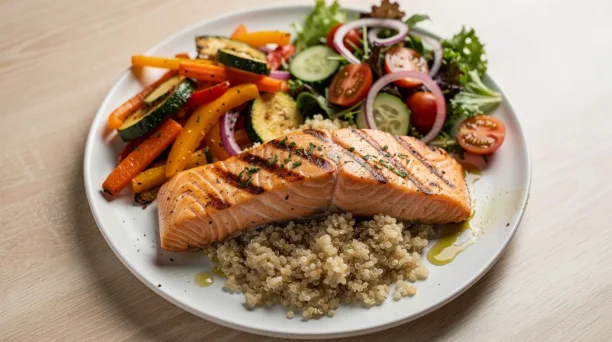
Protein first. Consume 1 to 1.5 grams of protein per kilogram of body weight spread across the day. For a 70 kg woman, that is roughly 70 to 105 g per day, or about 20 to 30 g per meal. Protein preserves muscle mass, supports satiety and stabilises blood sugar. Good sources include eggs, Greek yoghurt, chicken, fish, beans, lentils and tofu.
Fibre. Aim for 30 to 45 grams of fibre daily for better metabolic health and gut function. Vegetables, fruit, wholegrains, beans, lentils, nuts and seeds are the best sources.
Hydration. Proper hydration is about 33 mL of fluid per kilogram of body weight daily. For a 70 kg woman, that is around 2.3 litres. Water and herbal teas count; sugary drinks do not help.
Simple UK-relevant swaps:
- Porridge oats instead of sugary cereals
- Wholemeal bread instead of white
- Water or herbal tea instead of sugary soft drinks
- A handful of nuts instead of crisps
Refined carbohydrates and sugary drinks spike glucose, worsen insulin resistance and make appetite regulation harder after oestrogen decline. Flexible eating works better than perfectionism. The NHS Eatwell Guide provides detailed meal planning for UK diets.
Strength training and movement after 40
Weight management strategies during menopause should include strength training and adequate protein intake. Resistance training is one of the most effective ways to counter age-related muscle loss and support healthy body composition.
Strength training 4 to 5 times a week is recommended for optimal results, though even two sessions per week delivers measurable benefits. You do not need to join a gym or lift heavy weights to see changes; consistent, manageable routines matter more than intensity.
Accessible starting points:
- Bodyweight exercises at home (squats, press-ups against a wall, step-ups)
- Resistance bands
- Light dumbbells (2 to 5 kg)
- Pilates or yoga with a strength focus
- Supervised gym sessions if you prefer guidance
Aim for at least two sessions of strength training per week plus regular walking or low-impact cardiovascular exercise, in line with UK physical activity guidelines. If you have heart disease, joint problems or other chronic conditions, check with a clinician before starting a new programme.
Sleep, stress and their impact on body weight
Reduced sleep duration and quality increase hunger hormones, sugar cravings and fatigue. When you are running on four hours of broken sleep because of night sweats, making healthy food choices the next day is genuinely harder.
Common menopause symptoms that fragment sleep include vasomotor symptoms (hot flashes and night sweats), urinary frequency and anxiety. Poor sleep raises cortisol, which promotes fat storage around the abdomen.
Practical sleep strategies:
- Keep a regular wake time, even on weekends
- Limit caffeine after midday
- Reduce screen time in the hour before bed
- Keep the bedroom cool (around 16 to 18°C)
- Use breathable nightwear and bedding
HRT may help improve sleep by reducing vasomotor symptoms, but sometimes additional approaches are still needed. Cognitive behavioural therapy for insomnia (CBT-I) is recommended by NICE and is available through some NHS services.
Stress management for midlife:
- Short mindfulness or breathing practices (even five minutes)
- Daily outdoor walks
- Setting boundaries around work and caring roles
- Talking to friends, a counsellor or a support group
Alcohol, smoking and midlife weight gain
Alcohol provides extra calories (a large glass of wine contains roughly 230 kcal), can disrupt sleep quality and may worsen hot flashes. Collectively, these effects make it harder to lose weight.
Review your weekly alcohol intake in units and consider simple reductions: more alcohol-free days, smaller measures, or swapping to low-alcohol alternatives. The UK Chief Medical Officers’ guideline is no more than 14 units per week, spread over three or more days.
Smoking cessation is always beneficial for health, but quitting can be associated with short-term weight gain. That temporary gain can be mitigated with support and planning. NowPatient clinicians can provide or signpost to NHS stop smoking and alcohol support services without judgement.
GLP-1 weight loss treatments and menopause
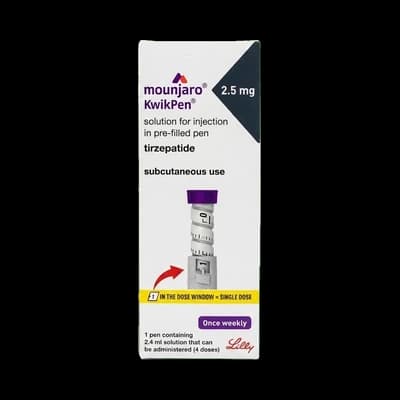
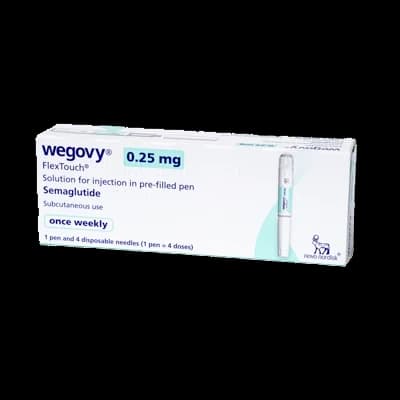
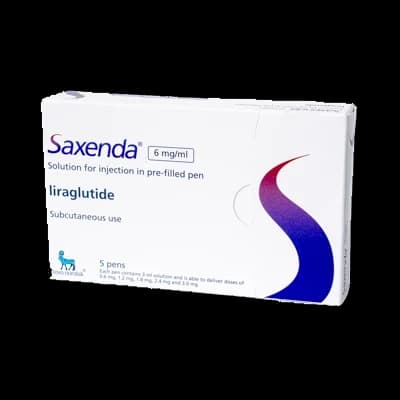
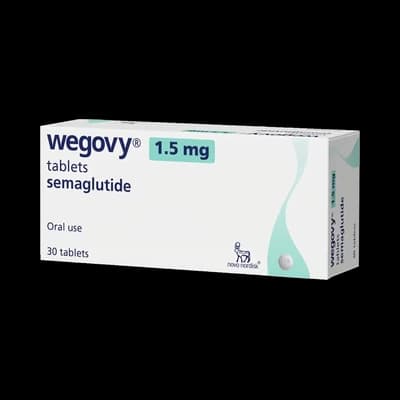
GLP-1 receptor agonists such as semaglutide and tirzepatide are prescription weight loss medications originally developed for type 2 diabetes and now used at specific doses for weight management. They work by increasing satiety, slowing stomach emptying and improving insulin sensitivity, all of which support a lower calorie intake.
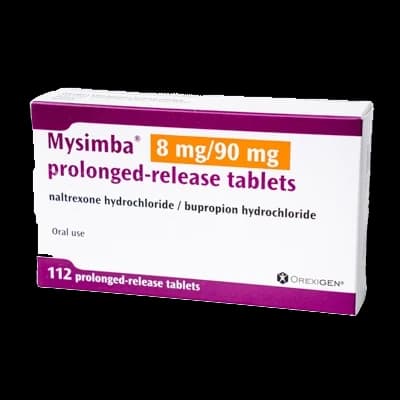
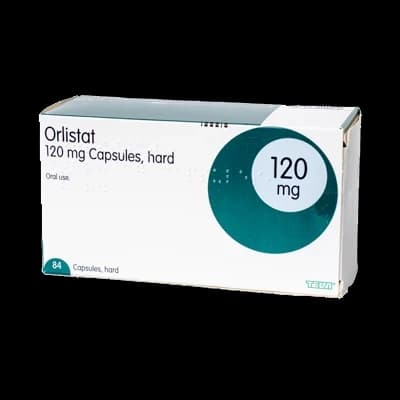
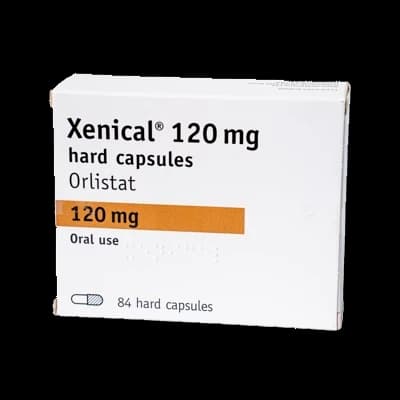
GLP-1 medications aid weight loss in women and are considered the most effective medicines currently approved in the UK for obesity by the British Menopause Society. They are not suitable for everyone. They require medical assessment and ongoing monitoring and are usually considered when lifestyle changes alone have not been enough.
Weight changes with GLP-1 therapy include loss of both fat and some muscle. Maintaining protein intake and resistance training is particularly important during treatment, especially for menopausal women who are already at risk of muscle loss. These medicines are a weight loss treatment, not a quick fix.
UK regulations do not allow promotion of specific prescription-only brands to the public. If you are interested, discuss options in detail within a clinical consultation.
Using HRT and GLP-1 together: safety and interactions
HRT combined with GLP-1 can enhance weight loss effects. In clinical settings, postmenopausal women using both therapies lost 16% body weight. Combining HRT and GLP-1 may reduce abdominal fat accumulation beyond what either achieves alone.
Current British Menopause Society advice, including April 2025 guidance, confirms that GLP-1 and hormone replacement therapy can be used together with appropriate care. HRT may improve insulin sensitivity alongside GLP-1 therapy, potentially amplifying the metabolic beneficial effects.
The key interaction to be aware of: because GLP-1 drugs slow gastric emptying, they may reduce absorption of some oral medicines, including oral progesterone. If a woman takes Utrogestan by mouth, her womb lining may not be adequately protected. Safer alternatives include:
- A levonorgestrel-releasing intrauterine system (for example Mirena)
- A combined oestrogen/progestogen patch
- Vaginal progesterone where clinically appropriate
Women usually do not need to stop either HRT or GLP-1. Instead, their prescriber may adjust the type or route of progesterone. Any changes should always be made in discussion with a GP, menopause specialist or NowPatient clinician, not by stopping or switching treatments on your own.
Who might be offered GLP-1 weight loss treatment
Typical UK eligibility criteria include a BMI in the obesity range (30 or above), or a BMI of 27 or above with weight-related health conditions such as type 2 diabetes, high blood pressure or cardiovascular disease. In some cases, lower thresholds apply for certain ethnic groups at higher metabolic risk.
Prescription decisions depend on individual risk factors, current medicines, mental health, family medical history and past weight loss attempts. A suitably qualified prescriber, such as a NowPatient clinician, makes the assessment.
GLP-1 medicines should always be combined with dietary changes, physical activity and behavioural support. They are not a quick fix. Weight can be regained if lifestyle factors are not addressed or if treatment is stopped abruptly without a plan. They are one tool that may or may not be appropriate for a given person.
Who can safely use HRT, and who may need alternatives
HRT is usually considered for women with moderate to severe menopausal symptoms, particularly those under 60 or within 10 years of their last menstrual period. This aligns with NICE NG23 recommendations and British Menopause Society guidance. The average age of menopause in the UK is 51.
HRT should be prescribed at the lowest effective dose. Situations where standard HRT may not be appropriate or may need specialist advice include:
- A personal history of breast cancer or other oestrogen-sensitive cancers
- Previous blood clots (deep vein thrombosis or pulmonary embolism) or stroke
- Active or serious liver disease
- Unexplained vaginal bleeding (nausea, vaginal bleeding or other symptoms that need investigation first)
- Uncontrolled high blood pressure
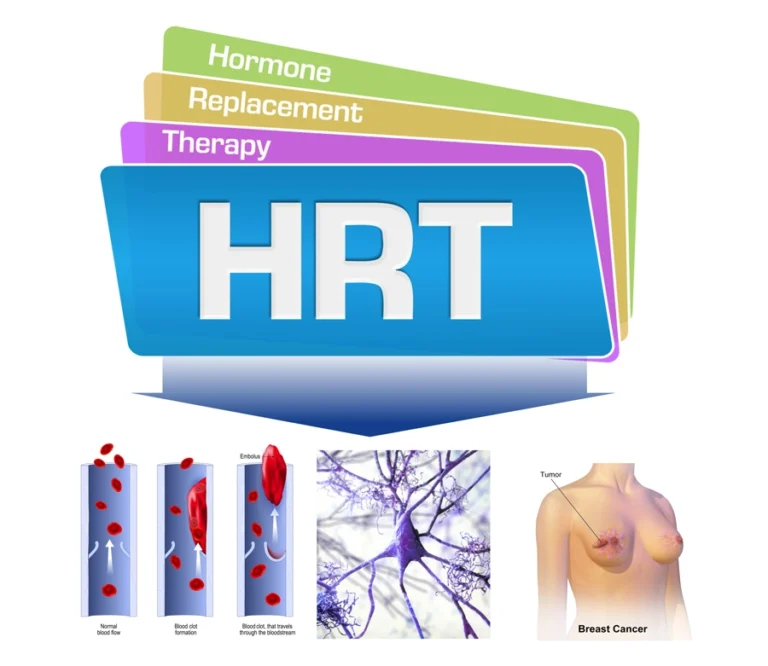
Long-term combined estrogen-progestin therapy may raise breast cancer risk, which is why regular reviews are important. HRT can increase the risk of blood clots, particularly with oral formulations in women with a BMI over 30; transdermal routes carry a lower clot risk.
The balance of benefits and risks is individual. Lower doses, non-oral routes or non-hormonal options can sometimes be considered. Decisions should take into account your personal and family history of cardiovascular disease, heart disease, osteoporosis and breast cancer. A thorough medical questionnaire and a structured consultation are the starting point.
Common side effects of HRT and what to watch for
Typical short-term side effects (often settle within 2 to 3 months):
- Breast tenderness
- Mild nausea
- Bloating and water retention
- Headaches
- Mood changes
- Irregular bleeding in the first few months
- Skin irritation from patches
Common side effects of HRT include headaches and mood changes, but many improve as the body adapts or after dose adjustments. Switching route, for example from oral to transdermal oestrogen, can resolve persistent side effects. HRT may increase the risk of stroke in some women, particularly those who start oral HRT at older ages.
Red flag symptoms that need prompt medical review:
- Heavy or persistent vaginal bleeding after the first few months
- Chest pain
- Severe, sudden headache
- Leg swelling, calf pain or sudden breathlessness (possible signs of blood clots)
Never adjust doses or stop HRT suddenly without checking with a clinician, especially if you have had a surgical menopause or are taking additional medicines.
When weight gain on HRT needs a medical check
A modest weight change of a few pounds around the time of starting HRT is common and not always related to hormones. Temporary fluid retention accounts for most early shifts on the scale.
Persistent or rapid gaining of weight, for example more than 5 to 6 kg over a few months, should prompt a review. A clinician will typically check:
- Thyroid function (a blood test for TSH and free T4)
- Fasting glucose and HbA1c
- Lipid profile
- Your medication list for drugs that promote weight gain
- Fluid retention and kidney function
- Sleep issues, including screening for sleep apnoea
Keeping a brief symptom and lifestyle diary is useful. Note sleep quality, hot flushes, appetite, food intake, activity and waist measurements alongside weight. The aim is to understand and address causes, not to blame HRT automatically or to stop a helpful treatment prematurely.
How NowPatient can support your menopause and weight journey
NowPatient is a UK online pharmacy and telehealth platform with GPhC-registered pharmacists and UK-licensed clinicians experienced in menopause care and medical weight management.
A typical consultation involves:
- Reviewing your symptoms, medical history and current medicines
- Discussing your goals around weight, wellbeing and symptom control
- Exploring options such as HRT, lifestyle support and, where appropriate, GLP-1 therapy
- Considering your family history, including any family history of breast cancer, cardiovascular disease or metabolic disease
Secure online assessments, digital prescriptions sent to a UK pharmacy and follow-up messaging to adjust treatments over time make the process straightforward. Care is individualised and evidence-based, with clear explanations of benefits, risks and alternatives before any prescription is issued.
If you would like personalised advice on hormone therapy, weight concerns or both, book a consultation with a NowPatient clinician. Your healthcare provider can help you build a plan that accounts for where you are in your woman’s life and menopause journey.
Frequently asked questions
Will I definitely put on weight during menopause even if I eat well?
Not necessarily. Many women do gain some weight or notice more belly fat during their 40s and 50s, but it is not inevitable. The SWAN study found an average gain of about 0.7 kg per year during midlife; some women gain more, some gain none. Good nutrition, regular resistance training, adequate sleep quality and symptom control (with or without HRT) improve the chances of maintaining a healthy body weight. Even if the scale does not shift, improving body composition and fitness reduces long-term risks of cardiovascular disease, type 2 diabetes and bone health problems.
Is there a “best” HRT for Weight Loss?
No particular HRT brand, dose or route has been proven to cause Weight Loss. HRT should be chosen for symptom control and safety profile. Transdermal oestrogen combined with body-identical progesterone is often preferred in the UK for cardiovascular and clotting risk reasons, not for weight reasons. Systematic reviews confirm that the effects on body weight are small and not dependent on formulation. Discuss your main menopausal symptoms, preferences and medical background with a clinician to choose the most appropriate hormone replacement.
Can I start HRT if I am already using a GLP-1 weight loss injection?
Most women can safely use both. Your prescriber will need to review your medicines, risk factors and how progesterone is delivered to protect the womb. Non-oral progesterone options are often preferred to avoid any risk of reduced absorption due to slower stomach emptying from the GLP-1. Do not adjust either treatment on your own. Book a review if you notice unexpected bleeding, persistent nausea or other side effects after adding HRT. The North American Menopause Society and the British Menopause Society both acknowledge the growing use of these treatments together.
How long should I stay on HRT if I am worried about my weight?
Most guidelines from the British Menopause Society and NICE suggest using the lowest effective dose of HRT for as long as benefits outweigh risks, with regular reviews. There is no fixed time limit driven by weight concerns. Current evidence does not show that staying on hormone therapy causes long-term weight gain compared with not taking it. Review your treatment annually with a clinician to consider symptoms, risks, lifestyle and personal preferences. Post menopausal women who continue HRT under medical supervision can reassess at each review.
What if I cannot take HRT but still want to lose weight?
Lifestyle measures remain the cornerstone: prioritise protein intake, resistance training, sleep and stress management. Structured medical Weight Loss support and, in some cases, GLP-1 therapy or other weight loss medications may still be options even if HRT is not suitable due to chronic conditions, hormone levels or contraindications. Non-hormonal treatments can help with hot flashes, mood and sleep issues, indirectly supporting weight management efforts. Animal studies and clinical trials continue to explore new non-hormonal approaches. Book a consultation with a NowPatient clinician to explore safe alternatives tailored to your specific health situation.