Glucagon-like Peptide-1 (GLP-1) is a hormonal agent that not only regulates blood sugar levels by causing the release of insulin , but also has an impact on body weight by reducing apetite, making it a unique and important medication for the treatment of type 2 diabetes and obesity. Here, we will take a closer look at GLP-1 and its mechanism of action and therapeutic uses.
Understanding GLP-1
Glucagon-like peptide-1 (GLP-1) is central to the metabolism of glucose in the body. It originates from the proglucagon peptide and is mainly released by the intestinal L-cells after meals. It contains 30 or 31 amino acids and helps to regulate glucose concentrations in the body, as well as having an effect on the release of insulin, gastric emptying, and your appetite.
What is GLP-1?
Alongside glucose-dependent insulinotropic peptide (GIP), GLP-1 is an incretin hormone that enhances insulin secretion in a glucose-dependent manner. This action reduces blood glucose levels after meals. GLP-1 also helps prevent glucagon secretion, which would otherwise increase blood glucose levels, and slows gastric emptying, which helps to manage postprandial glucose levels. Glucagon-like peptide-1 receptor agonists gained FDA approval to treat diabetes and obesity in the 2000s.
Endogenous GLP-1 is broken down rapidly by dipeptidyl peptidase-4 (DPP-4), thus giving it a half-life of a few minutes. To overcome this, GLP-1 receptor agonists and DPP-4 inhibitors have been developed to increase GLP-1 activity.
Biological functions of GLP-1
GLP-1 and insulin secretion
GLP-1 affects the metabolism of glucose by stimulating the secretion of insulin in a glucose-dependent manner and preventing the release of glucagon.
This dual action helps to maintain optimal blood glucose levels, especially after meals. GLP-1 also increases the number of beta-cells and inhibits cell death, which in combination improves beta-cell survival and function.
Effects on appetite and food Intake
GLP-1 also affects appetite and food intake, which together has a significant impact on weight management. GLP-1’s delay gastric emptying which contributes to a prolonged feeling of fullness and therefore a delay in food ingestion. GLP-1 receptors in the brain also help regulate appetite, further enhancing its role in weight loss.
Cardiovascular and neuroprotective roles
GLP-1 also has significant cardiovascular and neuroprotective effects. It supports heart function by promoting myocardial glucose uptake and utilization, the reduction of oxidative stress, and the inhibition of apoptosis in cardiomyocytes.
GLP-1 also promotes vasodilation (relaxation of blood vessels) by stimulating the production of nitric oxide. This improves blood flow. GLP-1 also reduces inflammation and stimulates nerve growth, offering benefits for the treatment of neurodegenerative conditions.
Therapeutic uses of GLP-1
GLP-1 in diabetes treatment
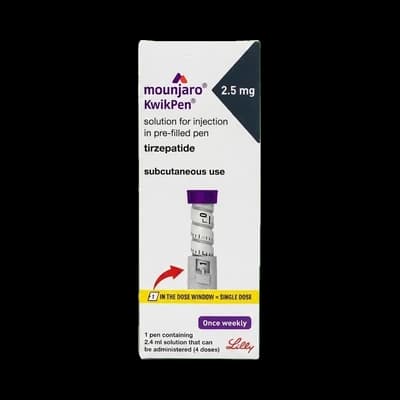
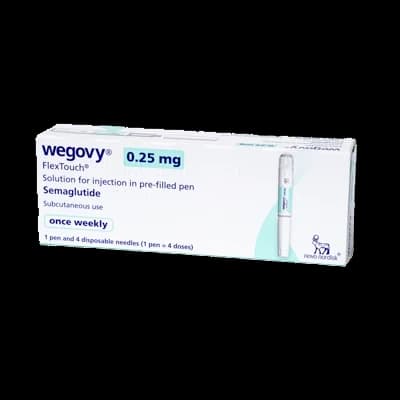
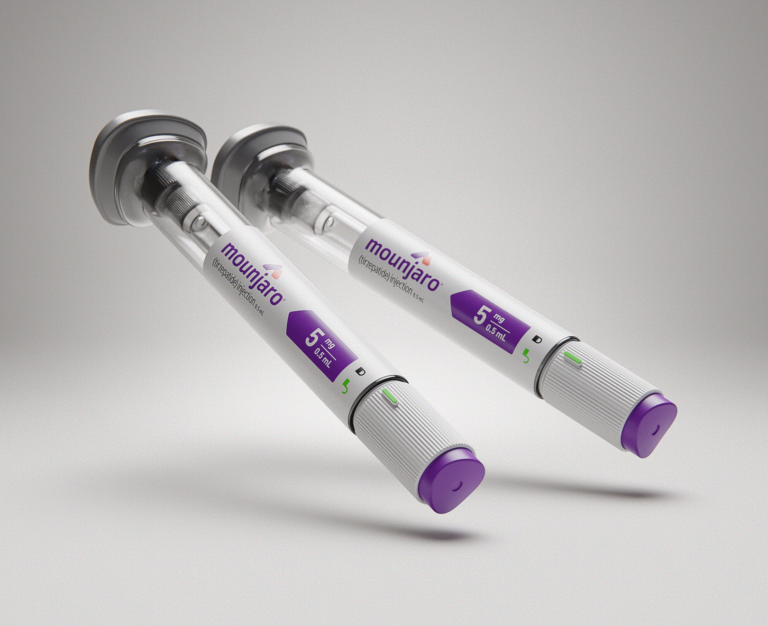
GLP-1 receptor agonists by providing effective glycemic control and cardiovascular benefits have transformed the management of Type 2 Diabetes. They not only reduce blood glucose levels, but also enhance the secretion of insulin in a glucose-dependent manner, significantly impacting the overall management of diabetes. Medications such as tirzepatide and semaglutide have been shown to achieve weight management goals more effectively in patients than traditional treatments such as metformin or sulfonylureas.
GLP-1 and obesity management
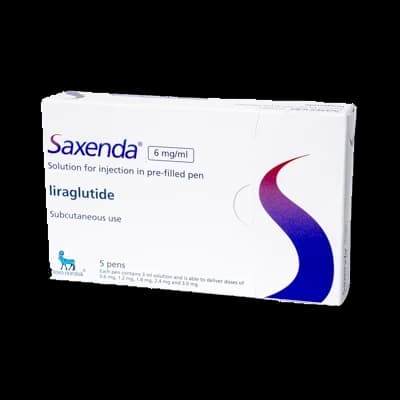
The role of GLP-1 in the management of obesity is significant. GLP-1 analogs such as dulaglutide, liraglutide are approved in the U.S. and Europe alongside a reduced-calorie diet and increased physical activity. Clinical studies have shown that GLP-1 receptor agonists cause significant weight loss, from 6.0 to 8.8 kg, by creating a feeling of fullness and reducing appetite.
Other potential applications
GLP-1 receptor agonists beyond diabetes and weight management, are also being explored for their potential in the treatment of other health issues such as fatty liver and cardiovascular diseases. The inhibition of certain enzymes involved in the production of cholesterol by GLPs suggests a cardioprotective role, with the potential to reduce the formation of plaque. GLP’s are also being studied for their effects on cognitive impairment and neurological problems, and their ability to offer a broader range of therapeutic applications.
Mechanisms of GLP-1 action
Mechanism of action in glucose regulation
GLP-1 is secreted by L cells in the gastrointestinal tract in response to meals, initiating a series of effects that regulate blood glucose levels. The hormone enhances insulin secretion and inhibits the release of glucagon by binding to GLP-1 receptors on pancreatic cells. GLP-1 also influences the metabolism of glucose by delaying gastric emptying and reducing the production of hepatic glucose to moderate postprandial glucose spikes.
Impact on central nervous system
The brain contains GLP-1 receptors, particularly in areas involved in appetite and glucose regulation. GLP crosses the blood-brain barrier, acting on these receptors to modulate appetite and satiety. This is vital for its role in reducing food intake and influencing reward-related behaviors that contribute to its effects on weight management.
Influences on gastrointestinal motility
GLP-1 slows gastrointestinal motility and inhibits postprandial acid secretion, contributing to a reduced rate of nutrient absorption. This action not only affects glucose levels but also aids in weight management by extending periods of satiety and reducing overall caloric intake.
What are the side effects of GLP-1 agonists?
The most common side effects of GLP-1 agonists include:
- Loss of appetite
- Nausea
- Vomiting
- Diarrhea
Other side effects can include:
- Dizziness
- Increased heart rate
- Infections
- Headaches
- Indigestion
Severe, but rare side effects include:
- Pancreatitis (inflammation of the pancreas)
- Medullary thyroid cancer
- Acute kidney injury
- Worsening diabetes-related retinopathy
What are the risks or complications of GLP-1 agonists?
Risks include:
- Allergic reactions
- Use during pregnancy
- Low blood sugar (hypoglycemia)
GLP-1 agonists and allergic reactions
Some people form antibodies to GLP-1 agonists, particularly with exenatide, causing issues with the effectiveness of the medication. It can also cause allergic reactions at the injection site or potentially anaphylaxis.
Conclusion
We’ve delved into the role of GLPs in metabolism, their impact on blood sugar regulation, appetite control, and weight management. Not only have we discussed its biological functions and mechanisms, but also its therapeutic uses in treating conditions like type 2 diabetes and obesity. Harnessing GLP-1s, gives us the potential to significantly advance treatment approaches and enhance diabetic patient outcomes in the management of diabetes and obesity.
About NowPatient's Editorial Process
- Written by clinical authors
- Reviewed every 2 years
- Conflicts of interest declared
NowPatient's medical content is selected by a panel of practising clinicians (pharmacists, doctors and allied healthcare professionals) and researched by an in-house team of writers who all hold scientific or clinical backgrounds. Sponsorship and conflicts of interest are openly declared.
Every article is peer-reviewed by a clinician for clinical accuracy, evidence base and accessibility, including consideration of the particular characteristics set out in the UK Equality Act 2010. Only then is it released for publication against fixed placement guidelines.
All content is cycle reviewed (typically every two years) and updated sooner if evidence, guidelines or a complaint require it. Changes follow a formal change control procedure and are reflected in the "last updated" date on each article. NowPatient is governed by MiHealth; UK pharmacy services are provided by MiHealth Pharmacy (GPhC 1036487).
Related articles
What role does GLP-1 play in weight management?
GLP-1 medications help to reduce appetite by slowing down the movement of food from the stomach to the small intestine, making you feel fuller for a longer, potentially leading to a decrease in food intake and aiding in weight loss.
How does semaglutide relate to <a href="https://nowpatient.com/blog/do-glp-1-injections-like-ozempic-slow-down-the-progression-of-dementia">GLP-1 and medications like Ozempic</a>?
What are the medical uses of GLP-1 peptides?
GLP-1 agonists are primarily used for the management of type 2 diabetes mellitus and obesity. They belong to a larger category of medications aimed at treating these conditions by influencing the body’s endocrine responses.
Is it possible to purchase GLP-1 medications without a prescription?
No. GLP-1 medications require a prescription and should only be used under the guidance of a healthcare provider due to the potential for side effects. They are not available over the counter.