Vaginal yeast infections are a common occurrence, affecting up to 75% of women at some point in their lives. While various factors can contribute to the development of these infections, one question that often arises is whether birth control methods can increase the risk. This article will take a closer look at the potential connection between birth control and yeast infections, giving you insights from medical experts and evidence-based research.
Understanding yeast infections
A yeast infection is a fungal infection that occurs when there is an overgrowth of a naturally occurring yeast called Candida albicans in the vagina. This can lead to symptoms such as vaginal itching, soreness, burning, redness and swelling of the vulva and vagina and a thick, white, cottage cheese-like vaginal discharge. Yeast infections are not classed as sexually transmitted infections, but can be influenced by various factors, such as hormonal changes, antibiotic use, and underlying medical conditions.
The role of estrogen in yeast infections
An increase in estrogen levels is one of the key factors that can contribute to the development of yeast infections. Estrogen can stimulate the vagina to produce more glycogen, a type of sugar that provides a food source for the Candida fungus, leading to overgrowth.
Birth control methods and yeast infections
The connection between type of birth control and yeast infections is complex, as different methods can have different effects on the vaginal environment.
Oral contraceptives
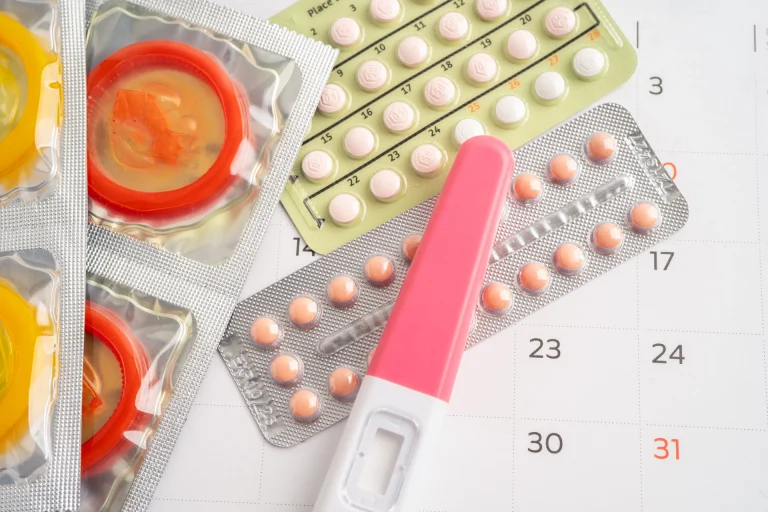
Oral contraceptives, commonly known as hormonal birth control pills, contain synthetic estrogen and progestin. Progestin is a synthetic version of progesterone. The increased estrogen levels associated with some birth control pills may increase the risk of yeast infections in some women. However, the link is not definitive, and individual responses can vary.
Hormonal IUDs
Hormonal intrauterine devices (IUDs), such as Mirena or Kyleena, release a small amount of progestin into the uterus. While these devices do not directly increase estrogen levels, the hormonal changes they cause can disrupt the balance of the vaginal ecosystem, making some women more prone to yeast infections.
Vaginal rings
Vaginal rings, like the NuvaRing, release a combination of estrogen and progestin directly into the vaginal area. This localised hormonal exposure may increase the risk of yeast infections in some women.
Contraceptive patches
Contraceptive patches, such as Ortho Evra, deliver a continuous dose of estrogen and progestin through the skin. As with oral contraceptives, the increased estrogen levels associated with these patches may increase the likelihood of yeast infections in some individuals.
Factors that influence yeast infection risk
While birth control methods can play a role in the development of yeast infections, other risk factors can also contribute to the problem. These include:
Antibiotic use
Antibiotics can disrupt the balance of bacteria in the vagina, allowing Candida to overgrow and cause an infection.
Diabetes
Individuals with poorly controlled diabetes have a higher risk of developing yeast infections due to the increased blood sugar levels in the body.
Weakened immune system
Conditions or medications that weaken the immune system, such as HIV/AIDS or corticosteroid therapy, can increase the risk of recurrent yeast infections.
Pregnancy
Hormonal changes during pregnancy can lead to an increased risk of yeast infections, as the elevated estrogen levels can promote Candida growth.
Preventing and managing yeast infections
To reduce the risk of yeast infections, whether or not you use birth control, it’s important to maintain good vaginal hygiene. This includes:
- Wearing breathable, cotton underwear
- Avoiding tight-fitting clothing
- Practicing proper wiping techniques (front to back)
- Limiting the use of scented soap products in the genital area
- Avoiding douching, which can disrupt the natural vaginal flora

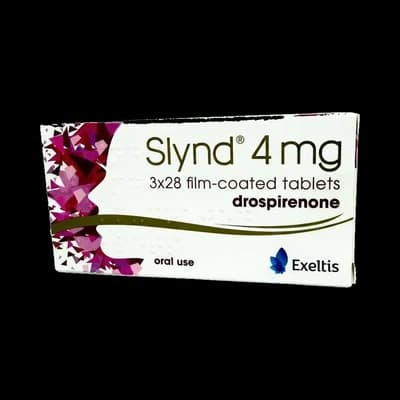
Slynd
From £35.99
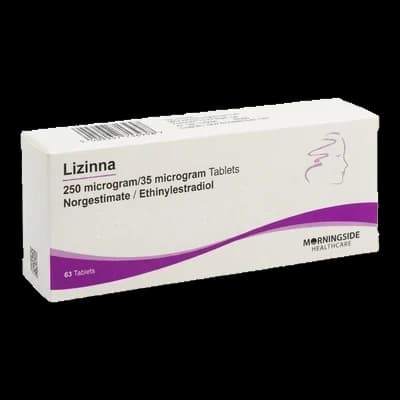
Lizinna
From £40.35
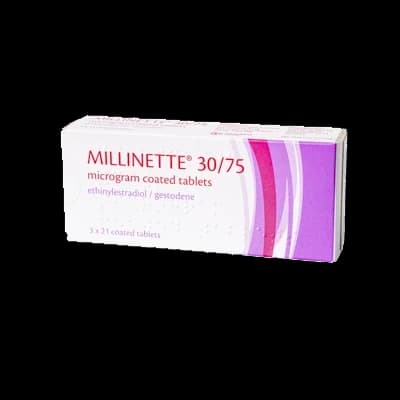
Millinette 30/75
From £23.84
Yasmin
From £40.34
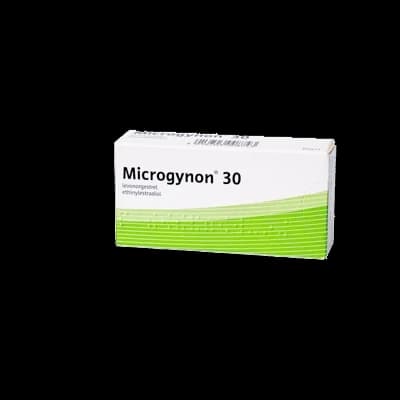
Microgynon 30
From £20.85
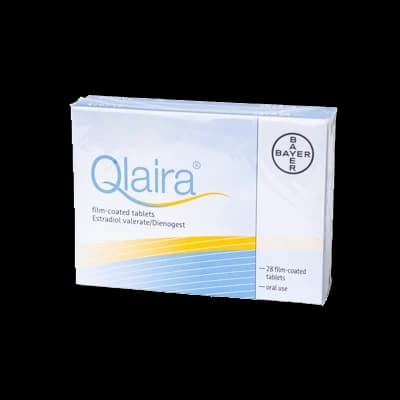
Qlaira
From £58.34
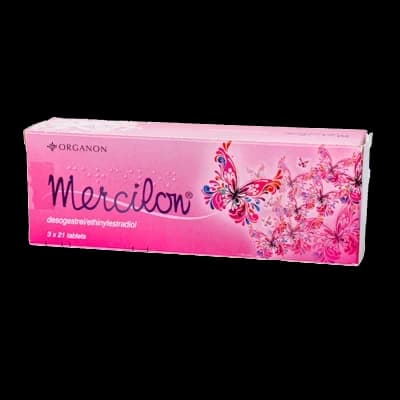
Mercilon
From £34.34
Gedarel 20/150
From £26.84
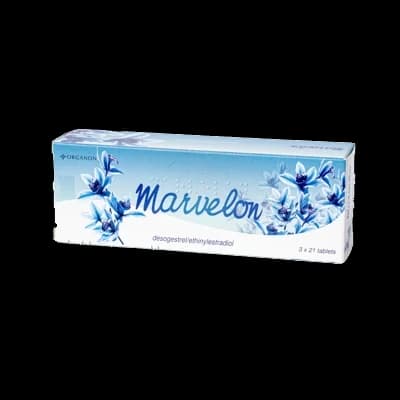
Marvelon
From £29.84
Gedarel 30/150
From £22.35
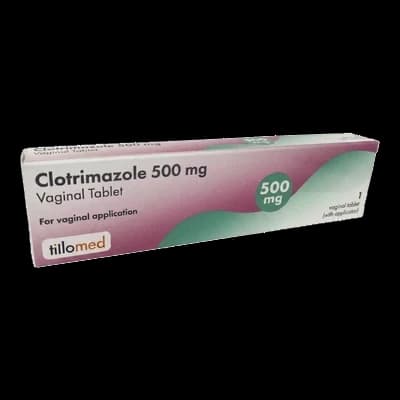
Clotrimazole Pessary
From £21.65
Canesten
From £11.09
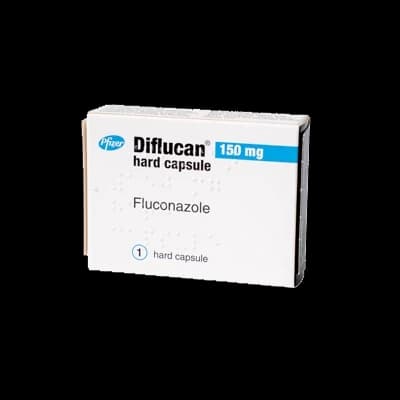
Diflucan
From £17.99
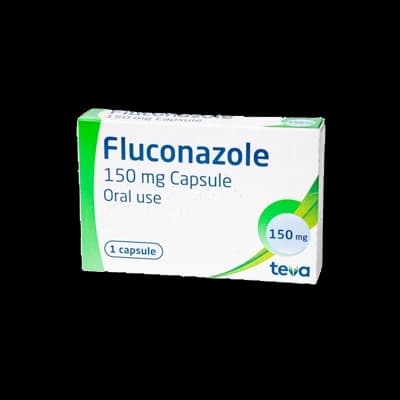
Fluconazole
From £8.83If you develop a yeast infection, over-the-counter antifungal medications such as antifungal creams and vaginal suppositories can effectively treat the infection. Clotrimazole and miconazole are antifungals that are commonly used, but consult with a healthcare professional for medical advice, especially if you have recurrent infections or are pregnant, nursing, or have a weakened immune system.
Addressing recurrent yeast infections
For some women, yeast infections can become a recurring problem, with four or more episodes within 12 months. This condition, known as recurrent vulvovaginal candidiasis, may require a more comprehensive treatment approach:
- Longer courses of antifungal medication
- Maintenance therapy to prevent future infections
- Evaluation for underlying medical conditions
- Consideration of switching birth control methods to lower hormonal level methods
In cases of recurrent vulvovaginal candidiasis, it’s crucial to work closely with a healthcare provider to find the root cause and develop a management plan.
Conclusion
The relationship between birth control and yeast infections is complex. While some birth control options, such as those containing higher levels of estrogen, may increase the risk of yeast infections, other factors, such as antibiotic use, diabetes, and a weakened immune system, can also play a major role.
To maintain a healthy vaginal environment and reduce the risk of yeast infections, it’s important to practice good hygiene, consider the impact of your birth control method, and work closely with a healthcare professional, especially if you experience recurrent infections.
Key takeaways
- Vaginal yeast infections are a common occurrence, affecting up to 75% of women
- Increased estrogen levels, associated with some birth control methods, can contribute to the development of yeast infections by providing a food source for the Candida fungus
- Birth control methods like oral contraceptives, hormonal IUDs, vaginal rings, spermicides, condoms, diaphragms, and vaginal sponges and contraceptive patches may all increase the risk of yeast overgrowth in some women
- Other factors, such as antibiotic use, diabetes, and a weakened immune system, can also play a role in the development of yeast infections
- Recurrent yeast infections may require a comprehensive treatment approach, including longer courses of antifungal medication, maintenance therapy, and evaluation for underlying medical conditions
Sources
About NowPatient's Editorial Process
- Written by clinical authors
- Reviewed every 2 years
- Conflicts of interest declared
NowPatient's medical content is selected by a panel of practising clinicians (pharmacists, doctors and allied healthcare professionals) and researched by an in-house team of writers who all hold scientific or clinical backgrounds. Sponsorship and conflicts of interest are openly declared.
Every article is peer-reviewed by a clinician for clinical accuracy, evidence base and accessibility, including consideration of the particular characteristics set out in the UK Equality Act 2010. Only then is it released for publication against fixed placement guidelines.
All content is cycle reviewed (typically every two years) and updated sooner if evidence, guidelines or a complaint require it. Changes follow a formal change control procedure and are reflected in the "last updated" date on each article. NowPatient is governed by MiHealth; UK pharmacy services are provided by MiHealth Pharmacy (GPhC 1036487).