Buy Promethazine online with free consultation & prescription
Book a quick face-to-face video consultation with a UK certified prescribing pharmacist, nurse, or doctor. If approved, your Promethazine will be prescribed* and delivered straight to your door with next working day tracked delivery†. Avoid GP waiting lists. No delays. Just expert care.
Promethazine is indicated for the treatment of Motion Sickness.
*Includes Free Private Prescription & Consultation.
†Applies to UK only.
Manufactured by Sanofi.
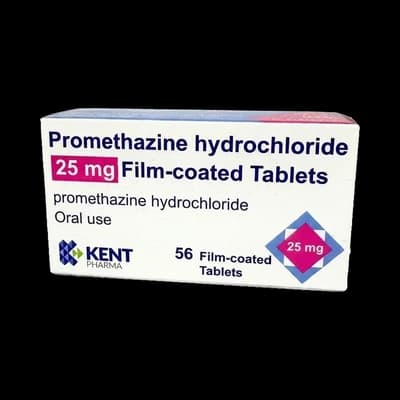

Promethazine doses and pack sizes
Promethazine
Promethazine doses and pack sizes
*Your clinician will recommend the right strength and quantity for you during the consultation.
Treatment£46.82
Shipping£5.94
Total if approved£52.76
How it works
Similar treatments
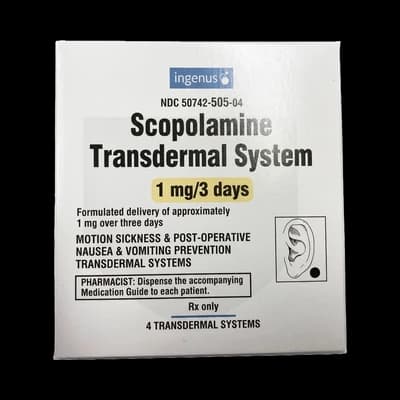
Promethazine alternatives



Order online
Promethazine prices
| Brand/Generic | Form | Dosage | Quantity | Price | Delivery Cost | Consultation Cost |
|---|---|---|---|---|---|---|
| PromethazineGeneric | Tablets | 25mg | 56 | £46.82 | £0.00*(with Core+ Plan) | £0.00 |
FAQs
Answers to popular questions about Promethazine
What is Promethazine?
Promethazine is a first-generation (sedating) antihistamine belonging to the phenothiazine class. It is available as promethazine hydrochloride in brands such as Phenergan. Promethazine is a versatile medication used for allergies, hay fever, hives, motion sickness, nausea and vomiting, and as a short-term sedative for sleep difficulties. It is available as tablets (10 mg and 25 mg), oral solution (elixir), and injection. Promethazine is available both over the counter and on prescription in the UK, depending on the indication and formulation.
What is Promethazine used for?
Promethazine has multiple uses in the UK. It is commonly used for: allergic conditions including hay fever, urticaria (hives), and allergic rhinitis; prevention and treatment of motion sickness and nausea; short-term management of insomnia in adults; sedation and anxiety before procedures (premedication); and itching from eczema or other skin conditions. It is also used in emergency medicine as an adjunct in anaphylaxis and is sometimes used off-label for hyperemesis gravidarum in pregnancy under medical supervision.
How does Promethazine work?
Promethazine works by blocking histamine H1 receptors throughout the body, which reduces allergic symptoms such as itching, sneezing, and runny nose. It also blocks muscarinic acetylcholine receptors, contributing to its anti-sickness and drying effects. Additionally, Promethazine blocks dopamine receptors in the brain’s chemoreceptor trigger zone, enhancing its anti-nausea properties. Its ability to cross the blood–brain barrier produces the characteristic sedation, making it useful as a sleep aid but also causing drowsiness as a side effect.
What is the usual dose of Promethazine?
The dose depends on what Promethazine is being used for. For allergies: adults take 10–25 mg at bedtime, or 10 mg two to three times daily. For motion sickness prevention: 20–25 mg the night before travel, then 25 mg the following evening if needed. For short-term insomnia: 25–50 mg at bedtime (adults only, for 7–14 nights maximum). For nausea and vomiting: 25 mg at bedtime, then 12.5–25 mg every 4–6 hours if required. Children’s doses are lower and depend on age and weight — always follow prescriber’s instructions.
Can Promethazine be given to children?
Yes, but only in children aged 2 years and over. Promethazine must NOT be given to children under 2 years due to the risk of respiratory depression and sudden infant death. For children aged 2–5 years, the typical dose for allergies is 5 mg twice daily or 5–15 mg at night. For children aged 5–10 years, 10 mg twice daily or 10–25 mg at night. Promethazine is not recommended as a sleep aid for children. Always use the measuring syringe or spoon provided with the liquid formulation for accurate dosing.
What are the common side effects of Promethazine?
Common side effects of Promethazine include drowsiness (often significant), dry mouth, blurred vision, dizziness, and difficulty concentrating. Gastrointestinal effects such as constipation, nausea, and stomach discomfort may occur. Nightmares, restlessness, and irritability can happen, particularly in children and the elderly. Photosensitivity (increased sun sensitivity) is possible with prolonged use. Thickening of bronchial secretions can worsen symptoms in people with asthma or chronic bronchitis. Most side effects are dose-related and resolve when the medication is stopped.
Does Promethazine affect driving?
Yes, Promethazine significantly impairs alertness and reaction time. You should not drive, cycle, or operate machinery until you know how Promethazine affects you. The sedative effects can persist for several hours and may still be present the morning after an evening dose. The combination of Promethazine with alcohol or other sedating drugs further impairs driving ability. If you need a non-sedating antihistamine for allergies that is less likely to affect driving, consider second-generation options such as cetirizine, loratadine, or fexofenadine.
What drugs interact with Promethazine?
Promethazine has numerous interactions. Alcohol and CNS depressants (benzodiazepines, opioids, gabapentin, pregabalin) cause enhanced sedation. Anticholinergic drugs (tricyclic antidepressants, oxybutynin, tolterodine) increase dry mouth, constipation, and urinary retention risk. Promethazine may reduce the effectiveness of levodopa in Parkinson’s disease. It can prolong the QT interval and should be used cautiously with other QT-prolonging drugs. It may mask ototoxicity from aminoglycoside antibiotics and interfere with skin allergy testing.
Can I buy Promethazine without a prescription?
Some Promethazine products are available over the counter in the UK. Phenergan Night Time (25 mg tablets) for short-term insomnia in adults and Phenergan Elixir (for allergy relief) can be purchased from pharmacies after a discussion with the pharmacist. Higher doses or injectable forms require a prescription. You can also obtain Promethazine through your GP or online services like NowPatient with a valid prescription.
Is Promethazine safe in pregnancy?
Promethazine has been widely used in pregnancy and is generally considered one of the safer antihistamines for pregnant women. It is sometimes used to manage severe morning sickness (hyperemesis gravidarum). NICE and the RCOG include promethazine among the treatment options for nausea and vomiting in pregnancy. However, it should be used at the lowest effective dose and for the shortest duration. Avoid use near delivery as it may sedate the newborn. Always consult your doctor or midwife before taking Promethazine during pregnancy.
Related articles

Your health shouldn’t wait.
Consultations, prescriptions, medication delivery, health monitoring – all in one place.

Rated excellent on Trustpilot
Wow! Excellent customer service. I submitted an email query, had a call…
Alison Hurst
I do not leave reviews, due to time and a rare condition I have. I…
Sherry M
Great experience getting the med. Clinician was very thorough.
Barbara Hill
Cannot speak highly enough of the service and assistance I have…
CJH
Very good experience - the clinician asked intelligent questions about…
Phil Daoust
Really excellent. Very thorough and professional pharmacist who guided…
Colin Glass
Meet our medical team
We are a broad skilled and passionate group of clinicians with experience of operating in regulated health systems in the United Kingdom & United States. Providing excellent care and advice is at the heart of everything we do.