Menopause is a natural phase in a woman’s life when her menstrual periods cease, typically occurring between the ages of 45 and 55. One of the most common and bothersome symptoms of menopause is vasomotor symptoms (VMS), which include hot flashes and night sweats. These symptoms can be disruptive, affecting a woman’s daily activities, sleep, and overall quality of life. For decades, there have been limited safe and effective treatment options for managing VMS. Hormone replacement therapy (HRT) has been the most effective treatment, but it may not be suitable for all women due to various contraindications. However, a breakthrough treatment called Veoza, also known as fezolinetant, has recently been approved by regulatory authorities in the United States and the United Kingdom.
Understanding Vasomotor Symptoms and their Impact
Vasomotor symptoms, commonly referred to as hot flashes or hot flushes, are characterized by sudden and intense feelings of heat, often accompanied by sweating and flushing of the face, neck, and chest. These common symptoms of menopause can last for several minutes and occur multiple times throughout the day and night. Hot flashes are experienced by approximately 70% of women going through menopause and can significantly impact daily life. They can disrupt sleep, cause discomfort, and affect mood and cognitive function.
Introducing Veoza: A First-in-Class Treatment Option
Veoza, also known by its generic name fezolinetant, is a groundbreaking new drug approved by the U.S. Food and Drug Administration (FDA) and the Medicines and Healthcare Products Regulatory Agency (MHRA) in the UK for the treatment of moderate to severe vasomotor symptoms associated with menopause. It is the first non-hormonal neurokinin 3 (NK3) receptor antagonist to receive regulatory approval for this indication.
The approval of Veoza marks a significant milestone in women’s health, offering a new non-hormonal treatment option for those who experience bothersome hot flashes and night sweats during the menopausal transition. Unlike hormone replacement therapy, which involves the use of estrogen and progesterone, Veoza acts directly on the brain’s temperature control centre and reduces the frequency and severity of hot flashes.
How Veoza Works: Targeting the Root Cause of Hot Flashes
Before menopause, there is a delicate balance between estrogens, hormones produced by the ovaries, and neurokinin B (NKB), a brain chemical. This balance regulates the body’s temperature control centre located in a specific area of the brain. However, as the body goes through menopause, estrogen levels decline, and this balance is disrupted. This hormonal imbalance can lead to the uncomfortable and disruptive symptoms of hot flashes for menopausal women.
Veoza works by blocking the activity of the NK3 receptor in the temperature control centre of the brain. By doing so, it helps restore the balance between estrogens and NKB, thereby reducing the frequency and intensity of hot flashes. This unique mechanism of action makes Veoza a promising and effective treatment for menopausal vasomotor symptoms.
Clinical Trials and Efficacy of Veoza
The approval of Veoza was supported by extensive clinical trials, including three phase 3 studies collectively enrolling over 3,000 participants across the United States, Canada, and Europe. The pivotal trials, known as SKYLIGHT 1™ and SKYLIGHT 2™, demonstrated the efficacy and safety of fezolinetant in reducing the frequency and severity of hot flashes in women with moderate to severe symptoms.
In these trials, women who received Veoza experienced a significant reduction in the frequency of hot flashes compared to those who received a placebo. After 12 weeks of treatment, Veoza reduced hot flash frequency by approximately 60% compared to a 45% reduction in the placebo group. Additionally, women reported improvements in the severity of hot flashes and the quality of their sleep.
The long-term safety profile of Veoza was further characterized in the SKYLIGHT 4™ study, a 52-week safety trial. The study demonstrated that Veoza was generally well-tolerated, with the most common side effects being abdominal pain, diarrhoea, difficulty sleeping, back pain, hot flashes, and elevated liver transaminases.
Safety Considerations and Precautions
While Veoza offers a promising treatment option for menopausal vasomotor symptoms, there are certain precautions and contraindications to be aware of. Before starting Veoza, it is essential to discuss your medical history, including any liver or kidney problems, with your healthcare provider. Veoza is not recommended for individuals with severe liver impairment, severe renal impairment, or end-stage renal disease. Regular liver function monitoring is advised during treatment.

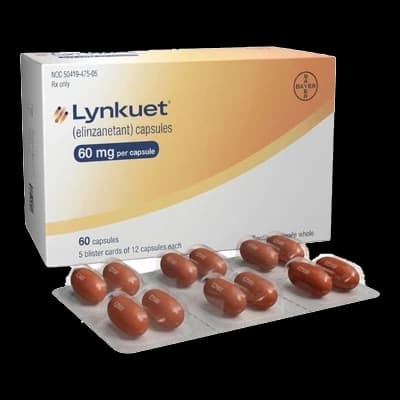
Lynkuet
From £164.99
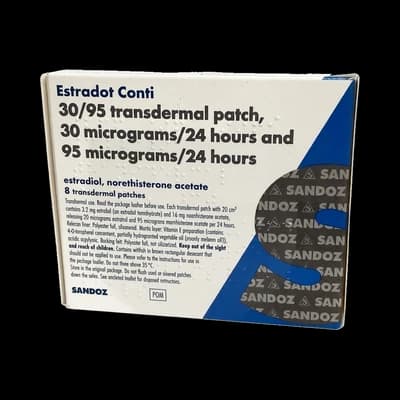
Estradot Conti
From £37.11
Blissel Gel
From £46.49
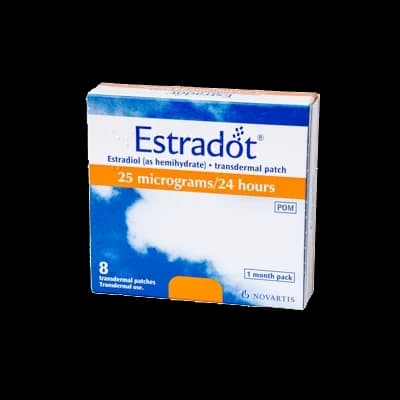
Estradot
From £35.99
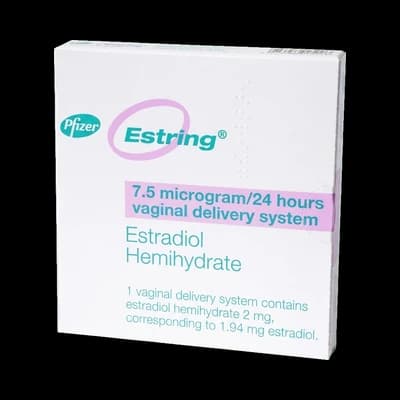
Estring
From £79.20
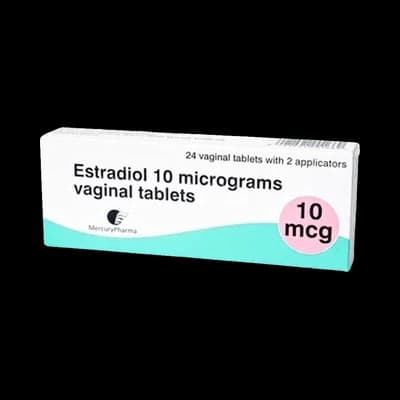
Estradiol
From £37.35
Vagifem
From £59.84
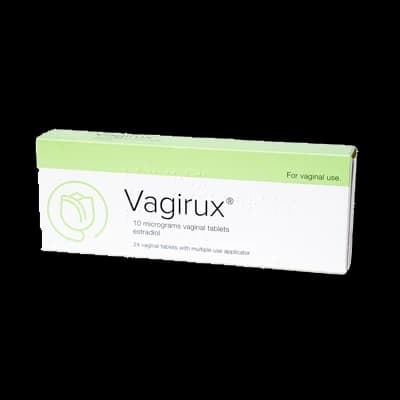
Vagirux
From £55.34
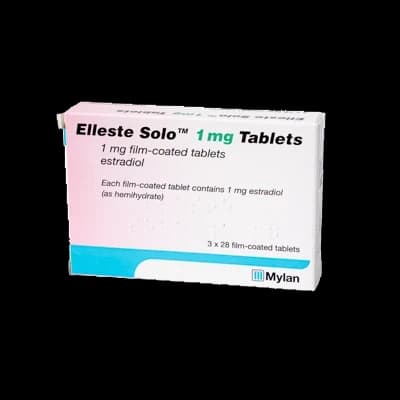
Elleste Solo
From £41.82
Premarin
From £43.34In clinical trials, some women experienced elevations in liver transaminase levels, which returned to normal upon discontinuation or dose interruption. If you experience symptoms such as nausea, vomiting, or yellowing of the skin or eyes, it is important to seek medical attention promptly. Veoza should also be avoided in individuals taking certain medications known as CYP1A2 inhibitors.
Additionally, Veoza has not been studied extensively in women over the age of 65, so no specific dose recommendation can be made for this population. It is important to consult with your healthcare provider for personalized guidance and dosage adjustments if necessary.
Veoza Availability and Future Prospects
Veoza is a prescription-only medication that is available in the form of film-coated tablets. The recommended dose is 45 mg once daily, taken orally with or without food. The tablets should be swallowed whole and not crushed or chewed.
Currently, Veoza is available privately, and the manufacturer, Astellas Pharma, has initiated the process of seeking approval for NHS availability in the UK. The pricing of Veoza is yet to be determined by the Department of Health and Social Care. In the United States, the cost of Veoza is set at $550 for a 30-day supply. It is expected that Veoza will become more widely accessible to women seeking relief from menopausal vasomotor symptoms soon.
Conclusion: A New Era in Menopausal Symptom Management
The approval of Veoza marks a significant advancement in the treatment of menopausal vasomotor symptoms. This non-hormonal medication offers a novel mechanism of action, targeting the root cause of hot flashes and providing women with an effective and safe alternative to hormone replacement therapy. With its ability to reduce the frequency and severity of hot flashes, Veoza has the potential to improve the quality of life for countless women experiencing the challenges of menopause.
As further research and clinical experience with Veoza accumulates, it is anticipated that its availability and efficacy will continue to expand, offering hope and relief to women navigating the menopausal transition. If you are experiencing bothersome hot flashes and night sweats, it is recommended to consult with a healthcare professional to determine if Veoza is a suitable treatment option for you.
Sources
- Hot-flushes menopause drug Veoza approved in UK – BBC News
- Astellas’ VEOZAH™ (fezolinetant) Approved by U.S. FDA for Treatment of Vasomotor Symptoms Due to Menopause – May 12, 2023
- FDA Approves Novel Drug to Treat Moderate to Severe Hot Flashes Caused by Menopause – FDA
- Game changing drug to prevent hot flushes wins approval in UK – Women’s health – The Guardian
- Veoza 45 mg film-coated tablets – Summary of Product Characteristics (SmPC) – (emc)
About NowPatient's Editorial Process
- Written by clinical authors
- Reviewed every 2 years
- Conflicts of interest declared
NowPatient's medical content is selected by a panel of practising clinicians (pharmacists, doctors and allied healthcare professionals) and researched by an in-house team of writers who all hold scientific or clinical backgrounds. Sponsorship and conflicts of interest are openly declared.
Every article is peer-reviewed by a clinician for clinical accuracy, evidence base and accessibility, including consideration of the particular characteristics set out in the UK Equality Act 2010. Only then is it released for publication against fixed placement guidelines.
All content is cycle reviewed (typically every two years) and updated sooner if evidence, guidelines or a complaint require it. Changes follow a formal change control procedure and are reflected in the "last updated" date on each article. NowPatient is governed by MiHealth; UK pharmacy services are provided by MiHealth Pharmacy (GPhC 1036487).