The world is full of miracle skin care products that make ambitious claims they can’t always back up. Yeah, you’ve probably been there before with loads of products.
But is tretinoin an exception? You might have heard that it’s an effective treatment for acne. That’s just the beginning according to some people. There’s plenty of noise about ways it can improve your skin too, from reducing the appearance of wrinkles to diminishing acne scars. Is any of this true though? Here’s what the experts say.
What is Tretinoin cream?
Tretinoin cream (also sold as Retin-A) is a topical treatment for acne. Topical? This basically means it’s applied directly to your face, most often as a cream.
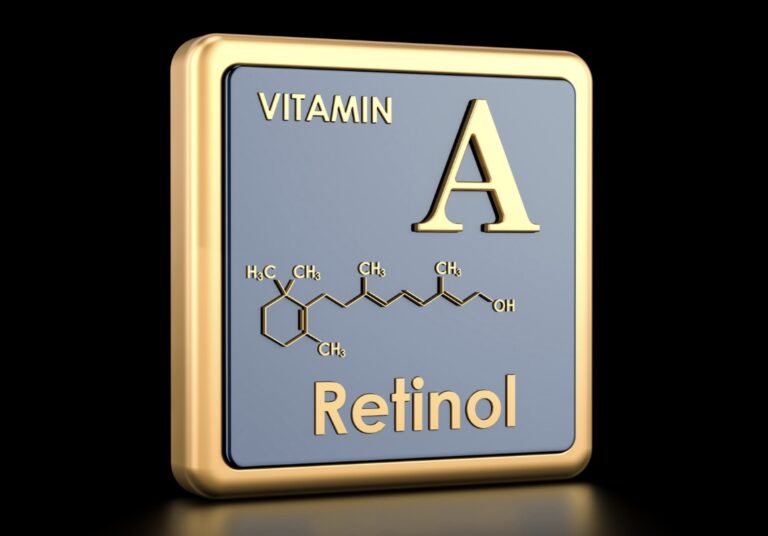
Tretinoin is a type of retinoid. These are a group of substances based on vitamin A – you can think of tretinoin as a synthetic version of vitamin A. There are many different retinoids and a huge variety of products that contain them, but tretinoin is one of the most effective retinoids you can buy. Tretinoin is a strong retinoid so it’s only available as a prescription product.
Tretinoin comes in three levels of concentration (which is basically how much tretinoin is in the cream). These are 0.05%, 0.025%, and 0.1% tretinoin.
What does Tretinoin cream do for acne?
OK, so let’s have a bit more science. Tretinoin is an all-trans retinoic acid. Sounds pretty cool right? What that means is that it’s as close to a miracle ingredient as you can get in skin care. That’s what we’re talking about.
All-trans retinoic acid encourages new skin cells to grow faster and replace old skin cells. This helps to clear acne from your face and remove the dead skin cells and sebum oil that cause acne. Tretinoin can also reduce the inflammation that more severe forms of acne cause.
Using tretinoin daily can reduce the severity of acne outbreaks and help clear them up faster. It was also found to have less side effects than many other acne medications, making it an incredibly powerful but safe acne treatment.
What else can Tretinoin cream do for your skin?
Tretinoin was developed as an acne treatment. As it works by renewing your skin cells faster it can have a whole range of other positive effects on your skin too. You might be asking if tretinoin is good for aging skin or if tretinoin can remove dark spots. Well let’s find out. Remember we told you it was a wonder ingredient right? It can also be used for:
Tretinoin cream for wrinkles
Research has shown that tretinoin cream can also increase the production of collagen in skin. Collagen is a structural support within your skin. Increasing collagen levels combined with renewing skin cells can reduce the appearance of fine lines and wrinkles and smooth the surface of your skin. Not a bad extra benefit!
Tretinoin cream for acne scars
Acne itself can be bad enough but the scars it can leave behind are an extra kick in the guts. But research has shown that using tretinoin cream on your face can also reduce the appearance of acne scars. Tretinoin won’t get rid of your scars entirely but it can make them less visible.
Tretinoin cream for Melasma and Hyperpigmentation
Melasma are patches of darker, discolored skin that are caused primarily by sun damage. Hyperpigmentation is dark spots on skin caused by the production of too much melanin – the natural pigment that makes skin, eyes, and hair dark. Research has demonstrated that tretinoin can also help with these conditions by lightening skin and reducing the severity of dark patches. Like with wrinkles and acne scars, tretinoin usually won’t get rid of dark patches entirely but it can reduce their appearance significantly.
What is the difference between Retin A and Tretinoin cream?
Tretinoin and Retin-A are effectively the same product. Retin-A is the branded version of the product and tretinoin is the generic (non-branded) version. They’re chemically identical and can be bought in the same concentrations. They also have the same effect on your skin. Retin-A is typically more expensive.
What is the difference between Tretinoin cream and Retinol?
Tretinoin is a type of retinoid called all-trans retinoic acid. You can find other retinoids in skin care products – a common one being retinol. Retinol has many of the same benefits as tretinoin but isn’t as strong or effective.

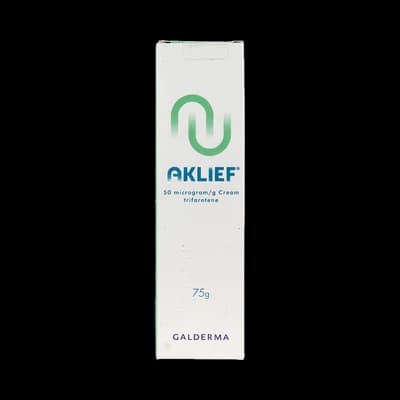
Aklief
From £70.49
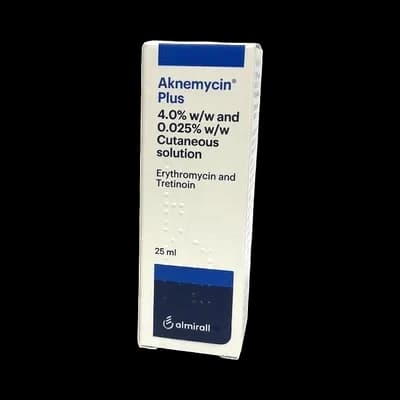
Aknemycin Plus
From £45.00
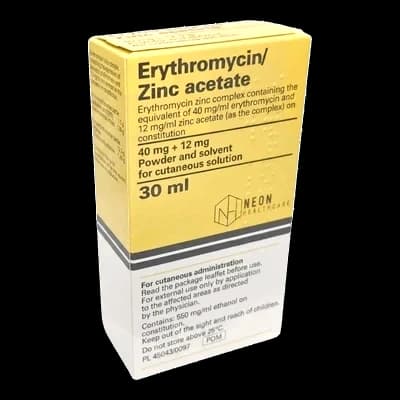
Erythromycin/Zinc Acetate
From £44.40
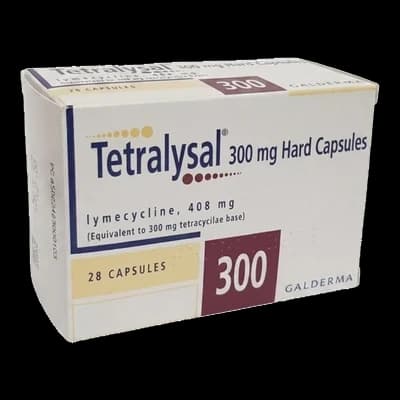
Tetralysal 300
From £26.09
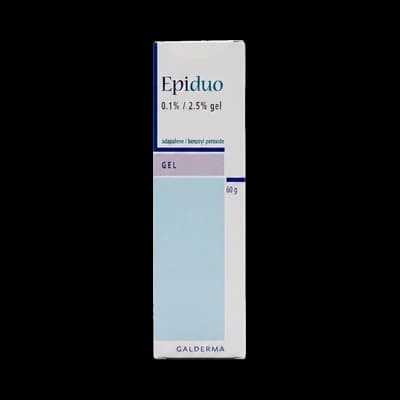
Epiduo
From £59.99
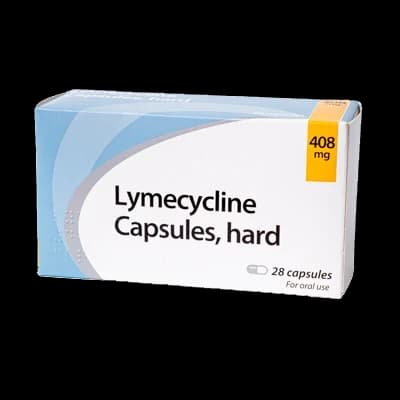
Lymecycline
From £23.84
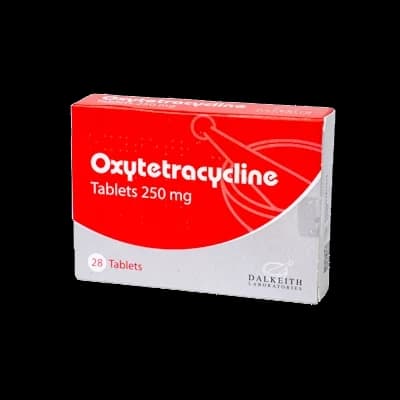
Oxytetracycline
From £47.99
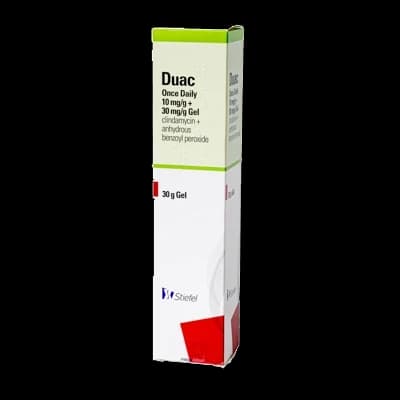
Duac
From £34.34
Dianette
From £17.76
Treclin
From £59.84This is because tretinoin is an all-trans retinoic acid, while retinol must be converted to the all-trans retinoic acid by your skin cells. This means retinol produces less all-trans retinoic acid and is a less concentrated product than tretinoin. Because it’s less concentrated retinol can be bought without a prescription. You can find retinol in a wide range of acne and skin care products like creams, serums, gels, moisturizers, and masks.
Can you use Tretinoin and Retinol together?
Tretinoin and retinol are both retinoids and similar products. Tretinoin is an all-trans retinoic acid whilst retinol converts to all-trans retinoic acid when you put it on your skin. This means if you use tretinoin and retinol together your skin is getting a double dose of all-trans retinoic acid. Doing so will increase your risk of side effects like dry skin, itching, and peeling.
How long does it take for Tretinoin cream to work?
This will vary by person and it depends on what you’re using tretinoin cream for – to fight acne, reduce the signs of aging, or lessen acne scars or the appearance of dark patches on skin. Most people see improvement in their skin after using tretinoin continuously for around 12 weeks.
Sources
About NowPatient's Editorial Process
- Written by clinical authors
- Reviewed every 2 years
- Conflicts of interest declared
NowPatient's medical content is selected by a panel of practising clinicians (pharmacists, doctors and allied healthcare professionals) and researched by an in-house team of writers who all hold scientific or clinical backgrounds. Sponsorship and conflicts of interest are openly declared.
Every article is peer-reviewed by a clinician for clinical accuracy, evidence base and accessibility, including consideration of the particular characteristics set out in the UK Equality Act 2010. Only then is it released for publication against fixed placement guidelines.
All content is cycle reviewed (typically every two years) and updated sooner if evidence, guidelines or a complaint require it. Changes follow a formal change control procedure and are reflected in the "last updated" date on each article. NowPatient is governed by MiHealth; UK pharmacy services are provided by MiHealth Pharmacy (GPhC 1036487).