Buy Oxytetracycline online with free consultation & prescription
Book a quick face-to-face video consultation with a UK certified prescribing pharmacist, nurse, or doctor. If approved, your Oxytetracycline will be prescribed* and delivered straight to your door within 10-14 working days. Avoid doctor waiting lists. No delays. Just expert care.
Oxytetracycline is indicated for the treatment of Acne.
*Includes Free Private Prescription & Consultation.
Manufactured by MHRA Approved Generic Manufacturer.
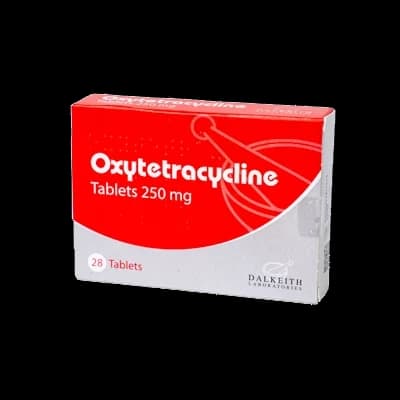

Oxytetracycline doses and pack sizes
Oxytetracycline
Oxytetracycline doses and pack sizes
*Your clinician will recommend the right strength and quantity for you during the consultation.
Treatment£47.99
Shipping£25.00
Total if approved£72.99
How it works
Similar treatments
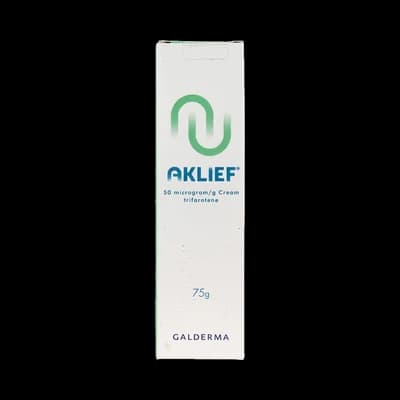
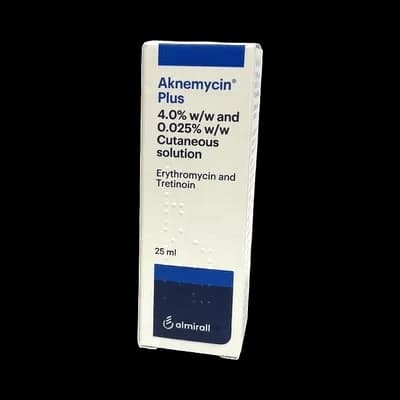
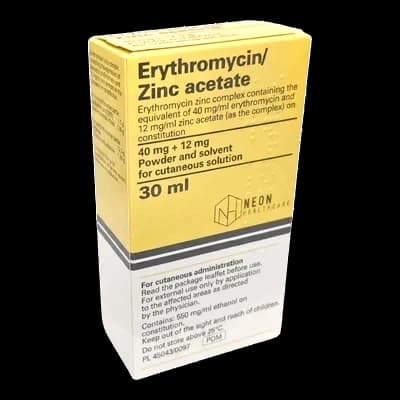
Oxytetracycline alternatives
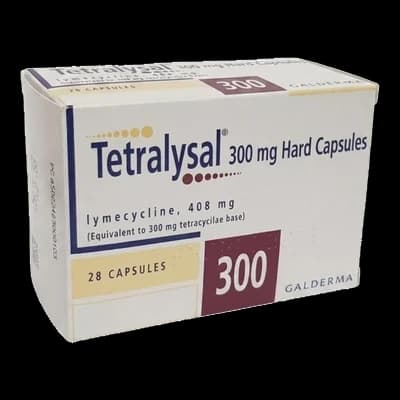
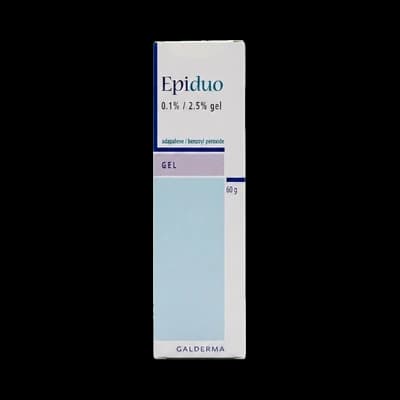
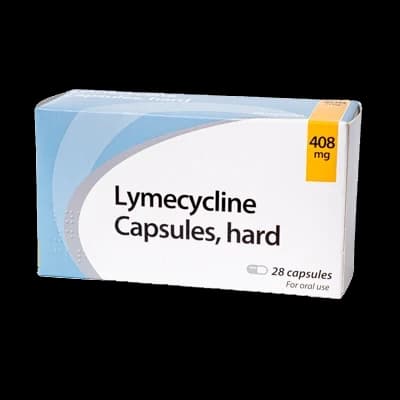
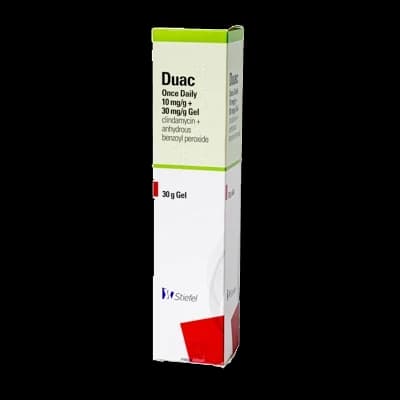
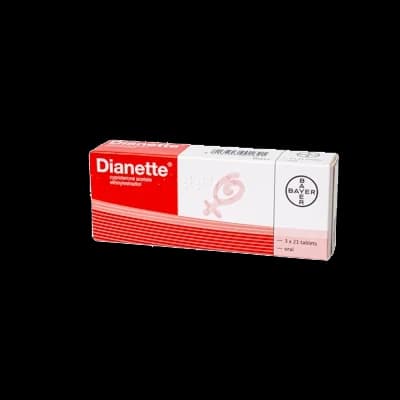
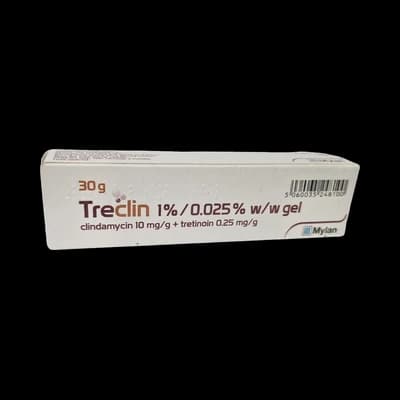
Order online
Oxytetracycline prices
| Brand/Generic | Form | Dosage | Quantity | Price | Delivery Cost | Consultation Cost |
|---|---|---|---|---|---|---|
| OxytetracyclineGeneric | Tablets | 250mg | 28 | £47.99 | £0.00*(with Core+ Plan) | £0.00 |
FAQs
Answers to popular questions about Oxytetracycline
What is Oxytetracycline?
Oxytetracycline is a broad-spectrum tetracycline antibiotic used primarily in the UK for the treatment of acne vulgaris. It is also effective against a range of bacterial infections including rosacea, respiratory tract infections, and certain sexually transmitted infections. Oxytetracycline is available as 250 mg tablets and is a prescription-only medicine. It has been used for decades in acne treatment and remains a commonly prescribed first-line oral antibiotic for moderate inflammatory acne in primary care.
How does Oxytetracycline treat acne?
Oxytetracycline treats acne through both antibacterial and anti-inflammatory mechanisms. It inhibits the growth of Cutibacterium acnes by blocking bacterial protein synthesis at the 30S ribosomal subunit. Additionally, oxytetracycline has anti-inflammatory properties — it reduces the production of inflammatory mediators and suppresses the immune response in the skin that leads to red, inflamed spots. This dual action helps reduce the number and severity of inflammatory acne lesions. Improvement is typically seen after 6–8 weeks of consistent use.
How is Oxytetracycline different from Lymecycline and Doxycycline?
All three are tetracycline antibiotics used for acne, but they differ in dosing convenience and absorption. Oxytetracycline (250–500 mg twice daily) must be taken on an empty stomach for proper absorption, making it less convenient. Lymecycline (408 mg once daily) can be taken with or without food and has simpler dosing. Doxycycline (100 mg once daily) should be taken with food and has the broadest evidence base. dermatology guidelines consider all three acceptable for acne; lymecycline and doxycycline are often preferred due to simpler dosing and fewer food restrictions.
What is the usual dose of Oxytetracycline for acne?
The usual dose of Oxytetracycline for acne is 500 mg twice daily (one 250 mg tablet twice daily, or one 500 mg tablet twice daily). Tablets must be taken on an empty stomach — at least 1 hour before food or 2 hours after food — with a full glass of water. Treatment is typically continued for at least 3 months (12 weeks) to assess effectiveness. Some patients may require 4–6 months of treatment. Your prescriber will review your progress regularly.
Why do I need to take Oxytetracycline on an empty stomach?
Oxytetracycline absorption is significantly reduced by food, particularly dairy products, calcium, iron, aluminium, and magnesium. These substances form insoluble complexes with the drug in the gut, preventing absorption. Taking Oxytetracycline on an empty stomach ensures adequate blood levels for therapeutic effectiveness. This is one of the main practical disadvantages of Oxytetracycline compared to Lymecycline or Doxycycline, which have fewer food restrictions.
What are the common side effects of Oxytetracycline?
Common side effects include nausea, vomiting, diarrhoea, and abdominal discomfort — these are more likely if taken with food or dairy. Oral and vaginal thrush (candidiasis) can occur due to disruption of normal bacterial flora. Photosensitivity (increased sun sensitivity) is a well-known tetracycline side effect — use SPF 30+ sunscreen and avoid prolonged sun exposure. Oesophageal irritation can occur if tablets are not swallowed with enough water. Headache and dizziness are occasionally reported.
Can Oxytetracycline cause permanent side effects?
Oxytetracycline can cause permanent tooth discolouration in children and should not be used in those under 12 years or during pregnancy. In adults, permanent effects are very rare. Rarely, tetracyclines have been associated with benign intracranial hypertension (pseudotumour cerebri) causing persistent headache and visual disturbance — this is usually reversible if the drug is stopped promptly but can cause permanent visual impairment if not recognised. If you experience persistent headaches or blurred vision, stop Oxytetracycline and seek urgent medical attention.
What medications interact with Oxytetracycline?
Key interactions include antacids containing aluminium, calcium, or magnesium; iron supplements; zinc supplements — all reduce absorption (separate doses by 2–3 hours). Warfarin’s effect may be enhanced. Oral retinoids (isotretinoin) should not be co-prescribed due to the risk of benign intracranial hypertension. Rifampicin, carbamazepine, and phenytoin may reduce Oxytetracycline levels. The oral typhoid vaccine should be completed before starting. Oxytetracycline does not reduce the effectiveness of hormonal contraceptives according to current contraception guidance.
How can I get a prescription for Oxytetracycline?
You can request Oxytetracycline through NowPatient by completing a short online consultation with one of our prescribing clinicians. Your clinician will assess your acne and the treatments you have already tried to decide whether Oxytetracycline is the right option for you. If treatment is suitable, a prescription is issued and your medication is dispensed by our registered pharmacy and delivered to your door.
Can I take Oxytetracycline during pregnancy?
No, Oxytetracycline must not be taken during pregnancy as tetracyclines can cause permanent discolouration of the baby’s teeth and affect bone development. It is also contraindicated during breastfeeding as it is excreted in breast milk. If you become pregnant while taking Oxytetracycline for acne, stop the medication immediately and inform your doctor. Safe alternative treatments for acne in pregnancy include topical benzoyl peroxide, azelaic acid, and certain topical antibiotics (erythromycin).
Related articles
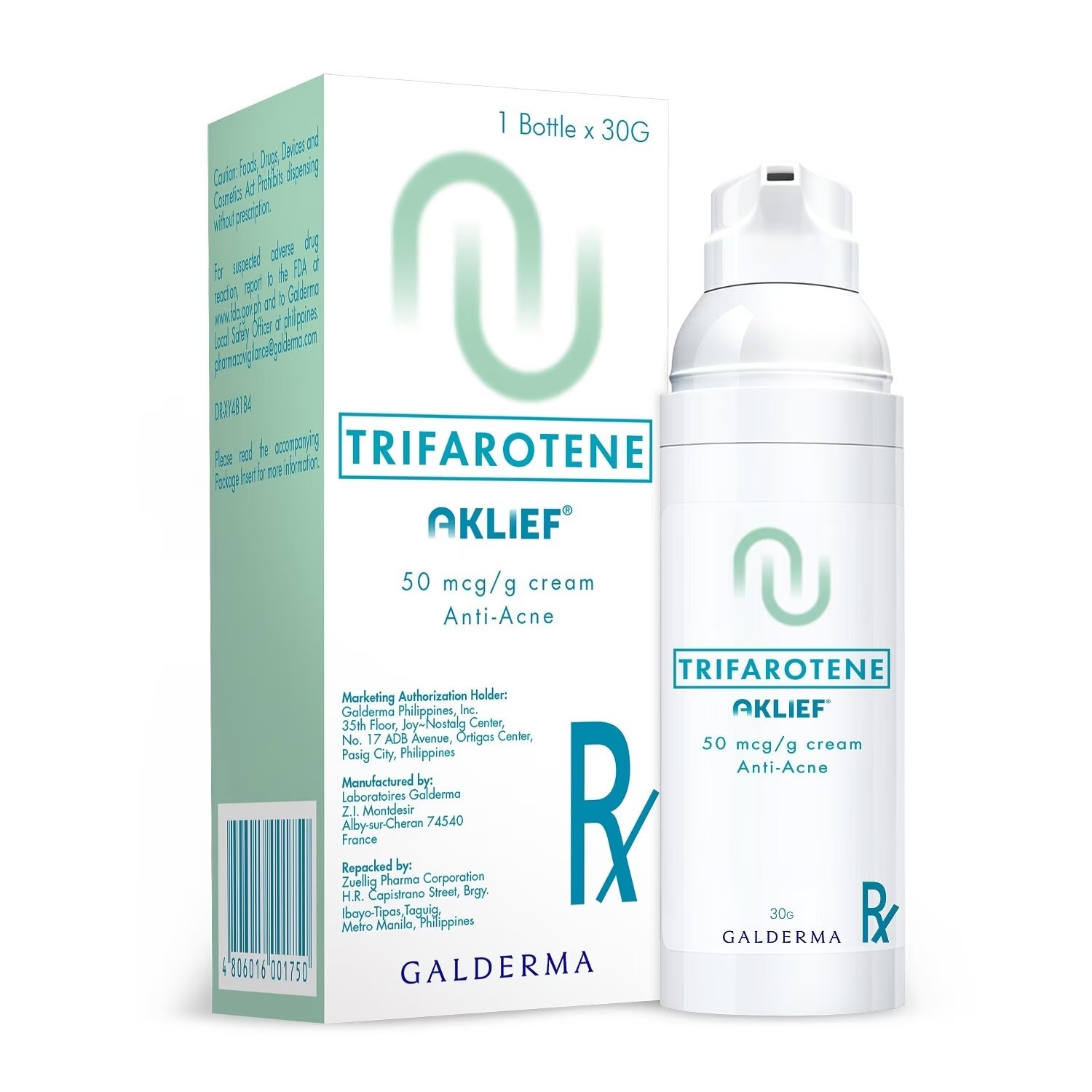
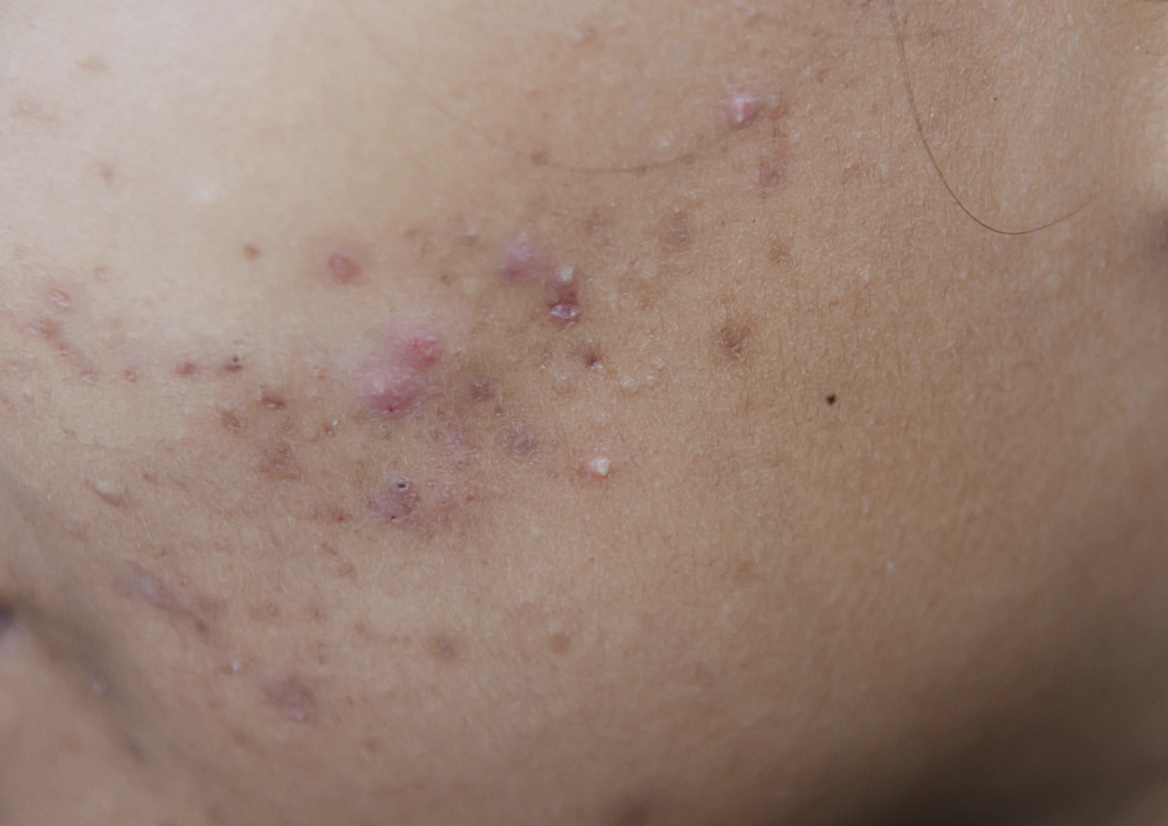















Your health shouldn’t wait.
Consultations, prescriptions, medication delivery, health monitoring – all in one place.

Rated excellent on Trustpilot
Wow! Excellent customer service. I submitted an email query, had a call…
Alison Hurst
I do not leave reviews, due to time and a rare condition I have. I…
Sherry M
Great experience getting the med. Clinician was very thorough.
Barbara Hill
Cannot speak highly enough of the service and assistance I have…
CJH
Very good experience - the clinician asked intelligent questions about…
Phil Daoust
Really excellent. Very thorough and professional pharmacist who guided…
Colin Glass
Meet our medical team
We are a broad skilled and passionate group of clinicians with experience of operating in regulated health systems in the United Kingdom & United States. Providing excellent care and advice is at the heart of everything we do.