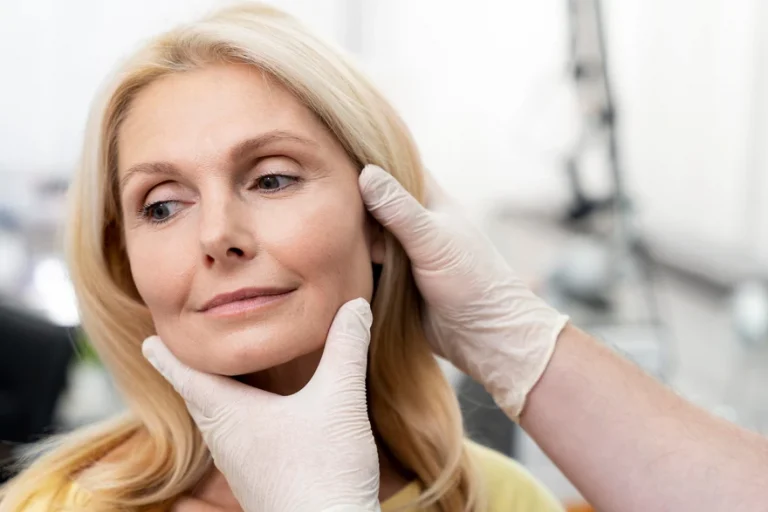
Bell’s palsy can be a frightening experience for those affected by it. We often take our facial expressions for granted, but when half of our face suddenly becomes paralysed, it profoundly impacts our daily lives. As medical professionals, we’ve seen firsthand how this condition causes confusion and anxiety among patients. That’s why we believe it’s crucial to shed light on the causes of Bell’s palsy, to help people understand and cope with this ailment.
Let’s look at the various risk factors that contribute to Bell’s palsy. We’ll start by examining the anatomy of facial nerves and how they function. Then, we’ll look into the role of viral infections, genetics and environmental and lifestyle factors that might increase risk. By the end of this article, you’ll have a clearer picture of what leads to Bell’s palsy, including symptoms and treatment options.
The anatomy of facial nerves
The facial nerve, also known as the seventh cranial nerve, plays a crucial role in Bell’s palsy. It’s responsible for controlling facial muscles and expressions. This nerve has a complex structure, starting from the brain stem and travelling through a narrow bony canal in the skull. The facial nerve has both motor and sensory components. It controls muscles of facial expression, provides taste sensation to two-thirds of the tongue, and has functions for tear and saliva production. Understanding the facial nerve anatomy helps us understand why Bell’s palsy can impact facial movement and function and why the following symptoms are seen.
Bell’s Palsy symptoms
The main symptom of Bell’s palsy is the sudden start of facial weakness or paralysis, typically on one side of the face. This can result in a variety of visual cues, including:
- Drooping of the forehead, eyebrow, and eyelid on the affected side
- Difficulty closing the affected eye
- A lopsided or asymmetrical smile, with the corner of the mouth pulling towards the unaffected side
- Drooling or difficulty retaining saliva on the paralysed side of the face
Individuals with Bell’s palsy may also experience:
- Facial numbness or a heavy, “numb” sensation
- Increased sensitivity to sound (hyperacusis) on the affected side
- Reduced, altered or loss of taste
- Excessive tearing or dryness in the eye on the paralysed side
- Mild pain or discomfort around the jaw or behind the ear on the affected side
- Headaches or a general feeling of malaise
It is important to note that the severity of symptoms can vary greatly, ranging from mild weakness to complete paralysis of the facial muscles.
Viral infections
Viral infections play a significant role in the development of Bell’s palsy. Several viruses have a link to this condition:
- The herpes simplex virus, which causes cold sores
- Herpes-zoster (responsible for chickenpox and shingles)
- Epstein-Barr (causing mononucleosis)
- Common cold viruses can trigger this condition. These infections can cause inflammation and swelling of the facial nerve as it passes through the narrow bony canal in the skull. This swelling puts pressure on the nerve, leading to facial paralysis



















Understanding these viral connections has helped us in developing more effective treatments for Bell’s palsy causes.
Environmental and lifestyle factors
Certain environmental and lifestyle factors can have an impact on the development of Bell’s palsy:
- Pregnancy, especially during the third trimester, has been linked to an increased risk
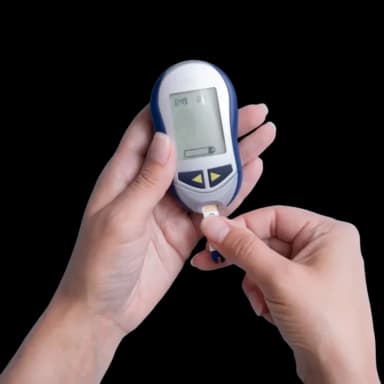
- Diabetes and high blood pressure
- Obesity
- Exposure to cold temperatures and high air pressure. Some patients report experiencing facial cooling or cold drafts just before symptoms appear
- Vitamin deficiencies, particularly low levels of vitamin C and D
- Stress
Genetics
Genetics play a role in Bell’s palsy causes. Research suggests that 4-14% of cases have a family history, indicating a genetic component. Some studies suggest an autosomal dominant inheritance pattern with variable penetrance. This means the condition can be passed down through generations, but not everyone with the gene will develop symptoms. Families where multiple members experience Bell’s palsy, support the idea of genetic predisposition. However, it’s important to note that having a genetic risk doesn’t guarantee you’ll develop the condition. Other factors, like environmental triggers, likely interact with genetic susceptibility to cause Bell’s palsy.
Treatment options
The treatment and management of Bell’s palsy typically focuses on relieving symptoms, promoting nerve recovery, and preventing potential complications. The standard approach often involves a combination of the following strategies:
- Corticosteroid medications: Oral corticosteroids, such as prednisone, are commonly prescribed to help reduce the inflammation and swelling of the facial nerve
- Antiviral medications: Healthcare providers may also prescribe antiviral medications, such as acyclovir or valacyclovir, in conjunction with corticosteroids
- Eye care: Eye drops, lubricants, or even temporary eye patches to protect the affected eye and prevent dry eye
- Physical therapy and facial exercises: Gentle facial exercises and physical therapy can help maintain muscle tone and prevent muscle atrophy
- Electrical stimulation: Help prevent muscle wasting and potentially speed up the recovery process
- Surgical interventions: In rare cases, nerve decompression or facial reanimation procedures, to help restore facial function
Conclusion
Bell’s palsy is a complex condition with various contributing factors. We’ve looked at the anatomy of facial nerves, the role of viral infections, environmental and lifestyle influences, and genetics. Understanding these causes has a significant impact on how we approach diagnosis and treatment. This knowledge empowers both medical healthcare professionals and patients to better manage and cope with this challenging condition.
Sources
About NowPatient's Editorial Process
- Written by clinical authors
- Reviewed every 2 years
- Conflicts of interest declared
NowPatient's medical content is selected by a panel of practising clinicians (pharmacists, doctors and allied healthcare professionals) and researched by an in-house team of writers who all hold scientific or clinical backgrounds. Sponsorship and conflicts of interest are openly declared.
Every article is peer-reviewed by a clinician for clinical accuracy, evidence base and accessibility, including consideration of the particular characteristics set out in the UK Equality Act 2010. Only then is it released for publication against fixed placement guidelines.
All content is cycle reviewed (typically every two years) and updated sooner if evidence, guidelines or a complaint require it. Changes follow a formal change control procedure and are reflected in the "last updated" date on each article. NowPatient is governed by MiHealth; UK pharmacy services are provided by MiHealth Pharmacy (GPhC 1036487).