Online Herpes Simplex Virus Treatments & Prescriptions

Book a quick face-to-face video consultation with a certified prescribing pharmacist, nurse, or doctor. If approved, your Herpes Simplex Virus treatment will be prescribed* and delivered straight to your door with free next-day delivery†. No hidden fees. No delays. Just expert care.

* Includes Free Private Prescription & Consultation.

† Applies to UK only.

Start Your Treatment Today

Available Treatments for Herpes Simplex Virus

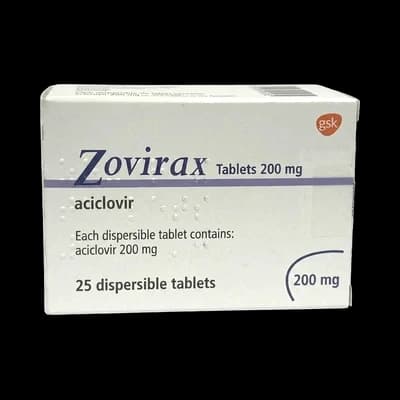
Zovirax packaging which is available to order online from NowPatient with free next day delivery

Zovirax

  • FREE secure consultation service
  • Fast and effective treatment
From £17.99
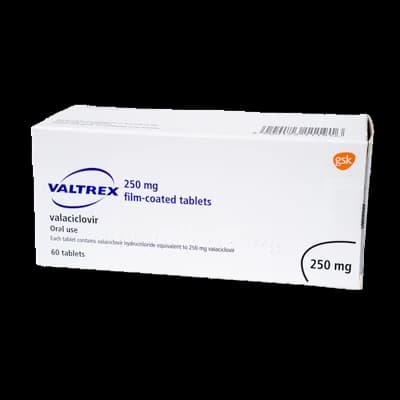
Valtrex packaging which is available to order online from NowPatient with free next day delivery

Valtrex

  • FREE secure consultation service
  • Fast and effective treatment
From £207.15
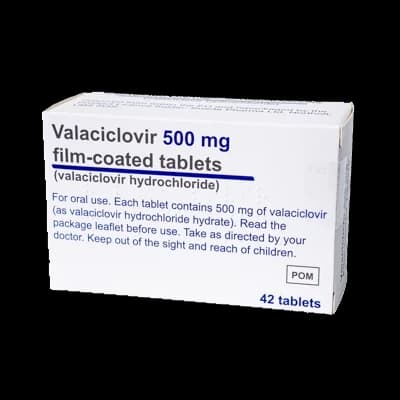
Valaciclovir packaging which is available to order online from NowPatient with free next day delivery

Valaciclovir

  • FREE secure consultation service
  • Fast and effective treatment
From £45.60
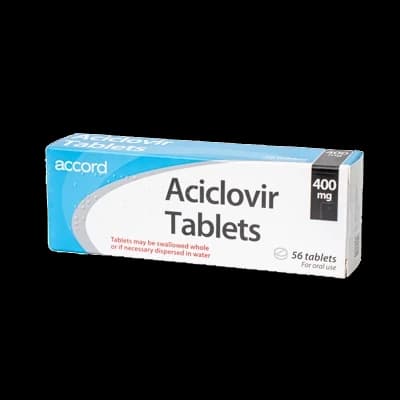
Aciclovir packaging which is available to order online from NowPatient with free next day delivery

Aciclovir

  • FREE secure consultation service
  • Fast and effective treatment
From £17.99

Safe Prescribing

Get Started With the Right Treatment for You

No need to visit a doctor or wait for an appointment. With our virtual consultation service, you can see a clinician online from the comfort of your home. Start your free assessment and get a treatment recommendation tailored to you. You only pay if medication is prescribed.

Key facts about Herpes Simplex Virus

Herpes Simplex Virus

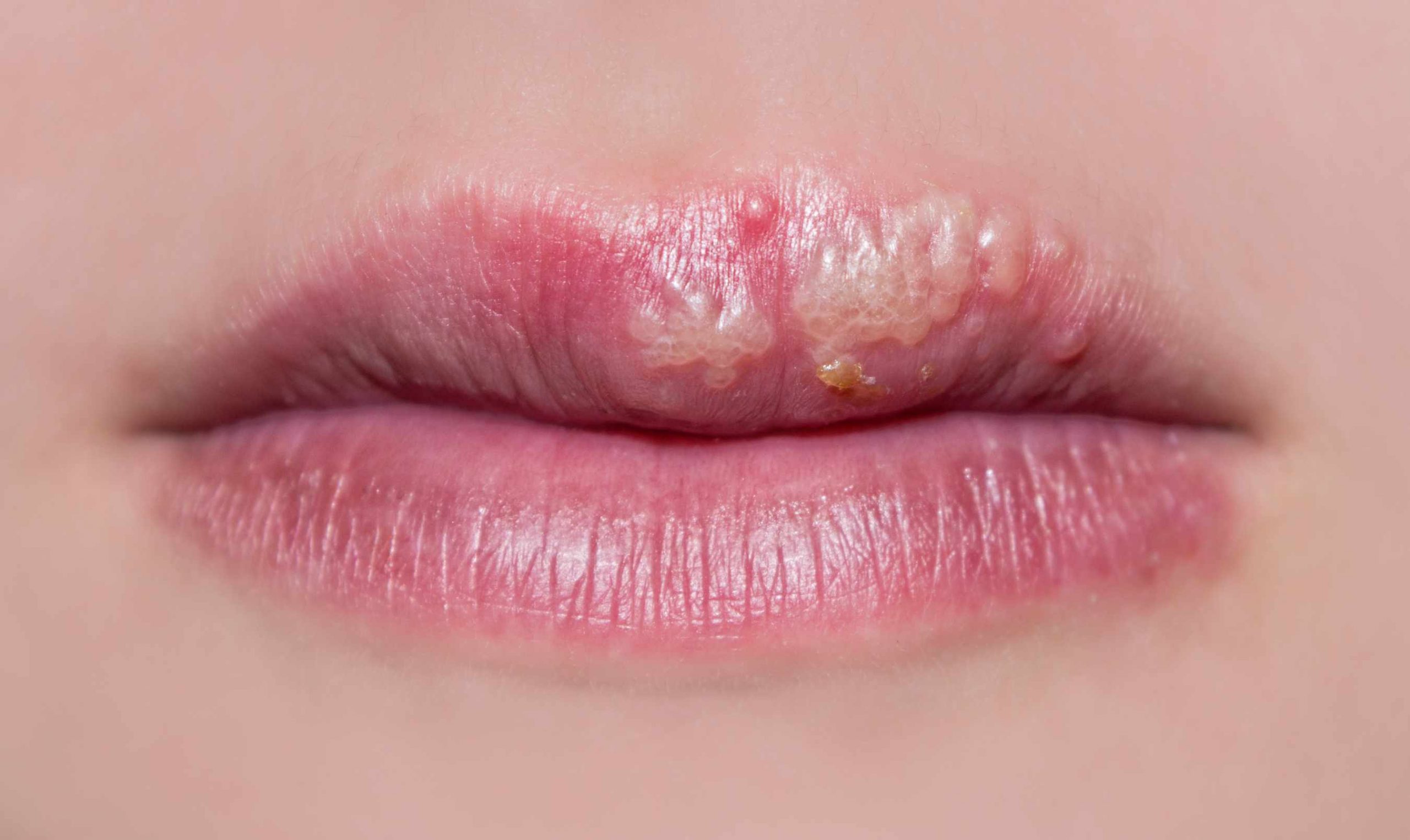
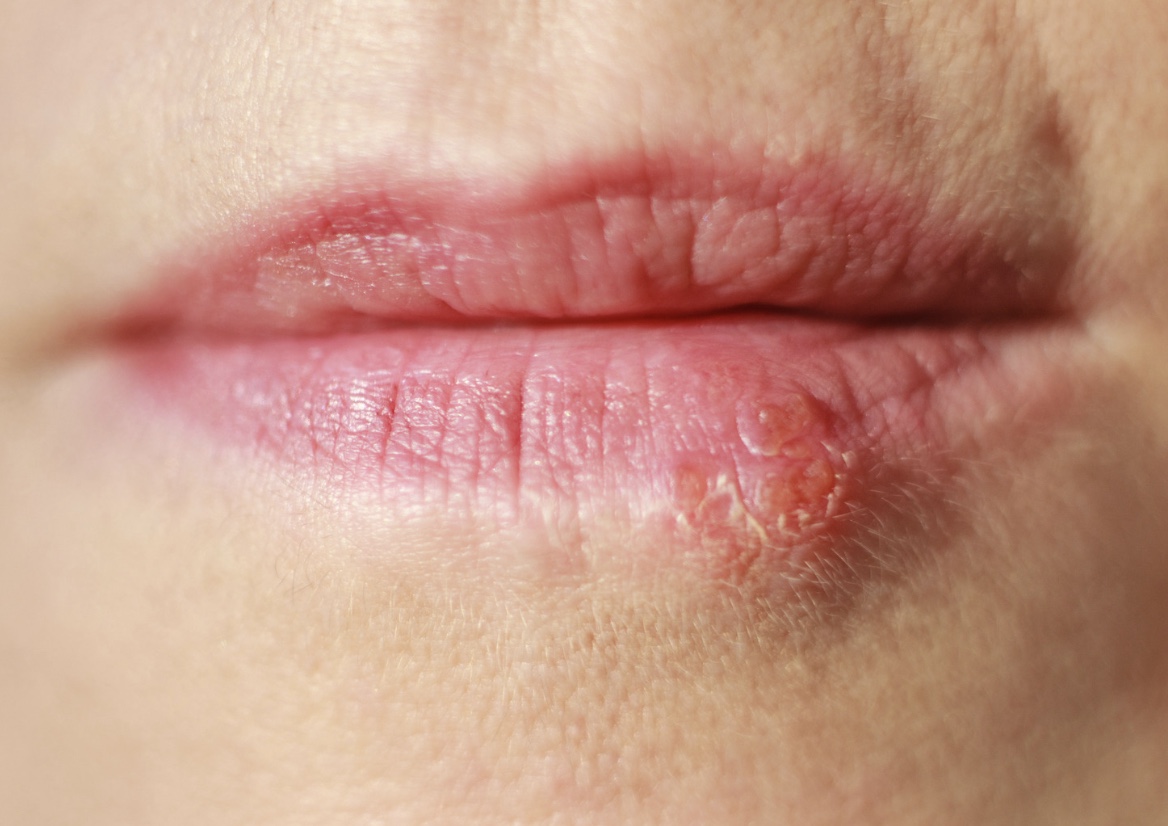
Herpes Simplex Virus (HSV) is caused by HSV-1, which causes oral herpes infections, such as cold sores and fever blisters, and HSV-2 which causes genital herpes. Both HSV-1 infections and HSV-2 infections can cause oral or genital areas.

Here, we will take a closer look at the causes, symptoms, and how to prevent the transmission of the Herpes Simplex Virus infection.

What is Genital Herpes?

Genital herpes is an STI (sexually transmitted infection) caused by the Herpes Simplex Virus. The two types of Herpes Simplex Virus are Herpes Simplex Virus type 1 (HSV-1) and Herpes Simplex Virus type 2 (HSV-2).

Transmission of Genital Herpes

Genital HSV is transmitted through physical contact from one person to another during sex. HSV-2 is spread through vaginal, anal, or oral sex with an infected person. However, HSV-1 can also be contracted through oral sex, leading to a genital herpes infection.

Genital herpes is highly contagious and can be contracted even when the infected person does not show signs or symptoms. The virus will enter your body through broken skin or through mucous membranes in the mouth or genital area. The risk of contracting the infection is still highest however during a herpes outbreak, when genital sores and lesions are visible.

Transmission of the virus occurs when you come into direct contact with herpes sores, saliva, or infected genital fluids. Skin-to-skin contact with the active infection can also lead to transmission.

To prevent the spread of genital herpes:

  • Use condoms during sexual intercourse
  • Use dental dams during oral sex
  • Limit your number of sexual partners
  • Avoid sexual activity during outbreaks
  • Do not share lip balms, razors, or other utensils

Talk to your sexual partner(s), open communication is crucial when it comes to your sexual health. Regular screening is also essential to help detect an infection and prevent its spread.

Symptoms of Genital Herpes

Symptoms will vary from person to person. Some people may have mild symptoms or no symptoms at all, making it difficult to diagnose. Symptoms tend to be more severe during the first outbreak and may include:

  • Pain or itching around the infected area
  • Red bumps that blister around the genitals, anus, or mouth
  • Blisters bursting causing painful ulcers and open sores
  • Crusts forming over lesions
  • Flu-like symptoms, such as headache, fever, body aches, and swollen lymph nodes. This is more common during the first outbreak

Recurrent outbreaks and prodromal symptoms

Symptoms tend to appear within a few days to a couple of weeks after first exposure, with further outbreaks being milder and of shorter duration when compared to the first episode. Some people may experience genital pain, tingling, or shooting pain in the legs, hips, or buttocks a few days or hours before an outbreak occurs. Speak to a healthcare provider if you think you have genital herpes or any other sexually transmitted infection.

Diagnosis of Herpes Simplex Virus

The diagnosis of Herpes Simplex Virus is typically made through a physical examination and laboratory tests. Healthcare providers may perform viral culture, polymerase chain reaction (PCR), or blood tests to detect the presence of the virus or antibodies against it.

Treatment options for Genital Herpes

While there is no cure for genital herpes, various treatment options can help manage symptoms and reduce the frequency and severity of outbreaks, and lower the risk of transmission. Antiviral medicines, such as acyclovir, famciclovir, and valacyclovir, are commonly prescribed to individuals to alleviate symptoms and shorten the duration of recurrent outbreaks or severe symptoms.

Self-care can also help relieve the discomfort and pain during outbreaks.

  • Keep the affected area clean and dry
  • Wear loose-fitting clothing
  • Avoiding irritants and scented products
  • Use paracetamol, naproxen, or ibuprofen to relieve pain
  • Use numbing cream containing benzocaine or lidocaine

Management and prevention strategies

You can reduce the risk of transmission using the tips below:

  • Regular screening for STIs
  • Maintaining good sexual health practices
  • Communicating openly with your sexual partner
  • Practicing safe sex
  • Avoid sexual contact when herpes sores are visible
  • Maintaining good personal hygiene
  • Washing your hands regularly and not touching sores to prevent their spread
  • Getting enough rest
  • Eating a well-balanced diet
  • Managing your stress levels

With proper management, you can control your symptoms allowing you to lead a healthy and fulfilling life.

Complications associated with Genital Herpes

Herpes simplex is not normally life-threatening, but it can lead to complications in anyone who has a weakened immune system. Potential complications include:

  • Increased risk of transmitting or contracting other infectious diseases such as HIV
  • Encephalitis or meningitis
  • Risk of neonatal herpes during childbirth, if the baby is exposed to HSV, leading to serious health issues or death. Pregnant women should let their healthcare provider know if they have genital herpes to reduce the risk of transmission
  • Inflammation and swelling of internal organs associated with sexual activity and urination
  • Finger infections (herpetic whitlow), which can cause discoloration, swelling, and sores of the fingers
  • Eye infections (herpes keratitis), resulting in pain, sores, blurred vision, and potentially blindness

Risk Factors for Herpes Simplex Virus

These factors include:

  • Sexual contact without the use of a barrier, such as a condom or dental dam
  • Multiple sex partners, increasing the risk of exposure
  • Having STIs in the past, which have weakened the immune system
  • Being sexually active from an early age
  • Being from a low socioeconomic status, where you may have limited access to healthcare and education

Women, those with a history of STDs (sexually transmitted diseases), the elderly, and men who have sex with other men, have a higher risk of contracting genital herpes. People from these high-risk groups are encouraged to have open conversations with their healthcare providers about their risks and the preventive measures they should take.

Herpes Simplex Virus and other infections

The Herpes Simplex Virus is part of the herpesviridae family, which also includes the varicella-zoster virus, which causes chickenpox and shingles.

Research in the treatment of Herpes

Research in the treatment of genital herpes aims to improve its management and prevention. Current research includes new antiviral medications, vaccines, and alternative therapies to improve the effectiveness of current treatments and develop a cure.

Conclusion

Genital herpes is caused by the Herpes Simplex Virus. While there is no cure, understanding the causes, symptoms, and risks of contracting genital herpes is essential to help relieve symptoms, reduce outbreaks, and reduce the risk of its spread.

You can reduce your risks by speaking to a healthcare provider, practicing safe sex, using self-care measures, talking openly with sexual partners, and having regular screening for STIs to manage genital herpes and maintain your general health.

Sources

Related Articles

Your health shouldn’t wait.

Consultations, prescriptions, medication delivery, health monitoring – all in one place.

What customers love about NowPatient

Wow! Excellent customer service. I submitted an email query, had a call…

Alison Hurst

I do not leave reviews, due to time and a rare condition I have. I…

Sherry M

Great experience getting the med. Clinician was very thorough.

Barbara Hill

Cannot speak highly enough of the service and assistance I have…

CJH

Very good experience - the clinician asked intelligent questions about…

Phil Daoust

Really excellent. Very thorough and professional pharmacist who guided…

Colin Glass

Excellent4.9 out of 5Trustpilot

Meet our medical team

We are a broad skilled and passionate group of clinicians with experience of operating in regulated health systems in the United Kingdom & United States. Providing excellent care and advice is at the heart of everything we do.