The three components of weight loss
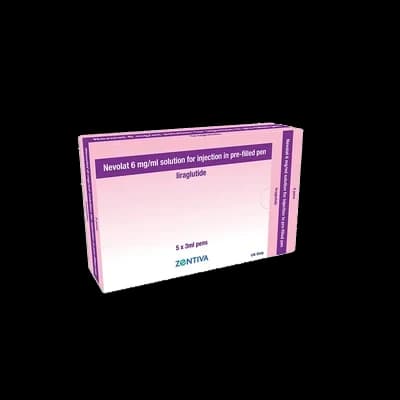
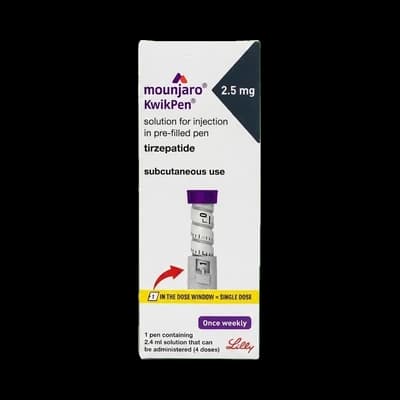
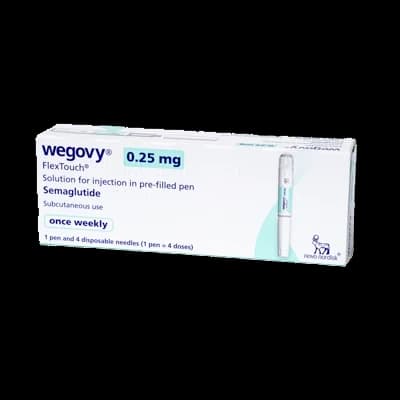
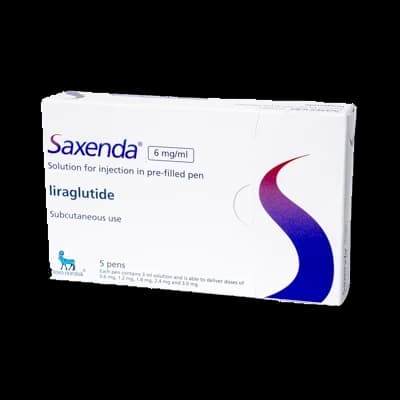
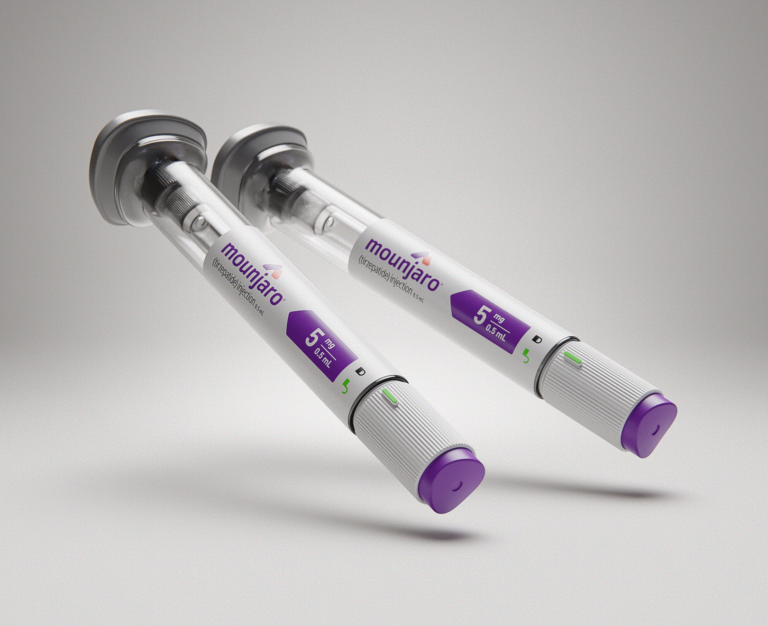
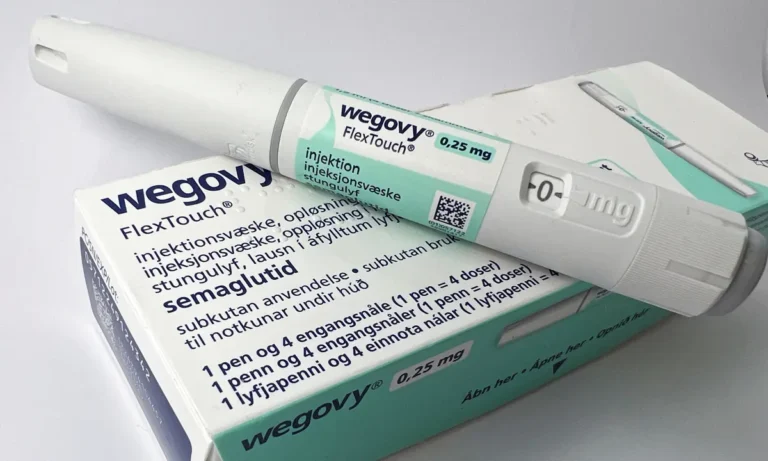
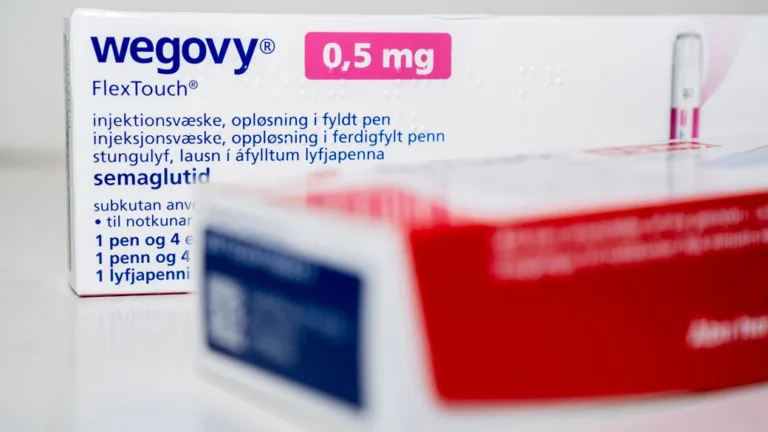
Three types of mass loss can occur if you are prescribed injectable weight loss therapies like tirzepatide (Mounjaro, Zepbound) and semaglutide (Wegovy, Ozempic). They include:
- Fat Mass (FM)
- Fat Free Mass (FFM)
- Lean Body Mass (LBM)
How much muscle is lost if I use Wegovy, Mounjaro or Zepbound?
A review by Khunti et al in 2019 noted that various studies demonstrated that when body weight is reduced through dietary energy restriction, not all of the resulting weight loss can be attributed simply to fat mass (FM). In fact with dietary energy-restricted weight loss, there is approximately 25% to 33% of total weight loss that is estimated to comprise of reductions in LBM (lean body mass).
LBM (which comprises predominantly of skeletal muscle) has a number of important functions including acting as a primary site of glucose disposal and is a strong determinant of resting metabolic rate.
Indeed, loss of skeletal muscle with weight loss injection therapies, may predispose individuals to a greater chance of weight regain following the end of therapy.
The Novo Nordisk sponsored STEP 1 study for semaglutide (Wegovy) showed that the average proportion of body weight loss that was due to loss of lean mean body mass (LBM) was about 35%; and the Eli Lilly sponsored SURMOUNT-1 study for tirzepatide (Mounjaro, Zepbound) showed the proportion of body weight loss that was due to lean body mass was slightly better at approximately 25%.
These studies cumulatively show that these weight loss methods can cause a loss of fat mass as well as lean body mass (including skeletal muscle). So if you are being treated with weight loss injections, you can expect to experience muscle loss.
It is important to note that the loss of muscle mass experienced during weight loss injection therapy is a result of rapidly losing weight, rather than being caused by the therapy itself.
How to reduce muscle loss while being treated with weight loss injections
Regular resistance training is advisable as part of weight loss injection therapy.
There is evidence from a study by Sardeli et al which concludes that the use of resistance training can reduce or abolish the loss of lean body mass when on caloric restriction interventions, such as weight loss injections. In a systematic review and meta-analysis, the authors go on to suggest that the use of resistance training prescribed three times per week can abolish or reduce lean body mass loss while continuing to maintain similar weight loss to individuals who do not undertake resistance training. It is therefore safe to say that regular resistance training can be an important adjunct to weight loss injection therapy as a way to maintain muscle mass.
Furthermore, reducing muscle mass loss during weight loss injection therapy can also help to reduce the chances of regaining weight after weight loss therapy has ended and will help maintain skeletal structural integrity during the weight loss phase.
Sources
- Resistance Training Prevents Muscle Loss Induced by Caloric Restriction in Obese Elderly Individuals: A Systematic Review and Meta-Analysis
- Step 1 Study
- SURMOUNT- 1 Study
About NowPatient's Editorial Process
- Written by clinical authors
- Reviewed every 2 years
- Conflicts of interest declared
NowPatient's medical content is selected by a panel of practising clinicians (pharmacists, doctors and allied healthcare professionals) and researched by an in-house team of writers who all hold scientific or clinical backgrounds. Sponsorship and conflicts of interest are openly declared.
Every article is peer-reviewed by a clinician for clinical accuracy, evidence base and accessibility, including consideration of the particular characteristics set out in the UK Equality Act 2010. Only then is it released for publication against fixed placement guidelines.
All content is cycle reviewed (typically every two years) and updated sooner if evidence, guidelines or a complaint require it. Changes follow a formal change control procedure and are reflected in the "last updated" date on each article. NowPatient is governed by MiHealth; UK pharmacy services are provided by MiHealth Pharmacy (GPhC 1036487).