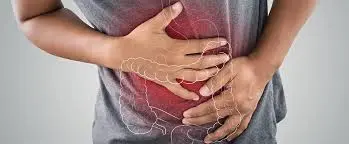
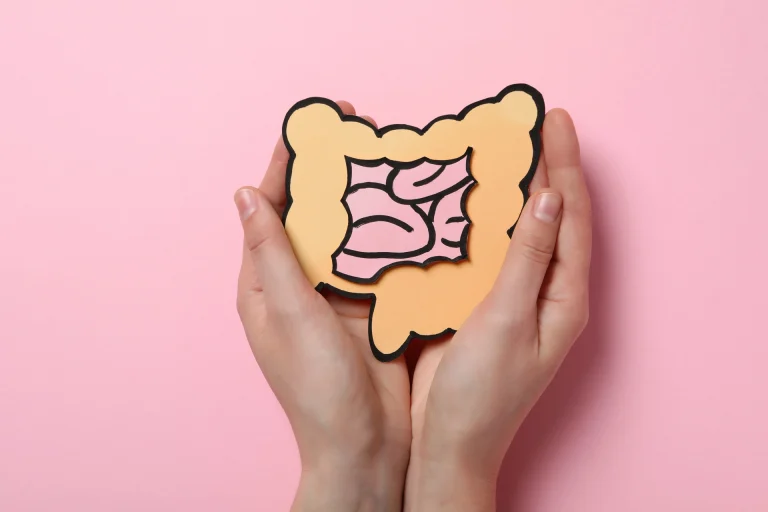
Crohn’s disease is a chronic inflammatory bowel condition that affects various segments of the digestive system. This triggers inflammation and irritation, leading to a wide variety of symptoms and potential complications. While the exact cause of Crohn’s remains unknown, understanding Crohn’s disease will empower you to navigate its challenges effectively.
Crohn’s disease
Crohn’s disease is a type of inflammatory bowel disease (IBD), a group of disorders characterised by chronic inflammation in the gastrointestinal (GI) tract. Notably, this condition can impact any portion of the GI system, from the mouth to the anus, though it predominantly affects the small intestine and the beginning of the large intestine.
The spectrum of Crohn’s disease
Crohn’s disease can manifest in various forms, each with its own set of symptoms and potential complications. Understanding the different types of Crohn’s can help individuals and their healthcare providers develop a more targeted and effective management plan.
Ileocolitis
The most common form of Crohn’s disease, ileocolitis, affects the end of the small intestine (ileum) and the beginning of the large intestine (colon). Individuals with ileocolitis may experience diarrhoea, abdominal pain, significant weight loss, and a heightened risk of intestinal obstructions.
Ileitis
This form of Crohn’s disease is confined to the ileum, the final segment of the small intestine. Ileitis can lead to similar symptoms as ileocolitis, including diarrhoea and abdominal pain, and in severe cases, may result in the formation of fistulas or inflammatory abscesses in the lower right quadrant of the abdomen.
Gastroduodenal Crohn’s Disease
When Crohn’s disease affects the stomach and the beginning of the small intestine (duodenum), it is known as gastroduodenal Crohn’s. Individuals with this type of Crohn’s may experience nausea, vomiting, loss of appetite, and weight loss.
Jejunoileitis
Jejunoileitis is characterised by patchy inflammation in the upper half of the small intestine, known as the jejunum. Individuals with this form of Crohn’s may suffer from mild to intense abdominal pain and cramps after meals, as well as diarrhoea, and in severe cases, the formation of fistulas.
Crohn’s (granulomatous) Colitis
This type of Crohn’s disease is confined to the colon, or large intestine, and is often accompanied by diarrhoea, rectal bleeding, and lesions or fistulas around the anus. Individuals with this form of Crohn’s may also experience more frequent skin and joint-related complications.
Risk factors
Certain factors have been identified as potential contributors:
- Age: Crohn’s disease is most commonly diagnosed in young adults between 20 and 30 years old, though it can manifest at any age
- Genetics: Having a first-degree relative, such as a sibling or parent, with IBD heightens the risk
- Ethnicity: Caucasians, particularly those of Ashkenazi Jewish descent, exhibit a higher incidence rate. However, the disease is becoming more prevalent among Hispanic and Asian populations
- Smoking: Cigarette smoking is a significant controllable risk factor, exacerbating inflammation and increasing the likelihood of surgical intervention











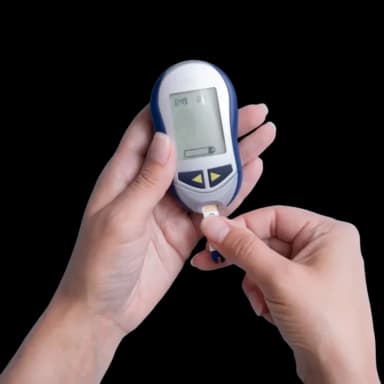









Symptoms
The symptoms of Crohn’s disease can vary in severity and may fluctuate between periods of remission and flare-ups. Common symptoms include:
- Diarrhoea
- Abdominal pain and cramping
- Fever
- Tiredness
- Blood in stools
- Mouth ulcers
- Reduced appetite and weight loss
In severe cases, individuals may experience inflammation in other areas of the body, such as the eyes, skin, joints, liver, bile ducts, and kidneys. Children with Crohn’s disease may also exhibit delayed growth and development.
Complications
Over time, Crohn’s disease can lead to various complications, including:
- Intestinal obstructions: Thickening of the intestinal wall can narrow the passageway, impeding the flow of food or stools
- Fistulas: Inflammation can create abnormal tunnels or passages between organs or through the skin
- Abscesses: Pus-filled pockets of infection can form due to inflammation penetrating the intestinal wall
- Anal fissures: Small tears in the anus may cause itching, pain, or bleeding
- Ulcers: Open sores can develop anywhere along the digestive tract
- Malnutrition: Inadequate absorption of essential vitamins, minerals, and nutrients can lead to malnutrition
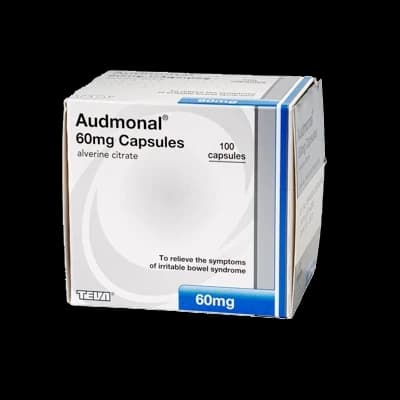
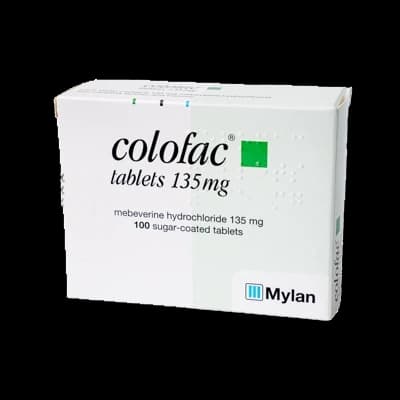
Furthermore, individuals with Crohn’s disease affecting the large intestine may have an increased risk of developing colon cancer. Regular screening and maintaining remission through proper treatment can help mitigate this risk.
Diagnosis and treatment options
Diagnosing Crohn’s disease often involves a comprehensive evaluation, as there is no single definitive test. Your healthcare provider may consider your medical history, and family history, order blood tests, stool studies, endoscopies (such as colonoscopy or capsule endoscopy), imaging tests (CT scans or MRIs), and biopsies to confirm the diagnosis.
While there is currently no cure for Crohn’s disease, various treatment strategies aim to alleviate symptoms, induce remission, and prevent complications. These may include:
- Anti-inflammatory drugs: Corticosteroids can help reduce inflammation
- Immune system suppressants: Medications that suppress the overactive immune response can be effective
- Biologics: These targeted therapies block specific proteins involved in the inflammatory process
- Antibiotics: In some cases, antibiotics may be prescribed to combat bacterial infections
- Antidiarrheals and pain relievers: These medications can provide symptomatic relief
- Nutritional therapy and dietary modifications: Specific diets or supplements may be recommended to address nutritional deficiencies and manage flare-ups
- Surgery: In severe cases or when other treatments fail, surgical removal of damaged intestinal segments may be necessary
It’s crucial to work closely with health professionals to develop a personalised treatment plan and monitor for potential side effects.
Distinguishing Crohn’s from Ulcerative Colitis
While Crohn’s disease and ulcerative colitis are both classified as inflammatory bowel diseases, they are distinct conditions with unique characteristics. Ulcerative colitis is limited to the colon and rectum, affecting only the innermost lining of the large intestine, whereas Crohn’s can occur anywhere in the digestive tract and penetrates the entire thickness of the bowel wall.
Another key difference is the pattern of inflammation. In Crohn’s disease, the inflammation can “skip,” leaving healthy tissue interspersed between areas of disease, while in ulcerative colitis, the inflammation is continuous and does not exhibit this “skip” pattern.
Lifestyle adjustments and emotional support
Managing Crohn’s disease extends beyond medical interventions. Adopting a proactive approach to lifestyle and emotional well-being can significantly improve quality of life:
- Dietary considerations: While no specific foods cause Crohn’s disease, certain items may trigger flare-ups. Keeping a food diary can help identify personal triggers and guide dietary modifications
- Stress management: Incorporating relaxation techniques, exercise, or mindfulness practices can help alleviate stress, which may exacerbate symptoms
- Smoking cessation: Quitting smoking is crucial, as it is a significant risk factor for disease progression and complications
- Emotional support: Seeking counselling, joining support groups, or connecting with others who understand the challenges of living with Crohn’s disease can provide invaluable emotional support and coping strategies
Ongoing research and hope for the future
While Crohn’s disease remains a complex and often debilitating condition, ongoing research efforts continue to shed light on its underlying mechanisms and potential treatments. Advances in understanding the disease’s genetic and environmental contributors, as well as the development of targeted therapies, offer hope for improved management strategies and, ultimately, a potential cure.
By staying informed, adhering to prescribed treatments, and adopting a proactive approach to overall well-being, individuals with Crohn’s disease can regain control and lead fulfilling lives despite the challenges posed by this chronic condition.
Sources
About NowPatient's Editorial Process
- Written by clinical authors
- Reviewed every 2 years
- Conflicts of interest declared
NowPatient's medical content is selected by a panel of practising clinicians (pharmacists, doctors and allied healthcare professionals) and researched by an in-house team of writers who all hold scientific or clinical backgrounds. Sponsorship and conflicts of interest are openly declared.
Every article is peer-reviewed by a clinician for clinical accuracy, evidence base and accessibility, including consideration of the particular characteristics set out in the UK Equality Act 2010. Only then is it released for publication against fixed placement guidelines.
All content is cycle reviewed (typically every two years) and updated sooner if evidence, guidelines or a complaint require it. Changes follow a formal change control procedure and are reflected in the "last updated" date on each article. NowPatient is governed by MiHealth; UK pharmacy services are provided by MiHealth Pharmacy (GPhC 1036487).