






















In the realm of obesity treatment, Danish pharma company Novo Nordisk embarks on a significant journey with Amycretin, a part of its extensive R&D pipeline for weight loss drugs. This obesity drug leverages the biological mechanisms of GLP-1 and amylin to potentially revolutionize how obesity is managed, highlighting Novo Nordisk’s dedication to addressing complex chronic diseases.
The current focus resides on its early stage trial phases and the foundational science driving its development, setting the stage for an in-depth exploration of amycretin’s journey from experimental stages to possibly becoming an innovative solution in obesity management. Novo Nordisk will begin a larger phase 2 trial in the second half of this year, with results expected in early 2026.
Understanding Amycretin and its mechanism
Amycretin, developed by drugmaker Novo Nordisk, represents a pioneering approach to weight management treatment. This investigational drug is noteworthy for its dual mechanism of action, targeting both GLP-1 and amylin receptors. Here, we delve into the specifics of Amycretin’s functionality and its potential benefits:
Oral availability and receptor targeting:
- Designed to be orally available, enhancing patient compliance
- Acts as a co-agonist of GLP-1 receptors in L-cells of the intestine and amylin receptors on beta-cells in the pancreas
Mechanisms of action:
- An unimolecular candidate combining two mechanisms in a single molecule for additive effects
- Regulates appetite and controls blood glucose levels, addressing two critical aspects of obesity management
Comparative advantage:
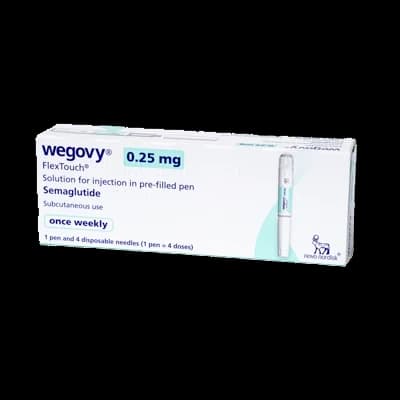
- Differentiates from Wegovy by activating both GLP-1 and amylin receptors
- Mimics endocrine peptide hormones GLP-1 and amylin, with complementary roles in appetite regulation and glucose control, potentially offering a more potent solution than existing treatments
Amycretin’s innovative approach, leveraging the synergy between GLP-1 and amylin, could redefine obesity treatment paradigms, offering a novel, dual-action solution to a complex chronic condition.
Common side effects of Amycretin
Amycretin’s safety profile and side effects have been thoroughly evaluated in clinical trials. These studies have confirmed that the drug is safe and well-tolerated, with adverse effects aligning with those observed in other GLP-1 receptor agonists used for obesity treatment. Below is a detailed overview of the common side effects associated with Amycretin, based on clinical trial data.
Gastrointestinal issues:
- Nausea: 27%
- Diarrhea: 20%
- Vomiting: 11%
- Constipation: Frequency not specified
Other reported adverse reactions:
- Fatigue: 23%
- Headache: 16%
Comparison with placebo:
In clinical trials, side effects reported by at least 2% of patients treated with Amycretin and occurring at a rate greater than placebo included:
- Nausea: 11% vs. placebo
- Fatigue: 9% vs. placebo
- Diarrhea: 8% vs. placebo
- Headache: 6% vs. placebo
- Vomiting: 5% vs. placebo
Side effect profile similarity:
The side effect profile of Amycretin is consistent with that of other GLP-1 drugs including Wegovy. Patients may experience:
- Nausea
- Vomiting
- Diarrhoea
These effects are particularly noted when the dosage is increased too rapidly. It is important for patients to be aware of these potential side effects and to consult healthcare providers for management strategies.
Serious concerns and safety considerations
While Amycretin shows promise in the treatment of obesity, it is imperative to consider serious concerns and safety considerations highlighted in early-phase studies. These concerns necessitate vigilant monitoring and precautionary measures during treatment:
Severe cutaneous adverse reactions:
- Rare cases involving Stevens-Johnson syndrome and toxic epidermal necrolysis have been observed. Immediate discontinuation of Amycretin is advised at the first sign of a rash
Reproductive and thromboembolic risks:
- Potential for fetal harm necessitates the use of effective contraception in women of childbearing potential
- An increased risk of thromboembolic events, such as deep vein thrombosis and pulmonary embolism, calls for patients to be attentive to symptoms like shortness of breath or leg swelling
Cardiac and hepatic concerns:
- QT interval prolongation may lead to serious cardiac arrhythmias, with particular caution advised for patients with a history of QT prolongation or those on QT-prolonging medications
- The risk of hepatotoxicity, including liver failure, underscores the importance of monitoring for symptoms such as jaundice or abdominal pain
Additionally, the drug’s interaction with medications that inhibit CYP3A4 or prolong the QT interval necessitates careful co-administration. Monitoring for allergic reactions, unusual bruising or bleeding, vision changes, rapid heartbeat, dark urine, and jaundice is crucial. The exploratory nature of the phase 1 trial results, lacking peer review and long-term comparative data, further emphasizes the need for comprehensive assessment and cautious application of Amycretin in clinical settings.
Comparative analysis with existing FDA-approved weight loss medications
Amycretin stands out in the landscape of weight loss medications due to its dual mechanism of action, mimicking both GLP-1 and amylin, which positions it as a potentially more potent solution for obesity management. In comparison:
Weight loss efficacy:
- Amycretin: 13% of body weight in three months
- Ozempic and Wegovy (semaglutide): Approximately 15% after one year
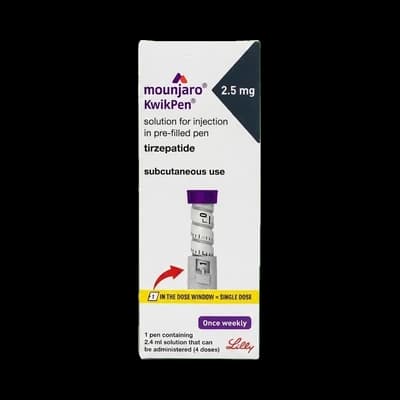
- Mounjaro (tirzepatide): About 21% over the first year and five months
Mechanism of action:
- Amycretin: GLP-1 and amylin receptor agonist
- Ozempic and Wegovy: GLP-1 receptor agonists
- Mounjaro: Mimics GLP-1 and GIP
Administration:
- Amycretin: Oral pill, once daily
- Wegovy and Ozempic: Weekly injections
- Mounjaro: Injection (frequency not specified)
Amycretin’s oral form is a significant advantage for those who prefer pills over injections, enhancing compliance and potentially broadening its appeal. Additionally, its rapid onset of weight loss, achieving significant results within three months, contrasts with the gradual weight loss observed with semaglutide and tirzepatide, which typically plateaus after a year or more of treatment. This comparative analysis underscores Amycretin’s potential to offer a differentiated and possibly more appealing option for individuals seeking weight loss solutions.
Conclusion
Through the comprehensive analysis of Amycretin, from its innovative dual mechanism of action targeting both GLP-1 and amylin receptors to its potential benefits and safety considerations, we’ve explored the promising horizon of obesity treatment that Novo Nordisk’s Amycretin represents. The drug’s unique combination of oral availability, impactful weight loss efficacy within a short timeframe, and a safety profile consistent with current GLP-1 receptor agonists positions it as a potentially revolutionary advancement in managing obesity. While recognizing its advantages, it’s crucial to remain aware of the outlined safety considerations and the necessity for thorough clinical evaluation moving forward.
The comparative analysis with existing weight loss medications highlights amycretin’s distinctive offering in the market, particularly its oral administration and rapid weight loss capability, distinguishing it from other treatments. As the medical community and patients alike await further research and eventual outcomes of ongoing clinical trials, the anticipation for Amycretin underscores the continuous need for more effective, patient-friendly obesity management solutions. This echoes the broader implications of Novo Nordisk’s contributions to the field, potentially setting a new standard in the approach to a complex health issue.
Sources
About NowPatient's Editorial Process
- Written by clinical authors
- Reviewed every 2 years
- Conflicts of interest declared
NowPatient's medical content is selected by a panel of practising clinicians (pharmacists, doctors and allied healthcare professionals) and researched by an in-house team of writers who all hold scientific or clinical backgrounds. Sponsorship and conflicts of interest are openly declared.
Every article is peer-reviewed by a clinician for clinical accuracy, evidence base and accessibility, including consideration of the particular characteristics set out in the UK Equality Act 2010. Only then is it released for publication against fixed placement guidelines.
All content is cycle reviewed (typically every two years) and updated sooner if evidence, guidelines or a complaint require it. Changes follow a formal change control procedure and are reflected in the "last updated" date on each article. NowPatient is governed by MiHealth; UK pharmacy services are provided by MiHealth Pharmacy (GPhC 1036487).
Related articles
What is the current direction for developing new obesity treatments?
The future of obesity treatment is looking at the development of new medications that combine GLP-1 with other hormones produced by the gut and pancreas, such as GIP, glucagon, and amylin. These combinations aim to enhance weight loss (WL) and improve cardiometabolic health through their complementary or synergistic effects.
Is semaglutide classified as a GLP-1 receptor agonist?
Yes, semaglutide is a medication classified as a glucagon-like peptide-1 (GLP-1) receptor agonist. It acts by simulating the effects of the GLP-1 hormone, which is released in the gastrointestinal tract after food intake and helps stimulate the production of insulin, leading to lower blood sugar levels.
Semaglutide is the drug in brand name products Wegovy and Ozempic (which is a lower dose, originally approved for treating type 2 diabetes).
What is <a href="https://nowpatient.com/medications/zepbound">Zepbound</a>?
Zepbound, developed by Eli Lilly and Company, is a medication designed for chronic weight management in adults who are overweight or have obesity with at least one weight-related condition. The active ingredient in Zepbound is tirzepatide, which activates receptors of hormones secreted from the intestine, including glucagon-like peptide-1 (GLP-1) and glucose-dependent insulinotropic polypeptide (GIP). By regulating appetite and food intake, Zepbound aims to help individuals feel full, reduce hunger, and experience fewer food cravings.