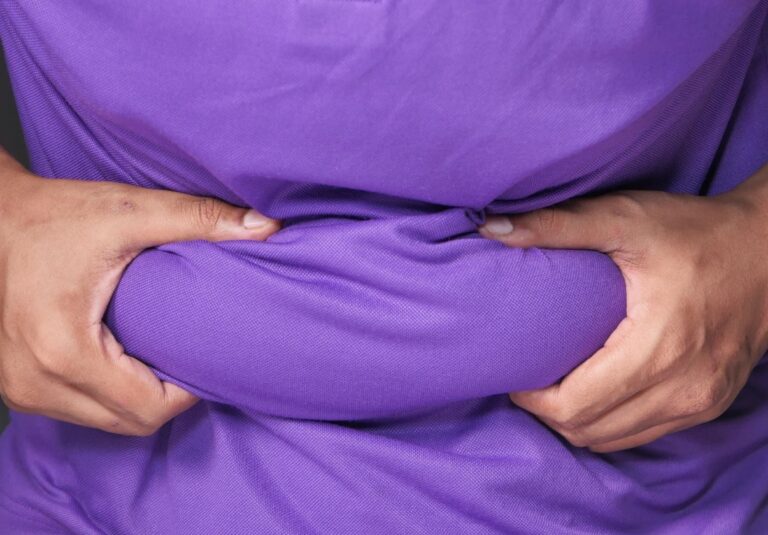
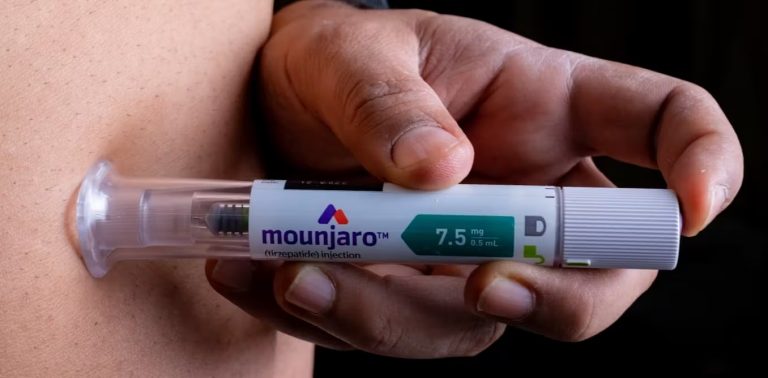
Women taking weight loss injections must use effective contraception, according to new guidance issued on June 5 2025, by the UK’s medicines regulator, The Medicines and Healthcare products Regulatory Agency (MHRA).
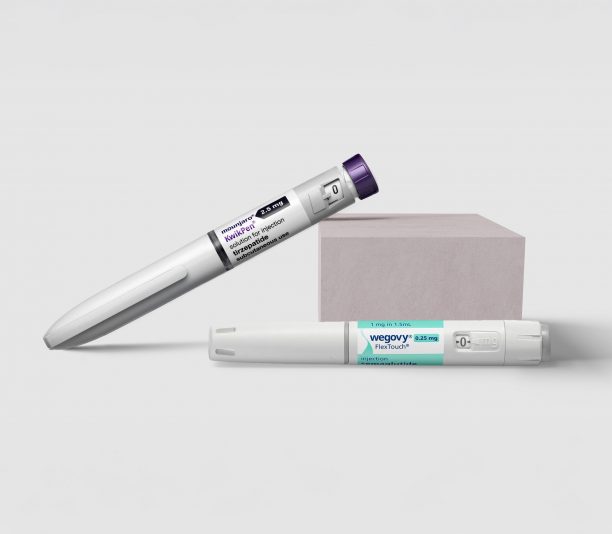
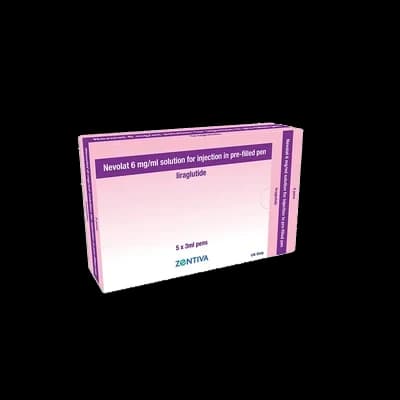
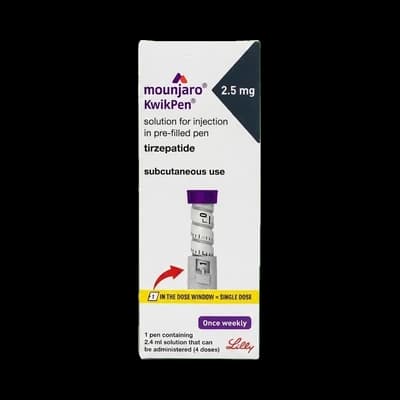
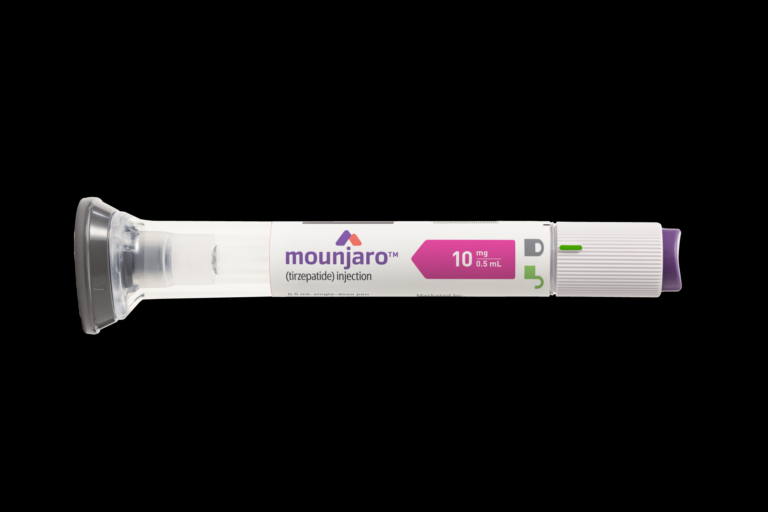
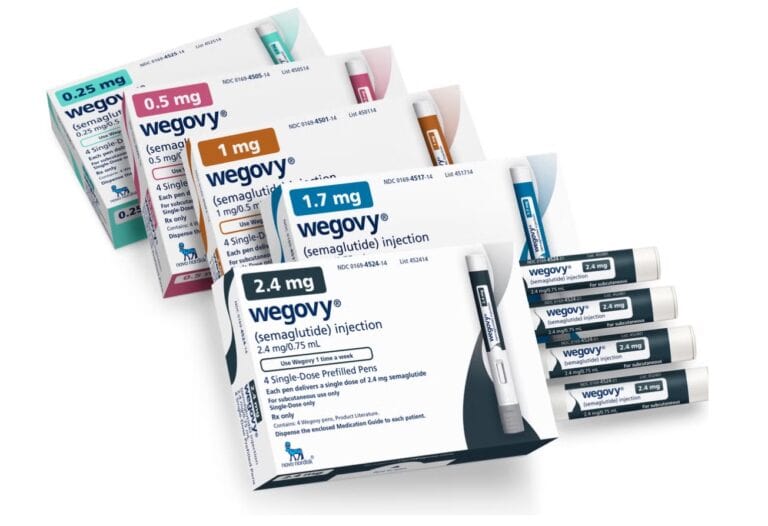
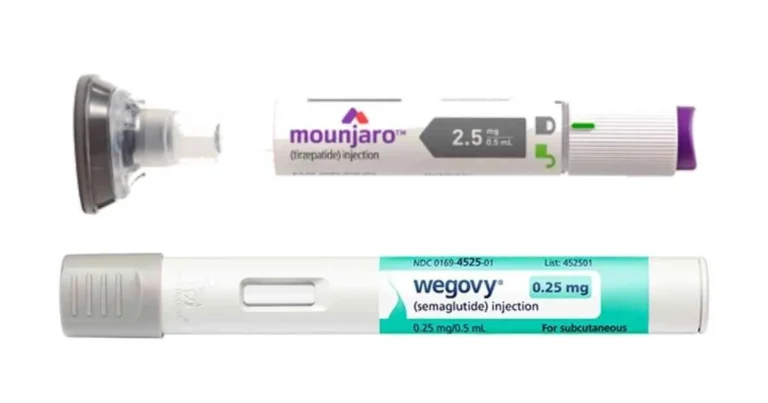
Picture showing MHRA-approved Wegovy – Mounjaro
Key takeaways
Contraception required during use
Women of childbearing potential must use effective contraception while taking Mounjaro or Wegovy.
These medicines must not be taken:
- During pregnancy
- While actively trying to become pregnant
- During breastfeeding
Stop treatment if pregnant or breastfeeding
If you become pregnant while using either medicine, then you should stop the treatment immediately.
This is due to a lack of sufficient safety data on the use of these medications during pregnancy, and the potential for harm to the fetus is unknown.
Wait before trying to conceive
In some cases, the MHRA recommends that contraception be continued for up to two months after stopping the medication before attempting pregnancy.
This ensures the drug is fully cleared from the body.
What the MHRA guidance is advising patients on Wegovy or Mounjaro
The MHRA warned that glucagon-like peptide-1 receptor agonists (GLP-1 RAs), such as Mounjaro (tirzepatide) and Wegovy (Semaglutide), should not be taken during:
- pregnancy
- while trying to conceive
- during breastfeeding
The regulator advised anyone who becomes pregnant while using these medications to stop immediately, citing insufficient safety data to determine if they could harm the baby.
In some cases, contraception should continue for up to two months after stopping the medication before attempting to conceive.
Additional concerns
Additional concerns were raised about the effectiveness of oral contraceptives in patients taking tirzepatide-based drugs like Mounjaro. According to the MHRA, Mounjaro may reduce the effectiveness of oral contraception in individuals who are overweight.
As a precaution, patients in this category are advised to use a non-oral form of contraception alongside their current method, particularly during the first four weeks of starting Mounjaro or after any dose increases.
The guidance follows growing concerns that some individuals may not be using these medications safely, especially outside their intended purpose of managing weight-related conditions and type 2 diabetes. The agency emphasized that the guidance reinforces information already included in patient leaflets and is intended as a reminder of best practices for safe use.
Other risks highlighted
The MHRA also highlighted the risk of acute pancreatitis, a rare but serious side effect of GLP-1 drugs. Patients are urged to be aware of symptoms such as severe stomach pain that radiates to the back and persists. Immediate medical attention is advised if such symptoms occur.