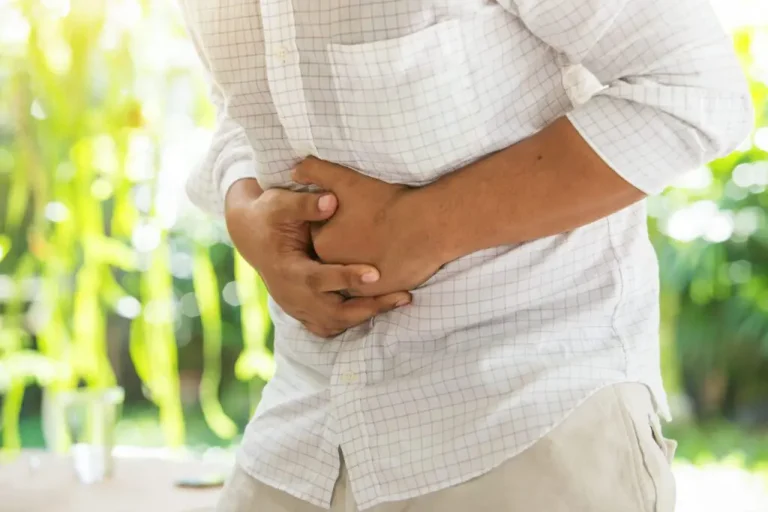
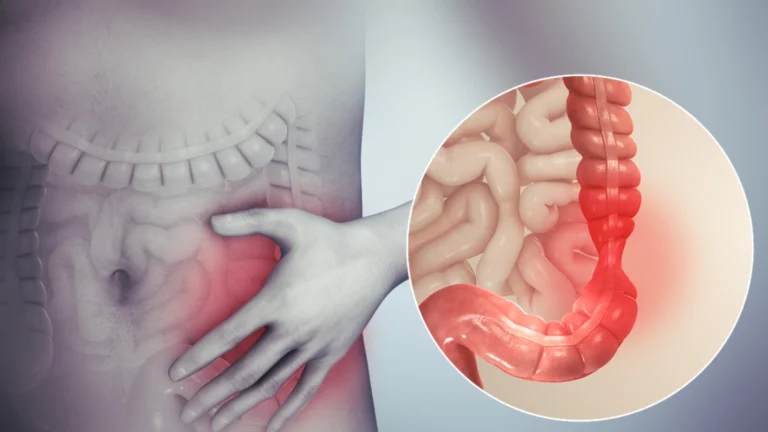
Bloating, stomach pain, burping, and flatulence are uncomfortable feelings that are usually caused by having too much air or excess gas trapped in the abdomen. These feelings often lead to embarrassment and potentially interfere with one’s day.
Let’s find out what you can do to relieve trapped wind and the causes behind it.
How does wind get trapped?
It is perfectly normal for the body to produce and pass gas as part of the digestive system process. Human beings fart at least 14 times a day. Sometimes during digestion, a bubble of trapped gas can build up inside your digestive tract causing uncomfortable symptoms.
What are the trapped wind symptoms?
The most common symptoms of trapped wind are:
- Stomach pain
- Bloating
- Burping
- Flatulence (breaking wind)
- Gurgling noises from the stomach
What are the causes of trapped wind?
During digestion, chemicals called enzymes break down foods so they can be absorbed in the small intestine, but certain foods we consume aren’t broken down. By the time they reach the large intestine, they’re still undigested. However, the large intestine can break down these sugars and carbohydrates using the millions of bacteria present in the gut. The problem is, that doing so produces gases, including carbon dioxide and hydrogen sulphide, which are released as flatulence. If we can’t release this intestinal gas through burping or passing wind, it remains trapped in the abdomen, causing pain and bloating.
Here are a few causes of trapped wind:
Swallowed air
Swallowing air happens when you eat large amounts of food quickly without thoroughly chewing it and when you gulp down drinks quickly.
Eating slowly with your mouth closed, and thoroughly chewing your food before swallowing it can help you minimise the risk of accidentally swallowing air. Taking small sips of drinks rather than large gulps can also help you avoid swallowing large quantities of air, which may later cause bloating and stomach pain.
There are other ways people swallow air:
- Whilst talking, especially when emotions such as excitement, nervousness or sadness are experienced
- Chewing gum
- Smoking
- Drinking a lot of liquids with meals
- Having dentures that are too loose
Diet
Your diet and the foods you consume contribute to the amount of trapped wind you experience. Many carbohydrate foods cause gas, but less so fats and protein. The main food culprits are:
- Carbohydrates that are hard to digest, such as beans, lentils, whole grains, oats and bran
- Vegetables such as broccoli, cauliflower, cabbage, sprouts, green peppers, onions, carrots, celery
- Milk products such as cheese
- Fruits high in fructose such as apples, raisins, pears
- Fizzy drinks
- Artificial sweeteners such as sorbitol, mannitol, or xylitol
Keeping a food diary is useful to note what you eat when you eat, and when you experience bloating.
Food intolerances
Some people are lactose intolerant and struggle to digest milk, cheese, ice cream and other dairy products. An enzyme called lactase is very low in these individuals, causing unpleasant symptoms and discomfort.
Coeliac disease is caused by intolerance to a protein called gluten which is found in certain foods, causing uncomfortable symptoms.
If you have an intolerance, you should take care to check the ingredients before eating. You may not be aware you have an intolerance, in which case you should speak to your GP.
Medical conditions
Irritable Bowel Syndrome (IBS) is a gastrointestinal disorder that affects the functioning of the large intestine (colon). Individuals with IBS often have abnormal intestinal contractions, which can lead to changes in bowel habits and the characteristic symptoms of the condition.
Simple ways to relieve trapped wind
Home remedies
- Keep a food diary: This allows you to identify gassy foods that cause you wind
- Chew food slowly: This gives the amylase in saliva more time to start breaking down carbohydrates which can help prevent excess wind
- Eat smaller meals: Less food but more frequent meals can help the digestive system
- Drink plenty of water: This can reduce the risk of constipation and keep things moving. Drinking warm water can help calm your gut and move food through the digestive system
- Drink herbal teas: Consuming peppermint, fennel or chamomile tea can help relieve flatulence symptoms
- Physical activity: Taking a walk, bike ride or certain yoga poses stimulates the digestive system and encourages matter to move through the intestine
Over-the-counter treatments
When home remedies don’t seem to help enough you can visit a pharmacy for over-the-counter treatment:
Peppermint oil
- Contains essential oils which have been shown to reduce flatulence and bloating
Simeticone
- It works by breaking up bubbles so they can pass easier
Activated charcoal
- Charcoal traps gas molecules reducing the gas that causes bloating
Probiotic supplements
- Probiotics often contain the bacteria Bifidobacterium and Lactobacillus which are beneficial in gas reduction and improving gut health. Adding in fermented foods like yoghurts that are rich in probiotics can be helpful to manage bloating too
Always talk to your pharmacist or doctor to check if these treatments are suitable for you.
Simple tips to help reduce wind
- Chew food thoroughly and slowly
- Dont use straws to drink liquids
- Avoid drinking with meals
- Reduce the use of artificial sweeteners
- Consider giving up smoking
- Wear loose clothing
- Sitting up straight
When should I call my healthcare provider?
If you have persistent or frequently recurring trapped wind and the symptoms below, it is advisable to see your healthcare provider:

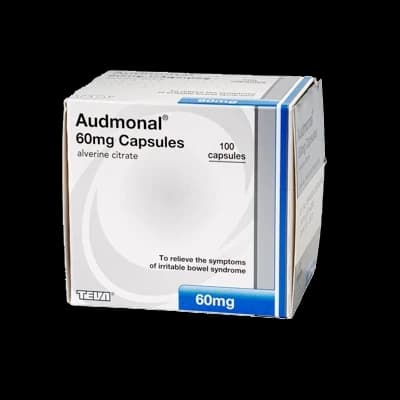
Alverine
From £11.99
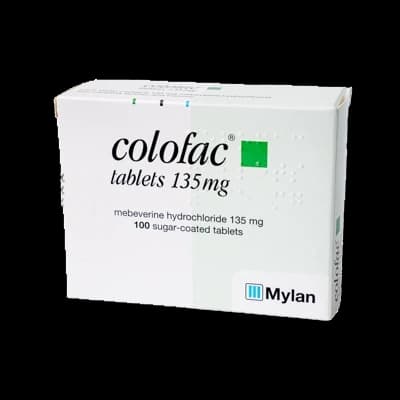
Colofac
From £21.89Weight loss
Weight loss alongside continual bloating should be explored by your GP, especially if the weight loss was not part of a lifestyle change.
Weight loss can be caused by tumours that press on the intestines, making you feel full after just a small amount of food.
Changes in bowel movement
Out-of-the-ordinary changes in your bathroom habits, such as continuous diarrhoea, needing to go more frequently, or blood in your stools, may indicate that you have something which requires medical attention.
Constipation may cause or exacerbate symptoms of bloating. Painful bloating could signal a bowel obstruction or a blockage in the small or large intestine.
Bloating with frequent tummy pain and the runs can often be a sign of inflammatory bowel diseases such as Crohn’s disease or ulcerative colitis, both of which cause inflammation of your digestive tract. Crohn’s disease is an autoimmune disorder that affects the GI tract, usually in the small intestine or colon.
Crohn’s disease can cause narrowing of the intestines and lead to a bowel obstruction, resulting in severe bloating, weight loss, nausea and vomiting after meals. Other symptoms may be present outside of the GI tract, including mouth ulcers, joint pain, skin lesions and eye inflammation.
A swollen belly accompanied by unusual stools could be a sign of cancers like breast cancer, pancreatic, colon or stomach cancer.
Fatigue
Continual tiredness combined with bloating can be attributed to many things, but shouldn’t be ignored. If you have Coeliac disease, eating foods containing gluten can trigger diarrhoea, abdominal pain and fatigue.
Appetite changes
If you’re starting to feel full when eating less or find you lose your appetite, speak to your GP about your symptoms.
Frequent indigestion that does not appear to be associated with food or other apparent causes could be a sign of something more serious. Possible causes include a stomach ulcer, cancer or liver failure.
Continual bloating
If you have bloating that doesn’t seem to reside and is painful, it is advisable to get advice from your doctor.
Sources
About NowPatient's Editorial Process
- Written by clinical authors
- Reviewed every 2 years
- Conflicts of interest declared
NowPatient's medical content is selected by a panel of practising clinicians (pharmacists, doctors and allied healthcare professionals) and researched by an in-house team of writers who all hold scientific or clinical backgrounds. Sponsorship and conflicts of interest are openly declared.
Every article is peer-reviewed by a clinician for clinical accuracy, evidence base and accessibility, including consideration of the particular characteristics set out in the UK Equality Act 2010. Only then is it released for publication against fixed placement guidelines.
All content is cycle reviewed (typically every two years) and updated sooner if evidence, guidelines or a complaint require it. Changes follow a formal change control procedure and are reflected in the "last updated" date on each article. NowPatient is governed by MiHealth; UK pharmacy services are provided by MiHealth Pharmacy (GPhC 1036487).