
Online Jet Lag Treatments & Prescriptions

Book a quick face-to-face video consultation with a certified prescribing pharmacist, nurse, or doctor. If approved, your Jet Lag treatment will be prescribed* and delivered straight to your door with free next-day delivery†. No hidden fees. No delays. Just expert care.

* Includes Free Private Prescription & Consultation.

† Applies to UK only.

Start Your Treatment Today

Available Treatments for Jet Lag

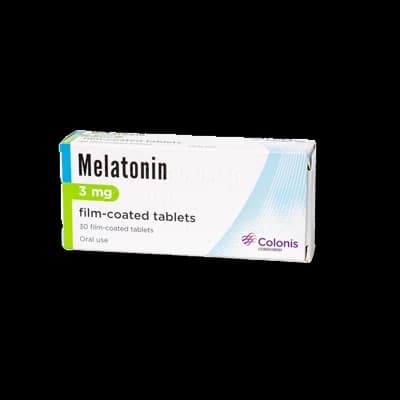
Melatonin packaging which is available to order online from NowPatient with free next day delivery

Melatonin

  • FREE secure consultation service
  • Fast and effective treatment
From £44.84

Safe Prescribing

Get Started With the Right Treatment for You

No need to visit a doctor or wait for an appointment. With our virtual consultation service, you can see a clinician online from the comfort of your home. Start your free assessment and get a treatment recommendation tailored to you. You only pay if medication is prescribed.

Key facts about Jet Lag

Jet Lag is a common problem people get when travelling across time zones. This is a temporary problem, but can still cause tiredness, insomnia, changes in body temperature, mental health issues and stomach upset. Here, we will take a closer look at the causes, symptoms, and ways to manage and prevent Jet Lag.

What is Jet Lag?

Jet Lag (Jet Lag disorder), is a short term sleep disorder that occurs when your internal circadian clock is out of tune with local time. Circadian rhythm is your body’s internal clock. It regulates your sleep-wake cycles and metabolism and is affected by daylight and darkness, which help to maintain your sleep schedule.

When you travel across a number of time zones, your internal clock struggles to adapt to the new time zone, causing a disruption in your sleep patterns. Frequent flyers, such as pilots, flight attendants, and business travellers generally suffer from Jet Lag the most.

Causes of Jet Lag

Jet Lag occurs when your body clock is out of sync with the local time. This is caused by:

Disruption of Circadian Rhythms

These rhythms are regulated by your sleep-wake cycle. Exposure to light plays a large part in aligning your internal clock. Exposure to light changes when you travel across time zones, causing your circadian rhythms to be out of line with local time.

Length and direction of travel

Travelling East tends to cause more intense symptoms of Jet Lag compared to travelling West. Also, the more time zones you travel across, the greater your circadian rhythms is disturbed and the greater your symptoms of Jet Lag.

Individual factors

The elderly may find it more difficult to adjust to a new time zone than younger people. Sleep patterns, general health, and the ability to adapt to change will also impact how you are affected by Jet Lag.

Symptoms of Jet Lag

Jet Lag may affect both your physical and mental health. Symptoms tend to appear within 1 or 2 days after traveling. Common symptoms include:

Sleep problems

You may have difficulty falling asleep or wake too early. You may have broken sleep, and poor sleep quality, leaving you feeling unrested.

Daytime tiredness

Jet Lag may cause daytime sleepiness and feelings of tiredness, making it difficult to stay alert during the day.

Digestive issues

These may include diarrhoea, constipation, bloating, stomach discomfort, and changes in appetite.

Mood disturbances

Jet Lag may cause irritability, mood swings and anxiety. Mood changes are often due to a disruption of your sleep patterns

Physical and cognitive impairment

You may find it more difficult to concentrate, remember information, or make decisions. Your coordination and reaction time, may also be affected by Jet Lag.

How is Jet Lag different to travel fatigue?

Feeling tired after you’ve had a long days travel can be confused with Jet Lag. Travel fatigue, however includes symptoms such as tiredness and headaches, that may occur due to the physical stress of travel.

As a result of air travel you may experience respiratory problems, dehydration, bloating, swelling in your lower-limbs and general fatigue, causing you to feel very tired after a long flight. This is not the same as Jet Lag, as travel fatigue does not affect your circadian rhythm. Travel fatigue will also go away after a good night’s rest, while Jet Lag can continue for days or even weeks. It is possible for you to have both travel fatigue and Jet Lag after a long flight, but Jet Lag is more likely to have longer lasting symptoms.

Managing and preventing Jet Lag

Several strategies can help reduce the effects of Jet Lag. By following these recommendations, you can reduce discomfort and improve your overall well-being during and after long-distance travel.

Plan ahead

Adjust your sleep schedule before you travel to match the time zone you are travelling to. This adjustment may help you adapt to the new time zone more smoothly.

Stay hydrated

Drink plenty of water before, during, and after your flight to prevent dehydration. Good hydration will support your general well-being and reduce some of the discomfort caused by Jet Lag.

Time your light exposure

Exposure to light is important to help regulate your circadian rhythms. If traveling East, expose yourself to bright light in the morning, to help you adjust your internal clock. If traveling West, expose yourself to bright light in the evening. Also, time outdoors and exposure to natural light will help you to adjust to the local time.

Optimize sleep environment

Create an environment, friendly to sleep to promote good sleep. Eye masks, earplugs, and white noise machines to block out any potential disturbances. Maintain a cool and comfortable temperature in your sleeping area, and ensure that the room is dark and quiet. Bringing familiar items, such as a favorite pillow or blanket, can also help create a sense of comfort and familiarity.

Avoid excessive caffeine and alcohol

While a cup of coffee or tea can help you stay alert during the day, it’s important to moderate your caffeine intake, especially in the afternoon and evening. Caffeine can interfere with sleep and exacerbate the symptoms of Jet Lag. Similarly, avoid alcohol, as it can disrupt your sleep patterns and dehydrate your body.

Incorporate strategic napping

Short naps can help combat fatigue and increase alertness during the day. Limit your naps to no more than 20-30 minutes and avoid napping too close to bedtime, as it may interfere with nighttime sleep. Strategic napping can provide a quick energy boost without disrupting your sleep-wake cycle.

Consider Melatonin supplements

Melatonin is a hormone produced by your body to help make you feel sleepy and manage your circadian rhythm. It is normally produced in the evening, several hours before bedtime, and is released at night. Your natural cycle of producing Melatonin can be disrupted by Jet Lag.

Melatonin is available only with a prescription in the U.K. but is available as a dietary supplement in some other countries. 1 to 3mg of Melatonin can be used to reset your body clock and help with sleep if taken at the right time. Research shows that Melatonin may help to reduce Jet Lag. Melatonin, like light, can affect your body clock. The timing of when you take Melatonin is very important. Some people however, are recommended not to take Melatonin. You should check whether it is safe for you to take Melatonin with your doctor. You are advised not to take Melatonin for the first time on your flight, in case you have an adverse reaction.

Alternatives to Melatonin include prescription drugs and over-the-counter medicines. Natural sleep aids, will help you fall asleep or stay asleep, but will not change your circadian rhythm. Sleeping pills may cause side effects, such as drowsiness. Speak to your doctor before you travel to discuss the risks and benefits of each medication.

Follow local time

Once you arrive at your destination, adjust your routines to those of the local time. Your body will adjust to the new time zone if you stick to the local times.

Conclusion

Jet Lag can affect your sleep patterns when you travel across multiple time zones. Understanding Jet Lag, its causes and taking the necessary steps, will help reduce it effects, making it easier for you to adjust to a different time zone.

Sources

Your health shouldn’t wait.

Consultations, prescriptions, medication delivery, health monitoring – all in one place.

What customers love about NowPatient

Wow! Excellent customer service. I submitted an email query, had a call…

Alison Hurst

I do not leave reviews, due to time and a rare condition I have. I…

Sherry M

Great experience getting the med. Clinician was very thorough.

Barbara Hill

Cannot speak highly enough of the service and assistance I have…

CJH

Very good experience - the clinician asked intelligent questions about…

Phil Daoust

Really excellent. Very thorough and professional pharmacist who guided…

Colin Glass

Excellent4.9 out of 5Trustpilot

Meet our medical team

We are a broad skilled and passionate group of clinicians with experience of operating in regulated health systems in the United Kingdom & United States. Providing excellent care and advice is at the heart of everything we do.